
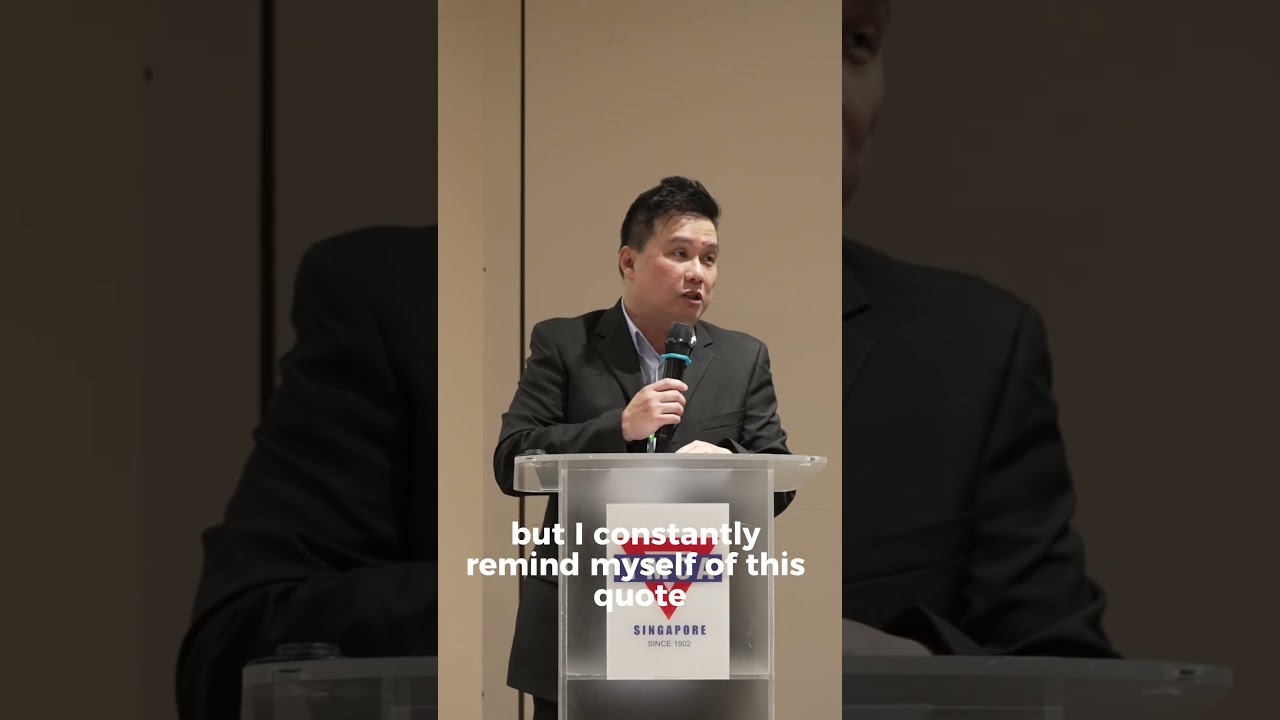
In this reflective moment from Qimen Awards 2026, the speaker addresses one of the most common obstacles in any learning journey:
“I don’t have time.”
In structured disciplines like Qi Men Dun Jia, excuses are easy.
It is easy to skip a submission.
It is easy to miss a workshop.
It is easy to delay revision.
It is easy to tell ourselves we will “do it later.”
But growth does not respond to excuses.
The speaker shares a personal commitment — choosing not to use “no time” as a justification. Because in reality, time is rarely the issue. Priority is.
Qi Men Dun Jia is a deep and structured Chinese metaphysical system. Mastery requires consistency. Without discipline, understanding weakens. Without repetition, clarity fades.
Instead of allowing time constraints to become barriers, the speaker constantly reminded himself of a powerful quote by the late Professor Randy Pausch, author of The Last Lecture series.
His message resonates deeply:
Obstacles are not there to stop us.
They are there to test how much we truly want something.
This mindset transforms pressure into opportunity.
Learning Qi Men Dun Jia over 8–10 months is not casual. It demands attention, review, and application. Many students juggle work, family, and personal responsibilities. Yet discipline separates intention from results.
Time management is not about having more hours.
It is about making deliberate choices.
When students choose to prioritize structured training — attending workshops, completing submissions, revising fundamentals — they are investing in long-term clarity.
Qi Men Dun Jia rewards consistency.
Each chart plotted builds pattern recognition.
Each revision strengthens symbolic understanding.
Each discussion sharpens interpretation.
Skipping practice creates gaps. Consistency creates mastery.
The speaker’s message is not harsh — it is realistic.
Excuses delay progress.
Commitment accelerates growth.
This reflection also highlights an important aspect of structured academy training:
Support exists.
Resources are available.
Mentorship is provided.
But discipline must come from within.
The Qimen Awards 2026 ceremony celebrates graduates who completed the journey. Behind each certificate is a story of time sacrificed, priorities adjusted, and excuses resisted.
When you choose not to say “I don’t have time,” you are choosing growth.
The mindset shift is subtle but powerful:
Instead of asking, “Do I have time?”
Ask, “Is this important enough?”
Qi Men Dun Jia is not mastered accidentally. It requires deliberate effort.
The quote from Professor Randy Pausch serves as a reminder that challenges are not barriers — they are checkpoints.
They test desire.
They test discipline.
They test commitment.
For those continuing their Qi Men Dun Jia journey, remember:
Consistency beats intensity.
Structure beats impulse.
Commitment beats excuses.
This speech segment reinforces that personal accountability is the foundation of mastery.
Because in the end, time is not found.
It is made.
Leave a Reply
You must be logged in to post a comment.