
# Understanding the Eight Gods (八神) in Qi Men Dun Jia
Qi Men Dun Jia (奇门遁甲) is widely regarded as one of the most sophisticated systems within Chinese metaphysics. Throughout its long history, it has been used for strategic planning, military decision-making, destiny analysis, Feng Shui, date selection, and personal development. Among the many components that make up a Qi Men chart, one of the most intriguing and often misunderstood elements is the Eight Gods (八神).
Many beginners focus primarily on the Doors, Stars, and Palaces while overlooking the significance of the Gods. However, experienced practitioners understand that the Eight Gods play an essential role in interpreting the environment surrounding a situation. They represent external forces that influence outcomes, opportunities, obstacles, relationships, and the overall quality of events.
To fully appreciate the power of Qi Men Dun Jia, one must understand the role of the Eight Gods and how they interact with the rest of the chart.
## What Are the Eight Gods?
The Eight Gods are symbolic representations of external influences and environmental forces that surround us. Unlike personal characteristics or internal abilities represented by other components within a Qi Men chart, the Gods describe forces that exist outside of our direct control.
These forces can be thought of as the unseen energies operating behind the scenes. They affect circumstances, people, timing, opportunities, and challenges in ways that may not always be immediately visible.
The Eight Gods consist of:
1. Leader (值符)
2. Serpent (螣蛇)
3. White Tiger (白虎)
4. Darkness or Moon (太阴)
5. Partner (六合)
6. Nine Earth (九地)
7. Nine Heaven (九天)
8. Black Tortoise (玄武)
Each God possesses its own unique nature, symbolism, strengths, and weaknesses. Some are generally regarded as auspicious and supportive, while others are traditionally viewed as challenging or inauspicious.
It is important to understand that none of these Gods are literally divine beings. Instead, they are symbolic representations of universal forces and patterns observed by ancient Chinese scholars over centuries of study and practical application.
## The Nature of External Forces
One of the most important concepts in Qi Men Dun Jia is recognizing the difference between internal and external factors.
Internal factors include:
* Skills
* Knowledge
* Character
* Experience
* Personal decisions
External factors include:
* Timing
* Opportunities
* Market conditions
* Other people’s actions
* Social environments
* Political situations
* Unexpected events
The Eight Gods primarily represent these external influences.
For example, a highly skilled entrepreneur may possess exceptional business abilities. However, if economic conditions are poor, consumer demand is weak, or competitors are aggressively entering the market, these external forces can significantly affect the entrepreneur’s success.
Similarly, a talented employee may have strong capabilities but still encounter workplace politics, difficult management, or organizational restructuring that influences career progression.
The Eight Gods help practitioners understand these environmental conditions and assess how external forces may support or hinder a particular objective.
## Why the Eight Gods Cannot Be Changed
Many newcomers ask whether the influence of a God can be changed or removed.
The answer is generally no.
The Eight Gods represent larger environmental energies and natural forces. They are part of the framework of the Qi Men system itself. Attempting to “change” a God would be similar to trying to change the weather, alter gravity, or stop the movement of the seasons.
These forces exist independently of personal wishes.
Ancient masters viewed the Gods as part of the natural order of the universe. Rather than attempting to change them, practitioners seek to understand them, work with them, and adapt their actions accordingly.
This distinction is extremely important.
Success in Qi Men Dun Jia does not come from forcing reality to conform to our desires. Instead, it comes from understanding the environment and aligning our actions with favorable conditions while minimizing exposure to unfavorable ones.
In other words, wisdom comes from adaptation rather than resistance.
## How the Eight Gods Influence Outcomes
The Eight Gods contribute significantly to the interpretation of a Qi Men chart.
They can influence:
* Business opportunities
* Career development
* Wealth accumulation
* Relationship dynamics
* Health situations
* Legal matters
* Travel outcomes
* Strategic decisions
For example:
A chart containing the Leader may indicate support from authority figures, mentors, benefactors, or influential individuals.
A chart containing White Tiger may suggest conflicts, accidents, aggression, or intense competition.
A chart containing Partner may indicate cooperation, negotiations, alliances, or successful partnerships.
A chart containing Black Tortoise may point toward deception, misunderstandings, hidden agendas, or communication-related issues.
These influences provide valuable context when making decisions.
Without understanding the Gods, a practitioner may miss important environmental factors that significantly affect the final outcome.
## What Happens When a Negative God Appears?
Many students become concerned when they encounter a traditionally unfavorable God in their chart.
This concern is understandable but often unnecessary.
A negative God does not automatically mean disaster.
Rather, it serves as a warning that certain environmental influences require attention.
For example:
White Tiger may indicate increased risks involving conflict, injury, or aggression.
Black Tortoise may suggest hidden information, dishonesty, or communication issues.
Serpent may indicate confusion, worries, illusions, or misunderstandings.
These indicators help practitioners identify potential risks before problems occur.
The purpose of Qi Men Dun Jia is not prediction alone.
Its true purpose is strategic awareness.
By identifying possible challenges early, individuals can take proactive measures to reduce risks and improve their chances of success.
## Reducing the Influence of Unfavorable Energies
Although the Eight Gods themselves cannot be changed, their influence can often be managed.
This is one of the most practical applications of Qi Men Dun Jia.
Ancient practitioners developed various methods to reduce the impact of unfavorable energies.
These methods include:
### 1. Strategic Timing
One of the most effective approaches is selecting a more favorable time to act.
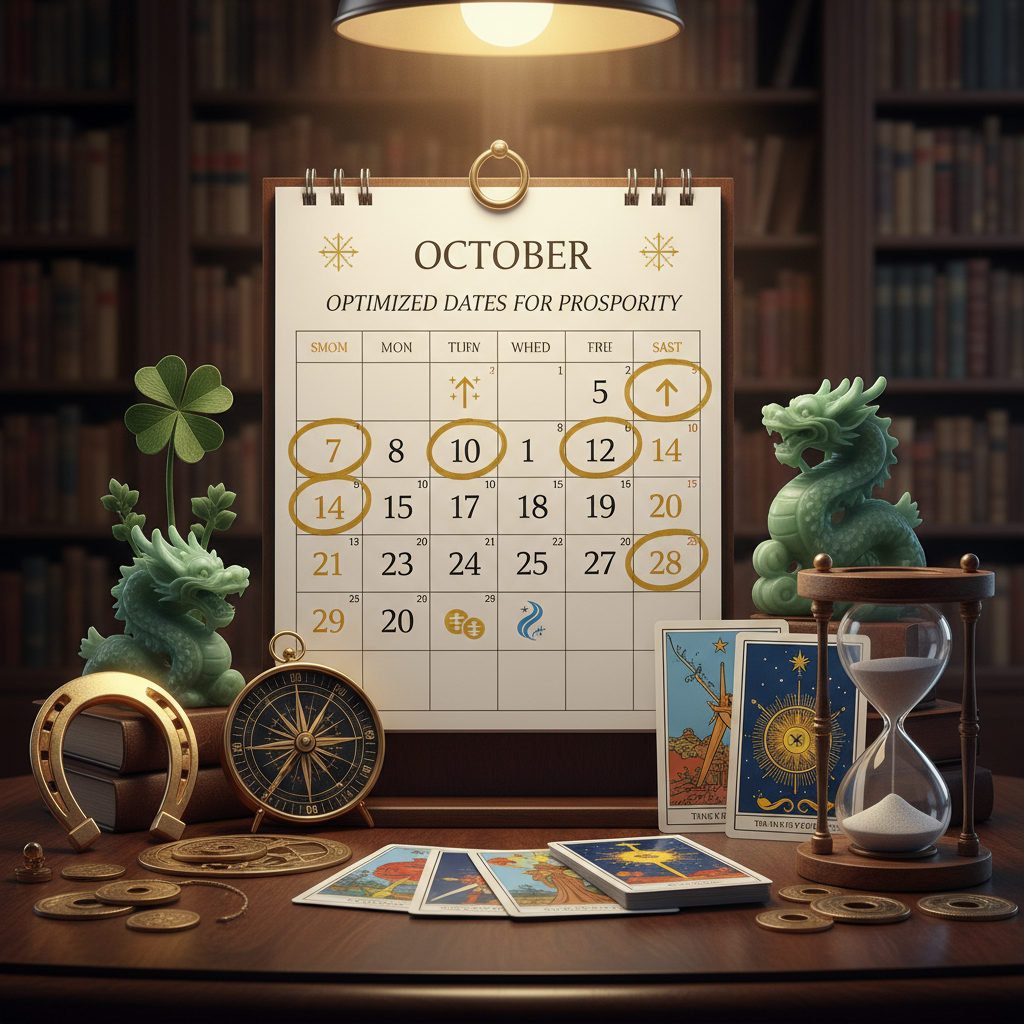
If a chart reveals strong negative influences during a particular period, postponing important activities may produce better results.
Timing has always been a core principle within Qi Men Dun Jia.
### 2. Directional Adjustment
Qi Men places significant emphasis on direction.
Choosing a favorable direction for meetings, negotiations, travel, or business activities may help strengthen supportive energies while reducing negative influences.
Directional strategies have been used for centuries in military campaigns, business planning, and personal development.
### 3. Five Element Balancing
Each God carries associations with specific energetic qualities.
Through the application of Five Element theory, practitioners may introduce balancing elements to weaken unfavorable influences or strengthen beneficial ones.
This principle is frequently applied in Feng Shui and strategic planning.
### 4. Environmental Modifications
In some cases, adjustments to physical surroundings may help reduce undesirable influences.
This could include changes in workspace arrangement, seating direction, room usage, or environmental enhancements designed to support more favorable energy patterns.
### 5. Behavioral Adjustments
Sometimes the most effective remedy is changing one’s own behavior.
For example:
If White Tiger indicates potential conflict, exercising patience and avoiding unnecessary confrontation may significantly reduce problems.
If Black Tortoise suggests deception, increased due diligence and verification of information may prevent costly mistakes.
Often the greatest remedy lies not in external objects but in wiser decision-making.
## The Importance of Consistent Learning
One of the challenges facing modern students of Qi Men Dun Jia is the abundance of available information.

Today, countless books, courses, online videos, and teachers offer different interpretations and methodologies.
While having access to information is beneficial, it also creates a significant challenge.
Many students attempt to learn from multiple schools simultaneously.
Unfortunately, this often leads to confusion rather than mastery.
Different lineages may use:
* Different chart structures
* Different interpretations
* Different calculation methods
* Different strategic applications
* Different philosophical foundations
As a result, students may encounter contradictory teachings.
One teacher may classify a particular combination as favorable while another considers it unfavorable.
One school may emphasize destiny analysis while another focuses on military strategy.
Without a solid foundation, students can become overwhelmed by conflicting information.
## Why Learning from One System Matters
To become proficient in Qi Men Dun Jia, consistency is crucial.
When beginning your journey, it is often more effective to focus on a single system, teacher, or school.
This approach offers several advantages:
### Stronger Foundations
A structured learning path allows concepts to build logically upon one another.
Students develop a clear understanding of core principles before progressing to advanced techniques.
### Reduced Confusion
Following one methodology minimizes contradictory interpretations and conflicting rules.
This enables students to gain confidence and practical experience.
### Better Practical Results
Qi Men is not merely theoretical knowledge.
It is a practical system that requires repeated application and observation.
Consistency allows students to test principles in real-life situations and refine their understanding.
### Faster Mastery
Many successful practitioners spend years mastering a single approach before exploring alternative methods.
Depth often produces better results than breadth.
## The Common Mistake of Collecting Knowledge
In today’s information-rich world, many students become collectors of knowledge rather than practitioners.
They attend seminar after seminar.
They purchase course after course.
They study from numerous masters simultaneously.
Yet despite acquiring vast amounts of information, they struggle to achieve meaningful results.
This occurs because true understanding comes from application rather than accumulation.
Mastery is developed through:
* Practice
* Observation
* Testing
* Reflection
* Experience
The most skilled practitioners are often not those who know the most theories.
Instead, they are those who deeply understand and consistently apply a proven system.
## Final Thoughts
The Eight Gods are among the most important components within Qi Men Dun Jia. They represent the external forces and environmental influences that shape our experiences, opportunities, and challenges.
While these forces cannot be changed directly, they can be understood, anticipated, and managed through strategic planning and intelligent decision-making.
A skilled Qi Men practitioner does not fight against the environment. Instead, they learn to work with it.
By recognizing favorable conditions, minimizing exposure to unfavorable influences, and aligning actions with the natural flow of circumstances, individuals can significantly improve their chances of success.
At the same time, students should approach the study of Qi Men Dun Jia with patience, discipline, and consistency. Rather than jumping between multiple schools and conflicting teachings, focus on building a strong foundation through a structured and coherent system.
Qi Men Dun Jia is a profound art that rewards dedication. Those who invest the time to understand its principles deeply will discover that it is far more than a fortune-telling system—it is a strategic framework for understanding life, navigating challenges, and making wiser decisions in an ever-changing world.
Leave a Reply
You must be logged in to post a comment.