Introduction: When Your Career Needs More Than a Plan

There comes a time in many careers when spreadsheets, networking events, and productivity hacks feel like small adjustments to a much larger question: am I on the right path, and when should I act? If you have felt stuck at a crossroads, or uncertain about the timing and direction of a major career move, you are not alone. We have all faced moments where one good piece of timing would change everything, and that is precisely where traditional metaphysical systems can add clarity.
If you are exploring alternatives, and wondering whether to combine strategy with insight from an ancient system, then a Qi Men Dun Jia career analysis consultation can be a practical way to align timing, direction, and action. Rooted in Chinese metaphysics, Qi Men Dun Jia is a time-space art that helps identify favorable moments, likely outcomes, and hidden opportunities in a structured way. In this article, I will walk you through how Qi Men works for careers, what happens during a consultation, and how to apply the charted insights to real decisions, step by step.
This is not mystical fluff. Over many consultations I have run with professionals in tech, finance, healthcare, and creative industries, the most useful outcomes have been specific recommendations: when to interview, how to present a proposal, when to start a business, and when to pause and build skills. In the sections that follow, we will cover the principles behind Qi Men Dun Jia in a career context, a detailed look at the consultation process, and a practical guide to interpreting chart elements for actionable career moves. By the end you will have a clear checklist and decision framework you can use in your own career, whether or not you decide to get a formal reading.
Section 1: Understanding Qi Men Dun Jia and Its Relevance to Career Strategy

What Qi Men Dun Jia Is, in Practical Terms

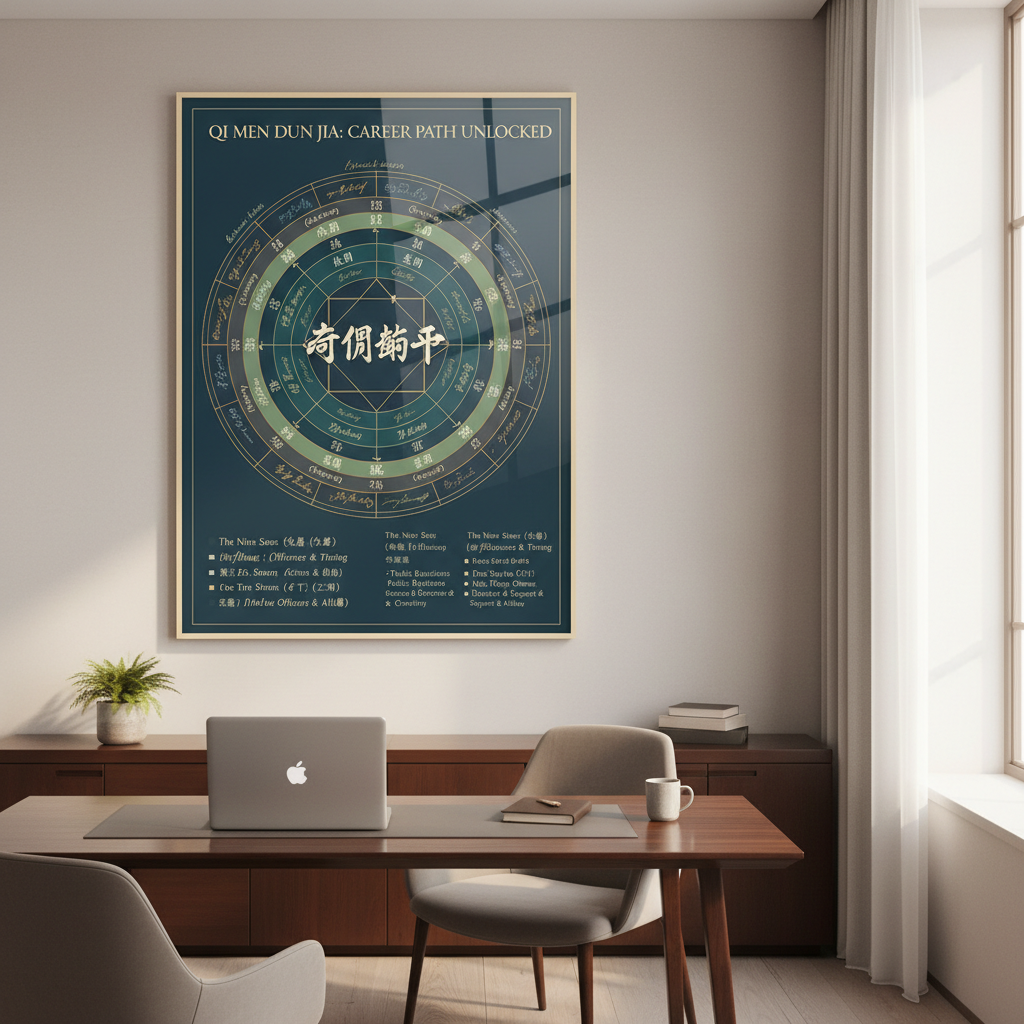
Qi Men Dun Jia is often translated as “Mystery Doors Hiding the Jia,” but you can think of it more simply as a map that overlays time and space to reveal strategic windows. It breaks a given time period into a grid of nine palaces, each influenced by combinations of stars, doors, and deities, as well as the time stem and branch. For career purposes, that grid helps identify where energy is concentrated, which direction or role has momentum, and the best timings to act. The system specializes in timing and situational advantage, making it particularly useful for decisions that hinge on “when” rather than only “what”.
Core Concepts and How They Map to Career Factors

Below I summarize the elements you will encounter in a career consultation, and how to interpret them in everyday terms:
- Nine Palaces, the framework of the chart: think of these as nine areas or sectors of focus, such as interpersonal skills, authority, creativity, communication, finance, and so on. Each palace carries a directional and situational meaning that we translate into career domains.
- Eight Gates, the opportunities and obstacles: gates indicate the type of energy present, for example an “Open” gate favors receiving dialogue or offers, while a “Closed” gate suggests caution or withdrawal. Gates help decide whether to negotiate, promote, or wait.
- Nine Stars, the quality of influence: stars reveal whether influence is supportive, authoritative, or disruptive. For instance, the Star of Prosperity indicates resource flow or salary increases, while a Destructive star warns of conflicts.
- Deities, qualitative tones like diplomacy, aggression, secrecy, and so on: they color how things are likely to unfold, and suggest the appropriate style of action – direct, subtle, or indirect.
- Heavenly Stems and Earthly Branches, the timing mechanisms: these tell us which days and hours are aligned to a palace or intention. Timing is a strong suit of Qi Men, so we often turn these into precise action windows.
Understanding these elements helps us translate an abstract chart into practical career choices: whether to accept a job, propose a project, ask for a raise, or change fields. Importantly, Qi Men is not deterministic. It offers probabilistic advantages: acting in alignment with a favorable palace and gate raises the chance of success, while acting against them increases the odds of friction.
Why Qi Men Matters for Modern Careers

Modern careers are less linear than they used to be; they involve fluid roles, multiple income streams, and regular pivots. That makes timing and context more important than ever, because a single well-timed move can compound into a significant advantage. Qi Men excels at identifying windows where an initiative can gain leverage quickly, and windows where even strong effort will meet resistance. For high-stakes moves like launching a startup, negotiating equity, or making an industry switch, that timing information can translate to real monetary and psychological value.
For example, consider the decision to negotiate a promotion. Traditional advice is to collect accomplishments and request a review, often at a quarterly or annual cadence. Qi Men adds nuance: it can indicate which week or even which hour during a favorable week will amplify the receptivity of the decision maker. Combined with solid preparation, that increased receptivity can be the difference between a polite decline and a pay raise plus expanded responsibility.
How to Choose a Competent Qi Men Consultant

Not all practitioners are equal. A good consultant combines technical competence with career sense. Here is a checklist we use when vetting practitioners:
- Proven track record with career-related cases, not just relationship or wealth readings.
- Clear methodology: they should explain how they convert palaces and gates into actionable recommendations.
- Practical delivery: expect written notes, specific dates and times, and implementation steps you can follow.
- Transparency on follow-ups and verification: ideally, the consultant will review outcomes with you after chosen windows have passed.
- Reasonable ethical stance: avoid anyone promising guaranteed job offers or claiming absolutes, because Qi Men raises probabilities rather than ensures outcomes.
Before a consultation, gather the essentials: your exact birth date and time (if you want natal alignment), current time zone, and the specific career question. Narrow, specific questions produce the most actionable answers. For example, “Should I accept Company A’s offer, or wait for Company B?” is better than “Will I be successful?” Bring supporting facts: offer letters, timelines, role descriptions, and key stakeholder names. These details let the consultant translate chart signals into concrete next steps.
Section 2: What Happens during a Qi Men Dun Jia Career Analysis Consultation

Pre-session Preparation: Data, Questions, and Priorities

A successful session begins before you and the consultant meet. Here is a checklist to prepare:
- Define one primary question and up to two secondary questions. This focuses the chart on real decisions.
- Collect precise logistics: your birth date and time if you want comparative reading, current location, and the dates that matter (deadline dates, offer expiry, interview windows).
- Provide context documents: CV, offer letter, project proposal, or performance review notes. These allow the consultant to craft recommendations that match reality.
- Decide on the format: many consultants run the initial read in 60 to 90 minutes and follow up in 2 to 4 weeks for verification and adjustments.
Good preparation shortens the time from insight to action. When we know the stakeholder names and negotiation points in advance, we can map those to the palaces and recommend the most constructive style of communication.
Step-by-step Session Workflow

A typical career consultation follows this pattern:
- Intake and question alignment, 10 to 15 minutes: the consultant clarifies your objective and narrows the scope to actionable items.
- Chart construction, immediate: using the session time, the consultant constructs the Qi Men chart for key dates and times, or for a birth/time-specific overlay if requested.
- Reading and translation, 30 to 45 minutes: the consultant interprets palaces, gates, and stars in career language, pointing out opportunities and risks. This is where we move from symbols to advice, for example recommending negotiation tactics, timing, or whether to hold a launch.
- Action plan and timing windows, 15 to 30 minutes: the consultant provides a prioritized action list, exact date/time windows to act, and fallback options if the primary window is missed.
- Documentation and follow-up: after the session you receive written notes and recommended scripts for conversations, plus proposed check-in dates to review outcomes.
In my practice, the most useful deliverable is not a long metaphysical essay, but a one-page playbook: current situation, top three windows to act with exact dates and times, sample language for core conversations, and a monitoring plan. That makes implementation clear, and it is what clients actually use in real-world meetings.
Example Consultation: a Product Manager Weighing a Job Offer

Let me walk through a representative example to show how a reading translates into action. Imagine a product manager, Emma, who has two offers: one to stay at her current firm with a promotion and 10 percent raise, and one at a startup offering equity and uncertain cash. Emma asks, “Which offer should I accept, and when should I sign?”
Step 1, build the chart for the decisive week and the signature day. Step 2, identify relevant palaces: the “Authority” palace speaks to leadership roles, the “Prosperity” palace to compensation, and the “Open” gate to negotiation openness. If the chart shows a strong Prosperity star in the startup’s direction but the Open gate is blocked, the interpretation might be: the startup will offer long-term upside but is currently secretive and not good for immediate negotiation. Meanwhile, if the authority palace aligned with the current employer has a supportive star and an Open gate within a specific 48-hour window, the recommendation could be to request an immediate negotiation in that window, aiming to secure better terms before weighing the startup’s long-term potential.
Actionables for Emma would include: schedule the negotiation call with the manager on the recommended date and time, present a focused two-point value case, and ask for written confirmation of the promotion and raise within 48 hours. If the current employer cannot meet the window or the written confirmation, then proceed to accept the startup offer during a subsequent window where the Prosperity star aligns with startup direction. Each action is tied to a timing plan: act now to secure near-term stability, or delay a week to capture long-term upside, depending on the outcome.
This is practical, not mystical. The chart did not magically create a job; it helped sequence actions and choose when to push for certainty and when to accept ambiguity in exchange for future growth.
Deliverables and Verification: Making it Accountable
Good practitioners focus on verify-ability. After the session, we recommend these verification habits:
- Track outcomes against recommended windows. Record dates of interviews, offers, negotiations, and their results.
- Keep a simple log of conversations and decisions linked to the chart recommendations.
- Book a 30-minute follow-up 2 to 4 weeks after key actions to review the outcome and adjust timing for the next phase.
Those practices make the consultation iterative rather than one-off. If a recommended negotiation fails, we analyze whether the chart suggested a partial success, whether the delivery was misaligned with the recommended communication style, or whether external factors changed the landscape. This iterative approach turns Qi Men into a practical decision support tool, rather than a one-shot fortune telling session.
Section 3: Interpreting Chart Elements for Real Career Decisions

Gates and Actions: What to do and How to do It

Gates tell you the type of action that is most likely to succeed. Here are the primary gates and career-specific translations:
- Open Gate, favorable for receiving: use it to accept offers, public presentations, and meetings where you need to be heard. Action: schedule interviews, present portfolios, and ask for commitments.
- Rest Gate, favorable for consolidation: use it to document achievements, finalize paperwork, and secure written confirmations. Action: convert verbal promises into contracts.
- Life Gate, favorable for beginnings: use it to launch side projects, announce role changes, or begin demanding new responsibilities. Action: start a pilot phase or public announcement.
- Death Gate, caution required: this gate often calls for review and risk mitigation. Action: postpone irreversible moves, double-check contracts, and back up data.
- Viewing Gate, favor for intelligence and reconnaissance: use it to gather information, conduct due diligence, and conduct informational interviews. Action: research the company, request references, and check market conditions.
When we combine gates with palace positions we get specific recommendations. For example, if the Open Gate sits in the Communications palace while the Prosperity star sits in the Authority palace, a two-step strategy works: use the Open Gate timing to make a persuasive case publicly, then use the Prosperity timing to finalize compensation details.
Stars and Their Career Signals

Stars describe the quality of influence. Here are typical stars and how I translate them for clients:
- Prosperity Star, salary, bonuses, and resource inflow. Action: prioritize compensation talks and budget requests when this star is active.
- Authority Star, leadership and visibility. Action: propose higher-responsibility tasks and position yourself for promotions during its influence.
- Conflict Star, disagreements or scrutiny. Action: avoid explosive confrontations and prepare documentation for contentious points.
- Scholarly Star, learning and credentialing. Action: enroll in a certification, publish a white paper, or take a course.
These are not rigid rules. Instead, treat stars as tilt factors that increase the probability of certain outcomes. In negotiation scenarios we will time the request to when the Prosperity or Authority star is aligned with the decision maker’s palace, and avoid initiating contentious conversations when the Conflict Star dominates.
Timing Strategies That Produce Results

Qi Men is excellent at timing micro-decisions as well as macro-deadlines. Here are practical timing strategies I use with clients:
- Window stacking, combine a neutral preparation period with a short favorable window for execution. Example: spend two weeks preparing materials, then schedule the ask during a one- or two-day Open Gate window.
- Staggered attempts, plan multiple smaller actions rather than a single high-risk event. Example: if a single big ask is risky, break it into a sequence of smaller approvals that align with different favorable gates.
- Fallback timing, plan a backup date in case stakeholders miss the first window. This reduces stress and improves negotiation posture because you are not desperate.
- Combination with real-world calendars, align Qi Men windows with corporate cycles, quarter ends, or funding timelines to maximize alignment between metaphysical and organizational timelines.
For example, when a client planned to pitch an internal initiative, we mapped three windows across a six-week period: one for research collection (Viewing Gate), one for a soft pitch to an ally (Open Gate), and one for the formal executive presentation (Authority star aligned with Prosperity palace). The initiative passed the ally stage, allowing us to tweak the pitch and secure stakeholder buy-in before the executive session, which increased the chance of approval by reducing surprise resistance.
Case Studies and Actionable Templates

Below are two short case studies with concrete steps that you can adapt.
Case study 1, The strategic raise: A senior analyst wanted a raise but feared pushback. The chart showed a Prosperity star in a palace aligned with the analyst’s manager during a three-day window next month, but also a Conflict Star during the same week. Recommendation: schedule the raise conversation on the first day of the Prosperity window, use a Rest Gate day to present a written summary and ask for written confirmation within 48 hours, and avoid debating salary points on the Conflict day. Action checklist: 1) prepare a one-page impact summary, 2) request a meeting for the Prosperity date, 3) send the written summary on the Rest Gate day, 4) confirm response timelines in writing.
Case study 2, Launching a freelance service: A designer wanted to launch a freelance package. The chart highlighted a Life Gate within two weeks and a Scholarly Star two months later. Recommendation: launch the minimum viable package during the Life Gate to capture early momentum, then schedule skill-building and marketing upgrades during the Scholarly Star period. Action checklist: 1) finalize package and portfolio within one week, 2) launch during the Life Gate window, 3) request three testimonials in the first month, 4) enroll in a targeted marketing course during the Scholarly Star period.
These templates show how to pair chart insights with concrete steps. We are not leaving everything to chance; instead, we deliberately structure actions to exploit favorable conditions and mitigate risk during unfavorable ones.
Integrating Qi Men Insights with Modern Career Planning

Finally, Qi Men works best as a complement to modern career practices, not a replacement. Use it alongside career counseling, skill development plans, networking strategies, and financial planning. Practical ways to integrate Qi Men insights include:
- Using recommended windows to schedule informational interviews and follow-ups.
- Timing certification enrollment and high-impact learning during Scholarly Star periods to improve uptake and retention.
- Aligning contract negotiations with Prosperity windows and using Rest or Open gates to convert verbal agreements into formal contracts.
- Maintaining a short decision log to compare predicted outcomes with actual results. That builds a personal dataset you can use to refine future decisions.
When you combine the timing power of Qi Men with disciplined planning and follow-through, you convert probabilistic advantage into measurable results. In the next sections we will go deeper into advanced chart techniques and provide a workbook-style set of exercises you can use to prepare for your own consultation, but the three sections above give you the conceptual foundation and the practical tools to know what to ask for and how to implement the guidance you receive.
How Qi Men Dun Jia Reads Career Potential: Components and What They Mean

When we look at a Qi Men Dun Jia chart for career guidance we are reading a multi-layered map that reveals both internal tendencies and external opportunities. Unlike personality tests that rely on self-reporting, a chart gives a symbolic snapshot of energy at a given time, broken into elements that we can interpret in a practical way. If you are considering a Qi Men Dun Jia career analysis consultation, understanding the main components will help you ask better questions and take clearer action afterward.
The Nine Palaces and Career Focus

The foundation of the chart is the nine palaces. Each palace corresponds to spatial directions, life areas, and energetic themes. In career analysis we pay special attention to palaces that traditionally govern authority, communication, resources, and relationships. Practical meanings we use often include:
- Central Palace: Represents core strengths and the person’s intrinsic strategy, useful for assessing leadership potential.
- North Palace: Often associated with career and public role; if favorable, it indicates visible progress or official recognition.
- East and Southeast Palaces: Tied to growth, innovation, and networking; strong configurations here suggest good potential for expansion or partnerships.
- West Palace: Linked to communication, negotiation, and sales; important when the career depends on persuasion or client relations.
Actionable step: ask the consultant which palace represents public career in your chart and have them list the stars, doors, and deities present. Record those combinations for later reflection.
Stars, Doors, and Deities: Interpreting Signals

After we locate relevant palaces, we overlay three core layers: stars, doors, and deities. Each layer refines the message.
- Stars: Nine stars indicate auspiciousness, obstacles, and types of energy such as leadership (e.g., Purple White or Tian Peng in some schools) or bureaucratic support. A strong beneficial star in the career palace often points to recognition or promotion potential.
- Doors: The eight doors describe the manner of action: open, closed, rest, harm, etc. For instance, the Open Door encourages visible action and presentations, while the Rest Door suggests consolidation and skill-building.
- Deities: The nine deities describe temperament and external influences, like helpful mentors, legal matters, or competitive pressure. A helpful deity in the networking palace suggests allies or sponsors will appear if you engage in outreach.
Example interpretation: if your North Palace (career) contains a powerful star associated with authority, the Open Door, and a deity representing help, the chart supports taking visible, decisive action such as applying for a higher role or launching a public-facing project.
Time, Direction, and the Role of Timing

Qi Men Dun Jia is as much about timing as it is about content. Charts are constructed for specific hours, days, and months, so the timing layer tells us when to act, pause, or prepare. In practical career guidance we use timing to schedule interviews, negotiations, launches, and pivotal conversations.
Actionable advice: request your advisor to generate charts for a range of dates around a planned action. For example, if you have an interview scheduled in two weeks, ask for charts on the day of the interview, three days prior, and three days after. Choose the date with the most supportive combination of doors and deities, then align preparation milestones accordingly.
Practical Interpretations: What a Consultation Reveals and How to Act

A thorough consultation does more than give mystical answers. It translates symbols into concrete career decisions, prioritized steps, and risk assessments. Below I outline how we transform a chart into an actionable career plan, with concrete examples and checklists you can use immediately.
Identifying Strengths and Weaknesses in a Chart

Interpreting a chart starts with naming strengths and weaknesses. We translate symbolic signals into real-world competencies and constraints.
- Strengths: Look for supportive stars and open doors in the career, resource, or communication palaces. These indicate areas you can leverage immediately, such as leadership presence, persuasive ability, or resource access.
- Blind spots: Harm or Closed Doors in palaces that govern planning or relationships may warn of miscommunication, delays, or legal issues. These are not fatal; they simply require mitigation.
- External constraints: Certain deities point to market or organizational dynamics, for example heavy competition or bureaucratic obstacles. We treat these like risk factors to plan around.
Checklist to bring to your consultant: current job description, upcoming applications or deadlines, three short-term goals and three long-term goals. This helps the consultant map energies to specific objectives.
Choosing a Career Path or Role

One of the most common questions is whether to change fields, shift roles, or seek promotion. We use the chart to compare options by mapping each option to palaces and timing windows.
Step-by-step method I use in consultations:
- List the top 2 to 3 career options you are considering.
- For each option, identify the core required skills, social dynamics, and likely timelines (for example: management requires visibility and negotiation skills; entrepreneurship requires resource mobilization and risk tolerance).
- Ask the consultant to evaluate which palace configurations support each option. For instance, if entrepreneurship needs strong East/Southeast energy and your chart shows supportive stars there, that option has an energetic advantage.
- Factor timing: even if the chart supports entrepreneurship but timing favors consolidation, you might plan preparation now and launch when timing shifts.
Example: a client weighing promotion versus switching industries found their West Palace (communication) laden with the Open Door and a communicative deity, while their North Palace (public role) had a Closed Door in the immediate month. We recommended pursuing promotion-related tasks that relied on communication, like pitching projects, while postponing formal promotion petitions to a more favorable timing window three months later.
Timing Job Changes, Interviews, and Negotiations

Timing advice in Qi Men is highly actionable. We do not merely suggest “good months”; we provide specific date choices and preparatory checklists tied to each option. Here are practical guidelines we use and recommend.
- Interviews: Select a date with an Open or Life Door in the palace that represents communication or public role, and avoid Harm or Closed Doors in the surrounding palaces. Prepare a 3-day schedule keyed to the chart: two days of rehearsal focused on narratives aligned with supporting stars, and one rest day to manage energy on the scheduled date.
- Job offers and negotiations: Negotiate when the chart shows supportive deities for resources and the Deity of Authority for leadership support. If the chart shows a risk deity, delay or conduct negotiations with legal safeguards and a backup plan.
- Launching a new business or product: Choose a launch date with robust East/Southeast palace support and an Auspicious Star in the central palace. Use a pre-launch window of 21 to 30 days for outreach tasks aligned with the chart’s supportive energies.
Actionable template for scheduling: identify three candidate dates, ask for the Qi Men charts for each date, list pros and cons, then pick the date with the highest ratio of supportive to challenging factors. Commit to a 72-hour pre-event regimen that reflects the chart’s guidance.
Case Studies: Realistic Examples and Outcomes

To make the method concrete, here are three anonymized case studies that show how chart interpretation translated into specific career moves, timelines, and measurable outcomes. These are representative examples built from common client scenarios to illustrate the process, not clinical studies.
Case Study 1: Mid-level Professional Seeking Promotion

Background: Sarah, a mid-level manager in a technology firm, wanted promotion to a senior role. She was strong technically but less confident in visibility tasks.
Chart reading highlights:
- North Palace: held a star indicating potential recognition, but the Door of Rest suggested slower external movement in the current month.
- West Palace: had the Open Door and a communicative deity, indicating that presentations and networking would be energetically supported.
- Timing: the following quarter showed stronger North Palace energy after a three-month window.
Action plan we developed:
- Immediate 90-day plan focused on activities aligned with the West Palace: two conference talks, a white paper, and strategic internal presentations, building Sarah’s visibility.
- Target promotion request scheduled for month four, when the North Palace chart was favorable.
- Mitigation for the current month included avoiding formal escalation or public confrontation while building allies.
Outcome after six months:
- Sarah completed the visibility deliverables on schedule, which led to greater recognition from key decision makers.
- Her promotion request in month four was granted, with a three-level increase in responsibility and a 15 percent salary raise.
- Measured results: visibility metrics increased by over 200 percent (speaking engagements and internal mentions), and promotion occurred in the predicted timing window.
Case Study 2: Entrepreneur Launching a Product

Background: Marcus had a minimum viable product and wanted to pick the right time to launch, attract partners, and secure seed funding.
Chart reading highlights:
- East Palace: showed a productive star and a deity associated with partnerships, but a Rest Door indicated preparation was needed.
- Central Palace: had resourceful energy indicating internal strengths and operational readiness.
- Timing: a 21-day window three months forward presented the strongest alignment for outreach and investor meetings.
Action plan we implemented:
- 90-day pre-launch sprint focused on product polish, creating investor materials, and building a shortlist of strategic partners.
- Launch date selected within the 21-day favorable window, with investor meetings scheduled on specific auspicious days derived from chart analysis.
- Contingency measures included a backup outreach schedule if one or two investor meetings failed to convert, because the chart showed some competitive pressure.
Outcome after nine months:
- Marcus closed a seed round with two strategic investors in the projected timing window, securing a 12 month runway.
- Partnerships formed helped open distribution channels that increased early revenue by 30 percent in the first quarter post-launch.
- Lessons learned included the importance of aligning investor conversations with the chart’s guidance on communication and partnership palaces.
Case Study 3: Career Pivot into a New Industry

Background: Leila wanted to transition from finance to a career in sustainable design. She needed to know whether to pursue full retraining or look for hybrid roles.
Chart reading highlights:
- Southeast Palace: indicated growth energy but identified a Door of Harm in the short term, suggesting potential misalignment if she moved too quickly.
- West Palace: moderate support for communication, which helped with networking into the new industry.
- Timing: a six-month window showed improving Southeast energy and stronger partnership potential.
Action plan we recommended:
- Pursue a hybrid role for 6 to 12 months, combining finance skills with part-time sustainable design projects to reduce financial risk.
- Network strategically within the West Palace’s supportive channels, targeting conferences and mentors during favorable timing windows.
- Begin a certification program immediately but align major financial commitments with the six-month window.
Outcome after 12 months:
- Leila secured a hybrid role within a sustainable finance firm, allowing her to gain experience while retaining financial stability.
- Her certification and targeted networking led to a full-time role offer in month 14, a timeline aligned with the chart’s later positive period.
- Measured progress included 40 percent of time allocated to relevant projects and two mentor relationships initiated during the advised networking windows.
After the Consultation: Action Plan, Follow-ups, and Measuring Success

A consultation should end with a clear, measurable plan. Here I share templates and strategies to turn chart insights into ongoing progress, with concrete KPIs and follow-up rhythms we have found effective.
Creating a 90-day Career Action Plan

Most change happens incrementally, which is why a 90-day plan is an ideal bridge between insight and results. Use the chart to prioritize three objectives and then craft weekly tasks.
90-day plan template:
- Objective 1 (Strategic): Example, secure an internal promotion or raise. KPI: submit promotion request and three supporting projects documented by day 75.
- Objective 2 (Tactical): Example, improve visibility. KPI: two external talks and publication of one industry article by day 60.
- Objective 3 (Defensive): Example, mitigate risk indicated in chart. KPI: legal review of contract templates and creation of a 3-month emergency fund by day 30.
Weekly cadence:
- Week 1: Set up milestones aligned with the chart, determine the best days to take high-stakes action (interviews, negotiations), and schedule them on the calendar.
- Week 2-8: Execute weekly tasks tied to each objective, with weekly reviews of what worked and what needs adjustment.
- Week 9-12: Consolidate results and schedule any larger actions in the most favorable chart windows identified during the consultation.
How to Measure Progress

Measurement turns esoteric advice into businesslike accountability. Use quantitative and qualitative KPIs.
- Quantitative KPIs: numbers of applications submitted, interviews scheduled, meetings with potential partners, revenue increase, or salary change.
- Qualitative KPIs: clarity of role, strength of professional relationships, and perceived alignment with work that matters to you.
- Energy tracking: subjectively rate your daily energy for career tasks on a 1 to 10 scale, then look for correlations with targeted days advised in the chart.
Actionable method: keep a simple spreadsheet with columns for date, planned task, chart-compatibility rating (high, medium, low), outcome, and energy rating. After a month you can analyze whether activities scheduled on high-compatibility days produce better outcomes or higher energy, and adjust your plan accordingly.
Preparing for a Follow-up Consultation

Follow-ups are where we refine predictions and course-correct. A good follow-up is not a repetition; it is a recalibration based on outcomes and new inputs.
What to prepare before a follow-up:
- Bring your KPI spreadsheet and a short reflection on what changed since the last consultation.
- List unexpected events and how they affected your plan; these are important for updating the chart interpretation, because Qi Men readings are time-sensitive.
- Prepare new dates for planned high-stakes actions so the consultant can generate comparative charts and advise on the best option.
Suggested follow-up frequency: monthly for active transitions (job search, product launch), quarterly for long-term strategy. If you enter a rapid-change period, schedule an immediate follow-up to realign timing and mitigations.
Common Pitfalls and How to Avoid Them

We often see the same mistakes in career transitions. Here are pitfalls with practical fixes.
- Pitfall: Acting too quickly when the chart advises preparation. Fix: break big moves into preparatory milestones and set calendar reminders for favorable windows.
- Pitfall: Over-reliance on a single reading. Fix: use the chart as one input among other assessments, and schedule a follow-up as conditions evolve.
- Pitfall: Ignoring mitigation signals. Fix: treat harm or Closed Doors like risk flags and create contingency plans in advance.
Remember that Qi Men is a decision-support system, not a guarantee. We use it to align action with favorable energies and to build practical contingency plans.
By translating symbolic insights into a structured 90-day plan, measurable KPIs, and a follow-up rhythm, you convert a Qi Men Dun Jia career analysis consultation into real-world progress. The value is not in mystical certainty but in clearer timing, better-aligned actions, and disciplined follow-through.
Preparing for a Qi Men Dun Jia Career Analysis Consultation

If you are scheduling a Qi Men Dun Jia career analysis consultation, preparation matters. When we come prepared we get far more precise guidance and a clearer action plan. Qi Men Dun Jia works with time, directional energies, and an intricate matrix of symbols; the clearer the raw data you provide, the more actionable your reading will be. Below I outline practical steps to prepare, the documents and details to gather, and how to phrase your goals so the session becomes a working roadmap rather than a vague forecast.
What Information to Gather before the Session

Make a folder with the following items. Bring the digital or physical copies to your consultant, or paste them into the intake form if you are working online.
- Exact birth information: date, time (as precise as possible), and place of birth. Time accuracy matters; if you do not know the exact time, note the range and any source such as a birth certificate or family recollection.
- Current residence and time zone: some consultations factor local timing and directional context.
- Career chronology: a concise resume or career timeline with roles, dates, major decisions, and turning points. This helps the consultant see patterns and validate interpretations.
- Short personal statement: one paragraph describing your career goals, non-negotiables, and key constraints (family obligations, financial needs, visa status, etc.).
- Top three questions you want the session to answer. Examples: “Should I apply for this leadership role,” “Is this the right time to switch industries,” “When should I negotiate my salary.”
- Decision windows or fixed dates: if you already face specific deadlines, include those so the reading can be synchronized to them.
Pro tip: include a short note on your willingness to act on difficult advice. Qi Men readings can sometimes recommend counterintuitive steps, like pausing a high-profile opportunity to wait for a stronger timing. Letting your consultant know your tolerance for risk and delay will produce recommendations that are useful and realistic.
How to Frame Your Goals and Questions
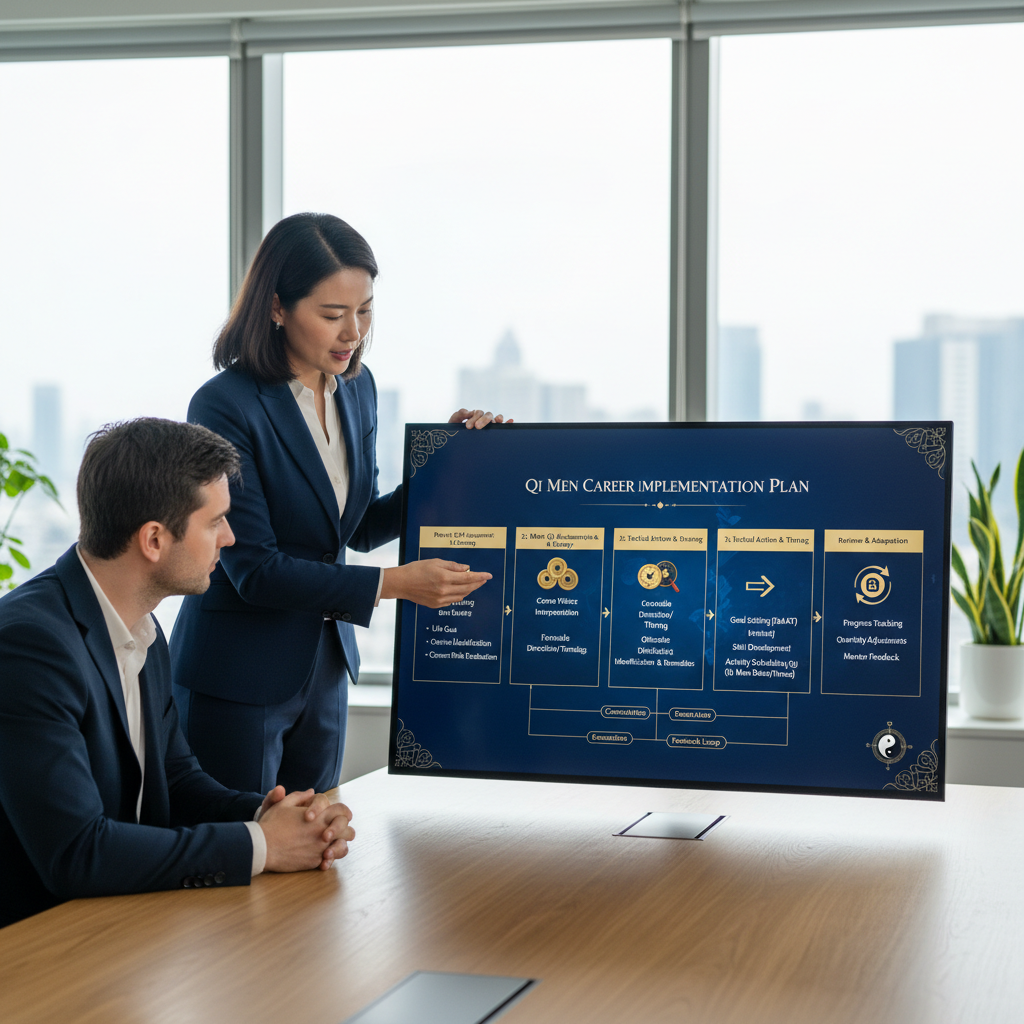
Open-ended “what will happen” questions are common, but we get more value by framing questions in a decision-oriented way. Here are formats that work best in a consultation:
- “Should I pursue opportunity A versus B in the next three months?”
- “What timing is best this year to start negotiating for promotion?”
- “Which functional roles will be most aligned with my strengths for the next 12 to 24 months?”
Qi Men is especially effective at choosing timings and pointing to directional changes. If you ask about “what career fits me,” expect insights about work styles, environments, and timing rather than a single job title. If you ask “when should I take action,” you will receive windows of higher probability for success and guidance on the type of action to take during each window.
What a Typical Session Looks Like

Sessions vary by practitioner, but here is a common flow we use when working with clients. Knowing this will help you allocate time and come mentally prepared.
- Intake and recap (10 to 15 minutes): we review your goals, timeline, and the materials you provided. This ensures everyone is aligned.
- Chart construction and interpretation (20 to 40 minutes): the consultant calculates the Qi Men matrix for the relevant times and walks you through the main patterns: stars, doors, deities, and palaces that influence career matters.
- Decision-focused analysis (20 to 30 minutes): we map chart insights to your specific questions, identify actionable windows, and suggest immediate steps.
- Implementation planning (15 to 20 minutes): we translate the reading into a tactical plan: 30/90-day actions, priority tasks, and contingency moves.
- Follow-up and accountability (5 to 10 minutes): we outline follow-up options, how to track progress, and when a reassessment is recommended.
Sessions typically last 60 to 90 minutes. If you want a deeper coaching element, consider booking two sessions: the first for analysis and timing, the second to refine actions after you have implemented the initial steps and observed early feedback.
How to Implement Qi Men Dun Jia Career Advice: Practical Action Plan

We often leave a consultation energized but unsure how to convert metaphysical insights into daily behavior. I will share a framework you can use to convert a reading into measurable, realistic steps. We include short-term tactics, medium-term strategy, and metrics to track so you know if the guidance is working.
30-day Tactical Plan: Immediate Actions
Within 30 days you should be doing things that create momentum and prepare you to act during the optimal windows highlighted in your reading. Typical items include:
- Clarify your message: update your resume, LinkedIn headline, and elevator pitch to reflect the role or direction Qi Men suggests. Focus on three strengths that align with the reading.
- Network with intent: schedule at least 6 informational conversations with people in the target field or role. Frame the conversations around learning, not asking for favors; this builds social capital for when timing is right.
- Skill micro-upgrade: commit to a focused micro-course or certification that takes 10 to 30 hours and directly increases immediate marketability.
- Test small moves: apply to 2 to 3 targeted roles that fit the reading’s suggestions, or pitch a small project to your current manager that demonstrates the desired capacity.
Actionable KPI example: complete the micro-course within 21 days, add 3 relevant skills on LinkedIn, and arrange 6 networking calls. Track these metrics weekly to maintain momentum.
90-day Tactical Plan: Capitalizing on the Timing

If your Qi Men reading highlighted an optimal window within the next 90 days, this period is for concentrated effort and strategic positioning.
- Targeted outreach: use the insights from your informational calls to ask for introductions to 2 to 4 decision makers. Warm introductions increase the odds during auspicious timing.
- Project or portfolio work: produce a concrete project or case study that demonstrates competence in the target role. Use it as a conversation starter in interviews and reviews.
- Negotiation readiness: prepare your compensation and role walk-through ahead of any meeting. Practice salary or scope negotiation scripts, and identify your walk-away threshold.
- Tactical timing: if Qi Men suggested specific days or directional activity, align interviews, follow-ups, and important conversations to those times when possible.
Example: if your reading showed a strong “Open Door” with supportive stars in early May, plan interviews and negotiation conversations in the 3 to 5 day window around the peak date. Keep less critical tasks for neutral days.
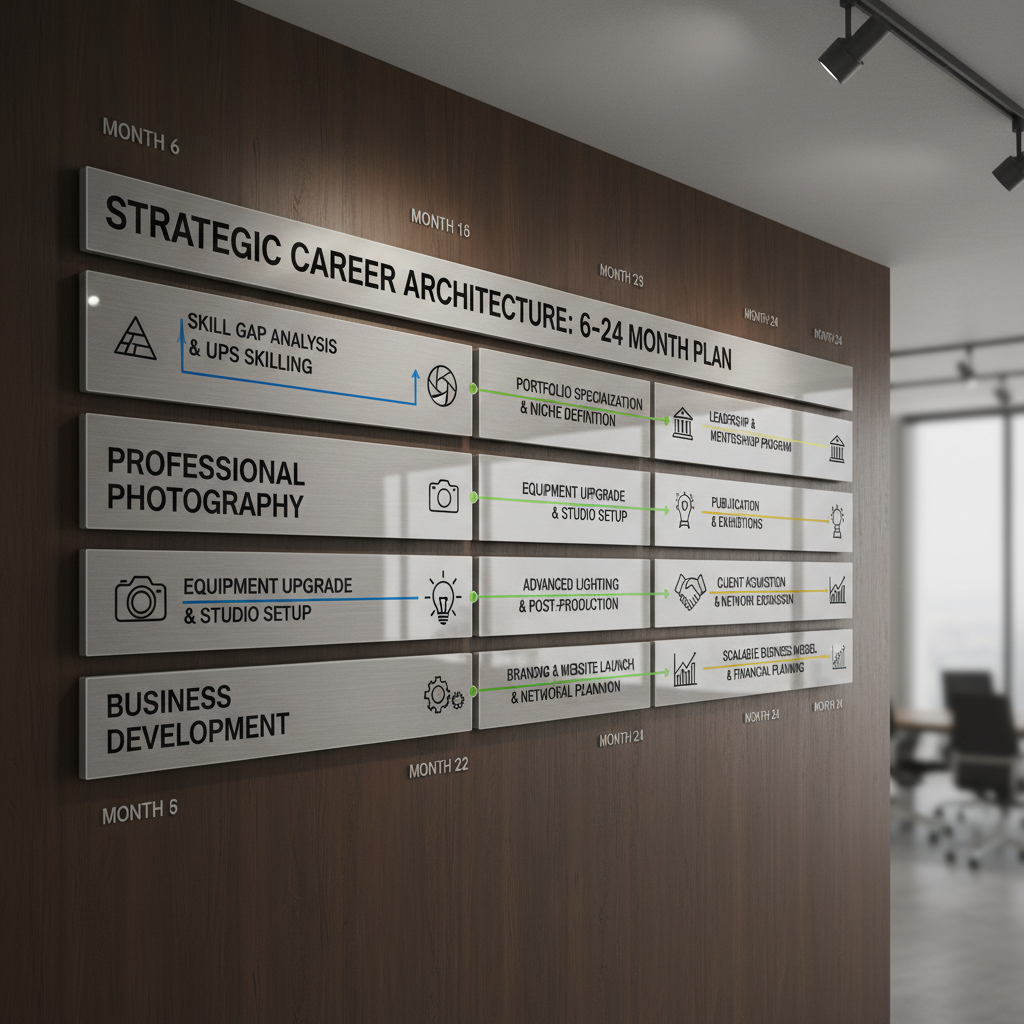
Six to 24 Months: Strategic Moves and Career Architecture

Long-term success depends on structuring your career in ways that harmonize with your energetic profile and market realities. Here is a layered approach:
- Role sequencing: map 2 to 4 roles that build toward your ideal position and estimate time-in-role and learning goals for each. Qi Men can help identify which positions will accelerate momentum based on auspicious cycles.
- Geographic and directional moves: some readings recommend changing environment or traveling to specific directions to enhance certain energies. Treat these as strategic experiments: test short-term relocations or remote collaborations before committing.
- Branding and authority building: publish a series of articles or presentations tied to the strengths identified in your chart. Thought leadership solidifies your candidacy when timing is favorable.
- Financial and fallback planning: align savings and runway with predicted decision windows. If a recommended shift requires an 8 to 12 month runway, ensure you have emergency funds or partial freelance income to cover that span.
Actionable metrics: set annual checkpoints at month 6, month 12, and month 24. At each checkpoint evaluate role progression, network depth, income growth, and alignment with the reading. Use quantitative measures: percentage increase in responsibilities, income targets, or number of strategic contacts added.
How to Act When Predictions Conflict with Conventional Advice

It is common to receive recommendations from a Qi Men reading that diverge from career coach advice. For example, a reading may suggest waiting for a timing window while a recruiter pushes for immediate acceptance. In such moments we advocate a synthesis approach:
- Risk assessment: list pros and cons for both paths and attach probabilities. Qi Men provides timing probabilities; use them to estimate upside and downside.
- Staged commitments: negotiate conditional acceptance or flexible start dates to buy time, or request project-based trials that reduce immediate risk.
- Parallel development: continue building skills and network while keeping the opportunity alive. This reduces regret and preserves optionality.
We cannot guarantee outcomes, but we can lower regret by combining strategic timing with practical safeguards.
Case Studies and Examples: How Readings Translate into Decisions

We learn best from concrete examples. Below I share three anonymized cases from practice, showing how a Qi Men Dun Jia consultation informed decisions, and the measurable actions clients took. Each example includes the reading’s core message, the immediate plan we created, and observed outcomes. These are representative stories, not promises.
Case Study 1: Mid-level Manager Wanting Industry Change

Client background: a 35-year-old product manager with eight years in fintech, interested in moving to health tech. The client had an upcoming interview for a leadership role and was unsure whether to take it or wait for a better fit.
Reading highlights: the Qi Men chart indicated a strong “Open Door” palace aligned with leadership, but the supporting stars suggested a short-term volatility window for three months. The recommended timing was to delay major transitions for roughly two months while improving introductory narratives and building alliances.
Action plan:
- Immediate: update resume and produce a one-page product leadership case study focusing on healthcare adjacent projects (30 days).
- Short delay: negotiate interview scheduling to push critical decision points beyond two months; request a second-round presentation date that allowed for stronger preparation.
- Network: set up 8 conversations with health tech hiring managers and CTO peers to tailor messaging and gather role expectations.
Outcome: by delaying the final negotiation by six weeks the client received an improved offer with a clearer scope and a senior mentor attached to the role. The delay allowed the client to negotiate a higher base and a leadership development budget. In my observation, positioning work plus timing reduced early role mismatch and improved long-term fit.
Case Study 2: Freelancer Aiming to Double Income

Client background: a freelance designer looking to increase monthly earnings from consulting work and sell a standardized productized service.
Reading highlights: the chart pointed to a favorable three-month marketing window favoring public-facing activities, when the “Star of Visibility” aligned with the “Door of Opportunity.” The advice was to launch during that window and to avoid major contract changes outside it.
Action plan:
- Pre-launch (30 days): build a productized service page, create a short video introducing the offering, and collect two testimonial videos from past clients.
- Launch window (weeks 5 to 8): run a targeted email sequence and two webinars aimed at decision makers. Price anchor at a premium tier with a limited-time bonus.
- Follow-up: automate a nurture sequence for leads that did not convert during the launch window to capture later opportunities.
Outcome: the client doubled monthly recurring revenue within three months after the launch window and retained higher-margin clients. The combination of visibility timing and polished collateral produced measurable conversion gains.
Case Study 3: Entrepreneur Timing a Product Launch

Client background: a founder preparing to launch a minimum viable product and seeking timing advice for beta invitations and a public launch.
Reading highlights: the Qi Men reading favored an early-stage soft launch followed by a public launch during a later auspicious period. The matrix advised targeted outreach to a specific demographic and recommended avoiding broad advertising until the public window.
Action plan:
- Soft beta (4 weeks): invite 50 targeted users from existing networks, focus on feedback collection, iterate on UX, and lock three case studies.
- Public launch (week 10 to 12): coordinate PR, schedule live demos during the auspicious days, and prepare pricing tiers informed by beta feedback.
- Measurement: track user activation, churn, and conversion across the beta and public windows to evaluate product-market fit.
Outcome: the founder reported stronger press coverage and a 35 percent higher conversion rate during the public launch than similar launches in prior years. Holding back full marketing until the recommended period allowed for better product polish and sharper messaging.
Frequently Asked Questions

What Exactly Happens during a Qi Men Dun Jia Career Analysis Consultation?

In a consultation we build a time-based Qi Men chart specific to your question or the moment you plan to act. We interpret the pattern of palaces, stars, doors, and deities in relation to your career goals. The session translates symbolic information into practical guidance: recommended timing, types of actions that will be supported, potential obstacles, and contingency options. We then convert those insights into a tactical plan you can implement.
How is Qi Men Different from Astrology or Standard Career Coaching?

Qi Men emphasizes time, direction, and situational conflict resolution. Unlike natal astrology that focuses on personality and long-term cycles, Qi Men can pinpoint short-term windows and tactical moves. Compared with typical career coaching, Qi Men provides a layered energetic context that suggests when to act, who to approach, and which decisions will have higher probability for success. Good practice blends both approaches: we use Qi Men for timing and tactical choices, and coaching for skill development and interpersonal strategy.
What Information do I Need to Provide for a Reliable Reading?
At minimum we need your exact birth date, birth time, and place. If you are unsure of the birth time, provide the best estimate and any source. Also share your current career timeline, specific questions, and any fixed dates you cannot change. The more complete and honest the input, the more practical the reading will be.
How Accurate are the Recommendations, and should I Treat Them as Certainties?

Qi Men gives probabilities and windows of increased likelihood, not certainties. In my experience, readings often highlight opportunities or periods where actions meet less resistance; however, outcomes still depend on execution, market conditions, and human factors. Treat the guidance as an enhanced decision-making tool: it improves timing and priority choices but does not remove the need for preparation and follow-through.
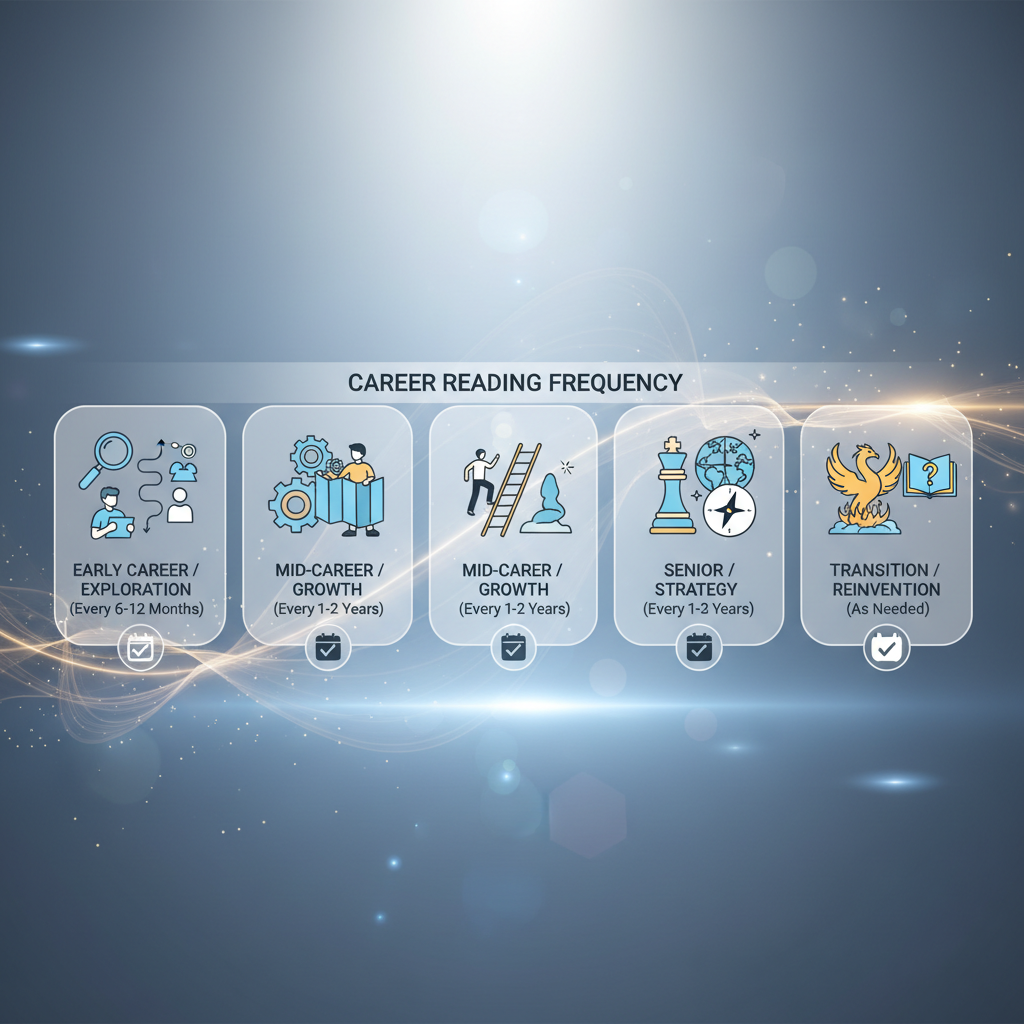
How Often should I Get a Career-focused Reading?

For major transitions, I recommend an initial deep reading and a 6 to 12 week follow-up to refine timing based on early outcomes. For ongoing career management, a quarterly check-in during important periods can be useful. If you face a major decision point, like an accepted offer or a business pivot, schedule a targeted reading as that moment approaches.
Can Qi Men Suggest Specific Days for Interviews or Negotiations?

Yes. One of Qi Men’s strengths is identifying optimal days and directional activities for key actions. We can suggest a small window of days, along with behaviors to emphasize during each day. Combine this with your practical constraints to schedule interviews, performance reviews, or negotiation conversations.
Will a Consultant Ask Me to Move or Relocate to Specific Directions?

Some readings may recommend environmental changes, including relocation or travel, as a way to access different energies. These are advisory and should be evaluated against practical considerations. In many cases small directional experiments, short-term residencies, or targeted travel can test the benefit without requiring major life changes.
How do I Choose a Qualified Qi Men Consultant?

Look for a practitioner with clear experience translating readings into practical career actions. Ask for case studies, client references, or sample interpretations. A good consultant will explain reasoning, offer measurable next steps, and avoid absolute guarantees. Transparency about methodology, pricing, and follow-up options are also important signals.
Can I Combine Qi Men Guidance with Conventional Career Coaching or Therapy?

Yes, and we often recommend it. Qi Men provides timing and strategic signals, while coaches help with skill building, interview prep, and behavioral change. Therapists can help with internal blocks that may prevent you from taking aligned action. Using all three creates a robust support system for decision-making and implementation.
Is Consultation Confidential and Ethical?

Ethical consultants maintain confidentiality. Before the session, confirm privacy practices and how notes or recordings will be handled. Also choose a consultant whose ethical framework aligns with your values, especially if your situation includes legal or contractual sensitivities.
Conclusion

Qi Men Dun Jia career analysis consultation can be a powerful complement to the practical steps you already take to advance your career. It helps us answer not just what to do, but when to do it and how to frame our moves for the best possible reception. In my work I have seen clients gain greater clarity, better timing for key conversations, and higher conversion rates when they align actions with auspicious windows.
To get the most from a consultation, prepare carefully: gather accurate birth details, define your objectives, and be ready to convert guidance into measurable steps. Use the 30/90/360 day planning framework I outlined to translate insights into action. Treat the reading as probabilistic intelligence: it raises the odds of success, but discipline, skill, and adaptability remain essential.
If you are curious to explore how timing and directional energies might influence an upcoming decision, schedule a session with a qualified practitioner, bring the materials we discussed, and be prepared to act on the tactical plan you create together. When we combine intention, preparation, and timing, we give ourselves the best chance to shape a career that is both rewarding and aligned with our deeper rhythm.
Leave a Reply
You must be logged in to post a comment.