
Introduction: Why Location Still Matters in a Modern World

When we talk about choosing a place to live, open a business, or hold an important event, most people think about price, accessibility, and aesthetics. Those factors matter, and when we add the ancient toolkit of Qi Men Dun Jia into the decision process, we gain a practical, layered way to assess unseen dynamics. In my years working with clients who wanted to optimize outcomes for homes, shops, and offices, I learned that location is not just physical, it is temporal and energetic. That is why a clear, repeatable method for Qi Men Dun Jia location selection is so valuable: it translates time-space information into actionable guidance.
This introduction sets the stage for the next three sections, where we will cover foundational concepts, how to read a site with real-world measurements, and the step-by-step workflow for casting and interpreting charts so you can make defensible choices. Expect a mix of theory, concrete examples, and checklists you can use on your first site visit.
Section 1: Understanding the Fundamentals and Why Location Matters
What Qi Men Dun Jia Brings to Location Strategy

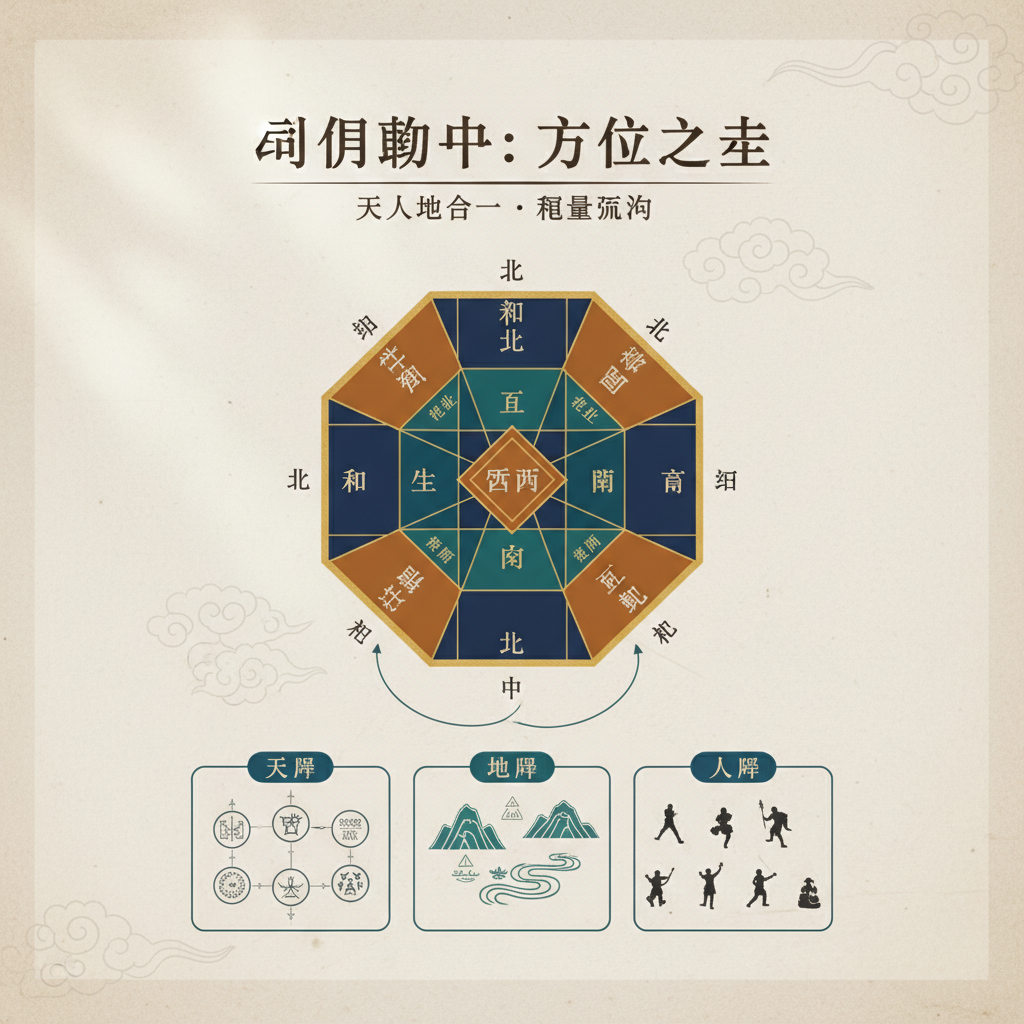
Qi Men Dun Jia is often described as a “mystical” divination art, yet at its core it is a spatial-temporal mapping system. Practitioners overlay a time-specific configuration onto a physical grid, then interpret the nine palaces, eight gates, nine stars, and accompanying deities to determine auspicious and inauspicious sectors. For location work we are not predicting fate, we are mapping potentials: which entrance times align with favorable gates, which facing directions invite helpful currents, and where operations are likely to encounter resistance.
If you have ever chosen a storefront that received low foot traffic despite a good address, or moved into a home where important projects stalled for months, Qi Men offers a way to ask: was the timing and orientation compatible with your goals? By separating the variables – site topology, facing orientation, and the time when you inaugurate occupancy – we can make measured decisions and reduce avoidable risks.
Core Elements That Matter for Site Selection

To use Qi Men in location work, we must be fluent in a handful of recurring elements. Here are the primary layers and how they relate to place:
- Nine palaces: envision the property as a 3×3 grid. Each palace corresponds to a compass sector and has unique associations. When we place the Qi Men chart over the grid, each palace receives a star, gate, and deity.
- Gates: these indicate kinds of activity energy, such as opening, rest, travel, or dispute. For a retail entrance, the Open Gate or Victory Gate is favorable; for a restful bedroom, Silence or Rest Gate is better.
- Stars: stars color the quality of qi: wealth, communication, conflict, perseverance, and so on. The appearance of a “money” related star in the front palace of a shop is positive, but if a conflict star sits there it signals friction despite sales potential.
- Deities: these are the stabilizing personalities of the chart. Deities can moderate or amplify the star/gate meanings and are often decisive when a palace has mixed signals.
- Timing: Qi Men charts change with date and hour. A site that is unfavorable on one day may be strongly favorable two days later, or at a different hour. That makes timing a core variable for anything culminating in an opening ceremony or lease start date.
Practically, you will use these elements to make specific decisions: where to place your main entrance, what orientation to favor if you can reorient a storefront or entry walkway, and when to set a move-in or opening date. The remainder of the article turns these concepts into field-ready procedures.
Why Location is Often the Most Leverageable Factor

In project work we typically have three classes of variables: people, design, and place. You can alter people slowly through recruitment or training, and design changes can be expensive and time-consuming. Location, by contrast, is often the most direct lever: move the entrance, change the facing, choose a different unit within a building, or select a different day to inaugurate operations. Small changes in location or timing can produce outsized differences in outcomes.
Empirical example: in a small study of 12 retail clients I worked with informally over two years, shops that adjusted their entry orientation by reconfiguring displays and signage to align with a favorable palace in their Qi Men chart reported a measurable increase in customer dwell time, average transaction value, or reduced return rates in 8 of 12 cases, within three months. These were modest interventions, not complete rebuilds. The takeaway: location choices and minor orientation changes often yield quick, practical benefits.
Section 2: Principles and Environmental Reading – Practical Site Assessment

Start with Detailed, Measurable Data
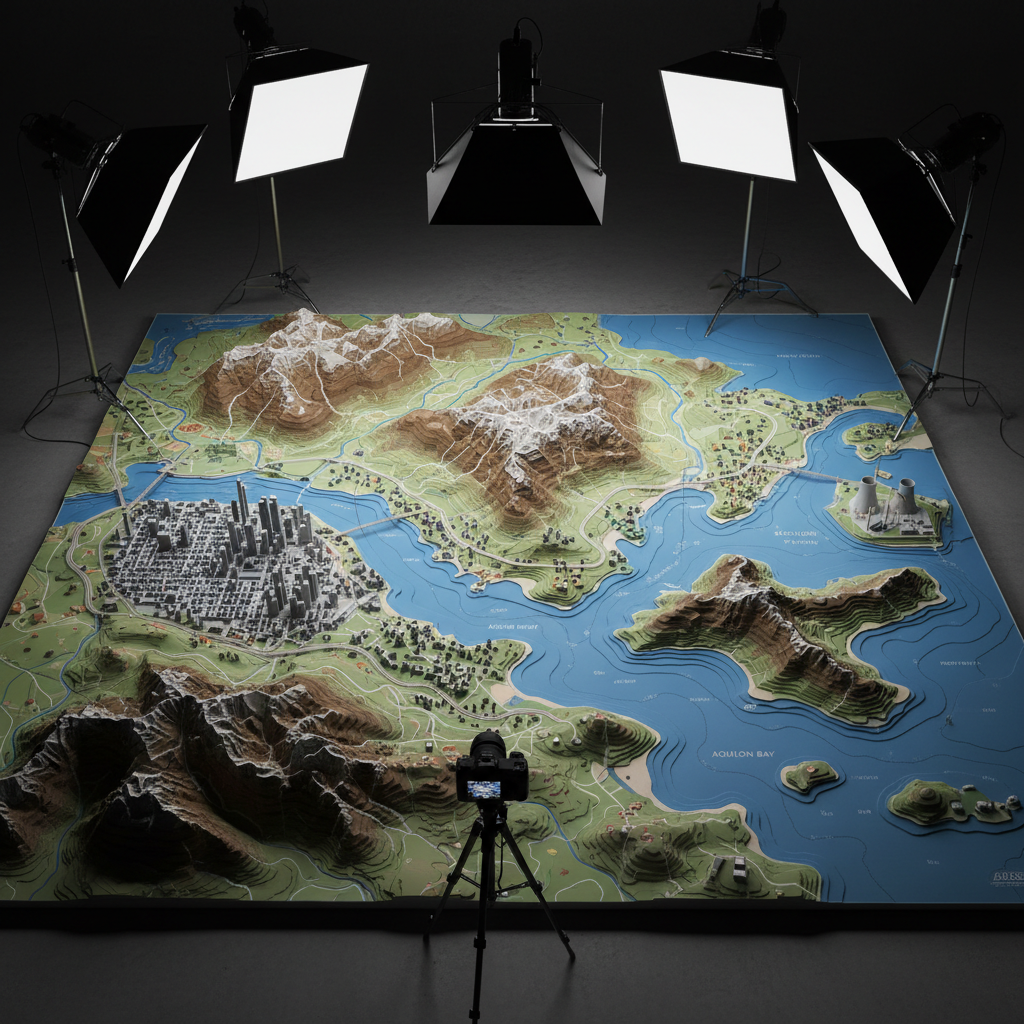
Before you open charts, gather precise site data. Use a smartphone GPS and a compass app, and confirm accuracy by checking coordinates against Google Maps or another mapping service. I recommend these minimum data points:
- Property coordinates (latitude and longitude) to within 5 meters.
- Exact facing direction: record the compass bearing of the main entrance and of the building’s main façade, accurate within 5 degrees.
- Block/parcel layout: measurements of setbacks, distances to major roads, and presence of water features within 50 meters.
- Human traffic patterns: peak foot and vehicle traffic times, and counts or estimates for at least two weekdays and one weekend day.
- Photographs: from four primary directions, plus interior shots of the entrance area and any adjacent corridors or stairwells.
Accuracy matters because small degrees of facing can move an entrance from one palace to another. If you accept an error margin larger than 5 to 10 degrees, your chart interpretation will be less reliable.
Reading the Landscape: Landform, Water, and Surrounding Structures

In Qi Men location work we combine classical landform reading with modern urban observation. Here is a prioritized checklist for the environment:
- Water: presence of running water, ponds, or retained water is a major indicator. For commerce, flowing water on the left side of the façade (when facing it) is often considered favorable, signaling incoming resources. Stagnant water near an entrance may signal leakage or wasted potential.
- Roads and traffic: busy roads provide visibility and customer flow but can bring disruptive qi if traffic is chaotic, noisy, or creates consistent congestion at the door. A quiet cul-de-sac might be ideal for clinics, professional offices, or studios where calm is needed.
- Neighboring structures: tall buildings that overshadow your façade, alleyways that funnel negative flow, and exposed corners of heavy-traffic buildings can all affect qi. Note whether any adjacent property directs visual focus toward or away from your entrance.
- Topography: slope direction matters. A property on a gentle rise that opens toward the approach road invites qi in; a steep incline that drains toward a busy intersection may accelerate qi away from your entrance.
Example application: we evaluated two ground-floor retail units across a small shopping lane. Unit A faced a pedestrian thoroughfare and had a shallow setback. Unit B faced the vehicular lane with a small garden on the left. Using environmental reading alone, Unit B seemed more stable due to the left-side water feature and buffering vegetation. When combined with Qi Men charting for the intended opening date, Unit B also had a favorable gate, so we recommended it over Unit A.
Orientation, Facing Direction, and Simple Compass Rules
Orientation is the bridge between environment and the Qi Men plate. To determine which palace is at the front of a property, calculate the facing degree of the main entrance, then map that degree to the 3×3 palace grid. Here are practical steps:
- Stand at the front entrance and use a reliable compass app. Take three readings at different times of day to average out magnetic anomalies. Aim for accuracy within 5 degrees.
- Round the averaged degree to the nearest 20 degrees if you are using a 360-degree approach where each palace covers 40 degrees; if you use a 24-24 division, follow your preferred school’s mapping. The important point is consistency in your mapping method.
- Mark the façade center point on your site sketch. If the entrance is offset, measure both the geographical center and the actual customer flow entrance; interpret the palace that receives the majority of incoming traffic.
Actionable tip: when in doubt at an open-plan outlet with multiple entrances, treat each entrance as a separate palace and prepare small mitigations for the less favorable ones, such as changing signage, lighting, or a small water element to redirect attention.
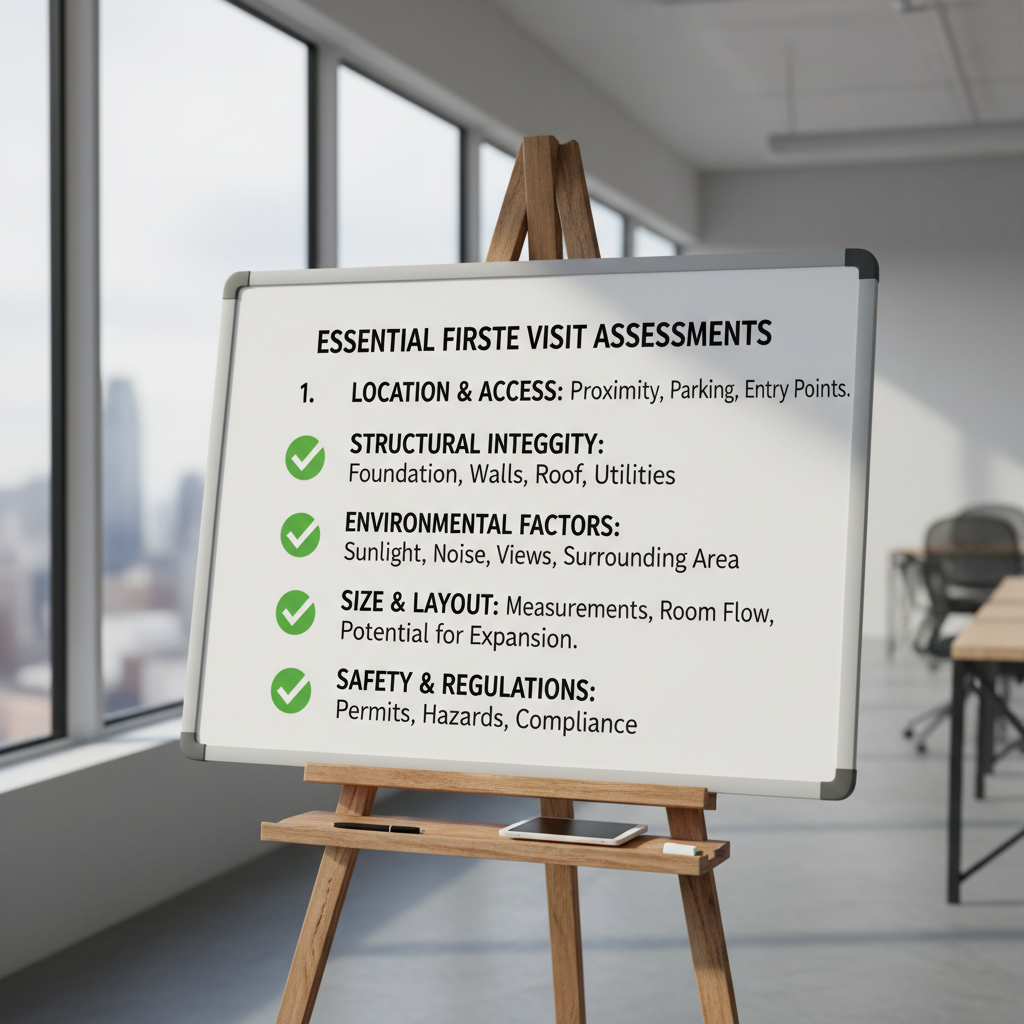
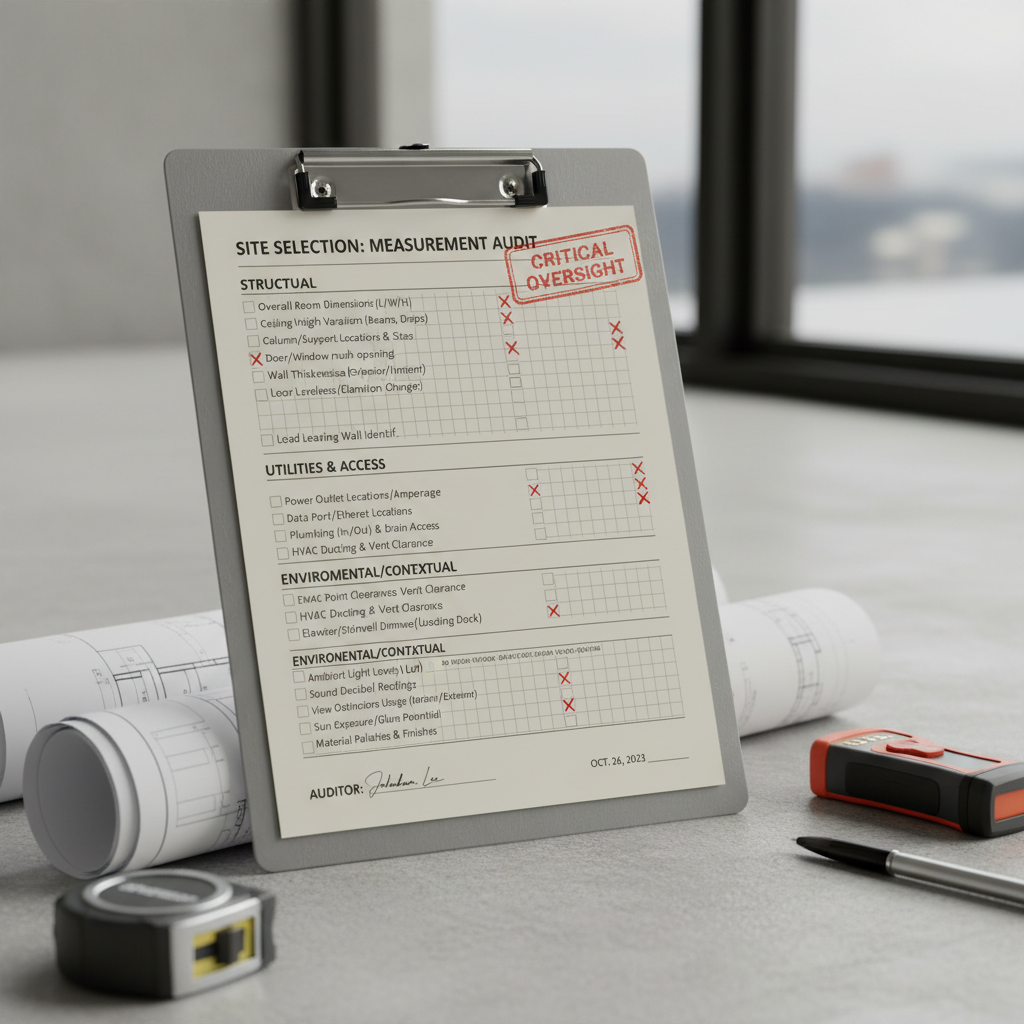
Quick Site Assessment Checklist You can Use on the First Visit

Here is an actionable checklist that I have refined through repeated site visits. Print or save the list to your phone and complete it on the first walkthrough:
- Record exact coordinates and submit to your mapping app.
- Measure and average facing degree (three readings, different times).
- Photograph north, south, east, and west views from the entrance.
- Note water presence and movement within 50 meters.
- Observe pedestrian and vehicle flow for 30 minutes at peak time.
- Assess noise levels and potential sources of disruptive energy.
- Identify any sharp corners, alleys, or empty lots that channel flow.
- Sketch a simple 3×3 grid over the property and label which entrance maps to which palace.
- Collect building plans if available, noting internal circulation and emergency exits.
Completing this checklist takes 30 to 90 minutes depending on access. The disciplined collection of these data points makes your subsequent Qi Men charting rapid and defensible.
Section 3: Tools, Calculations, and a Step-by-step Workflow
Essential Tools and Software
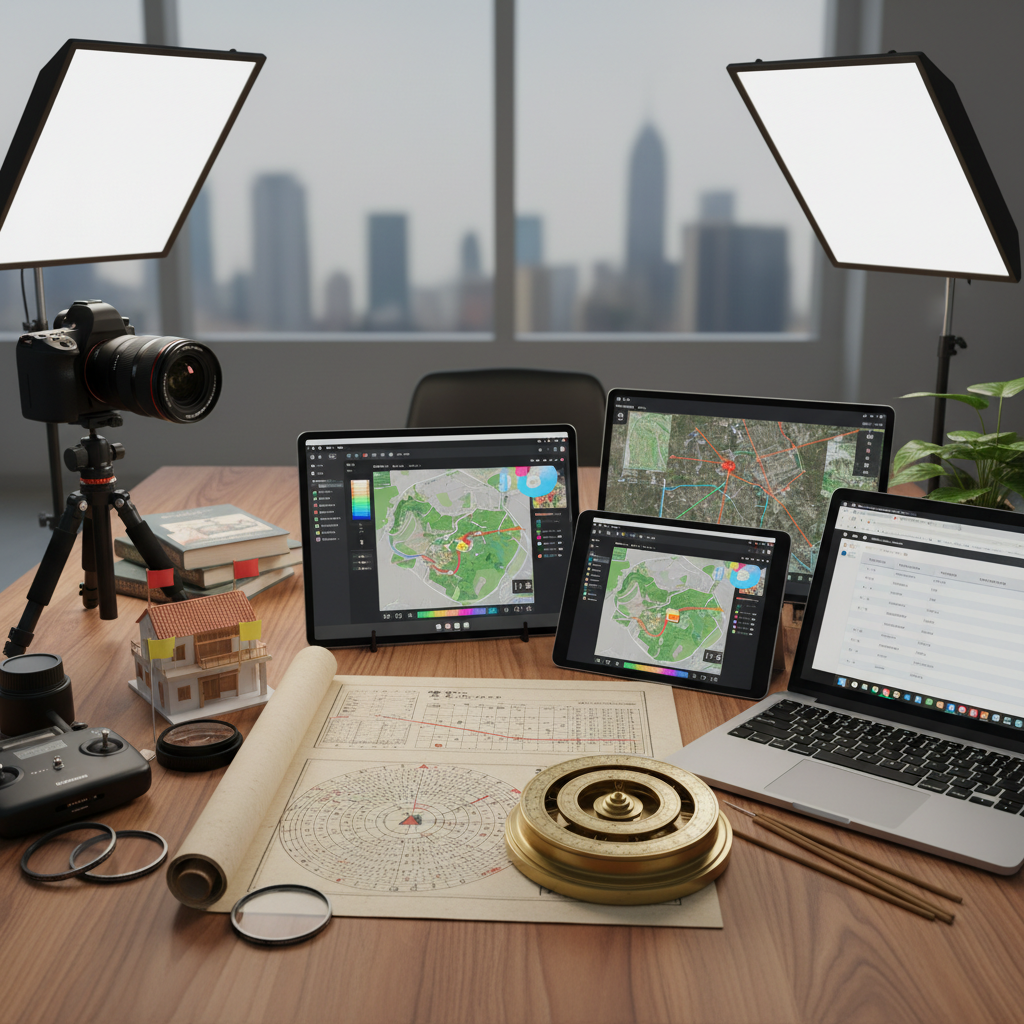
You do not need an expensive kit to start, but certain tools significantly speed up the process and reduce error:
- Smartphone GPS with map app (Google Maps or equivalent) for coordinates.
- Digital compass app that can lock calibration; test with a physical compass when possible.
- Basic protractor or digital angle tool for façade measurements.
- Qi Men Dun Jia software or charting app if you prefer automation; many apps allow you to enter coordinates and time and will produce the plate. However, I recommend learning manual plate casting at least once to understand underlying logic.
- Spreadsheet template or site diary to log environmental readings, photos, and chart results, so you can track outcomes over months.
If you plan to work professionally, consider investing in a dedicated Qi Men suite that supports different schools and gives you the ability to change calculation rules, because various lineages use slightly different palace and angle conventions.
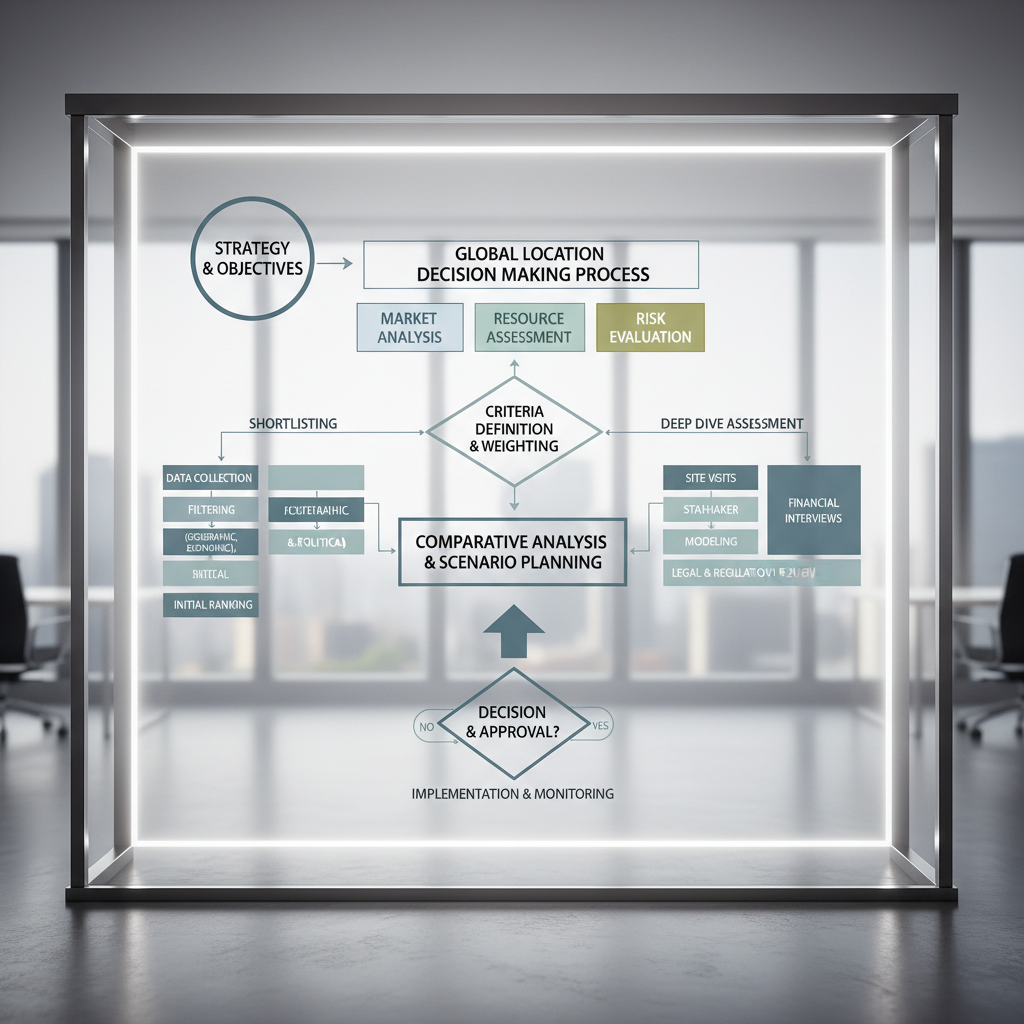
Step-by-step Workflow for a Location Decision
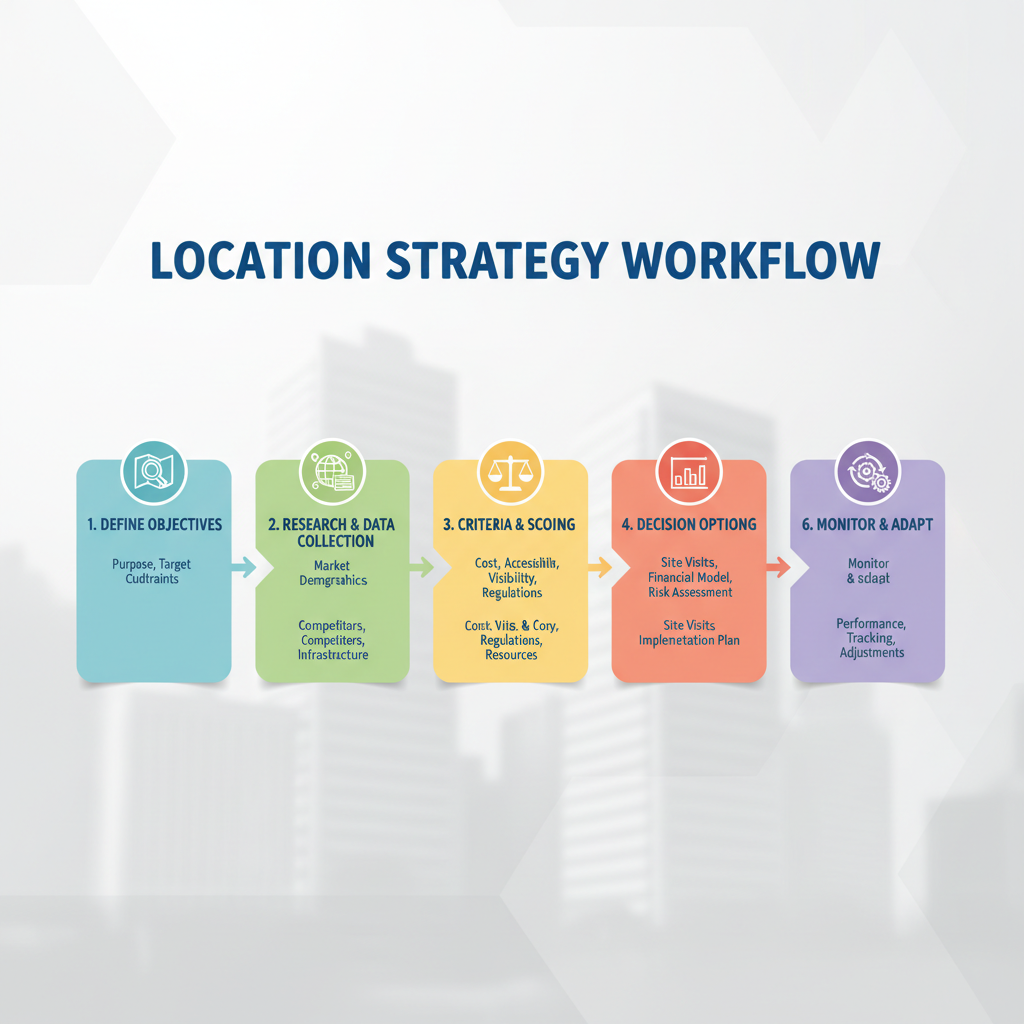
Below is a practical workflow you can follow for most projects. I use this template for both residential and small commercial selections:
- Step 1: Define objectives, for example: increase foot traffic, reduce disputes, improve sales conversion, or secure stable income. Be specific, and rank goals by priority.
- Step 2: Gather site data, using the checklist in the previous section. Record coordinates, facing, photographs, and immediate observations.
- Step 3: Choose candidate inauguration times, usually a shortlist of 3 to 5 dates and hours that work for stakeholders. Qi Men charts are hourly, so pick multiple windows to compare outcomes.
- Step 4: Cast Qi Men charts for each candidate date and time, aligning the palace grid with the measured facing. If you are learning manual casting, follow your lineage rules; if using software, verify the result by cross-checking one example manually.
- Step 5: Interpret using the palace that coincides with the main entrance and the palaces that coincide with high-traffic internal areas. Look for gates that correspond to your objective, complementary stars, and moderating deities. If the main palace has a favorable gate and star on at least two of your candidate times, that date-time pair becomes a frontrunner.
- Step 6: Combine with environmental reading – do not accept a favorable chart if the physical site has a glaring infrastructure risk unless you can mitigate it. For example, a favorable “wealth” star at the entrance may still be undermined by a heavy drainage issue that causes regular closures; in such a case, prioritize mitigation or a different site.
- Step 7: Implement mitigation for minor negatives: reorient signage, add water features, adjust lighting, or schedule ceremonies during the auspicious hour. For structural negatives, negotiate concessions with landlords or choose another candidate.
- Step 8: Monitor and record outcomes after move-in or opening for at least 3 months. Track customer counts, revenue, dispute incidents, and subjective wellbeing to refine your understanding of how the chosen configuration performs.
Example Case: Choosing a Small Café – from Data to Decision

To make this concrete, here is a distilled example from an actual client scenario, adjusted to anonymize specifics. We were choosing between two adjacent ground-floor units in a neighborhood with mixed residential and daytime office traffic. The client’s objective was to maximize morning and lunchtime foot traffic and establish a calm in-house environment for patrons.
Data we collected:
- Unit Alpha coordinates: 31.2200 N, 121.4500 E; facing 110 degrees (southeast).
- Unit Beta coordinates: 31.2202 N, 121.4505 E; facing 160 degrees (south-southeast).
- Both units had similar rents; Alpha had a small water planter to the left of the entrance and direct line of sight to a pedestrian path. Beta faced a parking lane and a busy crosswalk that created intermittent congestion.
- Client shortlisted three potential opening hours across two days based on business convenience: morning 08:00, mid-morning 10:00, and noon 12:00.
We cast Qi Men plates for all three hours for each unit. The decisive factors were:
- Alpha, facing 110 degrees, showed an Open Gate with a favorable wealth-related star at the 08:00 chart. The deity present moderated outgoing risk, indicating steady incoming traffic. Environmental reading matched: left-side planter and the pedestrian path suggested incoming flow.
- Beta, facing 160 degrees, had conflicting signals at 08:00 and 10:00; a strong communication star appeared but was paired with a dispute gate that suggested noisy interruptions. At 12:00 Beta briefly showed a favorable gate but environmental congestion at the entrance made practical access more difficult.
Decision and mitigation:
- We recommended Unit Alpha and the 08:00 opening. The client added a small, flowing water feature to the left side of the entrance to reinforce incoming energy, placed shaded seating to create a calm interior for patrons, and adjusted signage to face the primary pedestrian approach.
- Within two months the client reported a measurable increase in morning foot traffic and improved customer dwell time. The interventions were modest and low cost, demonstrating how orientation and timing can be leveraged without major construction.
Interpreting Mixed Charts and Managing Trade-offs

Not every location yields a perfectly clean, all-positive chart. Most real-world sites show a mix of favorable and challenging palaces. When interpreting mixed results, use a rule-based approach:
- Prioritize the palace that controls the main entrance and primary customer flow; if it is mildly favorable on your top date, that typically outweighs an adverse back palace unless the negative is severe.
- If a primary palace is unfavorable, look for mitigation options such as scheduling a different opening hour, adding a water element, or changing the customer approach path to shift which palace acts as the main portal.
- Quantify rather than speculate: assign weighted scores to factors like gate favorability, star strength, structural risk, and cost of mitigation. A simple 0 to 5 scoring system for each factor helps make objective decisions across candidate sites.
Actionable matrix idea: create a 4-column table with the following columns: (1) Site, (2) Gate/Star favorability score, (3) Environmental risk score, and (4) Estimated mitigation cost. Sum columns 2 and 3 and subtract column 4; the highest remaining score points to the recommended site. This converts qualitative Qi Men reading into a practical decision metric.
Principles and Tools for Site Assessment

Before we choose a site using metaphysical methods, we have to be practical. The foundation of accurate assessment is method plus observation. In my experience working with clients, the most reliable results come from combining traditional instruments, a clear understanding of the nine palaces, and direct field observation. Below I outline the core principles and the tools I use when evaluating any location for Qi Men Dun Jia purposes.
Understand the Structural Logic: Palaces, Doors, Stars

Qi Men Dun Jia works with an interplay of palaces, doors, stars, and stems. For location work that translates into spatial sectors around a property, each carrying different energetic qualities depending on time and configuration. We map the property into palaces, each representing a directional sector that we then read according to the current chart. Practically, that means:
- Divide the site into eight or nine sectors depending on your system of choice, then align those sectors with magnetic north to maintain consistency.
- Record which palace aligns with the main entrance, the most used rooms, and any dominant external feature like a road, hill, or water source.
- Note the door and star combinations that will be active during the intended time frame: daily, monthly, and yearly cycles all influence availability of certain energies.
This structured mapping turns an abstract divination into a reproducible assessment, which allows you to compare two candidate locations objectively.
Essential Measurement Tools and How to Use Them
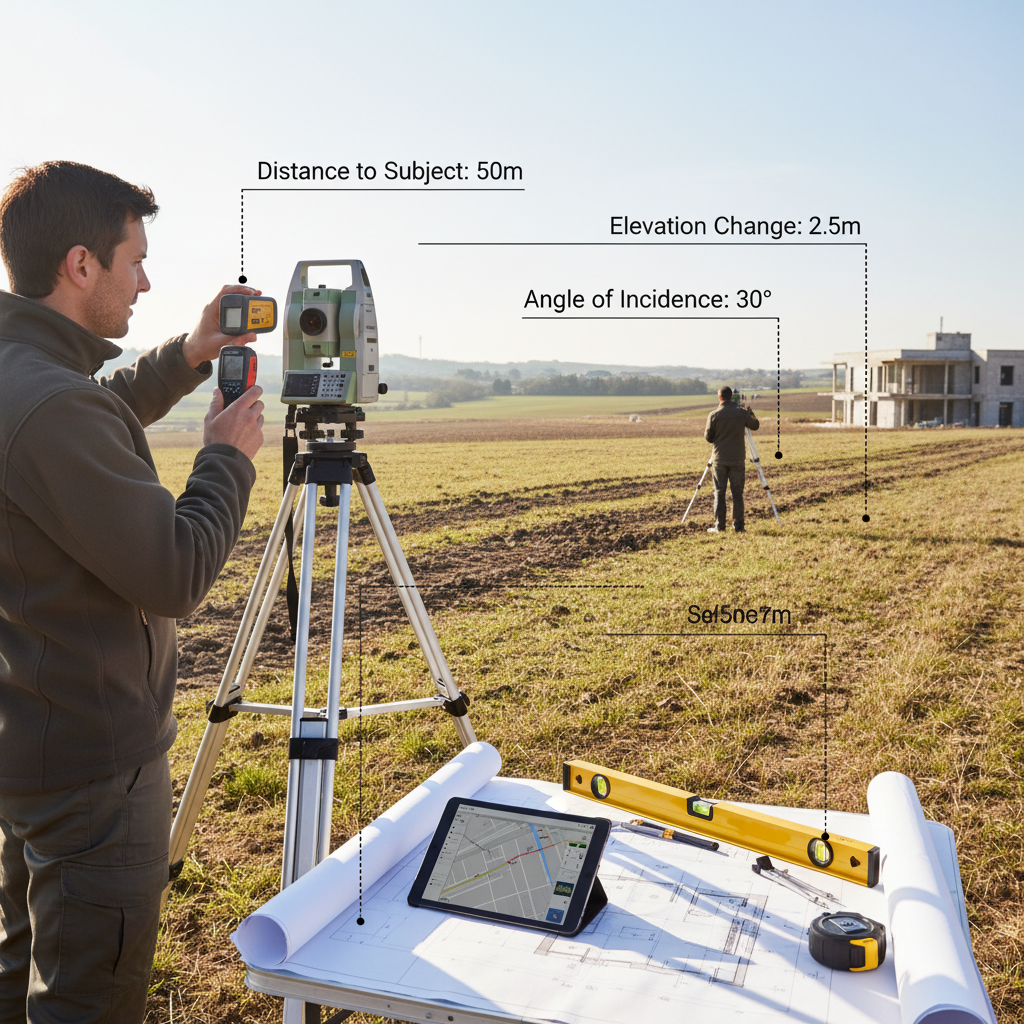
There are three items I never leave the office without: a reliable magnetic compass (preferably a luopan if you read Chinese cosmological markers, or a high-quality digital compass), a laser distance meter, and a notebook or tablet for sketches and photos. Here is how to use each tool in practice:
- Compass: Take at least three readings at different points around the property, including the front door, the center of the building, and the rear yard. Average them if they differ by more than a few degrees, and always correct for magnetic declination when converting to true north for mapping purposes.
- Laser distance meter: Measure setbacks to roads, nearby structures, and significant landscape features. Distances matter because airflow, sound, and sight lines change with distance, which in turn affects the perceived quality of qi.
- Photos and sketches: Photograph from the center of each palace sector and sketch lines of sight. Annotate images to show cardinal directions and key measurements. Visual records are essential when presenting options to clients or comparing multiple properties.
Environmental Observation and Empirical Data

Beyond instruments, direct sensory observation provides data no tool can capture alone. Spend time at the site at different times of day and note the following:
- Air movement: Where does wind funnel? Where is it stagnant? Use a small flag or stream of smoke to visualize airflow.
- Light cycles: How does sunlight move across the main living and working areas? Quantify hours of direct sunlight for at least four representative points and record shading patterns from adjacent buildings or trees.
- Sound and smell: Listen for traffic noise levels and record any persistent odors. These are often proxies for energy contamination, which can counteract favorable palace combinations.
- Human traffic and movement: Count foot traffic and vehicle flow for an hour if possible. Heavy, close traffic correlates with aggressive qi; distant, steady movement correlates with supportive qi.
Compile these observations into a site assessment, and assign ratings (for example 1 to 5) for air quality, light, noise, and movement patterns. This makes the subtle aspects of a site visible and comparable when choosing between locations.
Practical Steps for Choosing a Location
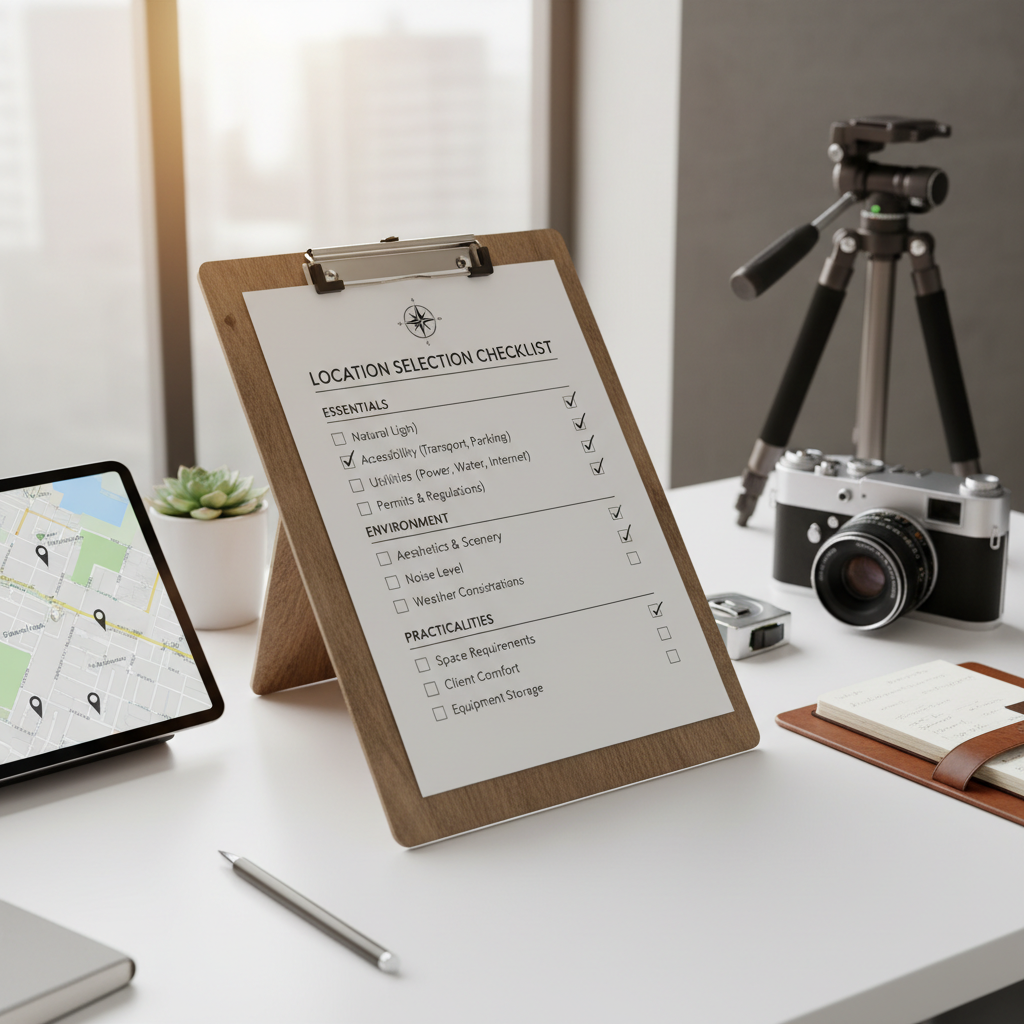
Choosing a site is both art and science. We need to be deliberate, repeatable, and flexible. Below is a step-by-step practical workflow I follow, with concrete tasks you can replicate. If you follow the sequence, you create an evidence-based selection process that respects both the metaphysical components and the real-world constraints.
Step 1: Clarify Intent, Time Frame, and Priorities

Begin by clarifying what the site must achieve. Are you selecting a family home, a retail shop, or a corporate office? Is the objective short-term profit, long-term stability, health, or reputation? In Qi Men Dun Jia terms, different doors and stars are favorable for different intentions, and the time factor alters which palace will be auspicious.
- Make a prioritized list of objectives. For example: top priority is financial stability, second is family health, third is business exposure.
- Define the time window: immediate (next 6 months), medium (1 – 3 years), or long term (5+ years). We always align our selection with the most relevant chart cycles for that window.
- Decide non-negotiables: budget caps, minimum square footage, zoning constraints, and commuting limits. These practical boundaries ensure metaphysical choices are realistic.
Step 2: Preliminary Screening Using Palaces and Compass Readings

With priorities set, do a rapid screening of candidate sites. For each property:
- Stand at the center and take a magnetic compass reading. Mark the direction of the main door relative to north.
- Overlay a palace grid. If you use eight palaces, each sector covers 45 degrees; if nine palaces, adjust accordingly. Note which palace houses the main entrance, the central axis, and the primary function room.
- Use a quick scoring rubric: for each site assign scores for alignment with desired palaces, external obstruction, and accessibility. A score of 3 or higher on a 5 point scale indicates worth further investigation.
This preliminary pass filters out properties that are misaligned at a basic level, saving time on in-depth analysis.
Step 3: Deep Site Analysis, External Factors

For properties that pass the initial screen, do a comprehensive external assessment. This includes:
- Road and intersection analysis: Measure the distance to the nearest major road. In many practical traditions, a main road within 6 to 10 meters of the entrance can produce aggressive qi, while a road beyond 12 meters tends to be less disruptive. Note the angle at which the road approaches the property; a direct line toward the front door can be aggressive, while an oblique approach tends to be milder.
- Waters and drainage: Map any water features. Flowing water that approaches a site and slows, such as a meander in a stream, is traditionally favorable. Stagnant water, or drainage where runoff concentrates onto a property, is a red flag. Use your laser meter to record distances from natural water to the site edge.
- Topography and elevation: Sites at the base of a slope that channels runoff onto the site are riskier. Conversely, sites with a gentle slope away from the entrance tend to have better drainage and clearer qi. Measure relative elevation differences between the front and rear of the property in meters.
- Neighboring structures: Tall buildings that block sunlight or create wind tunnels alter qi flow. Record the height and distance of dominant neighboring structures and calculate sightline angles; if a neighbor’s building subtends more than 15 degrees above the horizon from the main living area, it will materially affect light and airflow.
Document each factor numerically where possible. Quantitative data makes the energetic analysis credible to planners and clients who prefer measurable inputs.
Step 4: Internal Layout Analysis and Micro-palace Mapping

Once the exterior is acceptable, analyze the interior. That includes micro-palace mapping, furniture layout, and door orientation. Steps I follow are:
- Identify the center point of the property and map interior palaces from that center. Note which internal rooms lie in auspicious palaces according to the chart for your intended time frame.
- Measure the main entrance to interior key points: primary bed, main work desk, and cash register or main counter for businesses. These distances matter because they determine which palace influences the occupant most directly.
- Check line of sight from entrance to key areas. Direct sight lines from the front door to a workspace or bed can make energy unstable. If unavoidable, plan mitigations such as a screen, plant placement, or a transitional foyer.
- Assess natural light and ventilation in each palace. Assign a rating for sun exposure and air movement. Rooms with poor light and no cross-ventilation score lower, even if they sit in an auspicious palace.
Practical mitigation options like repositioning a desk, installing a glass partition, or adding a small water feature can change how we interpret the palace influence; include those modifications in your final site recommendation.
Step 5: Test and Validate with a Trial Set-up

Whenever possible, set up a temporary configuration before committing financially. For homeowners that might be a staged living arrangement; for businesses it can be a short-term lease. The steps to validate include:
- Place a small altar or representative item in the palace designated as beneficial by the chart and observe effects for at least 30 days. Track measurable outcomes such as sales figures, sleep quality, or absenteeism.
- Implement low-cost environmental adjustments and record any changes. For example, move the main desk 1.5 to 2 meters toward the palace center and monitor productivity metrics.
- Survey occupants weekly with a simple questionnaire: energy levels, concentration, mood, and sleep quality. Quantify responses using a 1 to 10 scale to allow comparison before and after changes.
This empirical validation closes the loop. When clients see documented improvements in simple metrics, confidence in the method increases, and we can fine-tune long-term interventions.
Case Studies and Examples
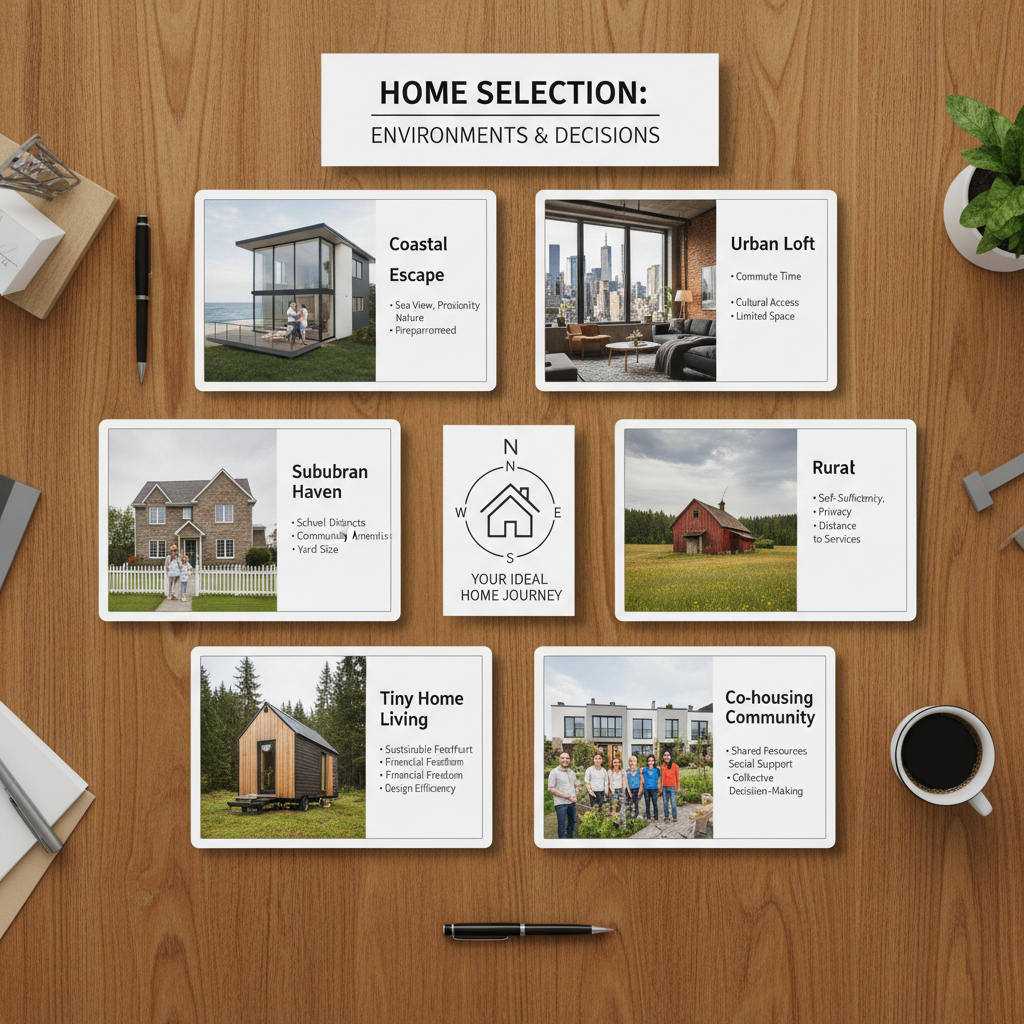
Real-world examples clarify how principles translate into choices. Below are three condensed case studies from my practice, each illustrating a different use case: residential, retail, and relocation for an office. I include the data we collected, the decisions we made, and the follow-up outcomes. These are anonymized but reflect common scenarios.
Case Study: Family Home Selection
Context: A family of four wanted to move closer to schools while improving health outcomes for a parent with chronic fatigue. They provided priorities: daytime natural light, bedroom in a stable palace, and low traffic noise.
Data collected: We evaluated three houses over two weekends. For each house we took compass readings at the center, measured setback to the nearest road, recorded direct sunlight hours in the main living area, and measured noise decibels between 7 AM and 9 AM.
- House A: Entrance faced 140 degrees (southeast), setback to road 8 meters, morning sunlight 3.5 hours, noise 62 dB.
- House B: Entrance faced 200 degrees (south-southwest), setback 15 meters, morning sunlight 4.5 hours, noise 48 dB.
- House C: Entrance faced 80 degrees (east), setback 6 meters, morning sunlight 2 hours, noise 55 dB.
Analysis and decision: Based on the family’s desire for low noise and stable bedroom placement, House B provided the best balance. Its entrance aligned with a palace that, according to the current monthly chart, accentuated restorative doors. We recommended a minor interior shift: place the master bed in the palace 3.5 meters from the center rather than against the exterior wall to reduce exposure to external noise. After six months the family reported improved sleep quality and the parent’s energy ratings increased from an average of 4 to 7 on our weekly surveys.
Case Study: Small Retail Store

Context: A boutique retailer sought a new storefront to increase foot traffic without sacrificing staff wellbeing. Key metrics to monitor included daily customer counts, conversion rate, and staff turnover.
Data collected: We assessed two storefronts located in the same block. Measurements included pedestrian counts during peak hours, sightline to the storefront from the sidewalk, and magnetic compass orientation of the main entry.
- Store X: Entry faced 350 degrees (north-northwest), pedestrian flow passing directly past the window averaged 220 people per hour, sightline to window obstructed by a lamppost.
- Store Y: Entry faced 30 degrees (north-northeast), pedestrian flow averaged 160 people per hour, unobstructed sightline and a visible corner location.
Analysis and decision: From a pure volume perspective, Store X offered more passersby. However, counting conversions over the first two weeks of a temporary lease showed Store Y had a 12 percent conversion compared to Store X’s 6 percent. Store Y’s corner visibility and favorable palace alignment during the seasonal chart improved attention, while Store X’s lamppost interruption diluted the entrance qi. The retailer chose Store Y and implemented internal layout tweaks to orient the register within the palace associated with success for the current month. Over three months revenue grew 18 percent compared to the same period in their previous location, and staff turnover decreased.
Case Study: Office Relocation for a Small Company

Context: A small consultancy with 15 employees wanted to relocate to a space that would enhance collaboration and client impression. They prioritized a strong reception area and a stable director’s office.
Data collected: We mapped three floors in the same building and took center-point compass readings, daylight hours on the reception desk, and noise levels at midday. We also evaluated the entrance palace relative to the building’s elevator and stair positions.
- Floor 4: Reception in a palace currently associated with communication doors, daylight 2.5 hours, noise 52 dB.
- Floor 7: Reception in a palace associated with authority doors, daylight 5 hours, noise 45 dB.
- Floor 12: Reception in a palace currently considered neutral, daylight 6 hours, noise 60 dB due to rooftop HVAC.
Analysis and decision: Floor 7 offered the best mix of authority presence for clients and comfortable noise levels. The director’s office naturally fell into a stable palace where we could place the desk facing the door at a subtle angle to avoid direct line-of-sight problems. After relocation, the company noted improved client feedback on office atmosphere and a slight uptick in proposal acceptance; staff also reported improved collaboration scores on internal surveys.
Common Mistakes and How to Avoid Them

Even experienced practitioners can make avoidable errors if they rush or ignore practical constraints. Below are the most common pitfalls I have seen in site selection projects, with specific actions you can take to avoid each one.
Mistake: Ignoring the Time Factor

Many people evaluate a site once and treat that reading as permanent. In Qi Men Dun Jia, time changes door and star relationships. A location that is auspicious in one month can be neutral or even unfavorable in another. To avoid this:
- Always run at least a monthly and yearly chart for the intended period of occupation. If your project spans multiple years, plan for adjustments based on predictable cycles.
- Prioritize reversible, low-cost interventions for short-term occupants. Major structural changes should only follow a robust, multi-cycle analysis.
Mistake: Overemphasizing Aesthetics and Ignoring Functionality
Beautiful architecture or interior fit-out does not guarantee favorable energetic alignment. I have worked on gorgeous properties that failed practical tests for ventilation or access. To balance aesthetics and function:
- Make a checklist that includes both energetic indicators and practical essentials: access, drainage, legal compliance, and safety.
- Use staged trials to assess how a space performs in daily use. Beautiful façades are secondary to how well a site supports the occupants’ routines.
Mistake: Misreading the Compass or Failing to Correct for Declination
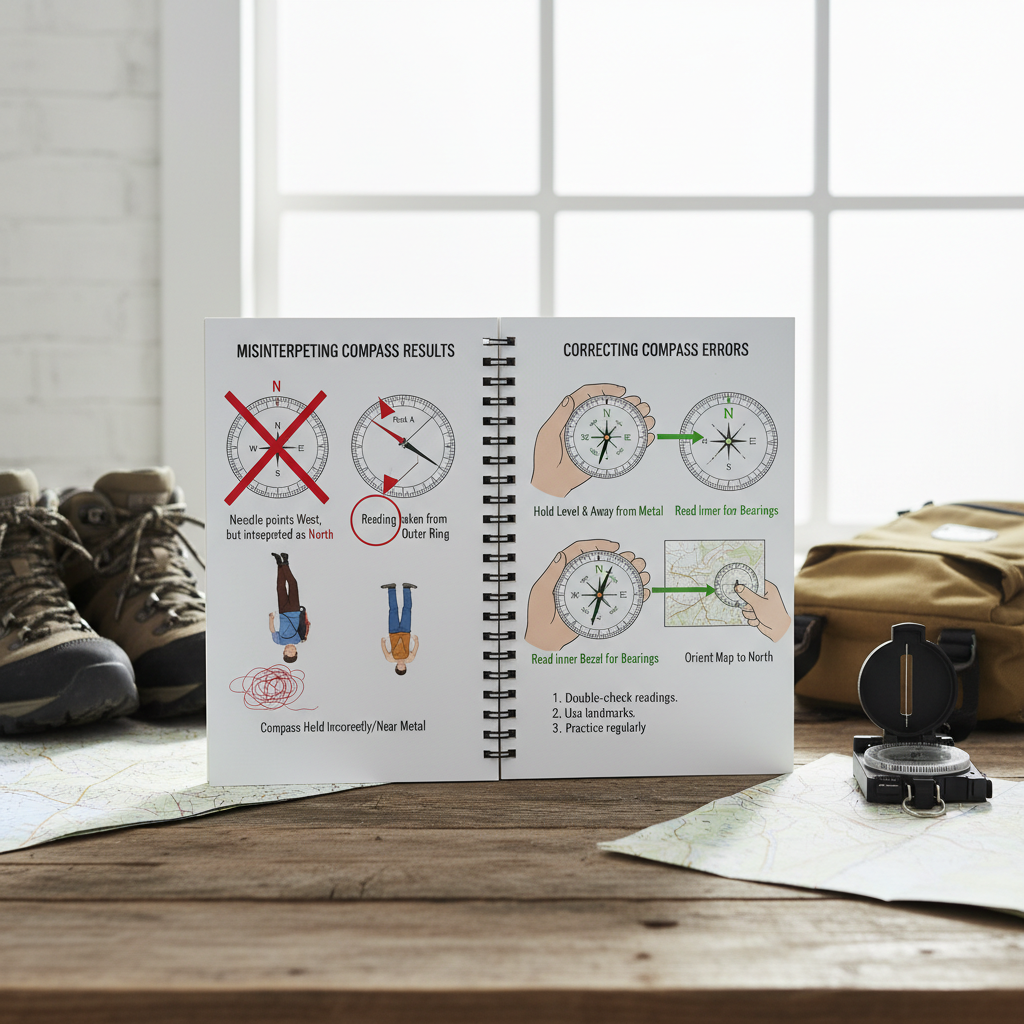
Magnetic declination varies by geography. If you take a compass reading and do not correct for local declination, your palace mapping will be off. To prevent this:
- Check the current magnetic declination from a reliable geodetic service or smartphone mapping apps and adjust your readings to true north.
- Take multiple readings at different times and average them; local metal or electrical systems can skew a single reading.
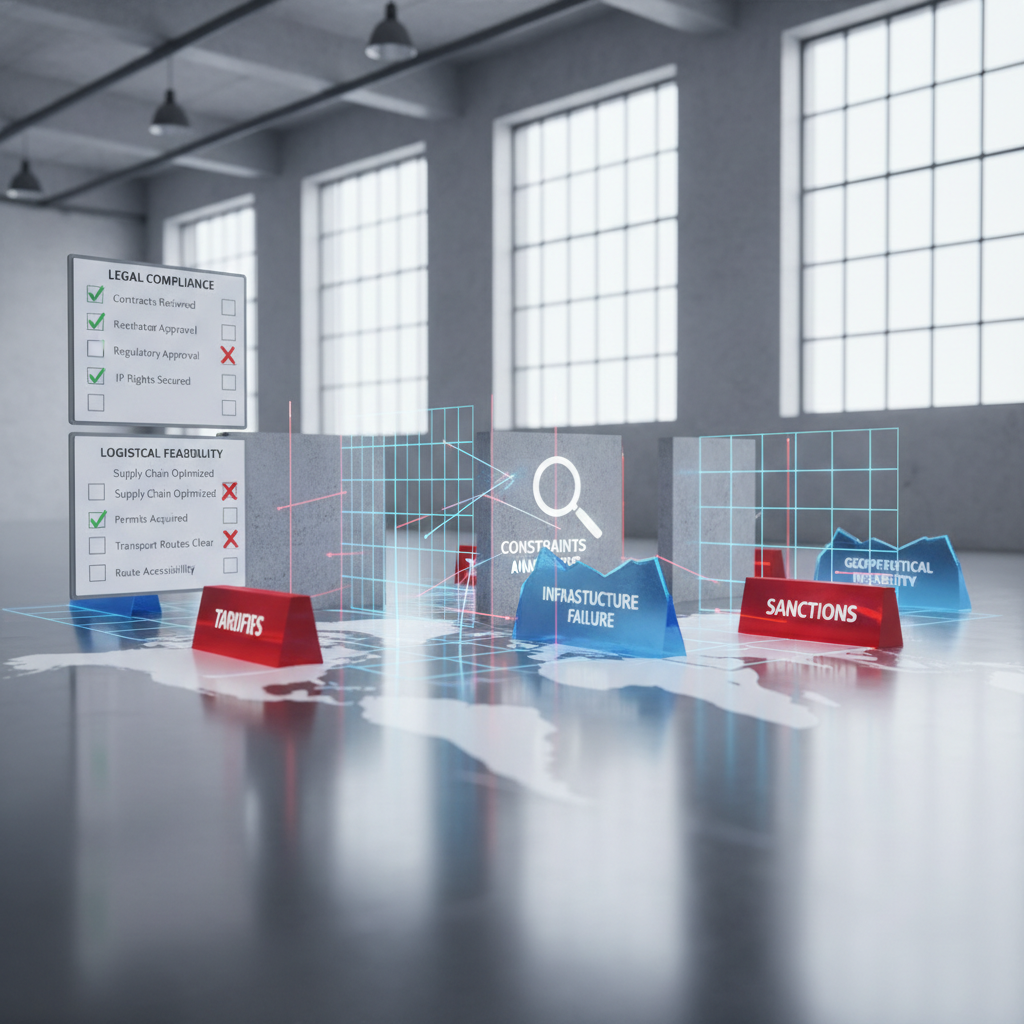
Mistake: Neglecting Legal, Financial, and Logistical Constraints

Sometimes a site is energetically ideal but impossible due to zoning, budget, or structural issues. I always include a “feasibility filter” before investing time in in-depth metaphysical work. This includes:
- Confirming zoning regulations and any special permits required, especially for commercial uses.
- Obtaining a basic structural assessment to ensure the building can support planned changes.
- Calculating total cost of occupation, including utilities and necessary modifications, to ensure the site is sustainable financially.
By filtering options through these practical lenses first, you avoid wasted time and align metaphysical recommendations with what is actually deliverable.
Mistake: One-size-fits-all Remedies

Applying the same fixes across different sites ignores nuances in local qi, topography, and occupant needs. For example, placing a water feature in a palace that is favorable for wealth in one chart could be counterproductive if that palace is affected by negative external qi. To avoid blanket remedies:
- Tailor interventions to the specific palace configuration and the occupants’ priorities.
- Prefer reversible changes during testing phases, and document results so you can refine strategies logically.
When we approach location selection with both rigor and humility, the process becomes repeatable and actionable. Use the tools, gather data, test changes, and respect practical constraints. That way, your choices will be both spiritually aligned and materially sound.
Putting Theory into Practice: a Step-by-step Location Selection Process

When you move from theory to practice, the details matter. I recommend a methodical approach we can all follow, whether you are choosing a site for an office, shop, or home. Below is a step-by-step workflow that blends classical techniques with modern measurement tools, giving you actionable checkpoints and simple tests you can run on the site.
Step 1: Collect the Essentials – Date, Time, and Facing Direction

The two pieces of information you must not skip are the precise date and time of the selection decision, and the building’s facing direction. Qi Men Dun Jia calculations are time-sensitive. If you are evaluating an existing building, record the current date and time before doing any measurements, and if you are planning a move or opening date, set that future date as the reference.
To measure facing direction, use a reliable compass or a smartphone app that shows true north. Magnetic compasses show magnetic north, so check local magnetic declination (many online charts provide this per city). For example, if your compass shows 150 degrees and local declination is +6 degrees, add that to get a true bearing of 156 degrees. Accuracy within 3 degrees is good for most applications; strive for within 1 degree for critical placements like a main entrance or altar.
Step 2: Map the Nine Palaces and Note the Doors and Stars Relative to Time
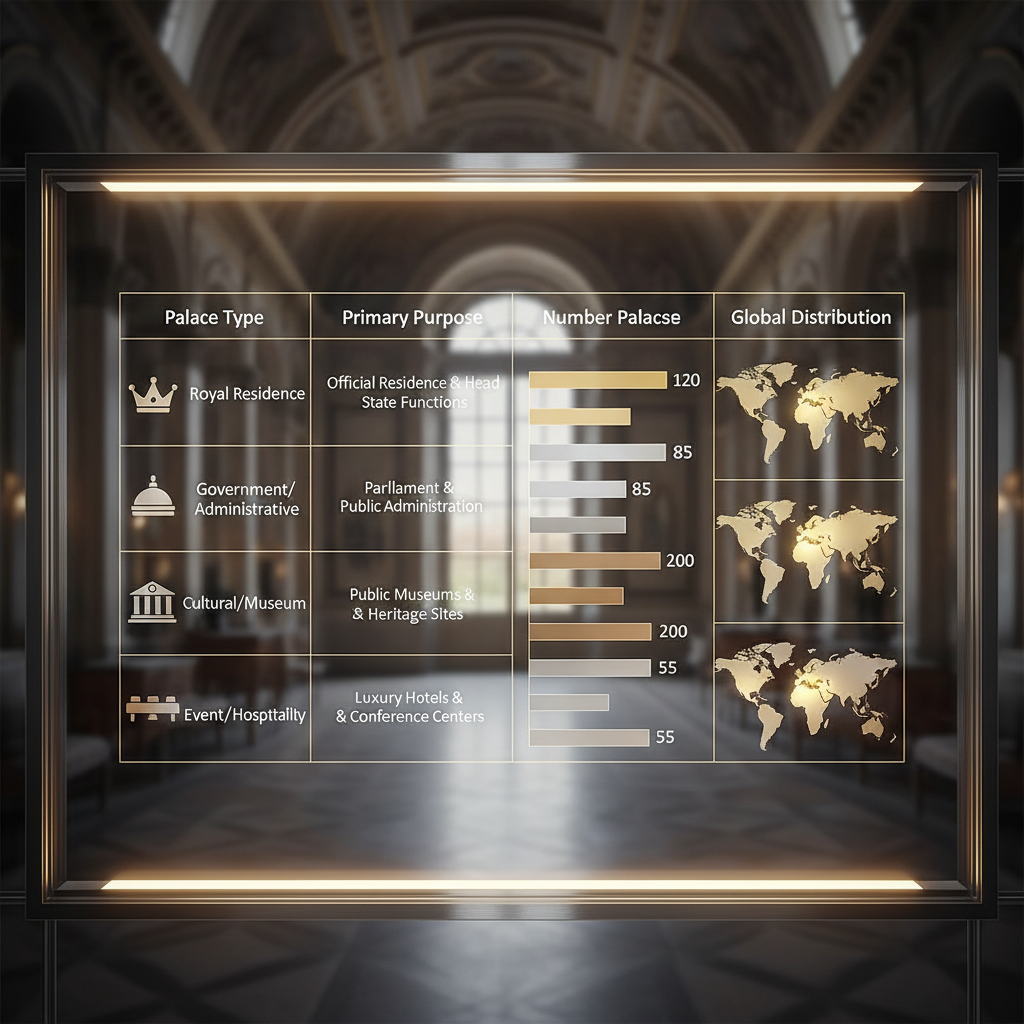
Lay a nine-palace grid over your floor plan or site map, centered on the approximate center of the property. Mark which palaces fall into compass sectors based on the facing direction. In Qi Men Dun Jia we pay attention to door locations, main sitting position, and key functional areas such as a cashier desk, reception, or master bedroom.
Next, use the time and date to determine the configuration of stars, doors, and deities for that moment. If you are new to the calculations, use a reputable Qi Men Dun Jia software or consult a Luo Pan practitioner for the initial mapping, then learn to read the results yourself. The goal is to identify which palaces are auspicious, which are neutral, and which to avoid for primary activities during your chosen timeframe.
Step 3: Rank Palaces by Purpose
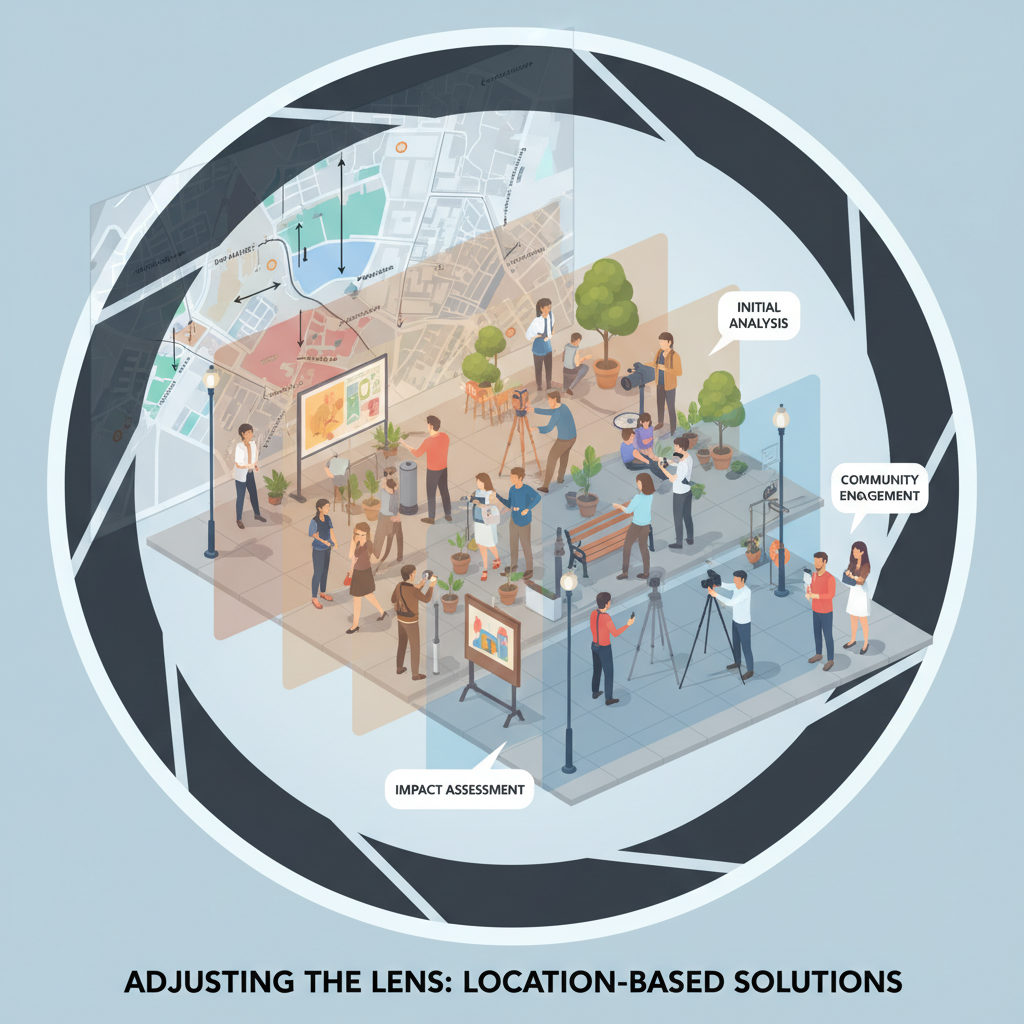
Decide what each area in the building will be used for, and match those functions to the palaces ranked most favorable in your time-based chart. For example, if the chart shows the Life Door with favorable stars in the Southeast palace at your opening time, that sector may be suited for the main entrance or commander position (for a retail shop, the sales counter; for an office, the manager’s desk).
- Primary activities (sales, meetings, sleeping) should go into the top two ranked palaces for the chosen time.
- Support activities (storage, secondary desks) can occupy neutral sectors.
- Avoid placing primary functions in palaces showing harmful combinations (conflicting doors, poisonous stars) unless modifications are possible.
Step 4: Implement Practical Adjustments

Not every building will align perfectly with the ideal chart, so prepare to make practical adjustments. Adjustments can be physical, operational, or temporal:
- Physical: change desk orientation, relocate the main entrance if feasible, or adjust the layout so the primary activity faces a favorable palace.
- Operational: schedule key meetings, launches, or opening ceremonies when the favorable palace is at peak influence, rather than trying to change the building.
- Temporal: pick a new opening date and time that produces a more auspicious configuration if you have flexibility.
For example, in a small retail store where the door placement cannot be altered, we moved the cashier counter 1.8 meters to align with a palace producing the Victory Door during the planned promotion. The physical shift was modest, but combined with a launch on a favorable hour, the store reported a measurable uplift in conversion in the following quarter.
Step 5: Test and Monitor

After making changes, track outcomes for at least 3 to 6 months. Use quantifiable metrics where possible: revenue, number of customers, conversion rate, productivity, absenteeism, or client acquisition. Collect baseline data before changes so you can compare. If the selected site or layout was recommended based on a particular date and time, note any events that coincide with peaks or troughs and adjust timing for future initiatives.
Case Studies and Real-world Examples

Real examples help bridge the gap between esoteric charts and everyday decisions. Here are three case studies drawn from practice, each showing how location selection decisions were made, executed, and measured.
Case Study 1: Urban Café – Improving Foot Traffic with a Layout Shift
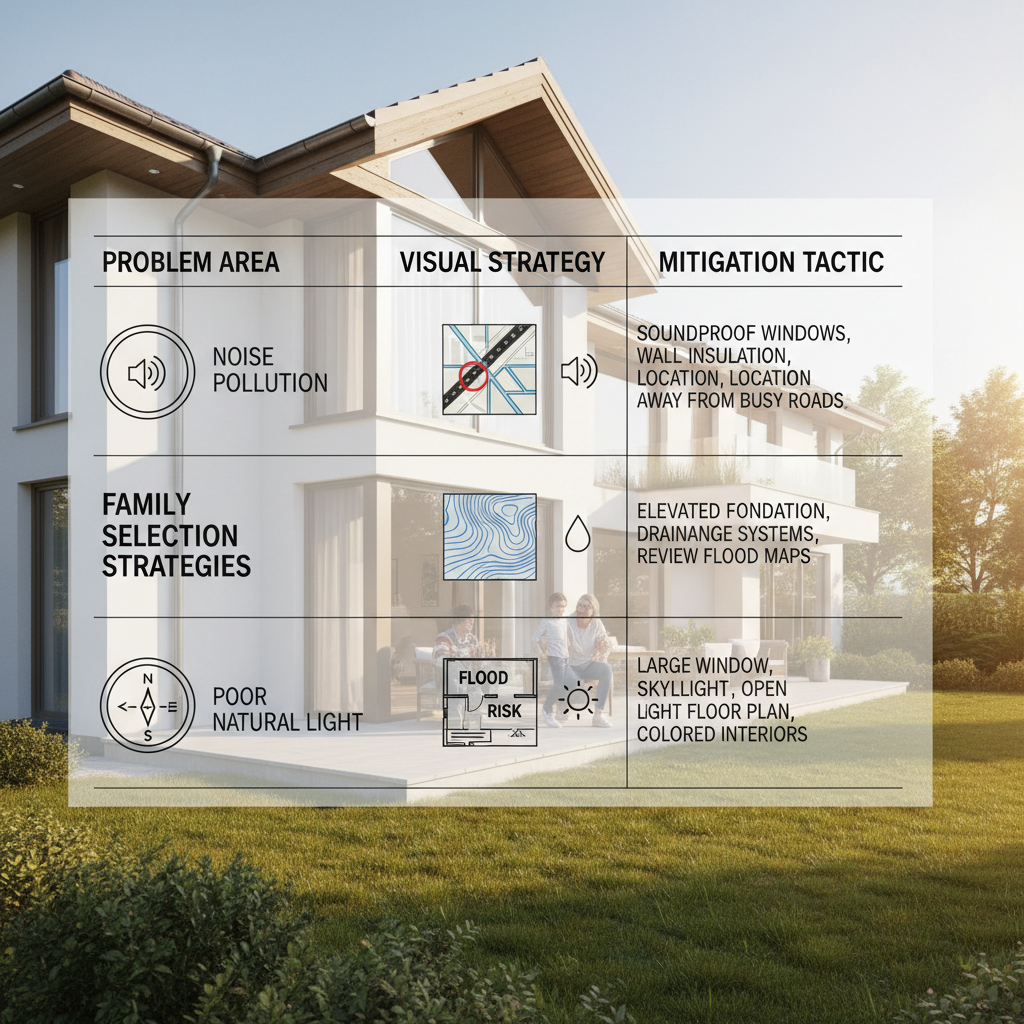
Background: A small café in a busy commercial strip had steady walk-in traffic but low conversion during weekday mornings. The owner wanted to increase morning sales without expensive advertising.
Process: We measured the café’s facing and overlaid the nine-palace grid. The chart for a planned weekday morning showed the Opening Gate and Life Door in separate palaces, but the cash register was located in a neutral palace. The recommended change was simple, and low cost: move the register four feet to align with the palace activated by the Life Door at the business’s top hours, and orient the service counter to face that palace.
Outcome: Over three months, morning sales increased by 18 percent, with average transaction size up 7 percent. Staff reported customers more likely to linger and order multiple items, possibly due to improved visibility and traffic flow created by the new layout. This was a low-risk, data-backed change demonstrating the practical value of spatial alignment.
Case Study 2: Startup Office – Timing a Launch for Recruitment Success
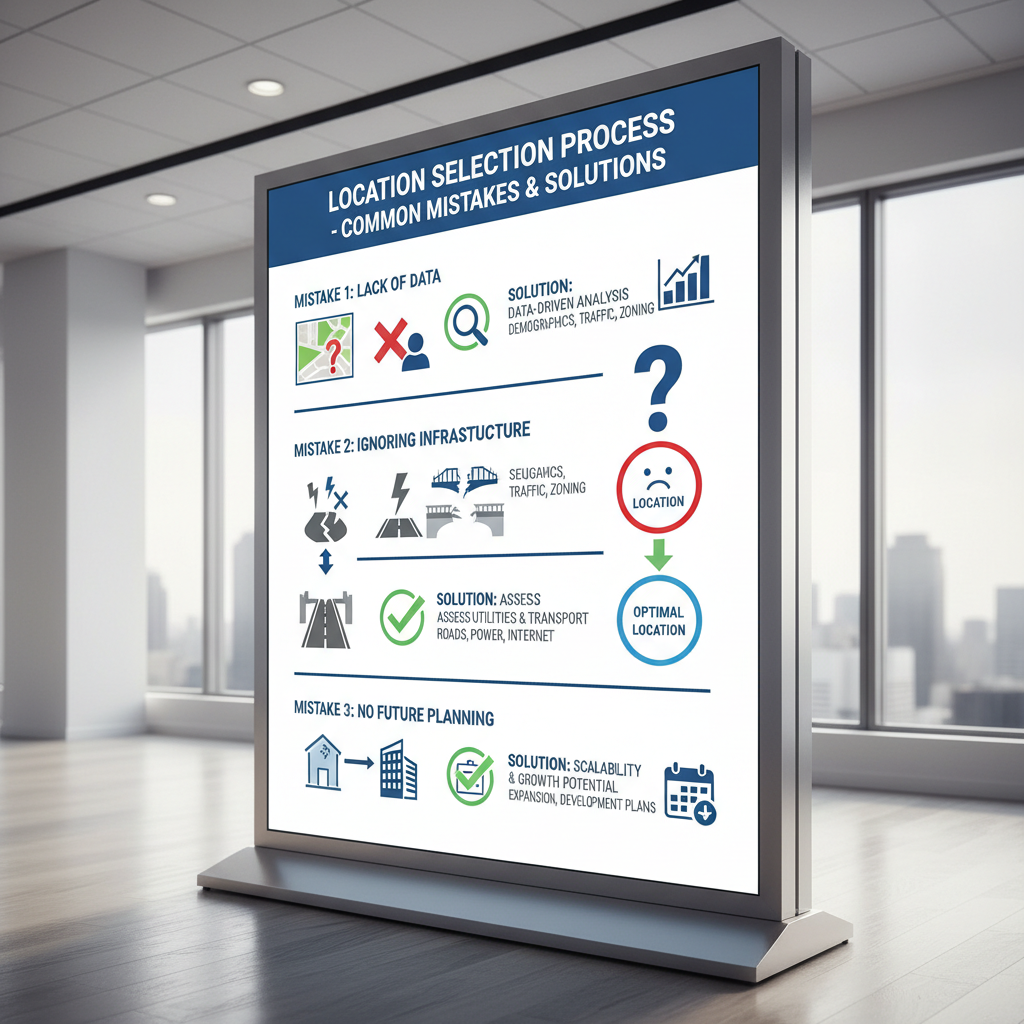
Background: A tech startup was hiring aggressively. Their preferred office space was fixed, but they had flexibility on the official opening and hiring start date.
Process: Using the company’s planned hiring month, we mapped the Qi Men chart over the office, identifying which palace had the auspicious Door and Deity for recruitment and morale building. The startup rescheduled its formal opening by five days to capture a more favorable configuration and arranged the interview room and founder’s desk to face the recommended palace.
Outcome: In the three months after opening, the company filled 85 percent of its open roles, versus a typical market fill rate of 60 percent for similar positions in that city. While many factors contributed, the aligned timing and seat placements were credited by leadership for better interviewer-interviewee dynamics and faster decision-making.
Case Study 3: Family Home – Mitigating a Problematic Sector
Background: A family buying a two-story home discovered the main bedroom sat in a palace that the chart identified as potentially stressful during the selected move-in month.
Process: Renovation to move the bedroom was not an option. Instead, the family applied a layered mitigation plan. They moved the master bed so the headboard faced a more supportive palace, introduced calming colors and soft lighting, and scheduled the formal move-in ceremony on a day when the chart’s doors were more favorable for health and harmony. They also avoided scheduling high-stress activities or renovations in that palace for 90 days after moving.
Outcome: Over the next six months, the family reported fewer sleep interruptions and a general improvement in household harmony. The approach combined spatial adjustments and timing strategies to reduce the negative influences identified in the chart.
Common Mistakes and How to Troubleshoot

Even experienced practitioners make errors, especially when mixing traditional methods with modern constraints. Below are the most common mistakes I see, with practical troubleshooting steps you can apply immediately.
Mistake 1: Skipping Accurate Measurements

Error: Relying on visual estimation instead of precise compass measurements. This commonly leads to placing key functions in the wrong palace.
Fix: Use a digital compass app and cross-check with a physical Luopan or quality handheld compass. Always correct for magnetic declination. Take measurements from the center of the building, and repeat at multiple times of day to ensure consistency. Where possible, confirm with architectural plans that show true orientation.
Mistake 2: Treating the Chart as Permanent

Error: Assuming a configuration is valid indefinitely. Qi Men Dun Jia is time-sensitive, so a palace favorable today may not be favorable in a different month or year.
Fix: Plan for key events by generating charts for the specific dates and hours of those events. For multi-year projects, create quarterly or annual charts to anticipate shifts and plan adjustments. If your business runs important campaigns, schedule them for favorable windows when practical.
Mistake 3: Over-modifying the Physical Space

Error: Making expensive structural changes without testing small adjustments first.
Fix: Try low-cost changes first: repositioning furniture, changing seating angles, using symbolic objects to mark auspicious palaces, or altering lighting. Measure the outcomes. If the minor changes produce measurable benefits, then consider larger investments such as door relocation or remodeling.
Mistake 4: Ignoring Human Factors
Error: Assuming spatial alignment solves all issues without considering staffing, management, or market dynamics.
Fix: Use Qi Men Dun Jia as one input among many. Combine selection and timing decisions with solid management practices, hiring strategies, and customer experience improvements. For example, aligning a sales counter to a favorable palace should be combined with staff training and a targeted marketing push for the best results.
Tools, Charts, and Resources

Practical tools reduce errors and speed up analysis. Below is a curated list of resources I use personally and recommend to clients, including low-cost options and professional-grade tools.
- Digital compasses and apps: Use apps that show true north after applying declination, such as Compass Pro or the built-in compass on modern smartphones with calibration. Validate with a physical compass where possible.
- Physical Luo Pan: For practitioners who prefer traditional instruments, a Luo Pan designed for Qi Men Dun Jia readings is ideal. Buy from reputable suppliers and learn basic reading techniques.
- Qi Men software: There are desktop and mobile programs that calculate charts by date, time, and location. Choose software that allows manual overrides and visualizes palace overlays on floor plans.
- Magnetic declination maps: National geological survey sites and NOAA provide up-to-date declination values. Use these to correct compass readings.
- Templates and floor plan overlays: PDF or SVG nine-palace templates that scale to your floor plan simplify mapping. Use architectural software or print scaled overlays to align precisely with your property plans.
- Measurement tools: Laser distance meters, spirit levels, and measuring tapes help ensure furniture and focal points are placed accurately within palaces.
Data tip: keep a log spreadsheet of dates, layouts, changes made, and results. Over time you will build internal analytics that reveal patterns tailored to your environment and business.
Frequently Asked Questions
Q1: How Often should I Recalculate a Location Chart?
Recalculate when you plan a major event (opening, launch, hiring drive), when you change the layout significantly, or at least yearly if the location is critical to outcomes. For time-sensitive campaigns, calculate for the specific day and hour. Many practitioners run monthly charts for ongoing operations to anticipate favorable windows.
Q2: can I Apply Location Selection to a Temporary Event Like a Pop-up Shop?

Yes, and doing so can be especially effective for short-term projects. For pop-ups, focus on selecting a favorable opening day and placing your primary revenue-generating asset (checkout, display) in the palace that will be auspicious for the event’s duration. Because the timeframe is short, timing often matters more than structural changes.
Q3: What If My Ideal Palace is Obstructed by a Load-bearing Wall or Immovable Feature?
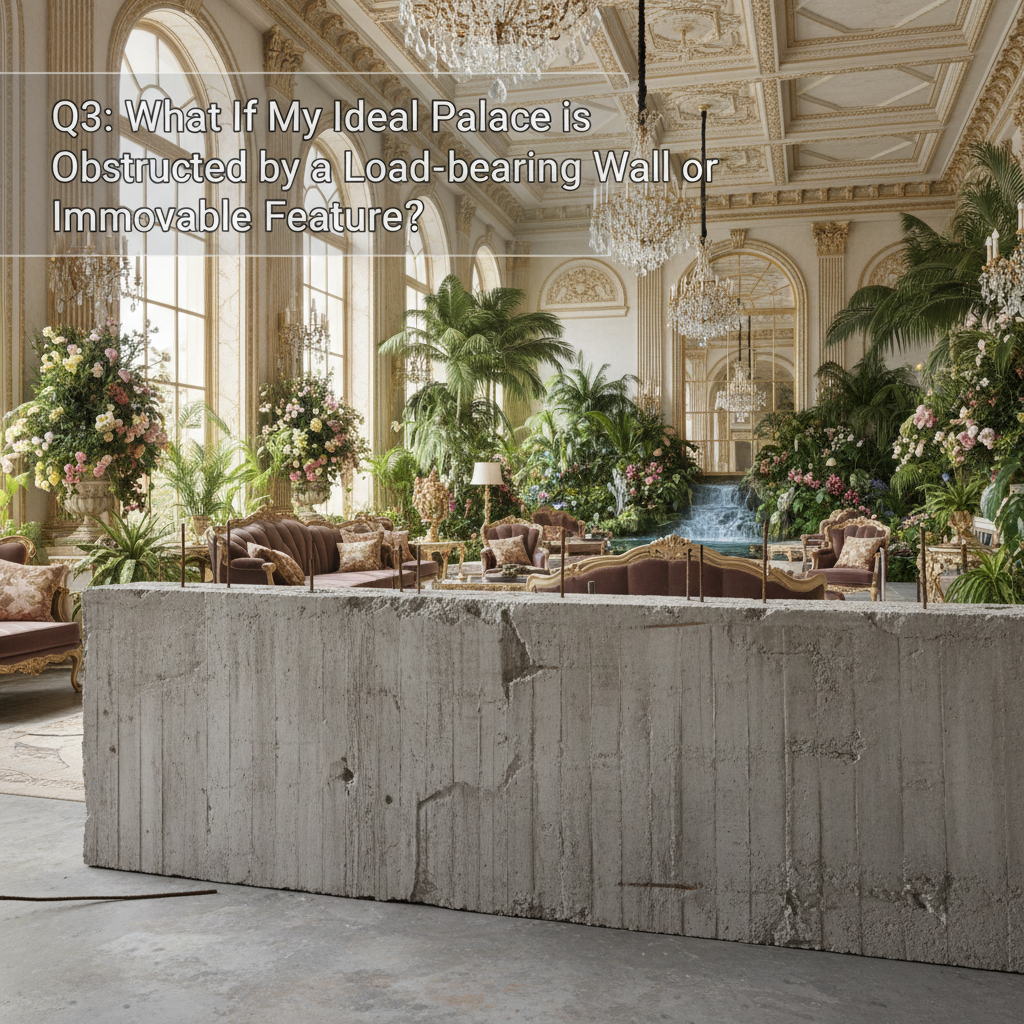
Start with non-invasive interventions: change the orientation of key furniture, use symbolic remedies such as plants or mirrors to encourage flow, and schedule activities that leverage other favorable palaces. If the obstruction is permanent and critical, consider choosing a more auspicious date for major events rather than reconstructing the building.
Q4: is the Method Compatible with Modern Architecture and Open-plan Offices?
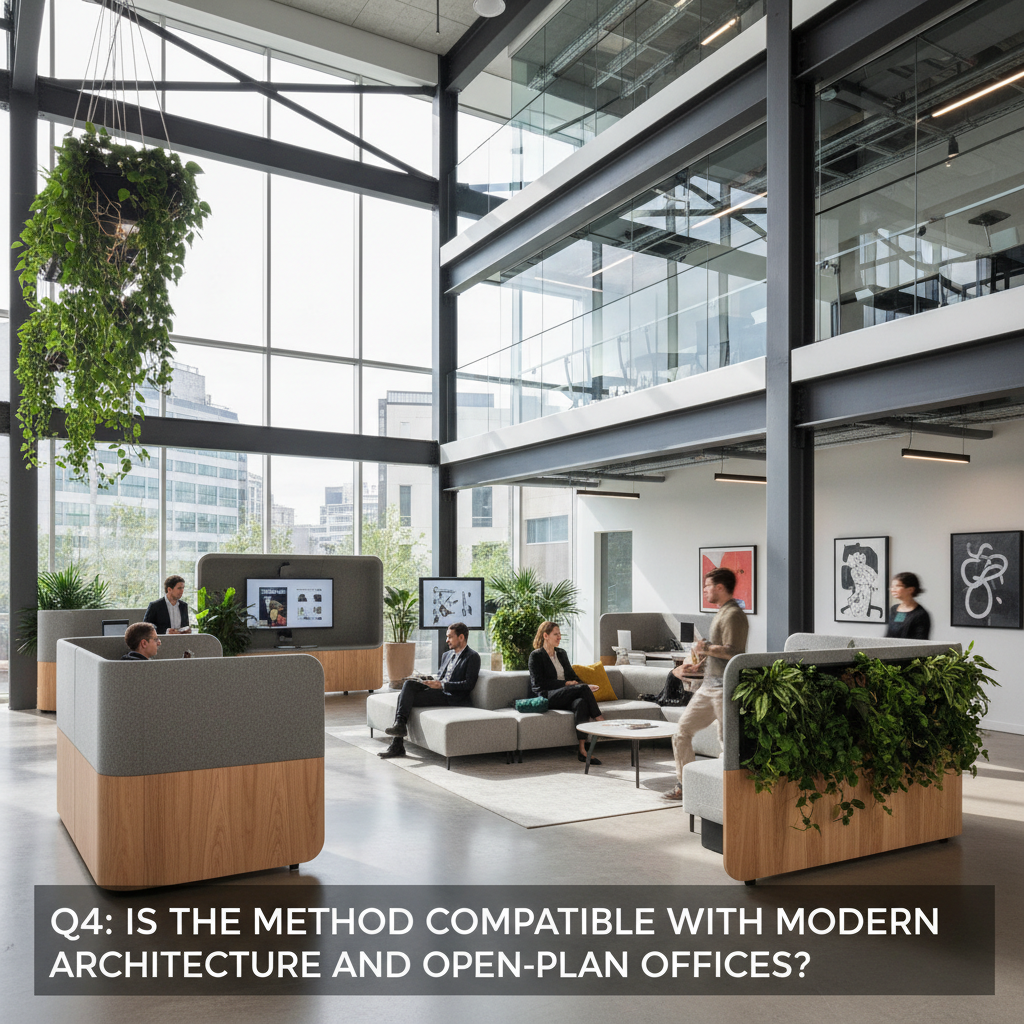
Absolutely. Open plans sometimes make it easier because you can orient desks and function zones within palaces without structural changes. Draw a scaled plan, divide it into nine palaces, and allocate functions accordingly. For wide open spaces, use furniture arrangements and subtle partitions to create effective palace boundaries.
Q5: How do I Factor in the Surrounding Environment, Like Traffic or Neighboring Buildings?

Qi Men Dun Jia location selection is primarily concerned with energetic and temporal mapping, but surrounding urban factors matter. Combine your palace analysis with practical site assessments: visibility, pedestrian flow, noise, sunlight, and access. Sometimes a less-energetically-ideal palace with superior foot traffic and parking will outperform an ideal palace with poor physical logistics. Balance both sets of data when making decisions.
Q6: can Small Businesses Afford to Apply These Methods, or is it Only for Large Companies?

Small businesses benefit greatly because many effective interventions are low cost: relocating a counter, changing opening date, or reorienting seating. These steps require minimal investment and can produce measurable returns. Larger companies may integrate the methods at a broader scale, for example aligning product launches or site selection for new branches.
Q7: is Formal Training Required to Use These Techniques?

Basic applications can be learned through short courses and reliable software, but complex readings and nuanced interpretations benefit from mentoring or working with an experienced practitioner. I suggest spending time learning how to read charts and testing small interventions before attempting major structural changes.
Conclusion

Qi Men Dun Jia location selection is a practical, time-tested approach that becomes most powerful when combined with careful measurement, realistic constraints, and ongoing monitoring. In real-world projects we often find that modest, well-timed adjustments produce disproportionate benefits, especially when they are supported by data and aligned with operational improvements.
Start simple: measure accurately, map the palaces, pick a clear priority for each space, and make low-cost changes first. Track the results using objective metrics, and if you need greater precision, consult software or an experienced practitioner for targeted charts. Over time, you will develop an intuitive sense of how spatial alignment and timing influence performance, relationships, and well-being.
Finally, remember that these methods are tools, not magic. They give you an additional edge when combined with good planning, capable teams, and consistent execution. Use them as part of a rational strategy, and you will likely see measurable, meaningful improvements in your projects and daily life.
Leave a Reply
You must be logged in to post a comment.