
The 10-Second Calm Observation Protocol for Executive Recruiting
Hiring the wrong senior leader costs more than the salary. It costs momentum, team trust, and sometimes the direction of an entire department. I have sat across the table from hundreds of candidates over the years, and the single most useful skill I developed was not a better list of interview questions. It was learning to observe before speaking.
Most interviewers start talking within the first five seconds. They introduce themselves, explain the role, ask the candidate to walk through their resume. By the time they pause to listen, the candidate has already adjusted their face, posture, and energy to match the situation. The most valuable data is gone.
The 10-Second Calm Observation Protocol is a structured framework that fixes this. You spend the first ten seconds of the encounter silently observing the candidate’s resting facial state before any words are exchanged. This guide walks through exactly how to do it and what to look for, in the context of reading a confident face for executive recruiting.
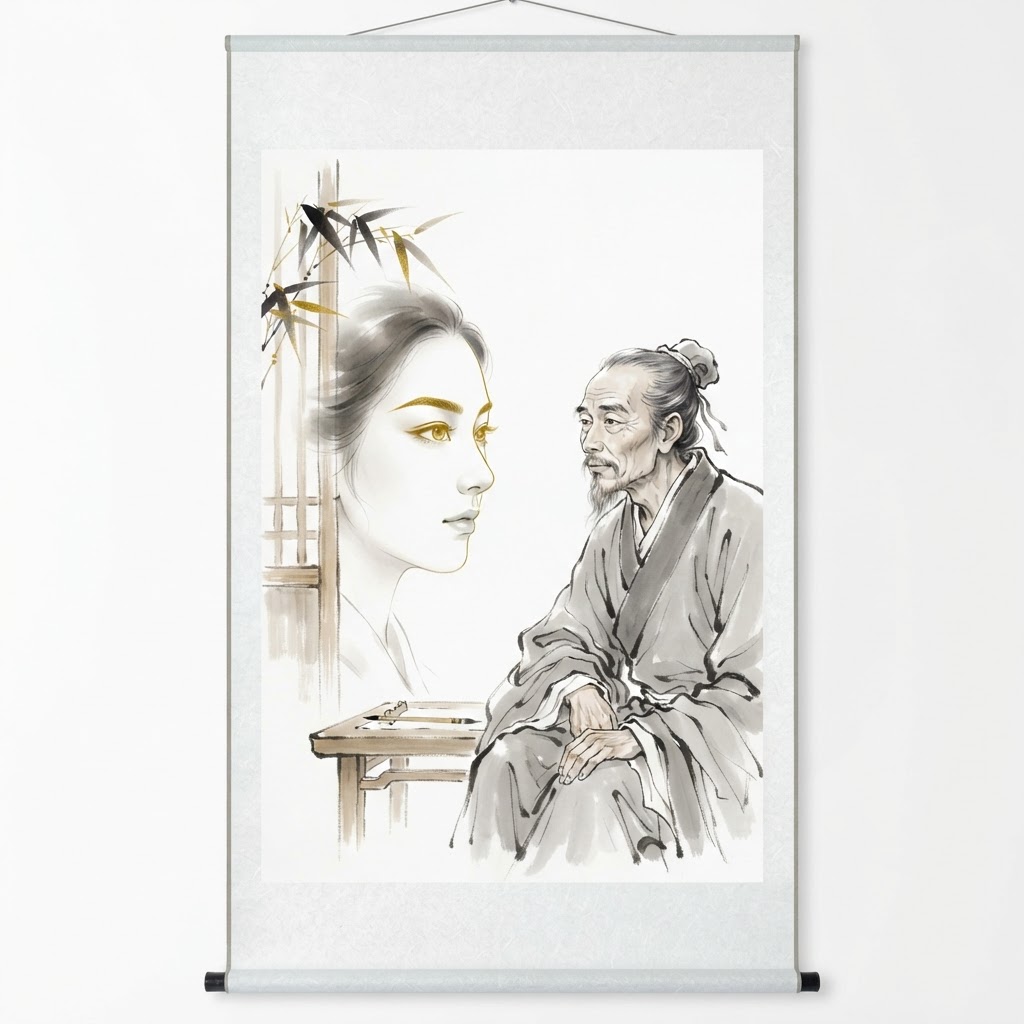
Why the First Ten Seconds Matter
When a candidate walks into the interview room, their face is in a transitional state. They have been in the hallway, the elevator, the waiting area. Their expression reflects whatever they were thinking a moment ago: anxiety about the interview, a phone call they just finished, adrenaline from navigating traffic to get there on time.
If you greet them immediately, that transitional expression vanishes behind a social mask. The smile appears, the posture straightens, the professional veneer locks into place. Everything you see after that point is curated.
But if you take ten seconds before speaking, you catch the unguarded face. The resting brow tension. The jaw set. The eye quality. These are the features that reveal genuine confidence rather than performed confidence, and they are the foundation of everything that follows in the interview.
| Time Window | What Is Happening | What You Observe |
|---|---|---|
| Seconds 1 to 3 | Candidate enters, finds their seat | Resting facial tension, eye scan pattern, posture settling speed |
| Seconds 4 to 6 | Candidate adjusts to the environment | Brow relaxation or tightening, jaw release, shoulder drop |
| Seconds 7 to 10 | Candidate waits for you to speak | Comfort with silence, micro-expression leakage, baseline established |
The Protocol: Step by Step
Step 1: Enter or receive without speaking. If you are already in the room, stand but do not extend your hand or say hello immediately. If you are entering, walk in, gesture to the chair, and sit down without filling the silence. Most people feel uncomfortable with silence and rush to break it. The protocol requires you to hold it.
Step 2: Observe the eyes first. The eyes reveal the most in the shortest window. Is the gaze steady and scanning the room with curiosity, or is it darting and avoiding contact? A confident leader surveys the space. An anxious candidate stares at the floor or the phone. The quality of the first gaze sets your baseline for everything else. The eyes are the fastest signal, as I explain in detail in face reading confidence in interviews.
Step 3: Check the brow and forehead. Are the brows settled or raised? A raised brow with forehead tension signals vigilance, which is normal for an interview but tells you the candidate is in high-alert mode. Settled brows suggest the person is comfortable enough to receive information before performing. The forehead area, called mingtang in traditional face reading, is covered in depth in the article on forehead openness and career assurance.
Step 4: Note the jaw and mouth. A clenched jaw is the most common tell of suppressed anxiety. A neutral, slightly parted mouth suggests relaxation. The jaw is one of the hardest features to fake because it responds to the autonomic nervous system under stress. See jawline and chin structure for the full breakdown of what jaw tension means.
Step 5: Take a mental snapshot. After ten seconds, you will have a clear picture of the candidate’s resting state. This becomes your baseline. Every expression shift during the interview is measured against this baseline. Without it, you cannot tell whether a facial change is significant or just normal variation.
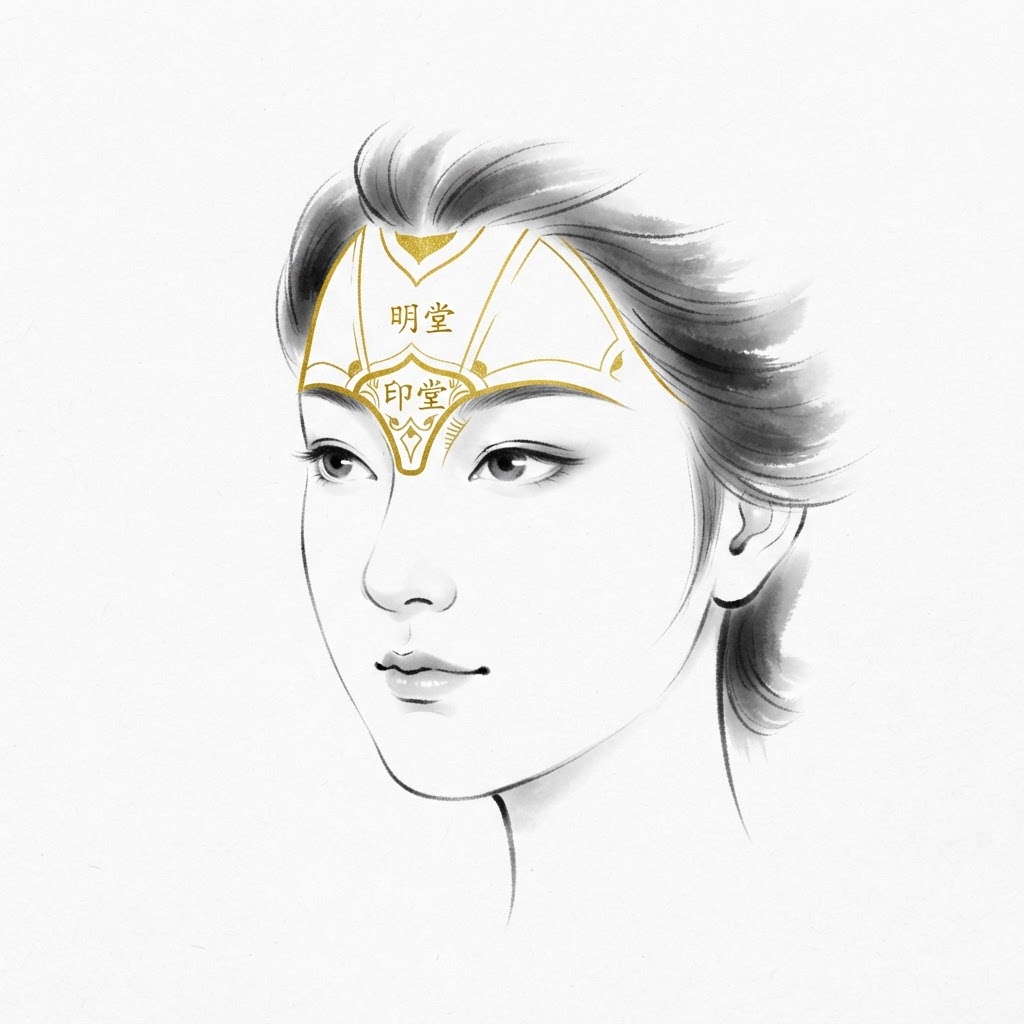
The most telling moment in an interview is not the answer to the hardest question. It is the face the candidate wears when they think no one is watching yet.
Establishing the Baseline: What Calm Looks Like
A calm baseline is not the same as a still face. Some people have naturally mobile features that shift constantly. What you are looking for is the quality of movement, not the absence of movement.
A calm face moves with ease. The brow rises and falls naturally. The eyes track the room without urgency. The mouth holds a neutral or slightly positive set without being forced. There is a quality of readiness without bracing.
An anxious face moves with tension. The movements are quicker, sharper, more contained. The brow flickers upward and stays. The eyes scan but do not settle. The mouth pulls tight at the corners. The overall impression is of a spring wound too tight.
| Feature | Calm Baseline | Anxious Baseline |
|---|---|---|
| Eyes | Steady, curious scan, 3 to 5 second holds | Darting, brief holds, upward breaks |
| Brows | Settled, natural arch, no tension lines | Raised and held, forehead creased |
| Jaw | Neutral, lips relaxed, chin level | Clenched masseter visible, lips thinned |
| Color | Natural skin tone, even | Flushed cheeks or pale, inconsistent |
Reading Deviations From Baseline During the Interview
Once you have the baseline, the real work begins. Every question you ask produces a facial response. Most are subtle. The key is watching for departures from the established resting state.
When I ask a candidate about their biggest failure, I watch their jaw. If it was relaxed at baseline and suddenly tightens, that tells me the question triggers discomfort. If the eyes were steady but now break upward and right, the answer is being constructed rather than recalled. Neither of these means the person is lying, but they mark the areas where I should dig deeper with follow-up questions.
The protocol works because it gives you a reference point. Without a baseline, every expression looks the same. With one, you can spot the moments that matter.
Practical Observation Protocol Summary
| Phase | Action | Duration |
| Pre-interview | Silent observation, no greeting yet | 10 seconds |
| Interview open | Warm greeting, easy opening question | 3 minutes |
| Core questions | Watch for baseline deviations on key topics | 20 to 40 minutes |
| Challenge phase | Push back on an answer, observe recovery | 5 to 10 minutes |
| Close | Observe return to baseline relaxation | 2 minutes |
Avoiding Bias in Facial Observation
The most important caveat I can offer about this protocol is that face reading in recruiting is a supplement to structured interviewing, not a replacement. It gives you signals about where to dig deeper, not conclusions about whether to hire. A furrowed brow during a question about past failure might mean the candidate is uncomfortable, or it might mean they are genuinely reflecting on a complex experience. You still need the follow-up question and a careful answer to make any judgment.
Bias is the other danger. We all carry preferences about how confident or assertive a leader should look, shaped by our culture and experiences. The protocol helps mitigate this by focusing on changes from the individual’s own baseline, not on absolute judgments. You are not comparing one candidate’s face to another. You are observing how each person shifts from their own resting state under pressure.
Callout: The Ethics of Silent Observation
Some recruiters worry that deliberately pausing before greeting a candidate feels manipulative. It does not have to. You can be warm and present while still taking a moment to observe. Stand, smile, gesture to the seat, and let the candidate settle before you launch into conversation. The ten seconds of silence are not a test. They are simply the space before structured engagement begins. Use them.
Connecting the Protocol to Deeper Face Reading
The 10-Second Protocol is a starting point. For those who want to go deeper, the full framework of reading confident facial features builds on this foundation with detailed analysis of each feature area. The sibling articles in this series cover the eyes, brows, jaw, forehead, and stress patterns in depth.
If your recruiting work involves timing decisions, you may also find the connection to QMDJ hour chart divination interesting. Observation skills and chart reading both train the same underlying capacity to notice patterns that most people miss.
Adapting the Protocol for Different Roles
The ten-second observation works differently depending on the seniority and nature of the role you are hiring for. A C-suite candidate presents a very different face from a mid-level manager, and the baseline you establish should be interpreted accordingly.
For senior executive roles, I look for integration. The face should show a balance of alertness and ease. A CEO who is genuinely comfortable with authority has eyes that hold steady without intensity, a jaw that is set without being clenched, and a brow that reflects engagement rather than worry. The signs of confidence and wealth features often appear in this integrated way: the face does not try to impress, it simply is what it is.
For mid-level management roles, I look for adaptability. The face should show openness to direction balanced with self-possession. A good department head candidate will have a baseline that is slightly more expressive, more responsive to the environment, because they need to connect with their team while also holding authority.
For technical or specialist roles, the baseline may be more inward. Engineers, data scientists, and researchers often have naturally narrower focus and less socially performative faces. A lower blink rate, more targeted gaze, and less facial mobility is normal and should not be read as anxiety or disengagement. The key is watching whether deviations from this more subdued baseline occur under technical questions versus interpersonal ones.
| Role Type | Healthy Baseline Quality | Red Flag to Watch |
|---|---|---|
| C-suite executive | Integrated ease, steady gaze, relaxed authority | Forced dominance stare, jaw bracing under challenge |
| Mid-level manager | Open expressiveness with core stability | Excessive deference or overcorrection to authority |
| Technical specialist | Inward focus, targeted gaze, lower mobility | Breakdown only on interpersonal topics, not technical |
Context also matters. A candidate interviewing after being laid off will naturally carry more tension than someone who is passively exploring options. The protocol does not judge the tension itself. It uses the tension as a starting point to observe how the person manages it when the conversation deepens. A candidate who starts tense and gradually relaxes as the interview progresses shows resilience and social flexibility. A candidate who starts tense and gets tighter under questioning may be struggling with deeper confidence issues that the role demands.
Frequently Asked Questions
Is ten seconds really enough to form a useful impression?
Ten seconds is not for forming a judgment. It is for establishing a baseline. You are not deciding anything in those ten seconds. You are collecting the reference data that makes everything you observe afterward meaningful. Without the baseline, you have nothing to compare expressions against.
What if the candidate notices the silence and feels awkward?
A small pause before speaking is normal in many professional settings. If you are concerned, you can adjust by offering a warm but brief gesture, like nodding or smiling, while still taking your mental snapshot. The goal is not to create discomfort but to observe the candidate in their natural transitional state.
Does this protocol work for remote interviews?
Yes, with modifications. On video calls, the first second or two after the candidate joins the call and before you speak is your best window. The camera captures upper face features well. Eye gaze patterns and brow tension are all visible. The main limitation is that you cannot see jaw tension or posture as clearly on video.
Can this protocol replace structured interviewing?
No, and it should not. The protocol supplements structured interviewing by directing your attention. It tells you where to ask follow-up questions. Your actual hiring decisions should always be grounded in the candidate’s demonstrated competence, track record, and cultural alignment, not in facial observations alone.
How do I practice this without making candidates uncomfortable?
Start by simply counting to five before your first question in your next interview. You do not need to make it obvious. The practice of pausing before starting is natural and professional. Gradually extend your observation window as you become more comfortable holding silence.
Leave a Reply
You must be logged in to post a comment.