Chinese Metaphysics has been deeply rooted in Chinese civilization for thousands of years, dating back to at least 1,200 BC. This vast body of knowledge emerged from ancient scientists’ observations, research, and statistical analysis. Despite its ancient origins, it remains relevant today, continuing to evolve and offer practical applications that help people achieve balance and well-being.
At the heart of Chinese Metaphysics is the concept of Yin-Yang (阴阳) and the Five Elements (五行)—Wood (木), Fire (火), Earth (土), Metal (金), and Water (水). These elements represent the natural cycles and processes of life. Their interactions, known as Sheng-Ke (生克), describe how the elements generate and control one another. The ultimate goal in Chinese Metaphysics is to achieve harmony or balance between Yin-Yang and the Five Elements, as this balance is believed to promote health, happiness, prosperity, and success.
The 5 Arts of Chinese Metaphysics are divided into five categories, each addressing different aspects of life: Medicine (医), Asceticism (山), Destiny (命), Divination (扑), and Physiognomy (相). Below is an in-depth exploration of each art and how it benefits modern life.
1. Medicine (医) — The Art of Healing and Balance
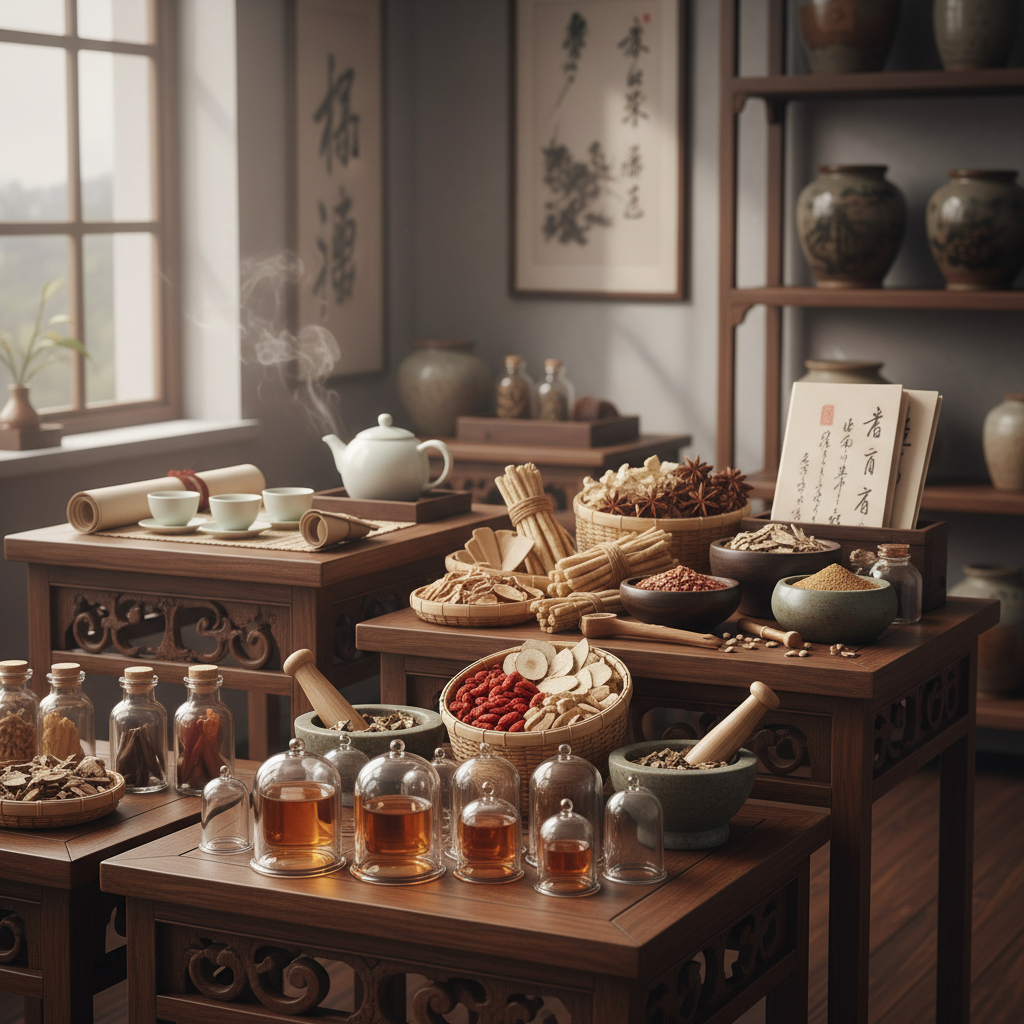
Traditional Chinese Medicine (TCM) is perhaps the most well-known branch of Chinese Metaphysics. TCM is a holistic approach to health that views the human body as a microcosm of the universe, governed by the same natural forces of Yin-Yang and the Five Elements. The core belief in TCM is that when the five elements within the body are in balance, the individual will experience good health; when they are imbalanced, illness arises.
Key Components of Traditional Chinese Medicine:

- Acupuncture (针灸): Involves the insertion of thin needles into specific points on the body to balance Qi (vital energy) and enhance the flow of energy through meridians.
- Herbal Medicine (中药): A system of natural remedies made from plants, minerals, and animal products, designed to restore balance in the body.
- Acupressure (指压) & Massage (足部按摩): Hands-on therapies that promote blood circulation, relieve tension, and correct imbalances.
- Qi Cultivation (气功): Exercises to regulate the flow of Qi through breathing techniques, meditation, and physical movement.
Real-World Applications and Case Study:
Consider the case of Zhang Wei, a 45-year-old corporate executive who suffered from chronic migraines and fatigue. Western medicine offered temporary relief through medications, but his condition persisted. Seeking an alternative, he consulted a TCM practitioner, who identified an imbalance between Zhang’s liver (Wood) and spleen (Earth), attributing it to excessive stress and poor diet. Through a regimen of acupuncture, herbal medicine, and Qi cultivation exercises, Zhang’s symptoms began to subside, demonstrating the effectiveness of TCM in addressing not only physical but also emotional imbalances.
2. Asceticism (山) — The Path to Inner Peace and Longevity

Asceticism, known as Shan (山), focuses on self-cultivation and achieving harmony between mind, body, and spirit. In ancient times, practitioners of this art often retreated to mountains to meditate, reflect, and purify their energies, hence its association with “mountains.” The ultimate goal of asceticism is not only physical health but spiritual enlightenment and eternal happiness. This pursuit is still relevant today, with techniques such as meditation, Tai Chi, and breathing exercises helping individuals manage stress and cultivate inner peace.
Key Techniques in Asceticism:
- Meditation (静坐): A practice to quiet the mind, enhance awareness, and achieve mental clarity.
- Qigong (气功): A system of physical exercises and breathing control to cultivate energy, improve health, and extend life.
- Martial Arts (武功): Combat systems like Tai Chi and Kung Fu are not only forms of self-defense but also ways to harmonize the body and mind.
Real-World Applications and Case Study:
One of the most well-documented success stories in the realm of Chinese asceticism is that of Master Li, a former martial artist who turned to meditation and Qi cultivation after a severe injury. Doctors told him he might never walk again, but through dedication to Qigong and Tai Chi, Master Li regained mobility and now leads a school where he teaches others how to cultivate their life force for healing and personal growth.
3. Destiny (命) — The Blueprint of Life
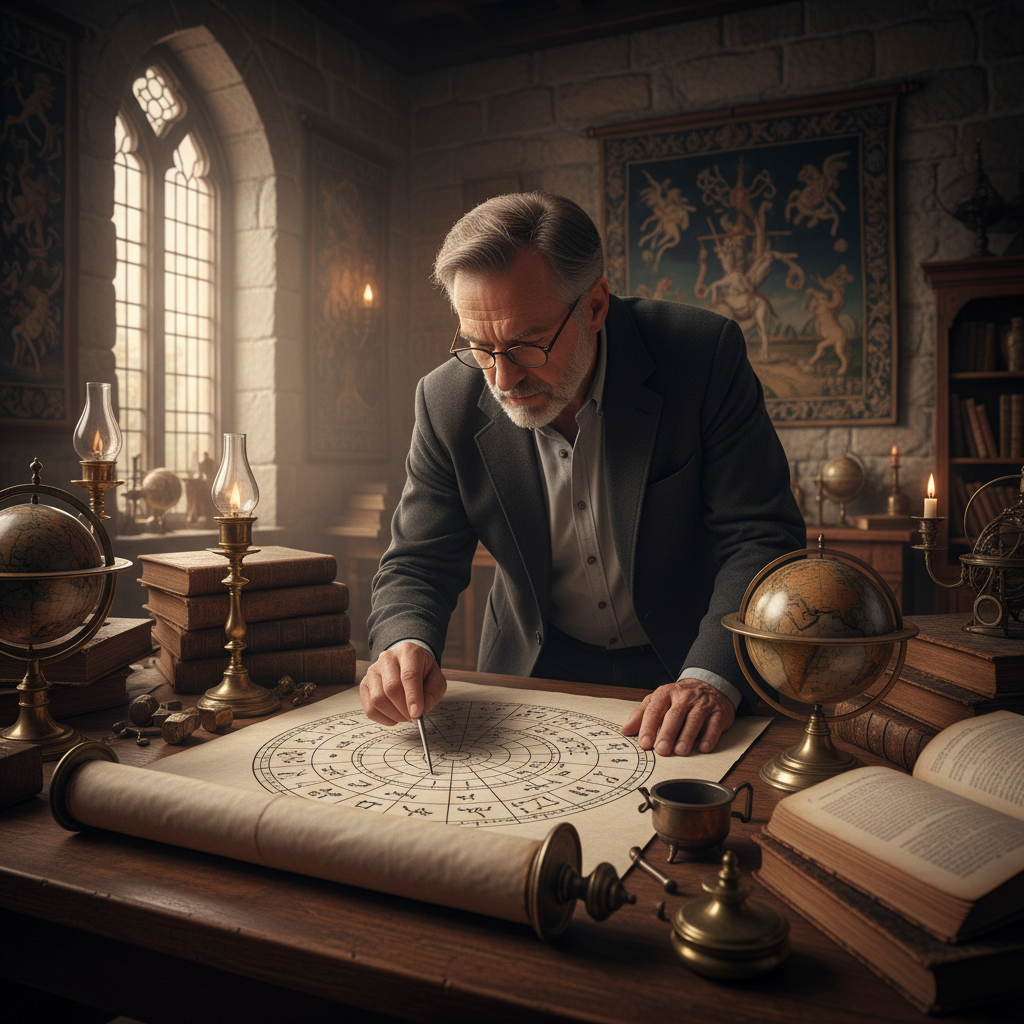
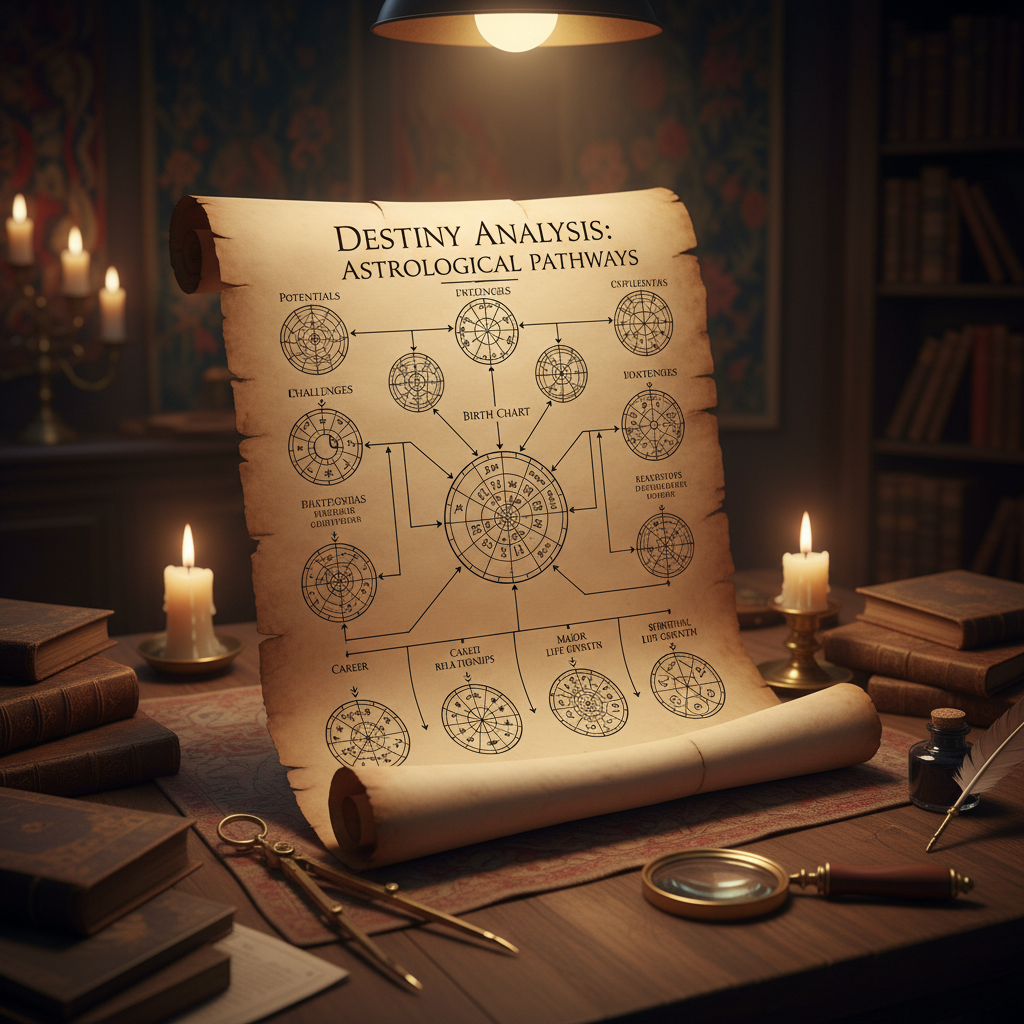
Destiny Analysis (命理学) seeks to understand an individual’s life path, strengths, weaknesses, and potential based on the interaction of Yin-Yang and the Five Elements. This field of study is concerned with how the time and place of a person’s birth influence their fate. The most popular tools for analyzing destiny are Bazi (八字), Ziwei Doushu (紫微斗数), and other astrological systems.
Key Methods of Destiny Analysis:
- Bazi (八字): Also known as the “Four Pillars of Destiny,” this system analyzes a person’s birth date to determine their life’s strengths, weaknesses, and potential based on the balance of elements.
- Ziwei Doushu (紫微斗数): A form of Chinese astrology that maps the stars at the moment of birth to predict personality traits, life events, and opportunities.
Real-World Applications and Case Study:
Destiny analysis can help people make informed life choices. Take the case of Mrs. Wang, a successful businesswoman in her 40s. Despite her career achievements, she felt unfulfilled. After a Bazi consultation, it was revealed that her chart indicated she had strong entrepreneurial skills but would find greater fulfillment in creative endeavors. Guided by this reading, she ventured into the arts and later became a prominent gallery owner, achieving both success and personal satisfaction.
4. Divination (扑) — Predicting the Future with Precision
Divination (扑) involves predicting the outcomes of future events based on present actions. Unlike Destiny Analysis, which looks at life in broad strokes, divination is often focused on short-term predictions and specific questions. Divination methods such as Yi Jing (易经), Qimen Dunjia (奇门遁甲), and Meihua Yi Shu (梅花易数) offer insights that can help individuals make critical decisions.
Key Methods of Divination:
- Yi Jing (易经): Also known as the Book of Changes, this ancient text uses hexagrams to provide guidance on life situations.
- Qimen Dunjia (奇门遁甲): A highly complex divination system that calculates auspicious times and directions for military strategy, business decisions, and personal growth.
- Plum Blossom Numerology (梅花易数): A simpler divination method that can be used to answer specific questions quickly.
Real-World Applications and Case Study:
One famous example of divination in action comes from the story of Zhuge Liang, a brilliant strategist during the Three Kingdoms period of China. He used Qimen Dunjia to predict the outcomes of battles and was able to plan his military campaigns with uncanny accuracy, often triumphing over much larger forces. In the modern world, business leaders and investors have used divination techniques to guide important financial decisions, choosing the most favorable times to make investments or take on new ventures.
5. Physiognomy (相) — The Art of Reading Faces and Spaces
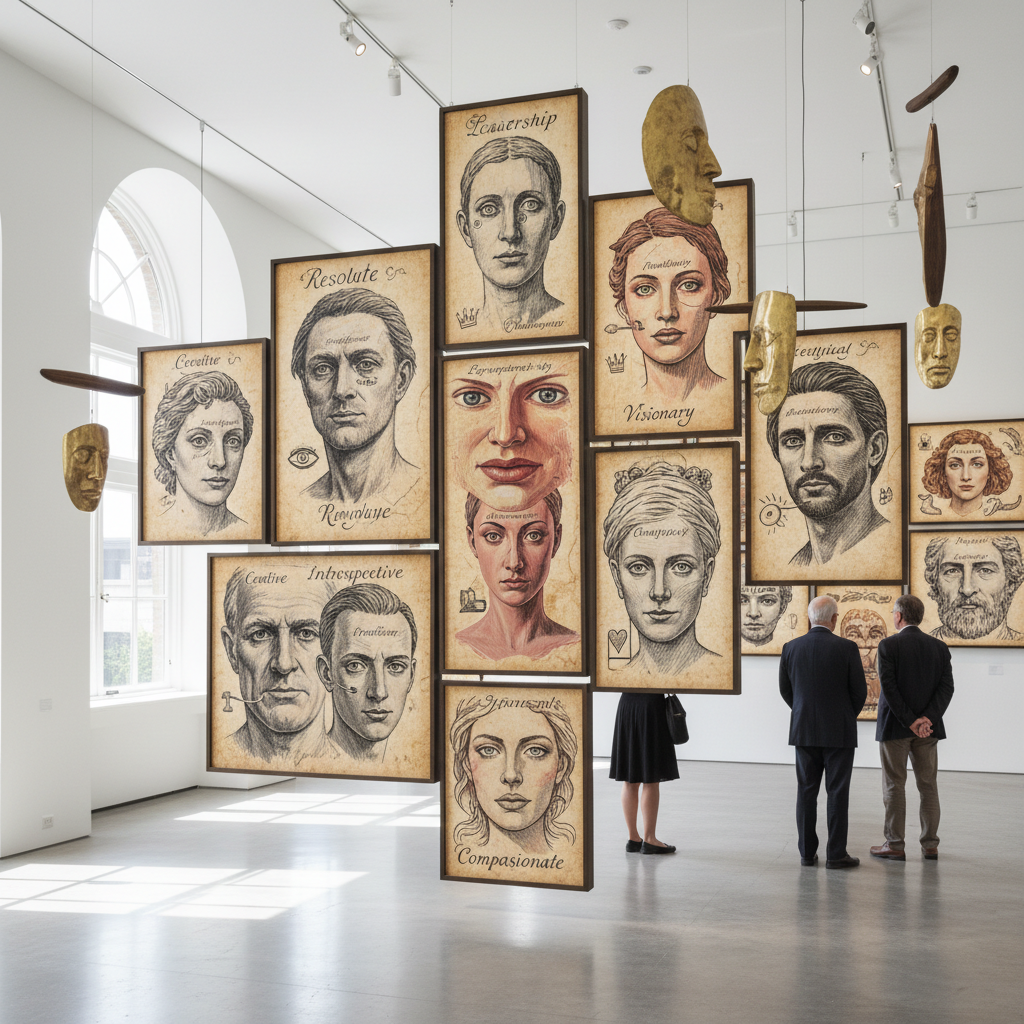
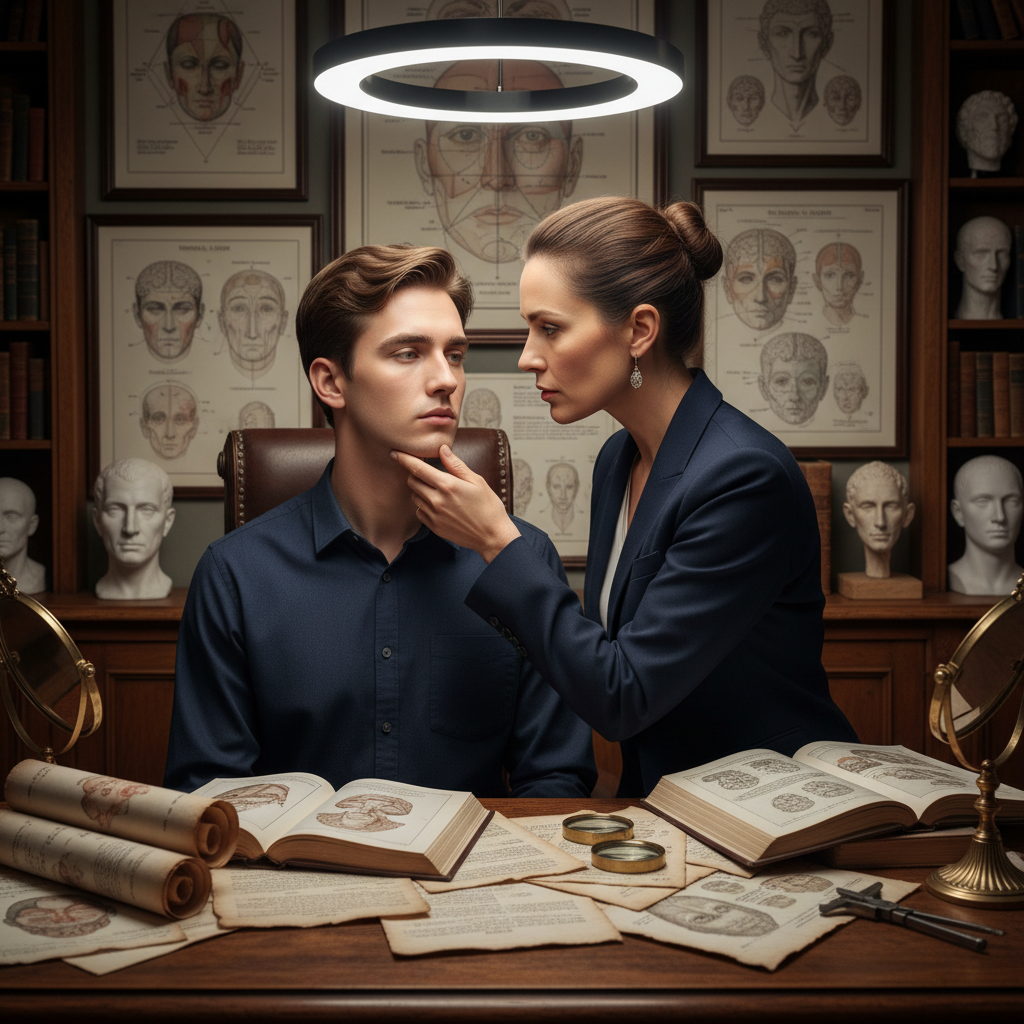
Physiognomy (相学), the study of appearances, goes beyond mere facial analysis. This branch of Chinese Metaphysics is used to assess people’s characteristics, potentials, and luck by analyzing physical features, energy radiance, and even the environment (Feng Shui). From face reading to palmistry, and Feng Shui to topography, physiognomy has been a powerful tool in understanding the natural world and human fate.
Key Techniques in Physiognomy:
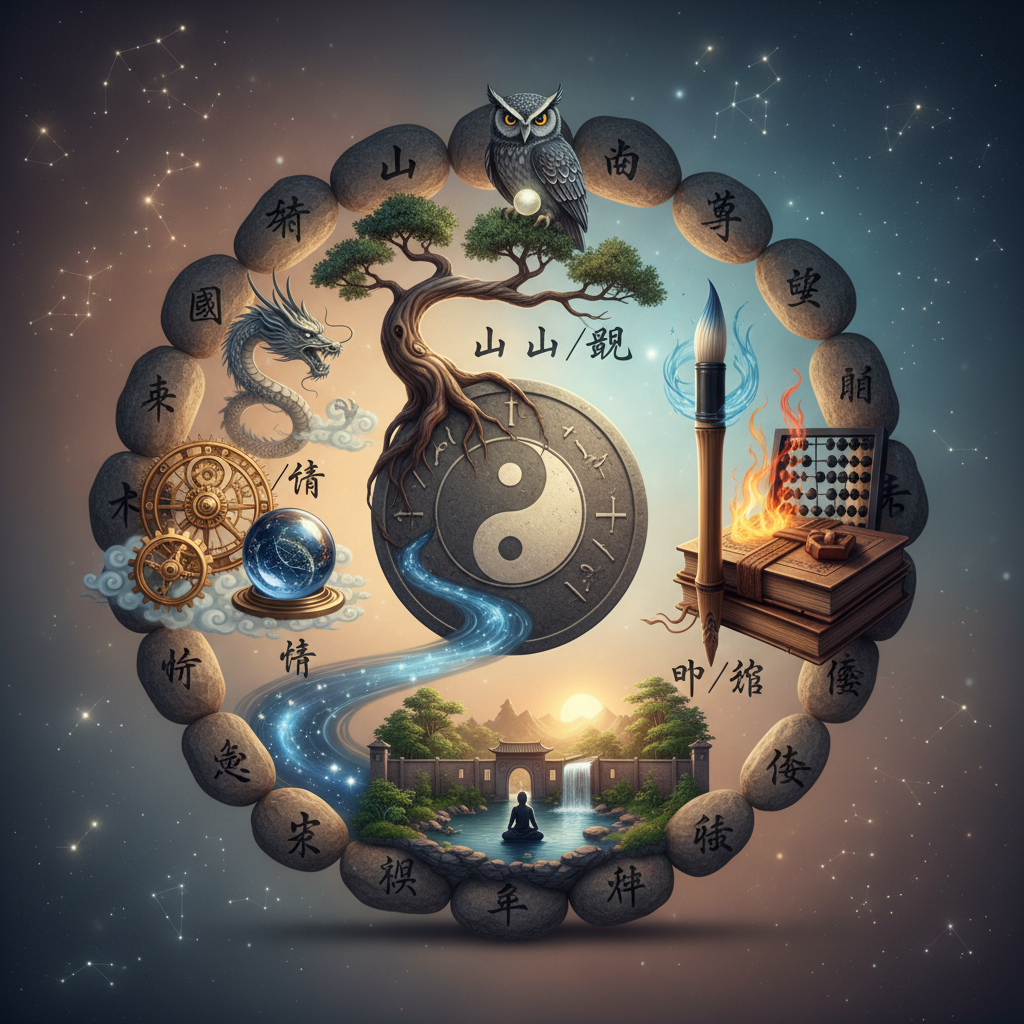
- Face Reading (面相): Analyzing facial features to determine personality traits, health, and future luck.
- Palmistry (手相): Reading the lines of the palm to understand a person’s character and life journey.
- Feng Shui (风水): Assessing the energy flow in an environment to enhance prosperity, health, and well-being.
Real-World Applications and Case Study:
The practice of Feng Shui has been famously used in both ancient and modern times to influence the fortune of individuals and businesses. For instance, Hong Kong billionaire Li Ka-shing has been reported to consult Feng Shui experts for arranging his properties and business offices. His success has often been attributed to the careful planning of his surroundings to ensure the best possible flow of energy.
Conclusion: The Timeless Relevance of the 5 Arts of Chinese Metaphysics
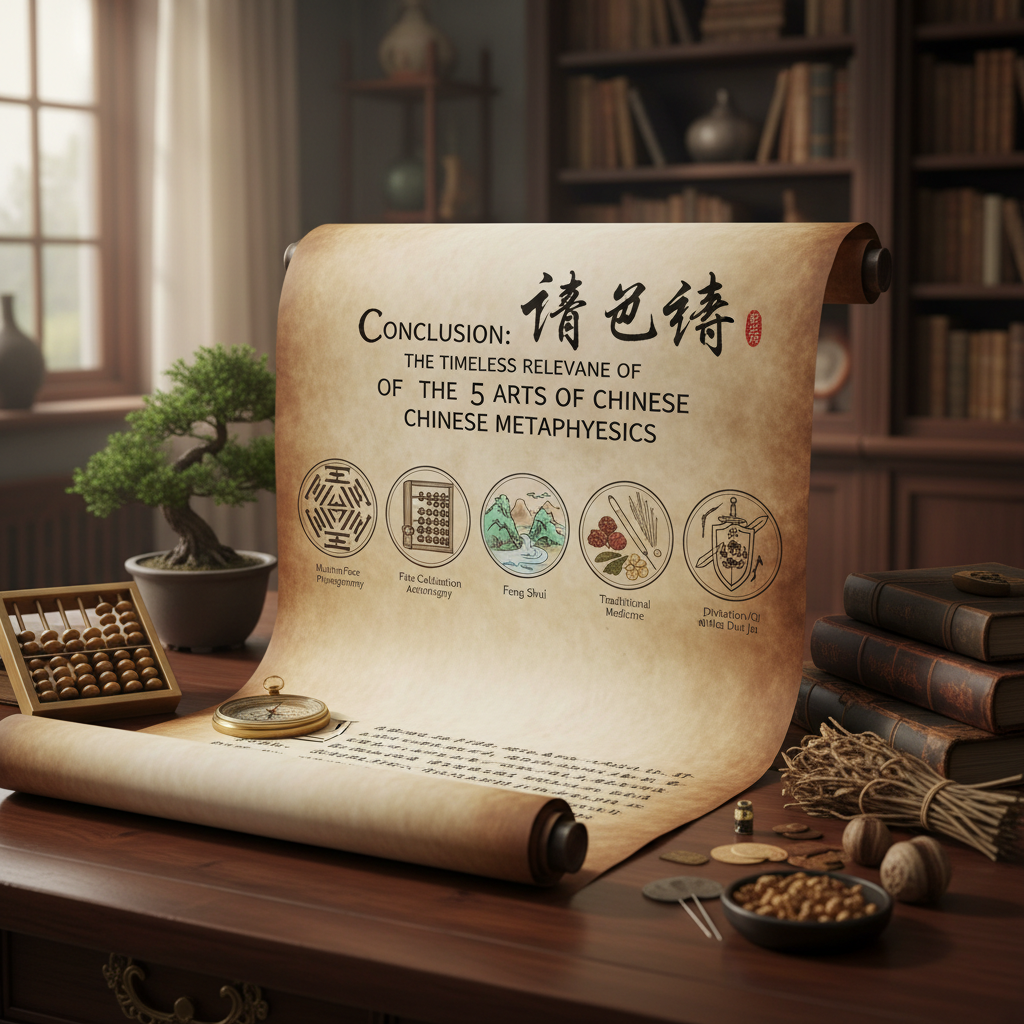
Chinese Metaphysics, with its Five Arts, continues to be a profound and practical system for enhancing human well-being. Whether it’s through the art of healing, cultivating inner peace, understanding one’s destiny, predicting the future, or harnessing the energy of the environment, these practices are deeply embedded in both personal and societal growth. Through a deeper understanding of these arts, individuals can lead more balanced, harmonious lives, making better decisions and aligning themselves with the natural forces of the universe.
Leave a Reply
You must be logged in to post a comment.