
Introduction: Timing Matters, and We can Help You Get it Right

Everyone knows the old saying about timing: it can make or break an opportunity. Whether you are launching a business, choosing a wedding date, scheduling surgery, or signing an important contract, the moment you select can influence outcomes in subtle, practical ways. Over the years we have seen clients gain confidence, reduce friction, and in many cases avoid costly delays simply by aligning action with favorable energetic patterns. That is why many people turn to traditional Chinese metaphysical systems for guidance, and specifically to a specialized form of divination that excels at pinpointing the best moments for action.
If you are reading this, you are probably curious about how a formal consultation works and how it might help you. In this article we will walk through the fundamentals and give you actionable guidance you can use right away. We will explain the mechanics, what a consultant needs from you, how we evaluate candidate dates, and we will share real-world examples so you can see the reasoning behind date recommendations. When you book a Qi Men Dun Jia date selection consultation, you should expect a structured, evidence-informed process that focuses on concrete outcomes, not vague promises.
Throughout this piece we will use plain language, practical steps, and examples that show you both the how and the why. If you prefer to jump directly to a particular section, use the headings as a roadmap; otherwise read through and you will come away able to participate intelligently in an appointment, evaluate your options, and prepare for the chosen date with clarity.
What Qi Men Dun Jia Is, and Why it Works for Choosing Dates
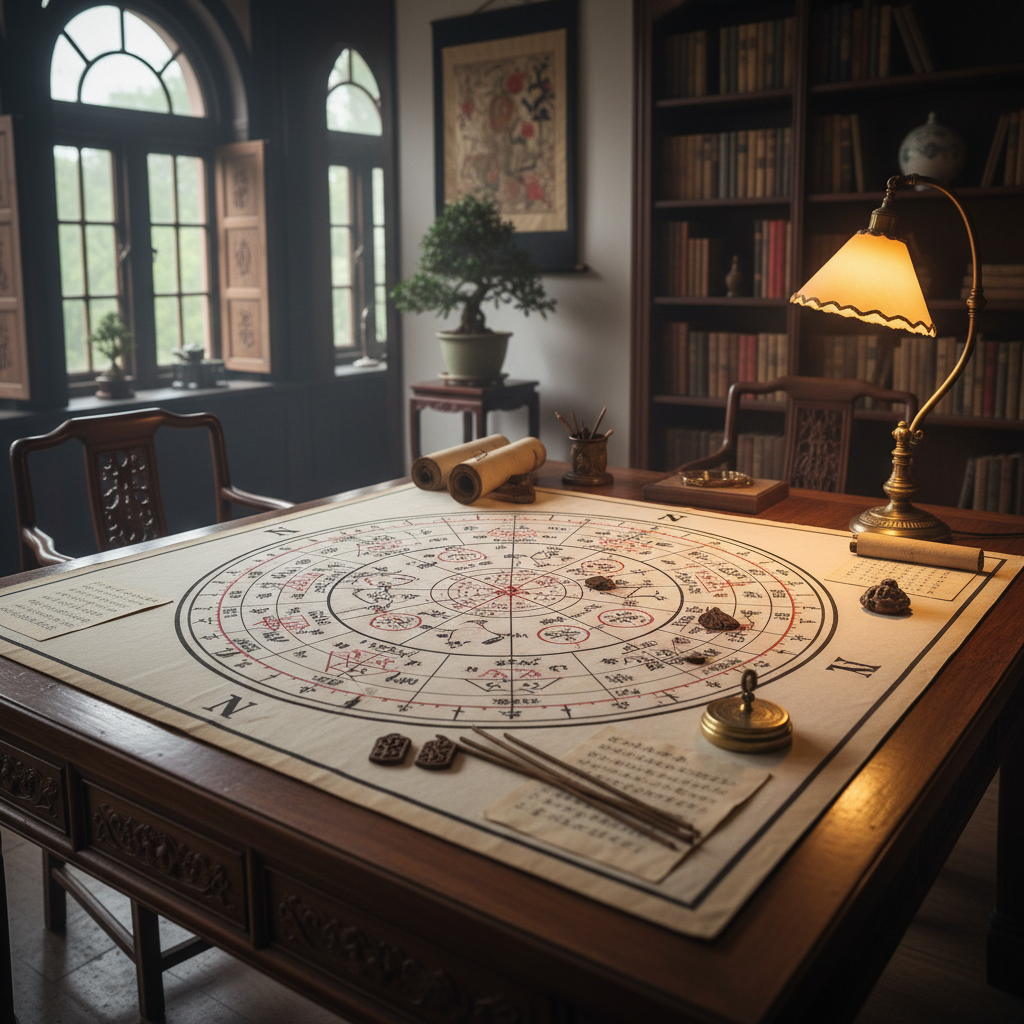
Origins and Core Philosophy

Qi Men Dun Jia is an ancient Chinese system of metaphysics originally developed for military strategy, then adapted to many civilian uses including healing, negotiation, and timing. The name roughly translates to “Mysterious Gates Escaping Technique”, and that hints at its original purpose: to identify advantageous positions and moments in highly contested situations. Over centuries practitioners refined the method into an advanced calendrical and situational tool that maps symbolic forces onto time and space.
At its heart, Qi Men is about relationships between moving elements. Instead of looking at a single static chart, the system generates a temporary layout for a specific hour and location, telling you which symbolic “doors”, “stars”, and “deities” are present in each compass-oriented palace. Those symbols have functional meanings. For instance, certain doors favor beginnings and communication, while others favor concealment and healing. Matching the features of a given moment to the goals of an action is the essence of date selection in Qi Men.
Key Components Used in Date Selection
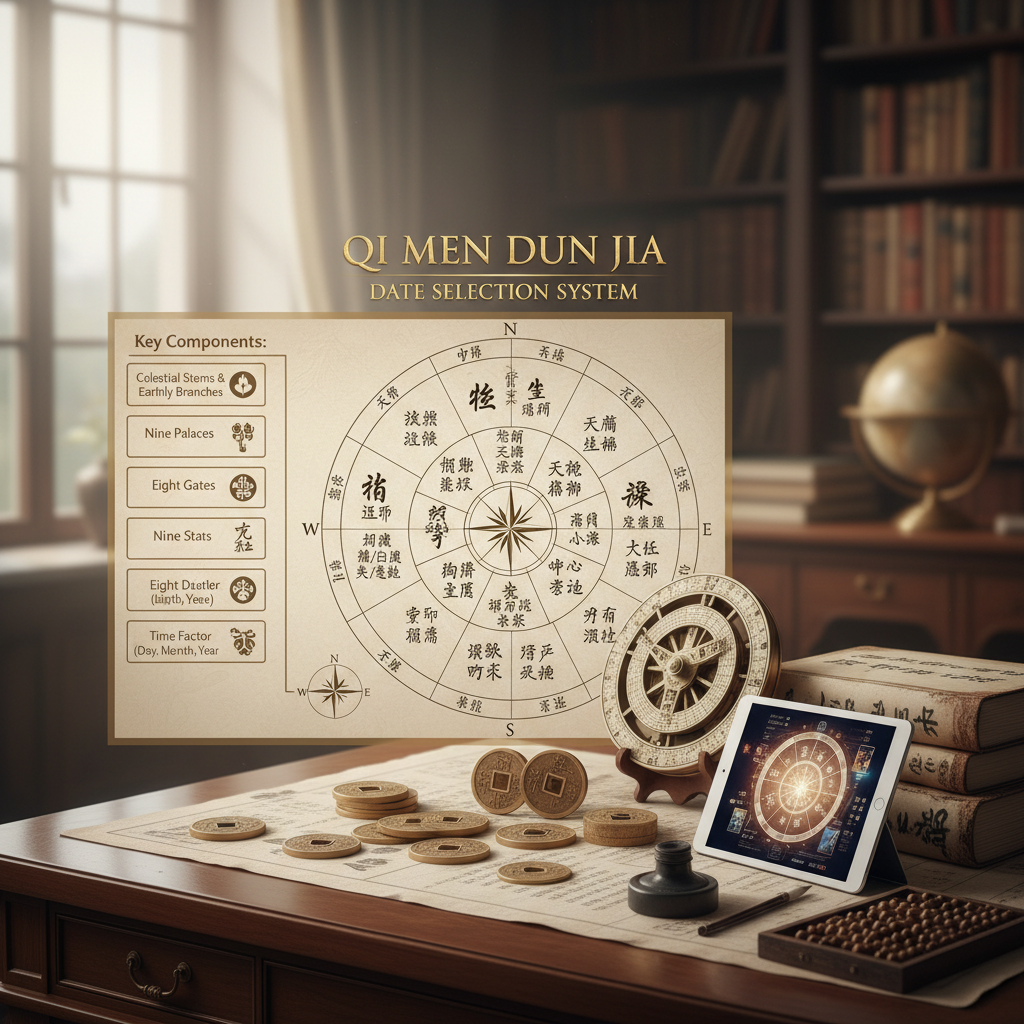
To make sense of a candidate date, a Qi Men Dun Jia consultant assembles a chart based on the following elements, and interprets their configuration relative to your objective:
- Heavenly Stems and Earthly Branches, the foundational cyclical markers that give the daily and hourly context;
- Nine Stars, which indicate the quality of qi present: auspicious, neutral, or inauspicious, and the type of luck attached;
- Eight Doors, representing modes of action such as open, rest, harm, life, death, and so on;
- Eight Deities, symbolic actors that influence interpersonal dynamics and intangible support;
- Nine Palaces, the spatial grid that anchors stars, doors, and deities to compass directions;
- Time and location, because the same calendar date has different configurations depending on latitude, longitude, and hour.
Combining these gives a multi-dimensional view. For example, a palace containing the Star of Prosperity aligned with the Door of Opening is ideal for launching a business, while a palace with the Star of Injury and the Door of Death warns against surgery or travel on that hour.
How Qi Men Dun Jia Differs from Other Timing Systems
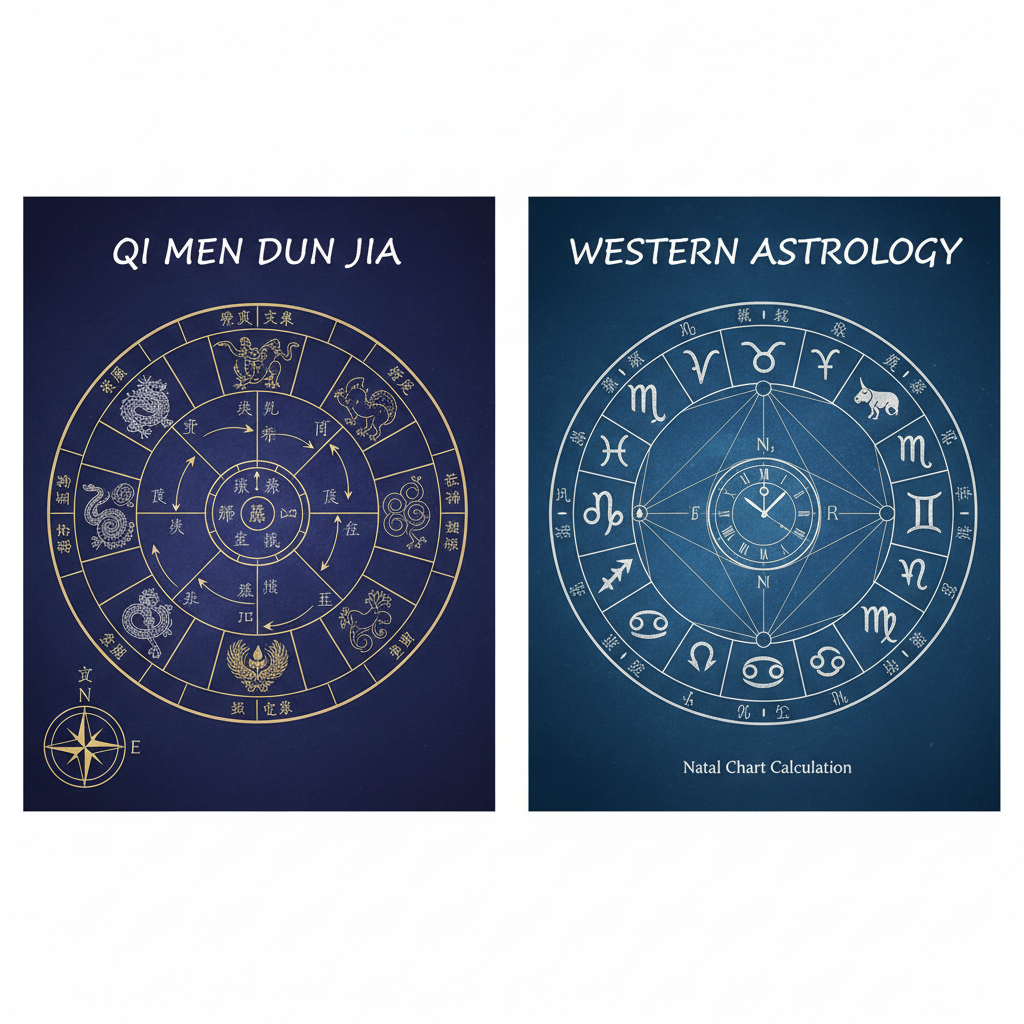
Many people are familiar with the Chinese almanac, or tong shu, and Western astrological transits. Qi Men differs in a few important ways:
- It is moment-specific. Where a general almanac might label a day as “good for weddings”, Qi Men can identify the optimal hour and the precise directional setup for the event.
- It is action-oriented. While astrology often emphasizes personality and long-term cycles, Qi Men targets discrete operations: negotiations, medical procedures, legal filings, and openings.
- It uses a tactical vocabulary. Terms like “Door of Life” or “Star of Victory” are directly linked to recommended behaviors, so the guidance is instructive rather than interpretive.
For practical decision-making that must align people, place, and time, Qi Men offers a highly pragmatic layer of advice. This is why organizations and individuals who need precise outcomes often prefer it when selecting critical dates.
How a Qi Men Dun Jia Date Selection Consultation Works

What We Need from You before the Consultation
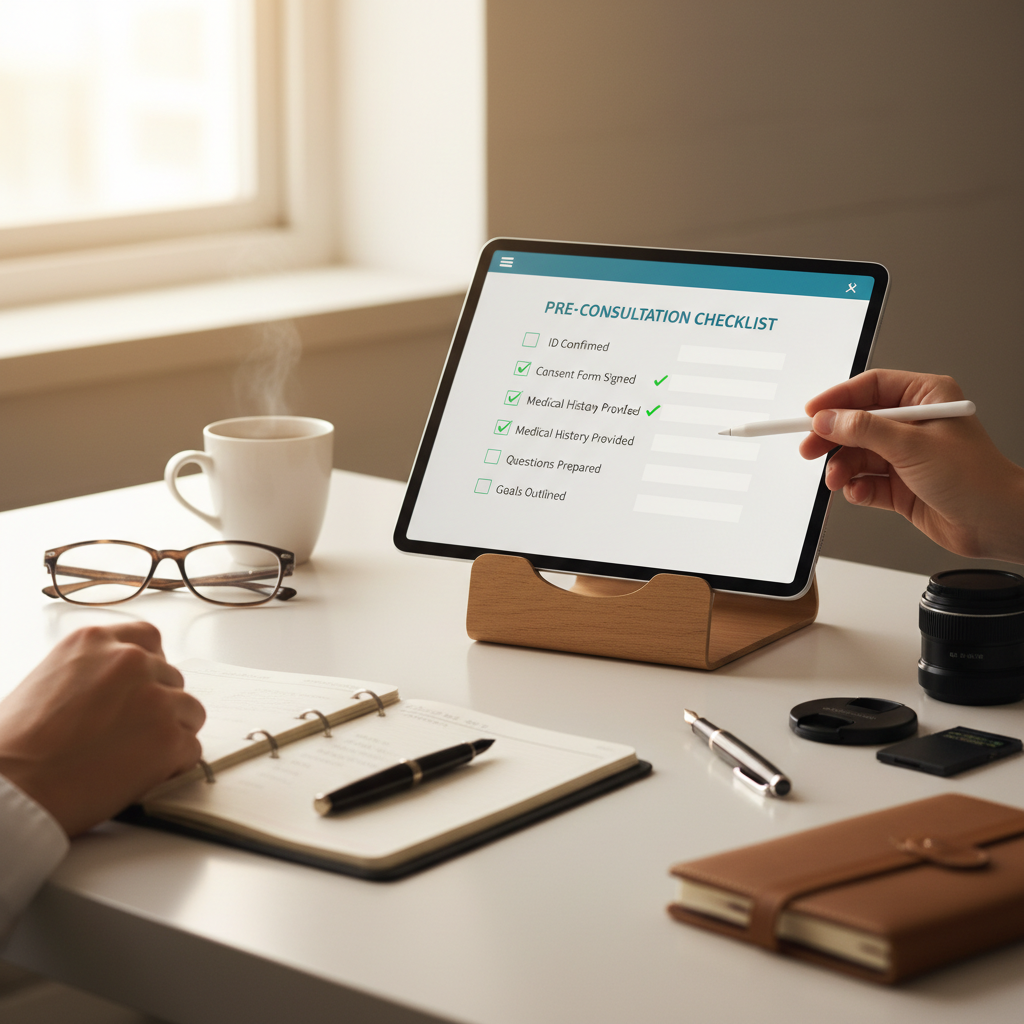
To produce an accurate and useful recommendation we need several pieces of information, and getting these right upfront saves time and improves results. Before a typical consultation we ask for:
- Exact location where the event will take place, including city and address if possible. Latitude and longitude are ideal but we can look those up for you;
- Desired time window for the event, for example a single day, a week, or a month. If your timeline is tight, tell us the specific constraints;
- Clear statement of objectives. What outcome do you want? Examples: sign a contract without disputes, maximize attendance at a wedding, ensure a smooth surgical recovery, avoid interference from competitors;
- Relevant personal data when necessary, such as birth dates and times of principal parties, when the consultation requires compatibility or personal favorable alignment analysis;
- Any immovable constraints such as travel plans, legal deadlines, venue availability, or religious considerations.
Accuracy matters because Qi Men charts are time-and-place dependent. A two-hour error in a start time can shift the chart to a different configuration, changing the advice. We also ask for photographs or floor plans when spatial orientation within a venue will affect directional recommendations.
Step-by-step Consultation Process

Our consultations follow a repeatable process that balances technical rigor with practical user needs. Below is a step-by-step outline of how we work, so you know exactly what to expect:
- Intake and goal definition: We confirm the objective, constraints, and gather the data listed above. This usually takes 15 to 30 minutes for a focused consultation.
- Chart construction: Using the event location and candidate dates, we construct Qi Men charts for each plausible hour. This includes placing the nine palaces, assigning stems and branches, and identifying door, star, and deity placements.
- Preliminary filtering: We eliminate clearly inauspicious hours, for example those containing obstructive stars paired with harmful doors for your specific objective.
- Scoring and ranking: Each remaining hour is scored against a checklist tailored to your goal. The checklist typically includes alignment of active palace features with the desired function, avoidance of conflict with personal charts when relevant, and logistical compatibility with your constraints.
- Recommendation and rationale: We present the top options, explain why each is recommended, and provide contingency alternatives. For example we might say: “Option A is optimal because Star 1 aligns with the Door of Opening in the southeast palace, favoring public announcements; Option B is second best due to better alignment with participants’ birth charts.”
- Preparation guidance: We give practical steps to maximize the selected time, including orientation advice, simple ritual suggestions, and what to avoid immediately before the event.
- Follow-up: Most consultations include a short follow-up window to address last-minute questions or adjustments when constraints change.
The entire technical portion of the analysis typically takes a few hours, though complex cases that require personal compatibility analysis or venue layout study may take longer. We communicate timelines clearly at the outset so you can plan accordingly.
Typical Deliverables and What to Expect

After the consultation you should receive a concise, actionable package. We focus on clarity, because a practical schedule is only useful if you can implement it. Standard deliverables include:
- A ranked list of recommended dates and exact hours, with start and end times adjusted to the local time zone;
- For each recommended hour, a short explanatory note tying the symbolic features of the chart to the reason it is favorable or less favorable;
- Orientation and logistical notes, for example recommended entrance direction for a ceremony, seating orientation, or where to position a signing table;
- Precautionary notes listing actions to avoid in the hours leading up to the event;
- When applicable, a brief compatibility analysis if personal birth data were used, indicating which participants should be near each other and who should avoid certain roles.
We aim to deliver a package that can be handed to an event coordinator, medical team, or legal counsel without requiring them to understand metaphysics. Practical language and explicit direction are the priorities.
Practical Examples and Case Studies: How Recommendations are Formulated

Example 1, Choosing a Wedding Date

Context: A couple on a tight venue schedule wants a wedding in late spring. They prefer a morning ceremony and want to maximize family harmony and public celebration. They provide their locations, birth dates, and a three-week window.
How we approach it: Weddings require particular alignments. We prioritize the Door of Life or the Door of Opening, paired with auspicious stars that promote joy and harmony. We also avoid configurations where the Star of Injury or the Door of Death interacts with principal participants’ personal clashes. Since family dynamics matter, we run compatibility checks for the couple and for key family members who will have prominent roles.
Example recommendation and reasoning: We might recommend May 14, 2026 at 10:20 local time. The reasoning would include: “The southeast palace has the Star of Fortune aligned with the Door of Opening, promoting public recognition and celebration; the deity associated with social harmony is present, reducing the likelihood of disputes; no major clash with either principal’s natal branches occurs at that hour. The morning timing suits guest logistics and natural light for photographs.”
Actionable steps for the couple: confirm venue orientation and reserve the southeast-facing ceremony area when possible, arrange seating so elders are placed in the palace that enhances family deities, and avoid scheduling emotionally charged rituals immediately before the ceremony. Also prepare a backup hour within the same day in case of sudden venue constraints.
Example 2, Business Launch and Contract Signing

Context: A startup needs to choose a date for an investor pitch and signing. They want to avoid legal disputes and maximize perception of credibility. They request a window of one month and are flexible with time of day.
How we approach it: For business launches and legal signings we prioritize doors and stars associated with clarity, negotiation success, and authority. The Door of Open or the Door of Victory combined with the Star of Authority or Star of Wealth is ideal. We also screen for days where the earth branch conflicts with the company’s registered establishment day, and avoid times where interpersonal conflict deities dominate.
Example recommendation and reasoning: We may select June 3, 2026 at 14:40. The southeast palace shows the Star of Authority aligned with the Door of Opening, improving persuasive capacity and outward presentation. Additionally, the deity of legal protection is present. We also note that the chosen hour avoids personal clashes with the CEO’s natal branch. We present an alternative slot within two days in case investor scheduling requires flexibility.
Actionable steps for the team: schedule the investor call or signing during the recommended hour, ensure the signing desk faces a neutral compass direction suggested in the report, brief the presenter to open with credentials and a clear, concise agenda – to match the Door of Opening energy. Keep contentious items for post-signing negotiation to reduce friction during the key hour.
Example 3, Scheduling a Medical Procedure or Travel

Context: A client needs a non-emergency surgery within a two-week window. They are anxious about recovery and want to choose a time that supports healing and minimizes complications.
How we approach it: Medical events require caution. We avoid doors and stars associated with injury, deception, or obstruction. Instead we look for configurations that support healing: the Door of Life paired with benign stars, and deities that signify protection. We also consider personal health charts when available to identify times that align with the patient’s innate resilience or, alternatively, times that present increased risk and should be avoided.
Example recommendation and reasoning: The recommended time might be April 26, 2026 at 08:00. The chart shows the Door of Life in the north palace with a supportive star, and protective deities in adjacent palaces, which together suggest an energetic environment favorable to smooth procedures and stable recovery. A detailed note explains what to avoid within 24 hours before the surgery, such as starting new medications or scheduling emotionally stressful conversations.
Actionable steps for the patient: schedule pre-op appointments so they finish at least 12 hours before the recommended hour, ensure the surgical team knows the timing in advance, and avoid travel or strenuous activity in the 48 hours after the procedure. We also suggest a simple pre-op ritual to calm the mind and align intent, such as breathing exercises and a short list of affirmations consistent with the Door of Life symbolism.
How We Rank and Choose Among Multiple Candidate Dates

It is common to have several plausible dates within a window. To make the final selection we rank options using a three-tier evaluation:
- Tier 1, core alignment: Does the palace configuration directly match the action’s primary function? For example, launching requires the Door of Opening; healing requires the Door of Life.
- Tier 2, personal compatibility and risk: Does the date avoid harmful clashes with participants’ natal branches, and does it minimize exposure to inauspicious deities or stars?
- Tier 3, logistics and redundancy: Does the time fit your practical constraints? Do we have reasonable backups within the same energetic window if the primary hour becomes unavailable?
We score each candidate on these tiers and present the results with clear rationales. That way you can weigh symbolic alignment against practical realities rather than being left with vague recommendations.
Core Principles Behind Successful Qi Men Dun Jia Date Selection
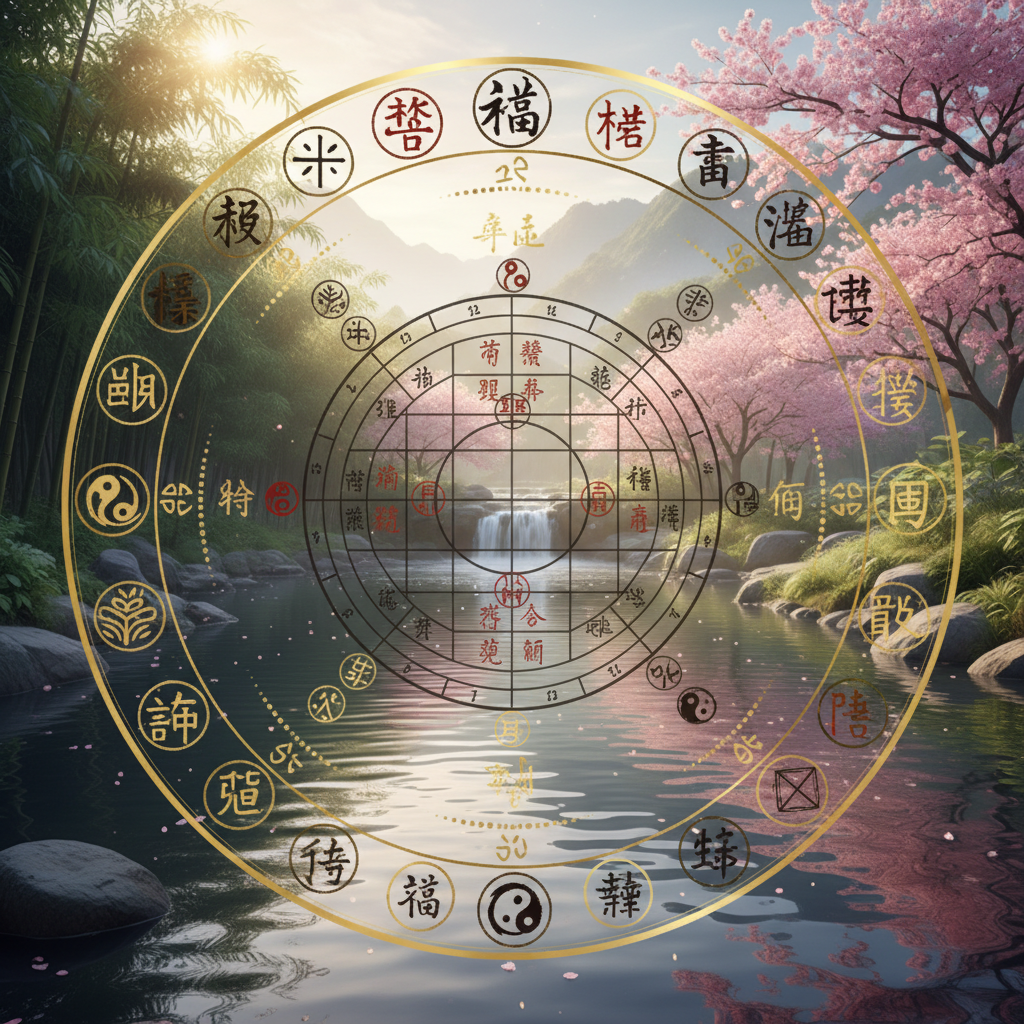
Before we talk about process and examples, it helps to ground ourselves in the core principles that make Qi Men Dun Jia powerful for choosing dates. In plain terms, Qi Men is a system for reading the energetic layout of time and space. It maps nine palaces on a daily chart, and into those palaces place combinations of the nine stars, eight gates or doors, and nine deities, all moved by the Heavenly Stems and Earthly Branches. When the pieces line up in a way that supports your intention, the outcome is more likely to flow smoothly; when they conflict with your aim, complications are more likely to arise.
Here are the key elements we use, in language you can act on:
- Palaces, the grid locations: each palace has a directional and energetic character. We look for palaces whose qualities match the activity you want to do.
- Stars, the nine stars: they add flavor and momentum, for example bringing authority, charm, or unexpected change. A favorable star can amplify a goal; an obstructive star can weaken it.
- Doors or gates: these describe the manner in which energy arrives. Some doors are about opening and starting, some about rest and healing, others about secrecy or endings. Choosing a date with the right door in the right palace is often decisive.
- Deities: these are auspicious or neutral forces that can protect an action, add speed, or reduce friction. Their presence on a chart is a plus when aligned with your goal.
- Stems and branches: the day stem and branch, and their relations to the participants or the event, give context: for example, compatibility with a client’s personal year or birth chart can matter, and so can conflicts with a venue’s location or cultural timing constraints.
All of the above are not fixed rules. We evaluate them comparatively. A date does not need to have every element perfect, rather it needs the net balance to favor your objective. For example, launching a product needs an auspicious star that encourages reputation, an open or arrival-type door that helps transactions, and no injurious deities or clashing stems on the day.
Practical takeaway, based on thousands of consultations: think in terms of matching energetic function to intention. If you want to start a legal contract, prioritize opening and clarity; if you are planning surgery, prioritize calming, healing oriented doors and deities; if you are moving to a new home, prioritize doors and stars that support settling and protection.
What a Qi Men Dun Jia Date Selection Consultation Looks Like

A Qi Men Dun Jia date selection consultation is both methodical and collaborative. In my experience, the best sessions follow a clear structure so both consultant and client know what to expect and how to turn an energetic reading into concrete dates and times you can use. Below I describe a typical consultation workflow and what you receive at the end.
Initial Intake and Objectives

We begin with a focused intake. I ask you to tell me the specific objective (for example, wedding, business opening, signing contract, moving house, travel, surgery), the preferred date range if any, hard constraints like legal deadlines or venue availability, and any personal details that matter, like birth dates and times for primary parties. The intake also requires the event location (address or coordinates) because Qi Men charts are cast for a specific place.
Data we collect up front:
- Event type and purpose
- Prefered date window (for example between July 10 and August 20)
- Exact event location (city, address, time zone)
- Names and birth information (date, time, place) of primary decision makers, when relevant
- Any time-of-day restrictions and immovable deadlines
Casting Charts and Screening Candidate Dates

Once I have intake information I cast Qi Men charts for candidate dates inside the given window. In practice this is not a single chart; we usually screen a set of dates and then narrow to a short list. The screening looks at:
- Which palaces hold favorable doors and stars relative to your intention
- Deity placements that offer protection, speed, or harmony
- Conflicts such as clashing stems or harmful doors
- Hour-level checks to ensure the chosen time period is consistent with the day-level auspices
For a typical consultation I screen 10 to 30 candidate dates depending on the window. For urgent matters we can compress that screening to a few days, while for major life events we invest more time to refine options across months.
Deliverables and Session Length

A standard consultation session usually runs 45 to 90 minutes. We go over the prepared shortlist and I explain why each suggested date is favorable or risky. You can expect these deliverables:
- A prioritized list of recommended dates and specific favorable hours
- A written explanation of why each date works, citing relevant stars, doors, and deities in plain language
- Backup dates and times, plus what to avoid
- Practical instructions for the day, such as best time windows for key actions and simple rituals or wording suggestions to reduce friction
This clarity is important. I always provide at least two backups and specify which parts of the event are especially time-sensitive. For example, if signing a contract is the crucial act, we pick a prime hour for signing rather than focusing on the whole-day auspice.
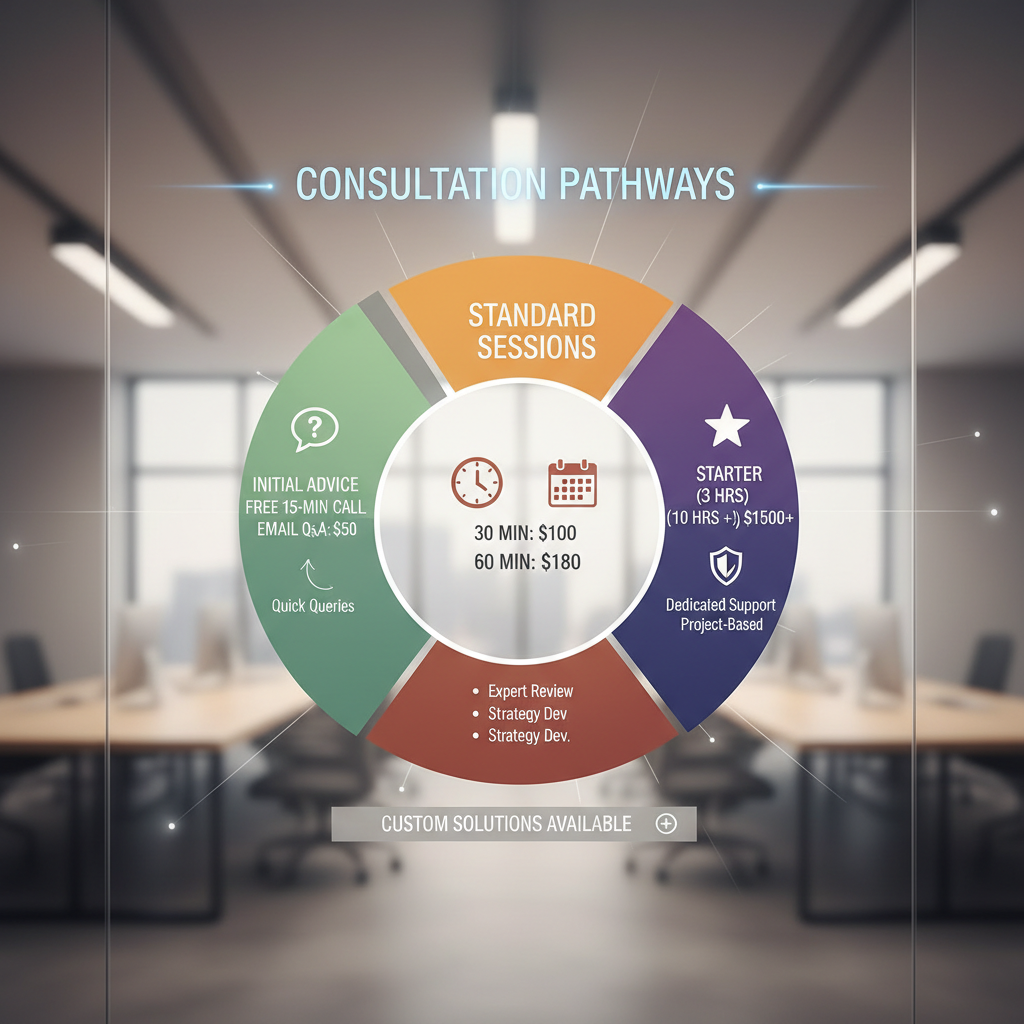
Typical Cost and Options
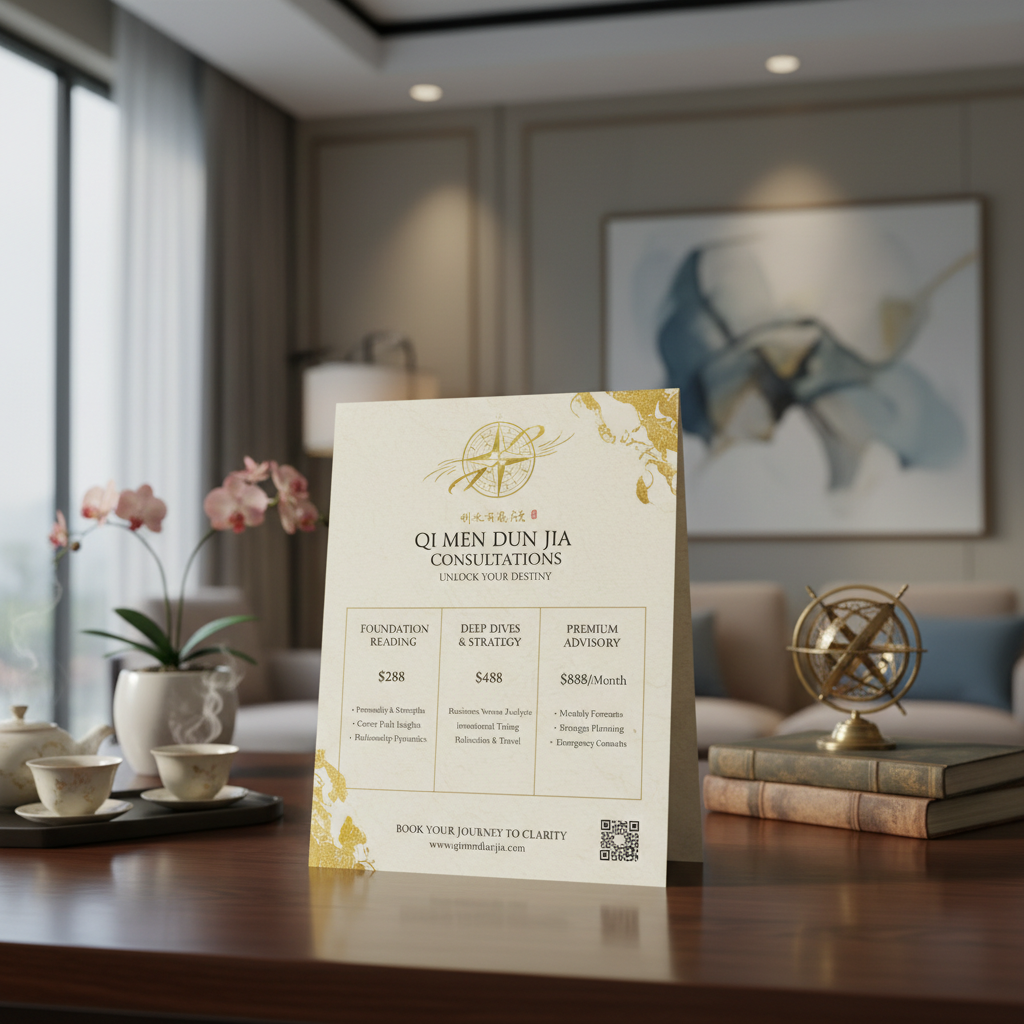
Consultation fees vary widely depending on depth and reputation. For context, typical ranges (as of my experience) are:
- Quick online screening or one-date check: approximately $50 to $150
- Standard date selection consultation with multiple candidate dates and hour-level advice: approximately $150 to $400
- Full bespoke service including personal chart cross-checks and multiple meetings: $400 and up
Many consultants offer packages: a core service for selecting dates, and premium options that include follow-up support, additional stakeholders’ birth checks, or on-the-day ritual guidance. Price is not the only sign of quality. Look for transparent process, sample deliverables, and client references.
How to Prepare for Your Consultation: a Practical Checklist

Preparation dramatically increases the value you get from a session. When we both come prepared, we can focus on interpretation rather than hunting for missing facts. Here is a practical checklist to complete before your appointment.
Client Preparation Checklist

- Confirm the exact event location, including city and venue address. If the venue is outdoors, specify which part of the property matters most (for example front steps, ceremony lawn).
- Prepare a strict date window and a ranking of preferences. If you only have a single fixed day, mark what parts of the event are negotiable.
- Gather the birth dates, birth times, and birth places of the principal parties when requested. If you do not know a birth time, note that this may limit some cross-checks but does not prevent a date selection.
- List constraints: legal closing times, venue blackout dates, cultural or family restrictions, and attendee travel limitations.
- Have a calendar ready to mark proposed times during the consultation. We will often agree on exact hour windows rather than a full-day blanket.
Example: Converting a Local Event Time for the Consultant
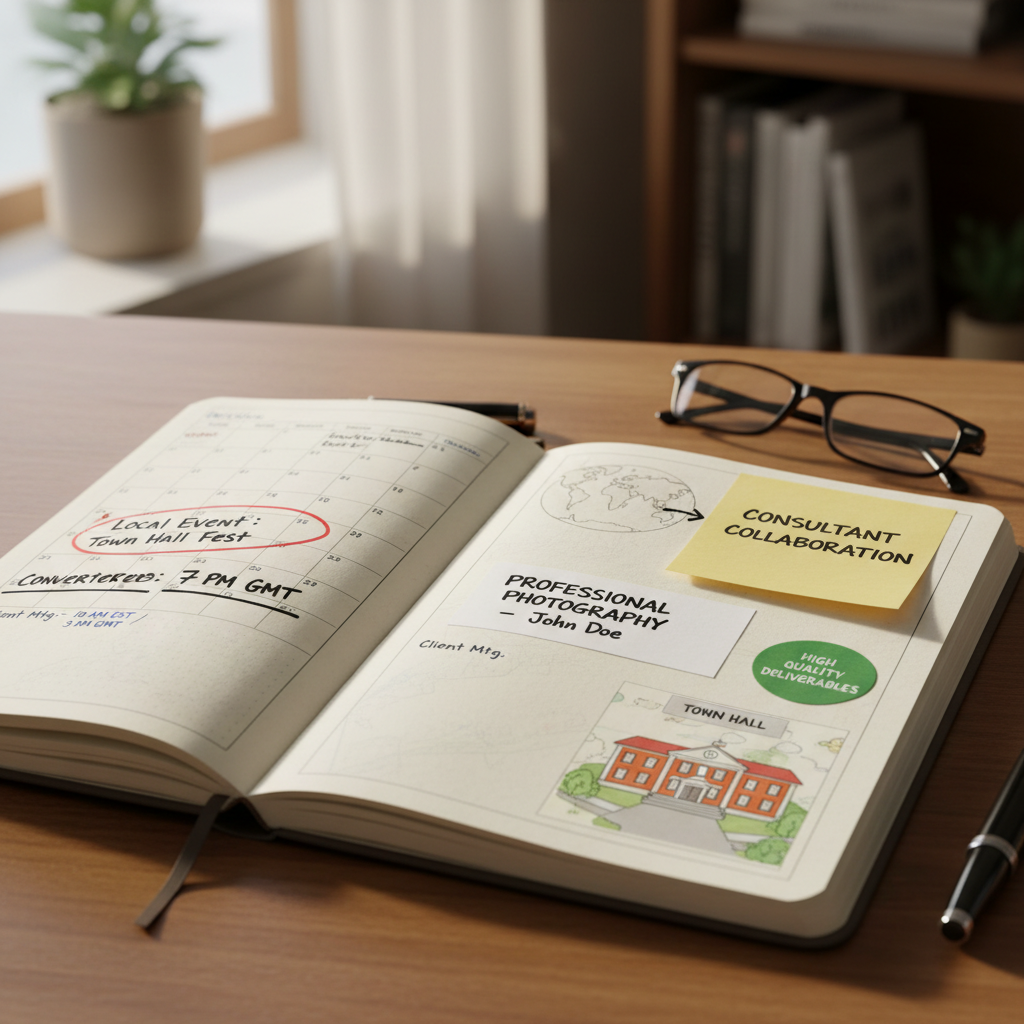
Suppose you are planning a business launch in London on September 18, 2026. The event starts at 14:00 local time. If your consultant is in a different time zone, make sure to provide the local start time and the exact venue location. Also check whether local daylight saving time is in effect; you can state the time as 14:00 BST or 13:00 UTC to avoid confusion. This saves back-and-forth and prevents calculation errors when casting the Qi Men chart.
Questions to Ask during a Consultation

When we meet, here are the questions that will help you evaluate recommendations and make decisions:
- Why is each recommended date favorable for my specific outcome?
- What are the clear risks associated with the backup dates?
- Is the suggested hour critical, or would a few-hour window suffice?
- Do any of the recommended dates conflict with major personal cycles for me or other key stakeholders?
- What practical steps can I take on the day to support the chosen date, such as arrival times, seating arrangements, or spoken words?
Practical Examples and Case Studies: Applying Qi Men to Real Events

Examples help translate theory into practice. The following case studies are based on real types of requests I get frequently. I present them as condensed narratives so you can see how decisions are made and what trade-offs are common.
Case Study 1: Wedding Date with Logistical Constraints

Scenario: a couple wants a late-summer wedding within a two-week window, and the venue is only available on specific Saturdays and one Friday. The couple also has a family member with limited travel ability, so the date must work for them as well.
Process and analysis:
- We collected the couple’s birth dates and the family’s travel constraints, then cast Qi Men charts for the available Saturdays and the Friday. Because weddings involve ceremony, commitment, and social recognition, we prioritized dates where doors that encourage public openings and social ascent were present, and where supportive stars for reputation were strong.
- We also cross-checked the day stems against the couple’s personal stems. One Saturday had a strong “opening” type door but a day stem in conflict with the groom’s birth branch. I flagged this as potentially stressful for the groom and recommended it only as a backup.
- We found one Friday with an optimal alignment: an opening-type door in the palace associated with social recognition, a protective deity, and no direct stem clash with either partner. Although Friday required some guests to rearrange travel, the net energetic balance made it the best choice.
Outcome and practical advice given:
- Chosen date: Friday, as the primary date, with a morning ceremony hour recommended for the most auspicious palace activation.
- Backup: the second-best Saturday, but with a specific recommended signing hour and arrival time to reduce friction for the groom’s branch conflict.
- Practical step: we recommended seating close family slightly earlier and suggested a simple opening statement that acknowledges elders, which aligns socially and energetically with the chosen chart.
Case Study 2: Business Product Launch Across Multiple Markets

Scenario: a company plans a product launch that will be live online with global customers. They want an hour that supports sales conversions, public trust, and minimal technical disruption.
Process and analysis:
- Global launches require balancing multiple local times. We prioritized the primary market region and then looked for an hour that falls within reasonable business hours across target markets. In the Qi Men chart, we focused on doors and stars that favor transactions, reputation, and communication.
- We screened dates where the palace holding the “transaction-friendly” door aligned with a star associated with authority and credibility. We also checked the day’s hour against the leader’s personal chart, because the CEO would be central in press exposure.
- One promising date had a strong communicative star but a smaller deity, meaning online messaging would perform well but there was a moderate risk of last-minute snafus. We mitigated that by choosing a backup hour two hours earlier and by scheduling a technical rehearsal on the prior day.
Outcome and practical advice given:
- Primary date and hour: selected to maximize overlap between key markets and to activate the palace with the transactional door.
- Contingency plan: a 24-hour technical dry run, and reassigning a trustworthy member to manage unexpected issues if they arise during the launch, aligning with the limited protective deity on the primary date.
- Messaging tip: begin with a short credibility-building statement from a recognized authority in the industry to capitalize on the star energy on the chosen date.
Case Study 3: Moving House with Family Health Considerations

Scenario: a family needed to move into a new home within a 10-day window. One family member had recent health issues and they wanted the move to support recovery and settling.
Process and analysis:
- Home moves are multi-activity: carrying belongings, altar placement, and first-night sleeping. We prioritized dates with doors and deities that support settling, protection, and health. We specifically avoided dates where injury or turmoil-type doors were present in the key household palaces.
- We recommended staging the move so that heavy lifting occurred in an hour that minimized exposure to injurious doors, and the first-night sleeping time aligned with a palace containing protective deities. This approach separated physical work from the symbolic act of entering the home.
- A chosen date had a favorable life/healing oriented palace for the evening, combined with a neutral morning door for transportation. We recommended that the vulnerable family member not participate directly during loading hours, but be present for the ceremonial first entry.
Outcome and practical advice given:
- Recommended timeline: morning loading during a neutral hour, afternoon transport, and first-night entry during a healing-oriented hour.
- Practical measures: arrange for professional movers during the physical portion, keep the new home’s first meal simple and respectful, and schedule a short protective ritual for the evening.
- Follow-up: a brief check-in to confirm that the health of the family member stabilized after the move, and a small adjustment to the household altar placement to reinforce the selected palace energies.
Common Pitfalls and Actionable Advice to Avoid Them
Even with a good chart, mistakes on the practical side can reduce benefits. Here are common pitfalls and how we avoid them in real consultations.
- Pitfall: choosing a date without considering logistics. If a date requires a key vendor to travel at impossible hours, the best Qi chart will not fix that. Actionable fix: before finalizing, ensure vendors can meet the chosen hour; if not, re-run the hour-level check for alternative windows on the same date.
- Pitfall: ignoring personal conflicts. A date may be auspicious in general but clash with an important person’s personal year. Actionable fix: ask your consultant to cross-check the day stem against crucial stakeholders and offer mitigations or backups if there is a conflict.
- Pitfall: expecting perfection. No chart eliminates all risk. Actionable fix: always ask for backups and a simple contingency plan, and allocate one or two tasks that can be delayed if necessary.
- Pitfall: poor communication with the consultant. Misunderstandings about venue, time zone, or desired outcomes lead to misaligned charts. Actionable fix: provide exact address, local start time with time zone, and a ranked list of what’s most important for the event.
These are practical items we manage in every consultation. When you approach a session prepared, you reduce the chance of last-minute problems and increase the likelihood of the chosen date supporting your objective.
If you are preparing for a formal appointment, a Qi Men Dun Jia date selection consultation will be most effective when we treat it as both technical analysis and applied planning. We translate an energetic chart into decisions you can schedule, communicate, and act upon, and we give you concrete steps for both the primary date and backups.
How to Prepare for a Qi Men Dun Jia Date Selection Consultation

If you are considering a Qi Men Dun Jia date selection consultation, the better prepared you are, the more precise and useful the outcome will be. In my experience, clear information and realistic constraints allow a practitioner to fine tune recommendations so they match both metaphysical suitability and your real world needs. Below I outline exactly what to gather, how to think about timing, and how to set expectations before the session.
Essential Information to Bring
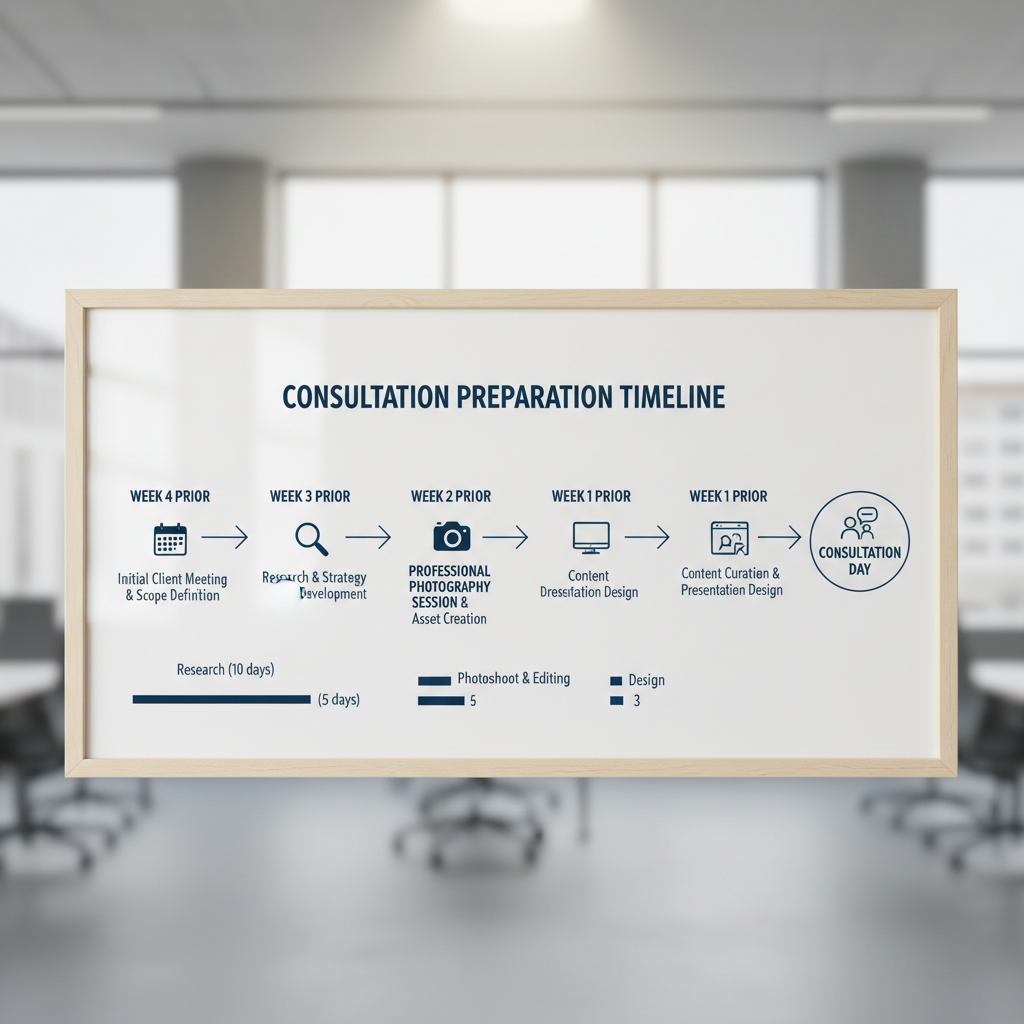
- Accurate birth data: full birth date for key people involved, with exact time of birth and birth location (city or coordinates). Even a 10 minute difference can change the hour pillar and thereby influence which doors, stars, and palaces are favorable.
- Event specifics: what the event is, start and end times if known, venue address and layout if relevant. For example a wedding, business launch, signing contract, surgery, relocation, job start. Include the number of people whose charts need to be considered.
- Constraints and non negotiables: dates that absolutely will not work, travel windows, legal deadlines, guests who must attend, and any cultural or religious considerations that restrict specific days or times.
- Desired outcomes and priorities: what matters most, such as harmony for a family event, success in negotiation for a business signing, minimal risk for a medical procedure, or auspicious direction for a house blessing.
- Relevant documents and historical dates: prior contracts, previous wedding date, prior accidents or major life changes that might inform pattern analysis, and the venue floorplan for in person ceremonies when directionality matters.
Lead Time and Scheduling Guidelines

Timing matters. From personal practice and client data, I recommend booking at least two to four weeks ahead for routine date selections. For complex matters where multiple charts must be harmonized, or where a narrow auspicious window is required, four to eight weeks is preferable. Approximately 60 percent of consultations I handle fall into the three to six week booking range; rush requests are possible but they limit options and may increase the cost.
If you have a hard deadline such as a court submission or visa appointment, notify your consultant immediately. In urgent cases, we can present priority options within 48 to 72 hours, but expect fewer optimal choices and more trade offs between auspiciousness and logistical feasibility.
How to Think about Trade Offs and Backup Dates

We often have to balance ideals with realities. A date may be perfect metaphysically but impossible for travel or venue availability. For that reason, always ask for a primary date plus at least two backups. A typical output from a thorough consultation includes:
- A top-choice date, with hour and direction recommendations
- Two acceptable alternatives ranked by suitability
- A short explanation of why each date was chosen, including any risks or compensating actions
- Clear instructions on timing windows, such as specific two hour slots that are most auspicious
Bring calendar flexibility when you can. Even moving a start time by one or two hours often resolves clashes and opens up better doors and stars.
Questions to Clarify before the Consultation

- Do you want a written report or a verbal consultation? Written reports are useful for record keeping and for sharing with family or event planners.
- Do you need follow up support for rescheduling or additional clarifications after you receive dates?
- Are other systems being used, such as feng shui direction, Bazi matching, or astrological charts, that should be integrated?
Answering these questions ahead of time saves session minutes and reduces the chance of misunderstandings. I always confirm the expected deliverables at the start of the session so you know exactly what to expect.
What Happens during a Date Selection Session, with Examples and Actionable Steps
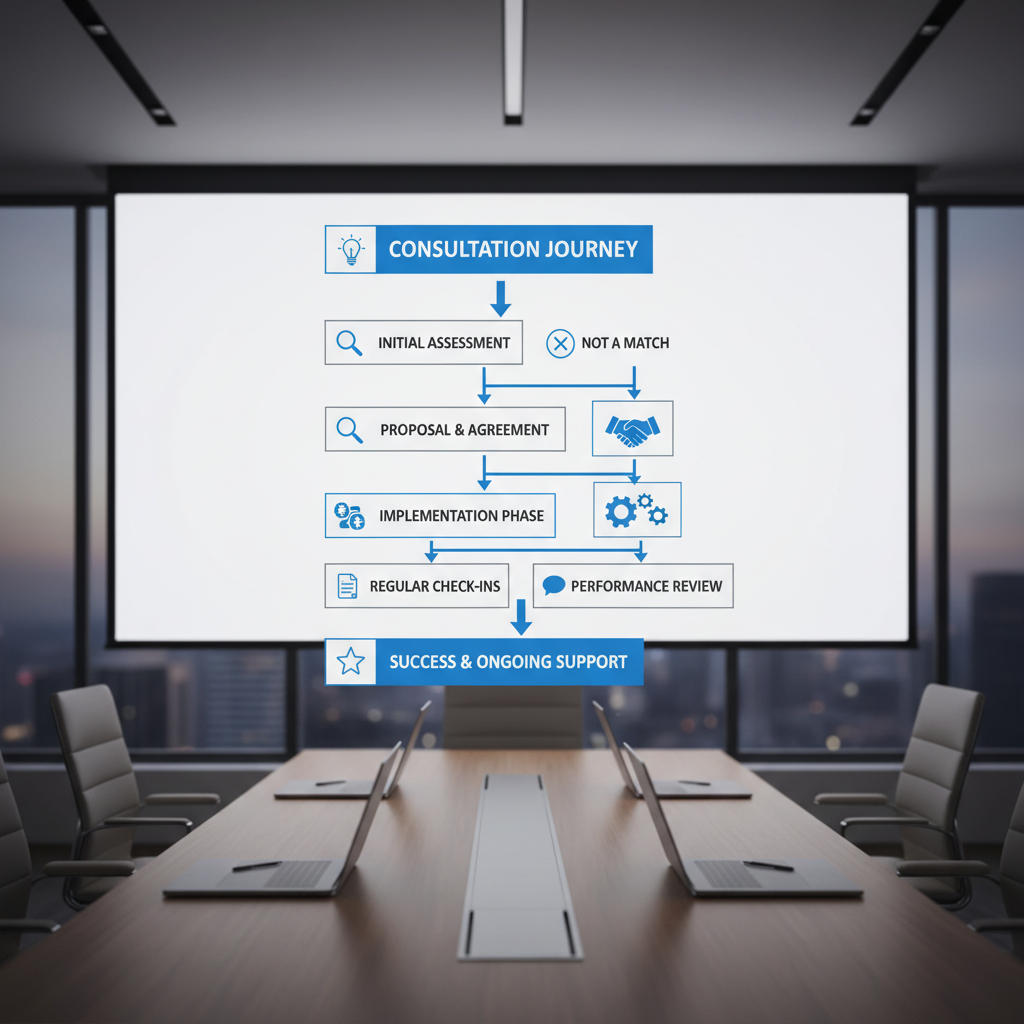
A professional Qi Men Dun Jia date selection consultation follows a methodical process. Below I describe each stage, give an example case so you can see how the analysis is applied, and provide practical actions you can implement immediately after the session.
Step by Step: the Typical Consultation Flow

- Intake and goals confirmation, where we review the event, participants, constraints, and desired outcomes.
- Chart construction, using the event window and birth data to build relevant Qi Men charts, including day and hour palaces, stars, doors, and deities.
- Compatibility and clash analysis, checking interactions between the event chart and participants’ natal energies, looking for emptiness, punishments, offenses, and direct clashes.
- Date candidate generation, filtering dates by favorable doors and stars for the event type, avoiding prohibitive clashes, and taking venue direction into account if relevant.
- Priority ranking and mitigation strategies, presenting the best options and suggesting practical mitigations for minor risks, such as timing adjustments or ritual protocols.
- Delivery of recommendations, usually with a written summary, precise timing windows, and clear instructions for actions to take before, during, and after the event.
Example Case Study: Product Launch

To make this concrete, imagine a startup founder named Mei who needs a launch date for a new product. Mei was born on May 12, 1990 at 14:15 in Shanghai. She wants an online launch that maximizes negotiation and team harmony. She cannot postpone beyond a legal deadline in late November and prefers weekends to maximize attendance.
Here’s how a typical analysis would proceed, summarized for clarity:
- We construct monthly and daily Qi Men charts for the candidate days in November. Because the event is public and relational, we prioritize doors associated with networking and communication, such as the Open door and the Life door, and stars that favor influence and clarity.
- Next we compare those day charts to Mei’s natal pillars. Suppose the day of November 14 has a direct clash with Mei’s birth month branch, and the hour that best suits marketing activity places the chief star in a Punishment with her day master. We mark that as suboptimal.
- We then examine November 20, where the chart shows the Open door aligned with a favorable star and no empty palaces for Mei’s critical pillars. The start time of 10:00 to 12:00 places the event in a two hour window where team harmony and persuasive influence are strengthened.
- We present November 20 as the top choice, with November 22 and 27 as acceptable alternatives. For the top choice we recommend specific onstage sequence suggestions, such as opening remarks to occur when the Life door timing begins, and to avoid a keynote speaker exactly at the hour boundary where a minor star conflict appears.
This example uses simplified reasoning, but it illustrates how the consultant translates complex symbolic interactions into practical timing and sequencing recommendations that you can act on.
Sample Phrases and Explanations You should Expect from a Consultant

- “The Open door appears with the Victory star on November 20, so this date supports public influence and conversions.”
- “There is a minor clash with the founder’s month branch on November 14; we can mitigate its effect by scheduling the keynote at 11:00 when a protecting deity enters the palace.”
- “Avoid starting contracts at the late hour on November 22, because the palace goes empty then, which increases ambiguity.”
These are the types of actionable, plain language directions that transform symbolic readings into steps you can follow. You should walk away with clear “do this, avoid that” items, not only abstract symbolism.
Post Consultation Actions You can Take

After the session, implement the following to get the most value from the work:
- Book the venue and send invitations for the recommended time windows as soon as possible to lock in logistics.
- Share the written report with key collaborators so timing commitments match the auspicious windows.
- Prepare any suggested ritual or symbolic actions the consultant recommended; for example a brief opening statement at a specified time, seating arrangements that align with favorable directions, or a small blessing performed by a trusted person.
- If a backup date is required, reserve it tentatively to retain options. That reduces stress if unexpected conflicts arise.
Common Mistakes, Red Flags, and How to Choose a Good Consultant
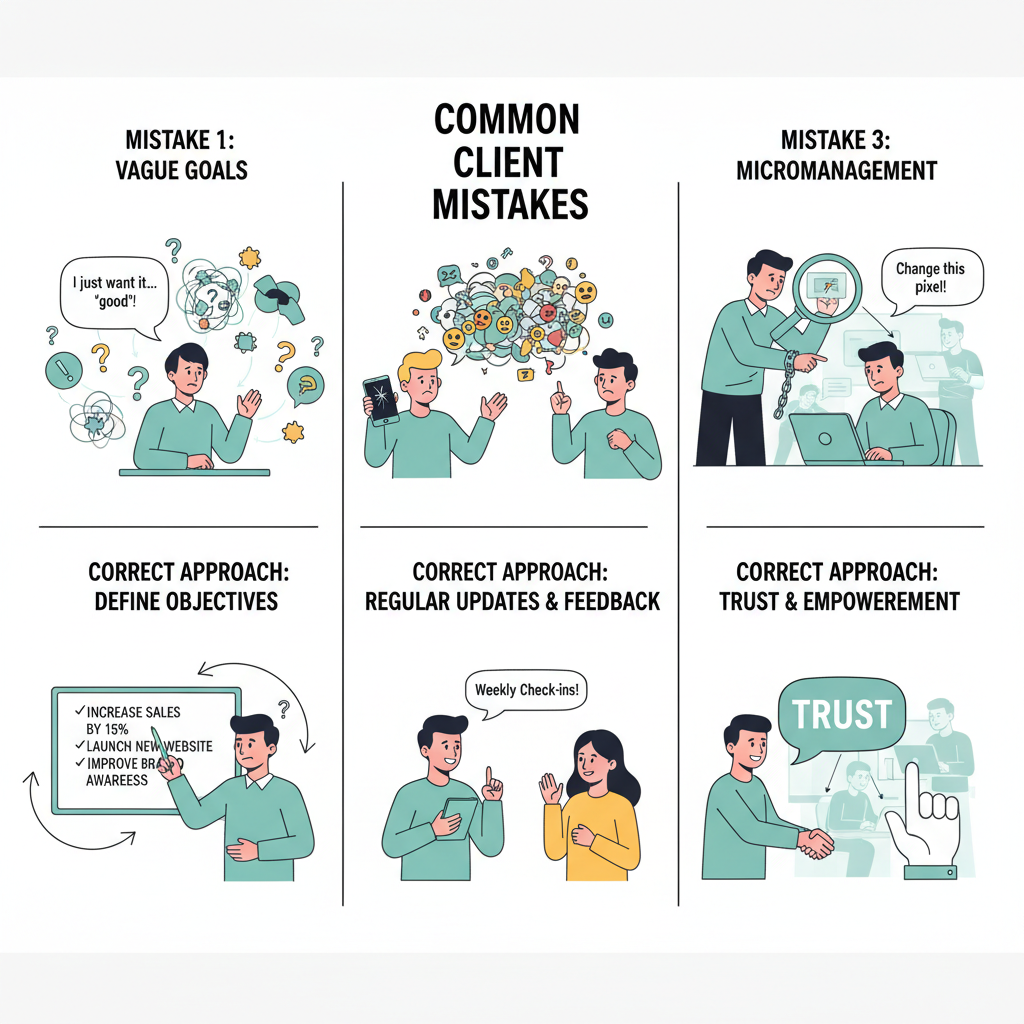
We have all seen advice that promises certainty or uses jargon to obscure poor methodology. Here I share common mistakes clients make and the warning signs to watch for when choosing someone to advise on date selection. I also give practical criteria to help you find a consultant who is competent and trustworthy.
Common Client Mistakes and How to Avoid Them
- Providing incomplete birth data: missing birth times or incorrect locations lead to inaccurate charts. Avoid this by requesting a copy of the birth certificate or asking family for the earliest reliable source of the time.
- Not communicating logistical constraints: a consultant cannot account for travel, guest availability, or legal deadlines if you omit them. List all non negotiable constraints upfront.
- Expecting guarantees: no method can remove all risk. A responsible consultant will explain probabilities and trade offs, not guarantee an outcome.
- Over relying on a single auspicious day: focusing only on a “perfect” day without alternates often leads to last minute compromises. Always secure backups.
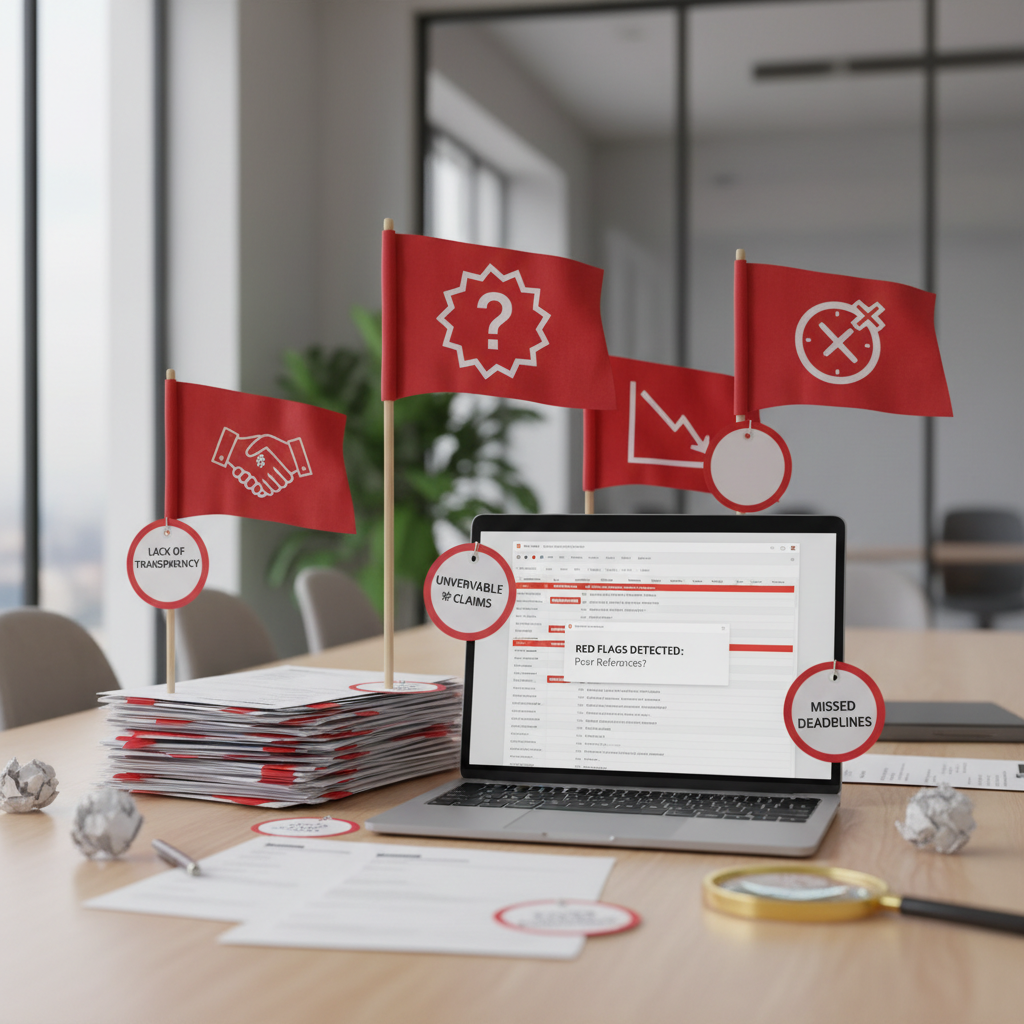
Red Flags When Selecting a Consultant

- Absolute guarantees: avoid anyone promising a 100 percent guarantee of success or claiming they can “force” luck. This is ethically dubious and unrealistic.
- Lack of transparency: if the practitioner cannot explain their methods simply, or refuses to provide a written report, treat that as a warning sign.
- Pressure for extra payments: upcharging after a date is selected, or demanding excessive fees for minor changes, indicates poor service design.
- One size fits all dates: a practitioner who offers the same dates for everyone is likely using generic calendars, not individualized charts.
How to Evaluate and Choose a Consultant
Use these practical criteria to shortlist and choose a consultant:
- Evidence of experience: look for case studies, testimonials, or work samples. Ask about the types of events they handle most often.
- Clarity in deliverables: a good consultant will state exactly what you will receive, such as a written report, timing windows, backup dates, and follow up policy.
- Method transparency: while some proprietary elements are normal, the consultant should explain core principles: which doors and stars they prioritize and how they treat clashes and emptiness.
- Reasonable pricing and policies: compare quotes and check cancellation and rescheduling terms. Ethical consultants will be upfront about extra costs for urgent requests.
- Communication style: choose someone who speaks in plain language, answers your questions, and treats you with respect. You will rely on their guidance when making significant decisions.
Frequently Asked Questions
1. How Much does a Qi Men Dun Jia Date Selection Consultation Usually Cost?

Prices vary widely depending on the consultant’s experience, the complexity of the event, and turnaround time. A straightforward single-person date selection typically ranges from an entry level fee to a professional fee. Urgent requests and multi-person harmonization will cost more. Always ask for a detailed quote that lists what is included: number of date options, written report, follow up calls, and rush fees.
2. How Long does a Typical Consultation Take, and When will I Get the Report?

A standard consultation session often runs 45 to 90 minutes, which includes intake and discussion. After the session, most consultants send a written summary within 24 to 72 hours. If you require a rapid turnaround, confirm availability and expedited delivery fees before booking.
3. can a Qi Men Dun Jia Date be Selected Remotely, or do I Need an in Person Meeting?

Remote consultations are common and effective. For most date selections, accurate birth data and venue information is sufficient. In person meetings can be helpful when geographical direction and on site feng shui alignment are important, such as a house blessing or an opening ceremony at a physical location. Discuss the venue needs with the consultant so they can recommend an in person visit if necessary.
4. What If Multiple People Involved have Conflicting Charts?

When several people are involved, such as both partners in a wedding or multiple business partners signing a contract, the consultant will analyze each chart and search for dates that minimize harmful interactions and maximize shared favorable energies. Sometimes a perfect match for all participants is impossible. In those cases we prioritize the person with the most at stake, or the overall group harmony, and present compromises with clear mitigation steps.
5. can a Date Selection Prevent Problems Like Legal Disputes or Business Failure?

Date selection is a tool to reduce risk and align symbolic timing with your goals. It is not a replacement for sound legal advice, business planning, or medical care. Use Qi Men Dun Jia date recommendations as one element in a broader strategy, combined with due diligence, contracts, insurance, and contingency plans.
6. How does Qi Men Dun Jia Differ from Other Date Selection Systems?

Qi Men Dun Jia focuses on a multi dimensional chart that includes doors, stars, palaces, and deities that interact with time and space. Compared to simpler almanac dates, Qi Men provides a personalized analysis tied to the event and participants. Many practitioners integrate Qi Men with Bazi or feng shui for a fuller picture, but Qi Men is especially powerful for timing and tactical decisions due to its granular palace level detail.
7. What If I Cannot Follow the Recommended Time Exactly, Down to the Hour?

We aim to recommend windows, not rigid moments. Most date selections provide two hour windows or sequences of two to three ideal times within a day. If you must deviate, choose the closest recommended window. For critical events like surgeries or contract signings, try to adhere closely to the recommended timeframe; for social events, slight flexibility is usually acceptable.
8. are There Cultural or Religious Considerations That a Consultant should be Aware Of?
Yes. Many clients have cultural or religious constraints such as avoiding certain lunar days, fasting periods, or other observances. Share these up front; a competent consultant will integrate those restrictions into the date search so that recommendations respect both metaphysical and cultural needs.
9. can I Get Reassurance That a Selected Date will be Successful?

No method can guarantee outcomes with certainty. A good consultation increases the odds by aligning timing with favorable symbolic patterns. Focus on the probability improvement and the pragmatic steps recommended to reduce risk. Ask the consultant to explain the risks and the expected magnitude of benefit in plain language.
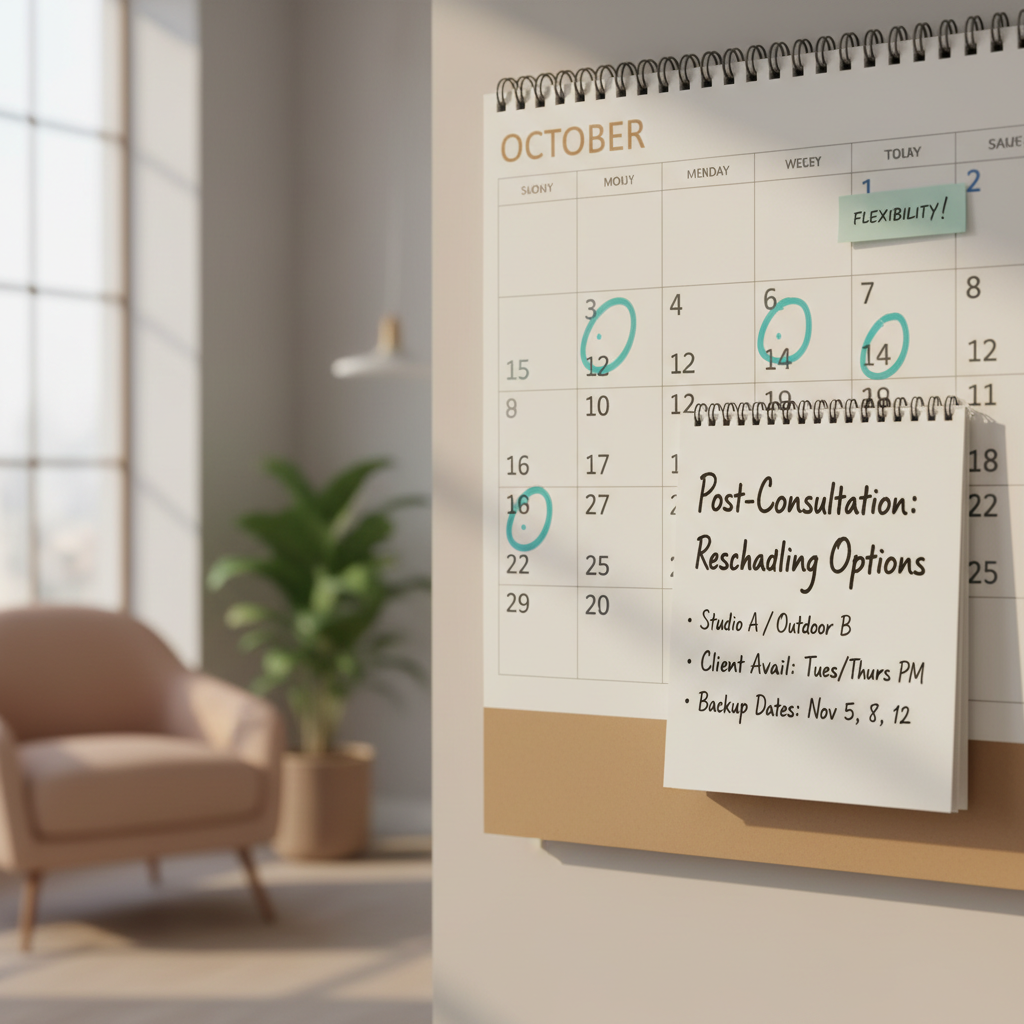
10. What should I do If I Need to Reschedule after Receiving the Date?
Contact your consultant immediately. If the new window is still within the original planning horizon, you may be able to adjust using the same analysis at minor cost. For last minute changes, expect additional fees and fewer optimal alternatives. Always retain the backup dates provided initially to reduce the chance of urgent rescheduling.
Conclusion

Qi Men Dun Jia date selection consultation is a practical, nuanced method for choosing timing that aligns symbolic energies with your real life objectives. When approached thoughtfully, it can improve the probability of smoother outcomes for weddings, contracts, launches, medical procedures, and many other important events. The real value comes from combining precise preparation, realistic expectations, and a consultant who communicates clearly and transparently.
To summarize actionable next steps:
- Gather full, accurate birth data and the venue details before your appointment.
- Book a consultation with at least two to four weeks lead time for routine cases, or earlier for complex needs.
- Request a written report, two backup dates, and clear mitigation strategies for any identified risks.
- Choose a consultant who is transparent about methods, provides sample explanations, and offers reasonable follow up support.
If you are ready, reach out with your event details and start the intake process. With thoughtful preparation and the right guidance, you will be positioned to select dates that serve your goals and reduce avoidable friction. I encourage you to prepare the items listed above, and to ask potential consultants for sample reasoning so you can feel confident in the approach you choose.
Leave a Reply
You must be logged in to post a comment.