
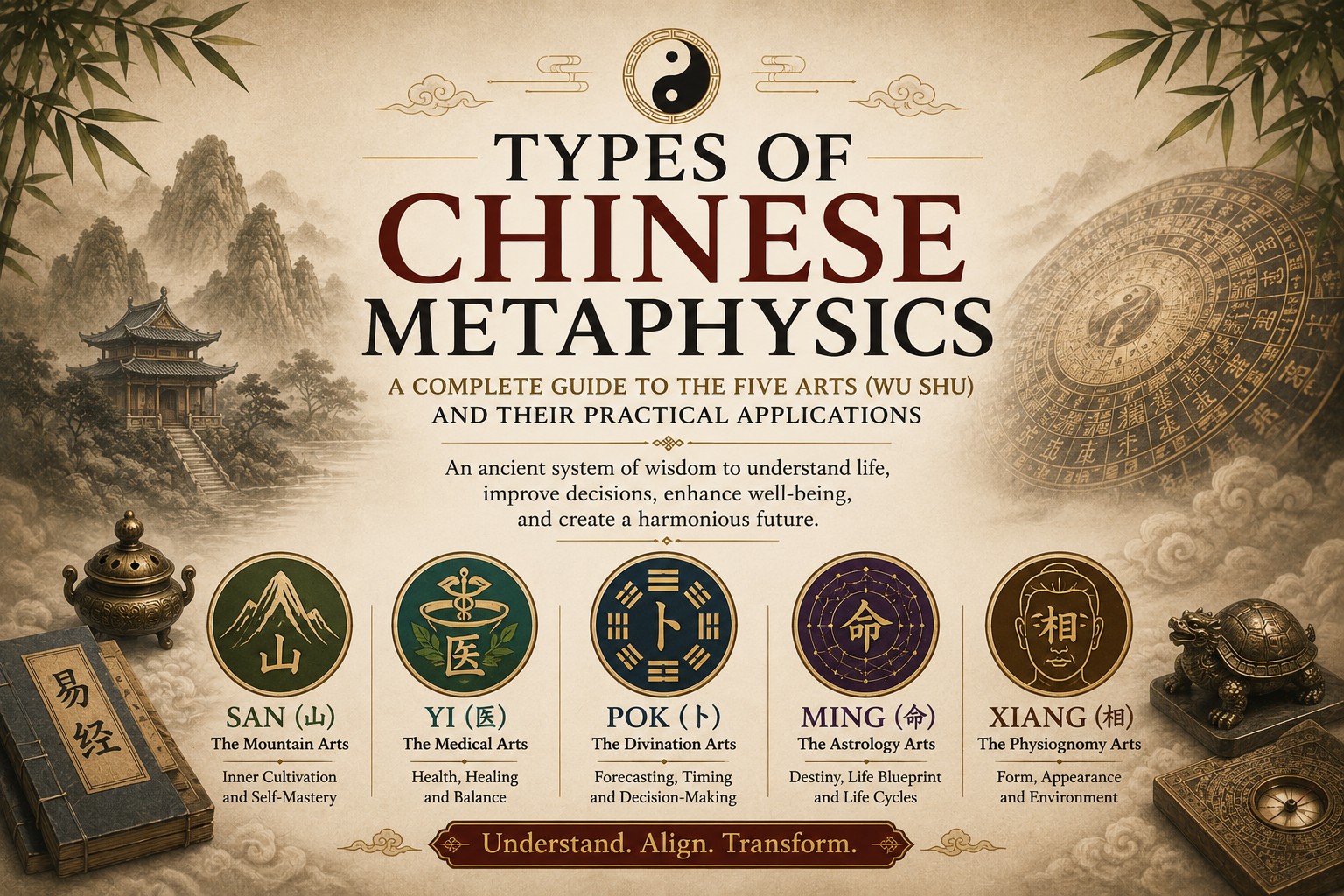
A Complete Guide to the Five Arts (Wu Shu) and Their Practical Applications
Chinese metaphysics is not a single system but a complete ecosystem of knowledge developed over thousands of years to understand human life, destiny, health, environment, and decision-making. At its highest level, Chinese metaphysics is practical wisdom – a framework for living in alignment with natural law, cosmic timing, and human potential.
All classical systems of Chinese metaphysics are traditionally classified under the Five Arts, known as Wu Shu (五术). These five arts represent different ways of observing, interpreting, and influencing reality. While each art has its own methodology and application, they are interconnected, transferable, and mutually supportive.
This article presents a comprehensive and SEO-optimized exploration of the Five Arts of Chinese Metaphysics, explaining what each art is, how it works, and how it is applied in both traditional and modern contexts.
1. What Are the Five Arts of Chinese Metaphysics (Wu Shu)?
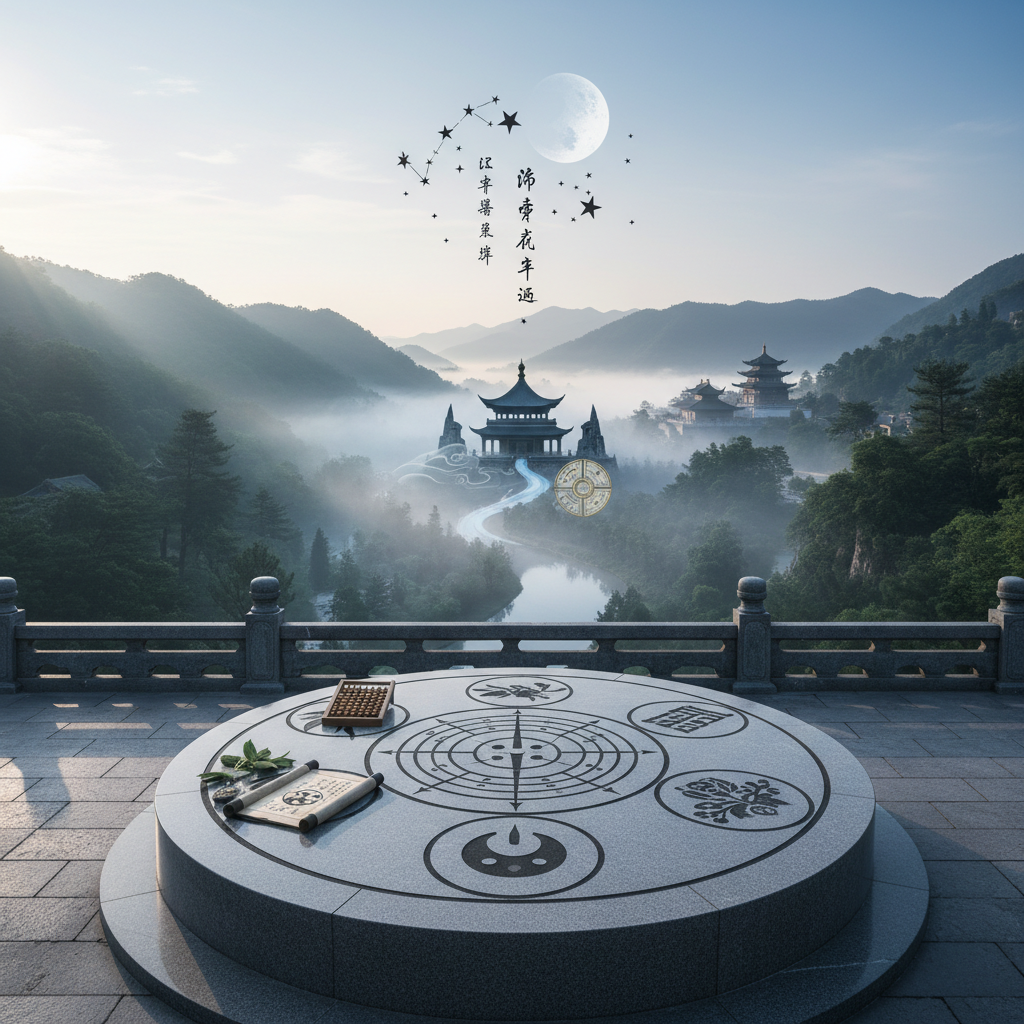
The Five Arts of Chinese Metaphysics, collectively known as Wu Shu (五术), form the classical framework through which Chinese sages categorized metaphysical knowledge.
The Five Arts are:
- SAN (山) – The Mountain Arts
- YI (医) – The Medical Arts
- POK (卜) – The Divination and Forecasting Arts
- MING (命) – The Astrology and Destiny Arts
- XIANG (相) – The Physiognomy and Form Arts
Each art focuses on a different dimension of human existence:
- Inner cultivation
- Physical health
- Future prediction
- Destiny and life structure
- External form and environment
Together, they provide a holistic understanding of life, balancing inner self, outer world, and cosmic timing.
2. SAN (山): The Mountain Arts – Inner Cultivation and Self-Mastery
2.1 Meaning and Philosophy of SAN
The word SAN (山) literally means mountain. Symbolically, the mountain represents stillness, stability, discipline, and spiritual elevation. The Mountain Arts focus on inner development, self-mastery, and alignment between mind, body, and spirit.
Unlike other arts that analyze external conditions, SAN emphasizes personal cultivation. It is the foundation upon which all other metaphysical practices stand.
2.2 Core Disciplines Within the Mountain Arts

The Mountain Arts include practices that directly or indirectly connect humans with nature and internal awareness, such as:
- Meditation
- Breathing techniques
- Qi cultivation
- Moral discipline
- Martial arts
- Spiritual refinement
These practices strengthen a person’s internal Qi, mental clarity, emotional stability, and willpower.
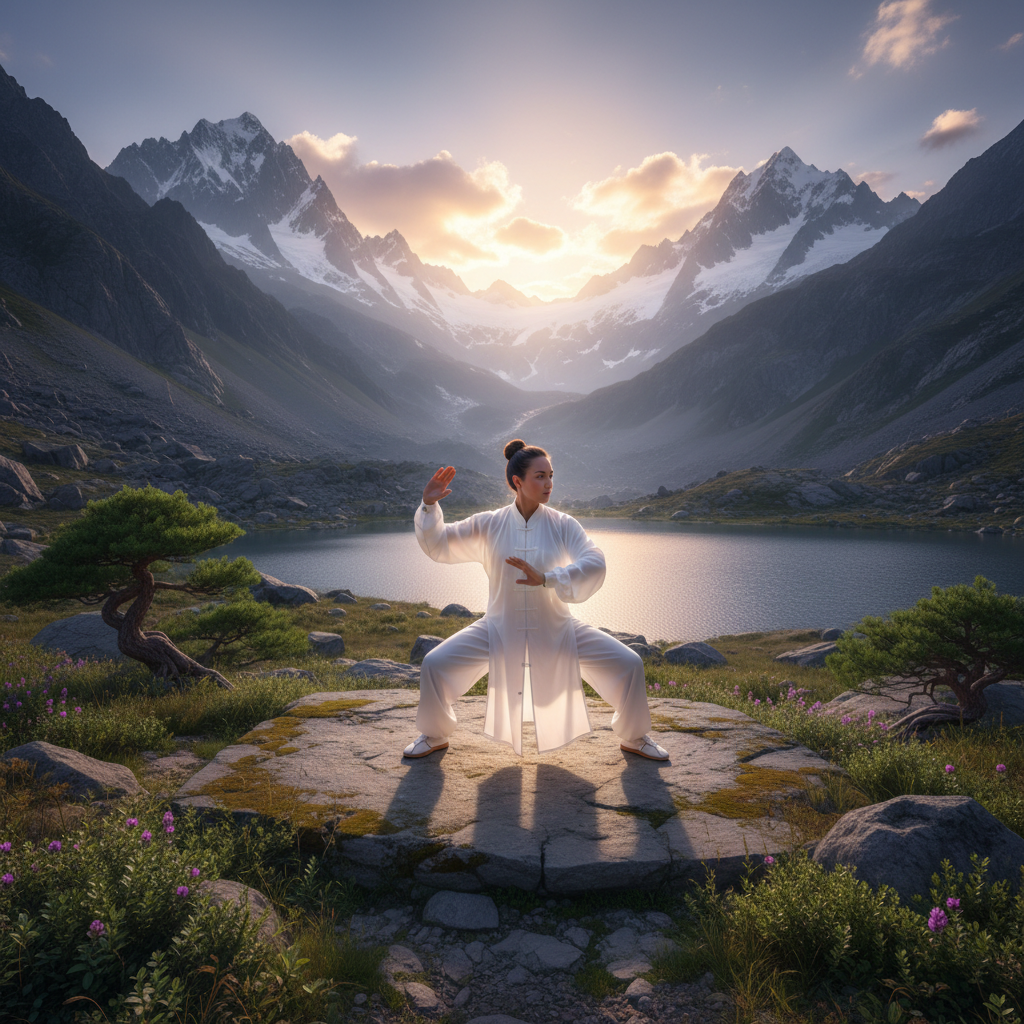
2.3 Tai Chi and Qi Gong as Mountain Arts
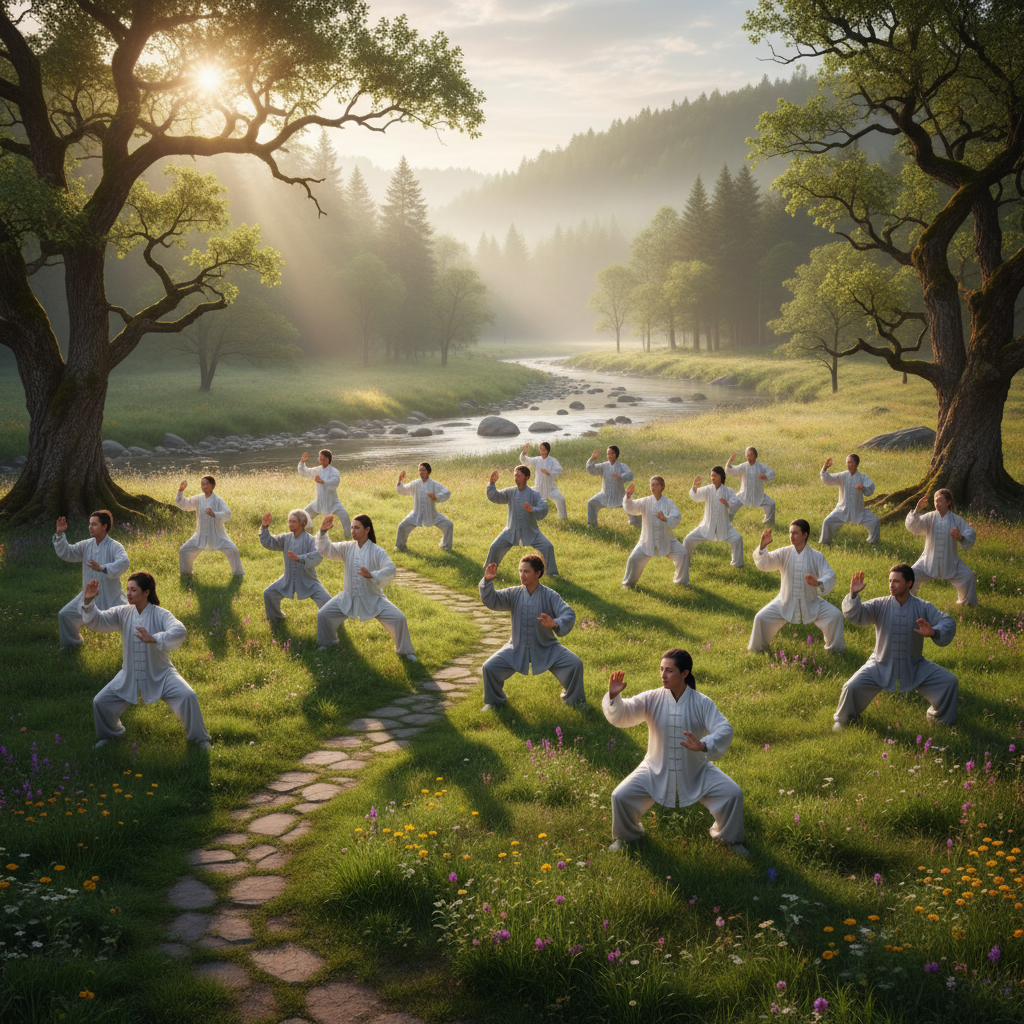
Two of the most widely recognized Mountain Arts are Tai Chi (太极) and Qi Gong (气功).
- Tai Chi emphasizes slow, continuous movement to cultivate balance, flow, and internal power.
- Qi Gong focuses on breathing, intention, and posture to regulate and strengthen life force energy (Qi).
Both practices enhance:
- Physical health
- Emotional balance
- Longevity
- Mental clarity
They also provide the energetic sensitivity needed to understand and apply the other four arts effectively.
2.4 Taoism and Spiritual Cultivation
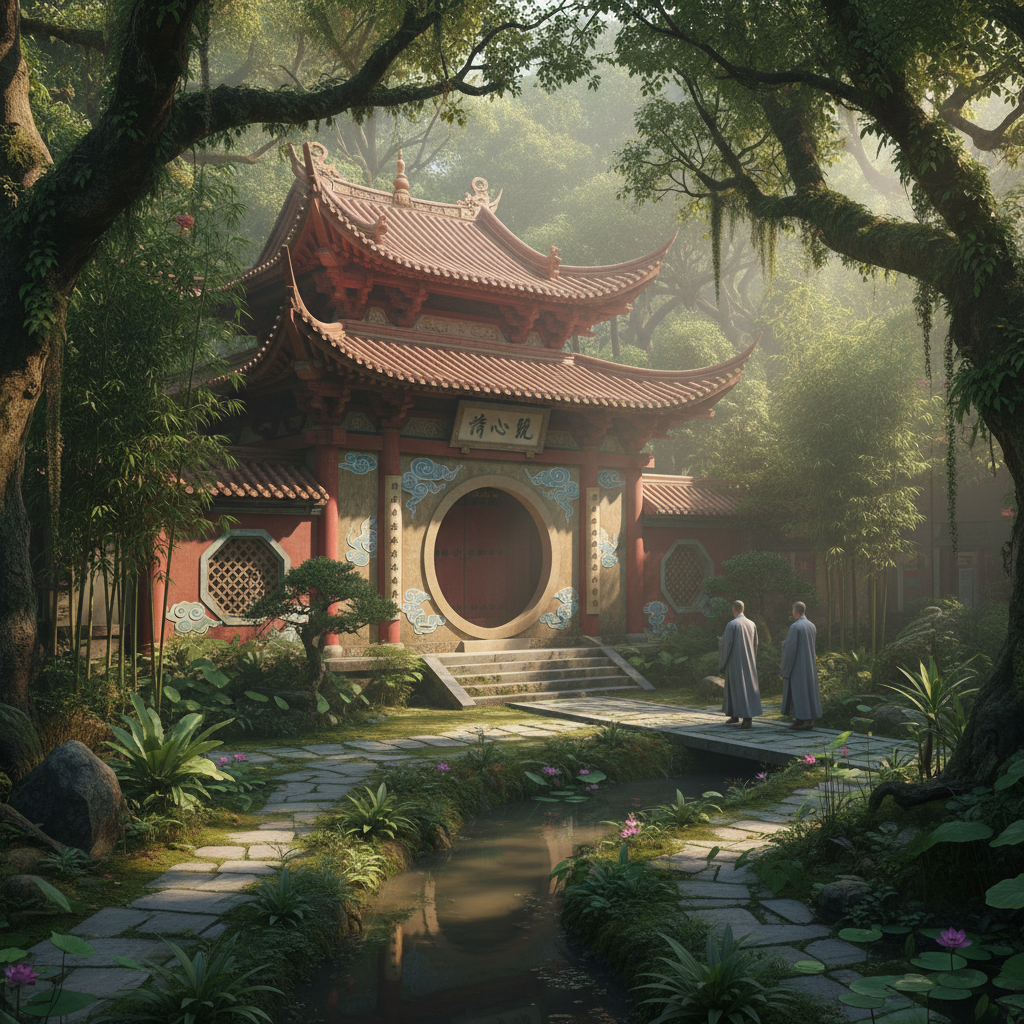
Taoist philosophy and cultivation practices are deeply embedded within the Mountain Arts. Taoism teaches:
- Living in harmony with nature
- Following natural cycles
- Avoiding force and resistance
- Achieving longevity and inner peace
In classical Chinese metaphysics, true mastery begins with self-cultivation, not prediction or control.
2.5 Modern Applications of SAN
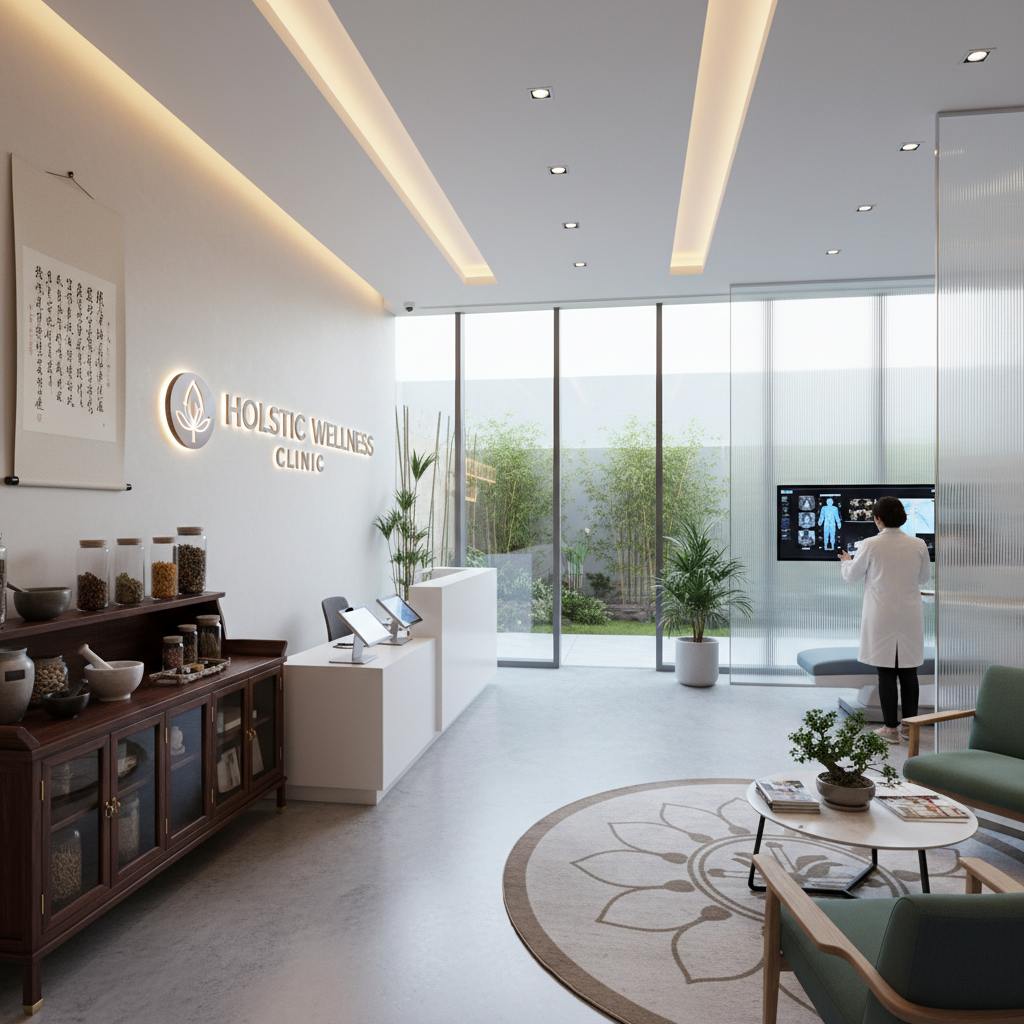
In modern life, the Mountain Arts are applied to:
- Stress management
- Leadership development
- Emotional intelligence
- Peak performance
- Personal discipline
SAN builds the inner strength required to make correct decisions, even under pressure.
3. YI (医): The Medical Arts – Health, Healing, and Balance
3.1 Understanding YI in Chinese Metaphysics
YI (医) refers to the medical and healing arts. In Chinese metaphysics, health is not merely the absence of illness but a dynamic balance of internal systems aligned with natural law.
YI focuses on:
- Prevention rather than cure
- Root causes rather than symptoms
- Balance rather than suppression
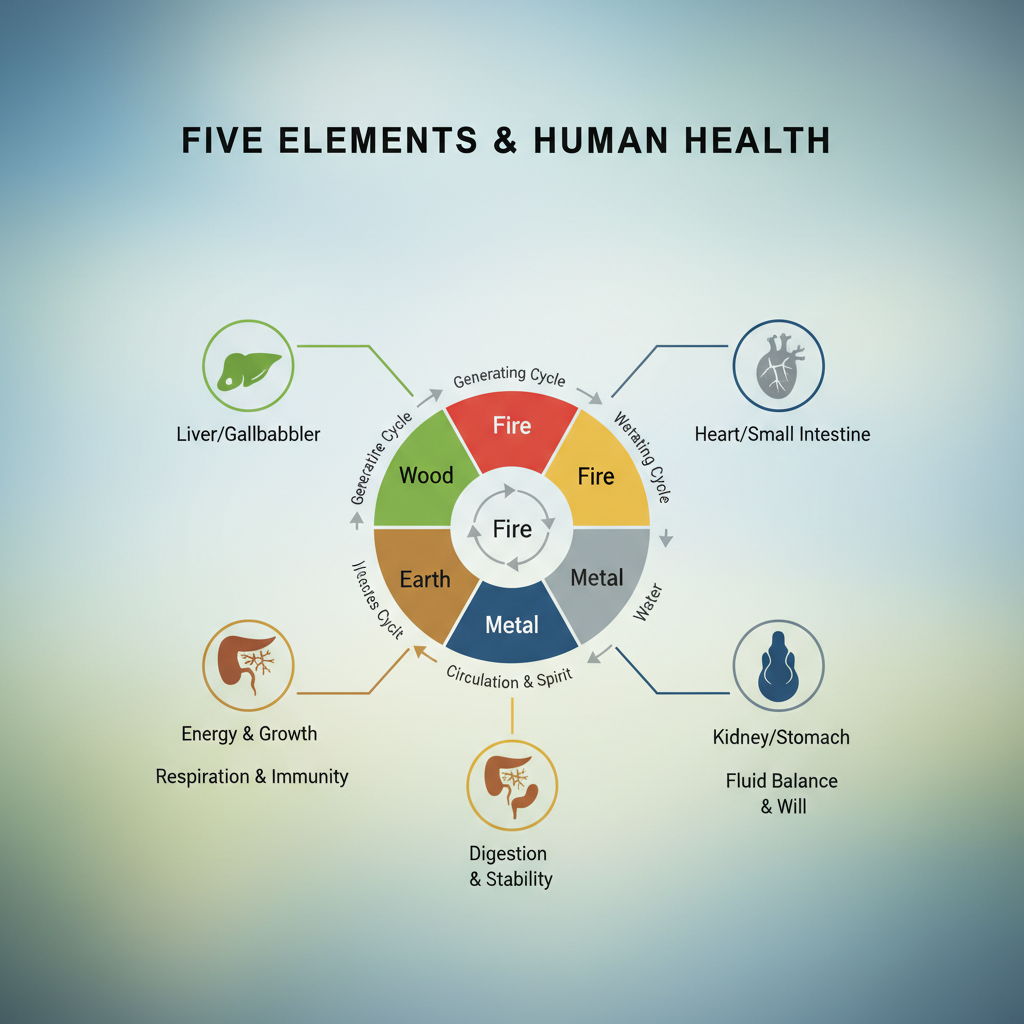
3.2 The Five Elements and Human Health

Chinese medicine is built upon the Five Elements (Wood, Fire, Earth, Metal, Water), which correspond to the body’s major organs:
- Wood → Liver
- Fire → Heart
- Earth → Spleen
- Metal → Lungs
- Water → Kidneys
Health exists when these elements interact harmoniously. Disease arises when one element becomes excessive or deficient.
3.3 Core Principles of the Medical Arts
The Medical Arts emphasize:
- Qi circulation
- Yin-Yang balance
- Seasonal alignment
- Emotional regulation
- Lifestyle harmony
Anything that disrupts balance – stress, improper diet, emotional extremes – leads to illness.
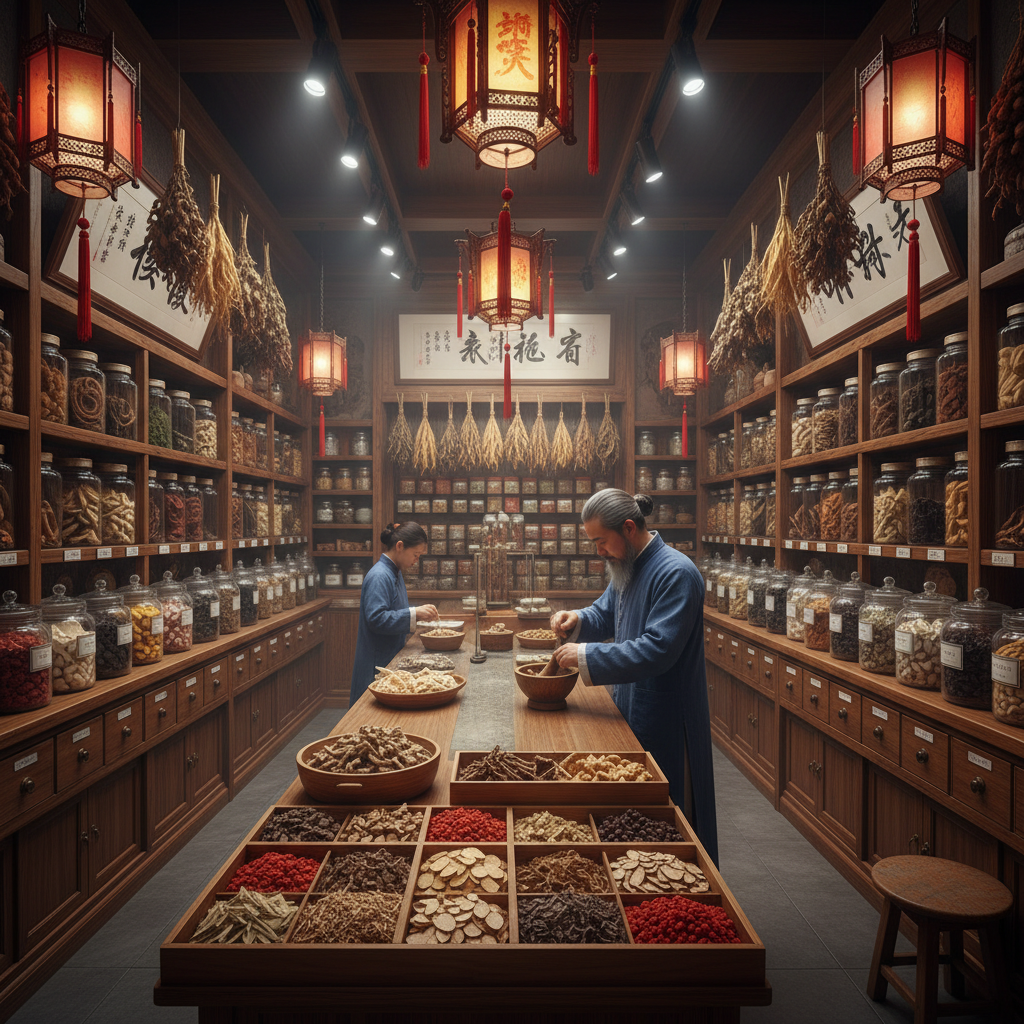
3.4 Traditional Chinese Medicine (TCM)
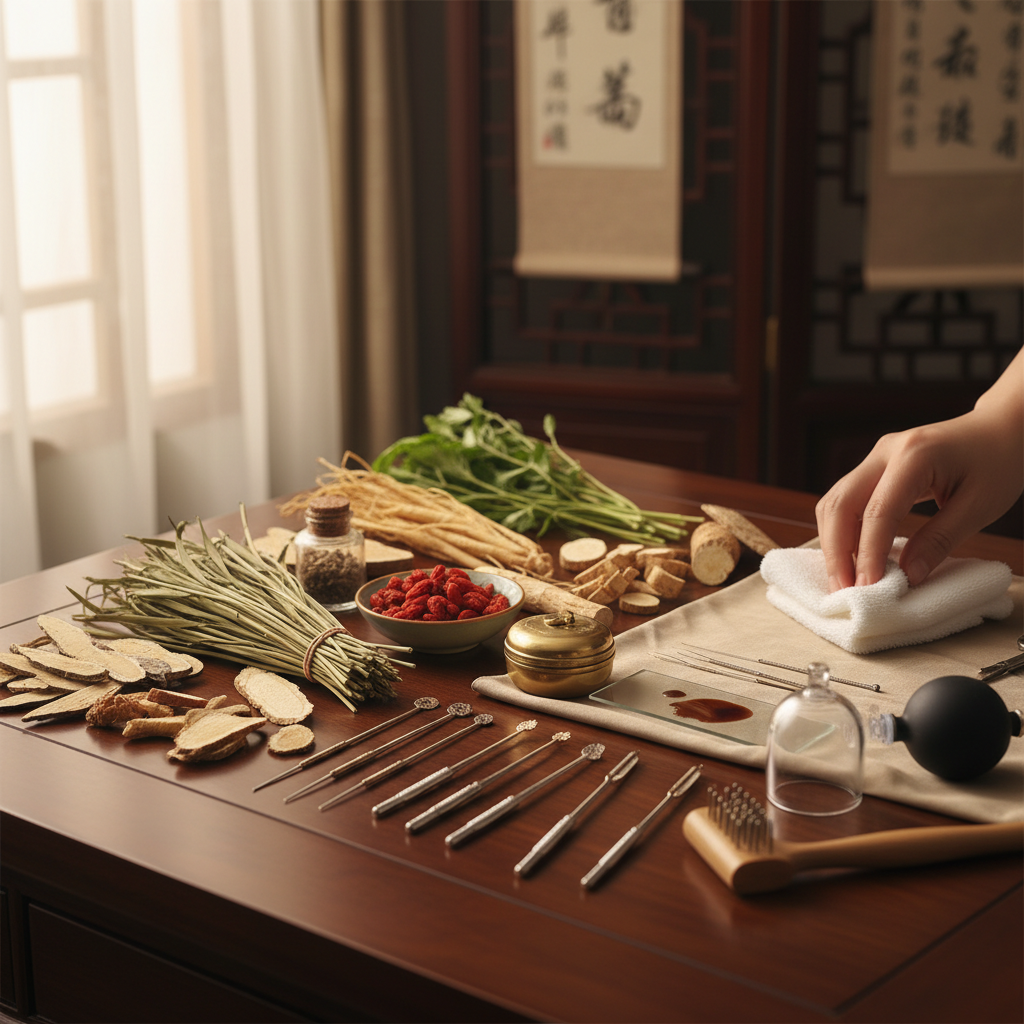
YI includes traditional healing modalities such as:
- Acupuncture
- Herbal medicine
- Dietary therapy
- Moxibustion
- Tui Na (medical massage)
These methods aim to restore balance, not fight disease aggressively.
3.5 YI in Modern Life
In today’s world, the Medical Arts are applied to:
- Preventive healthcare
- Chronic illness management
- Mental health support
- Longevity planning
YI teaches that a successful life is impossible without a healthy body.
4. POK (卜): The Divination Arts – Forecasting and Decision-Making
4.1 What Is POK?
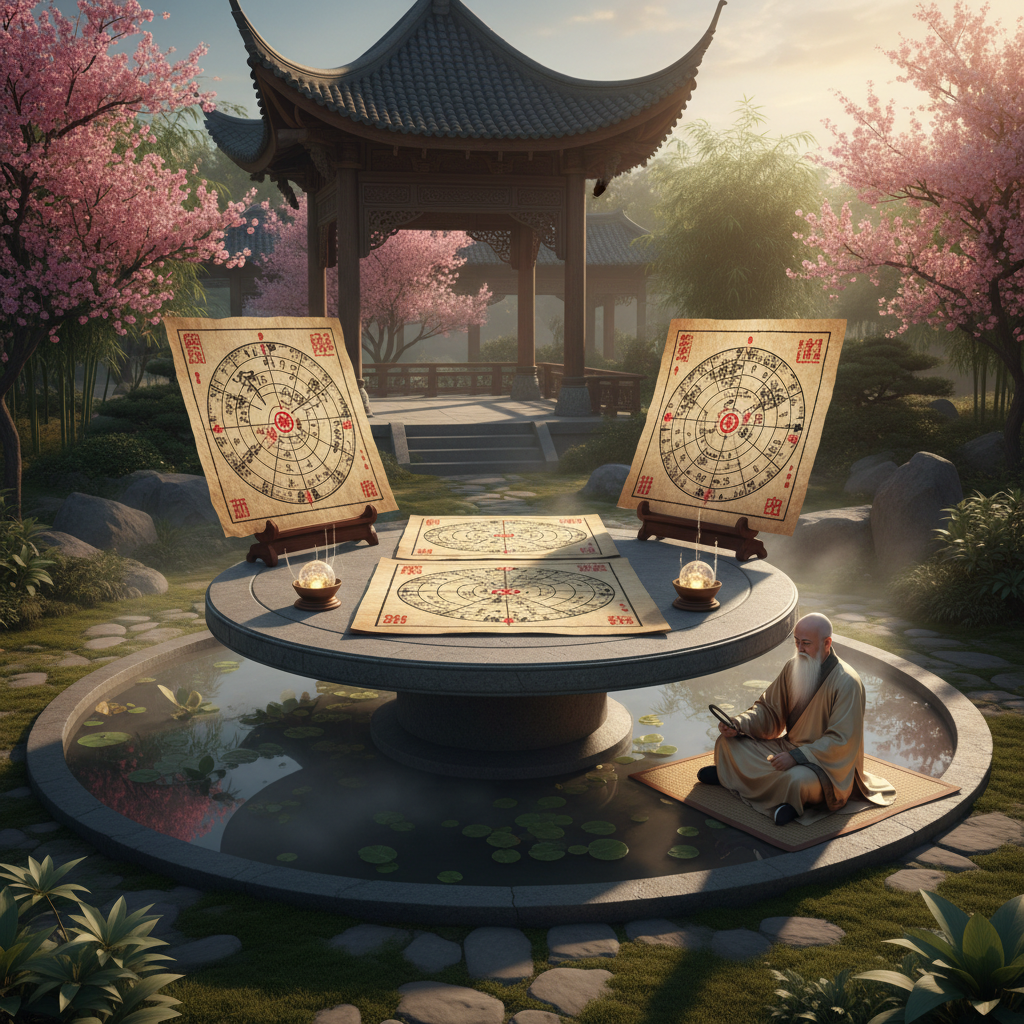
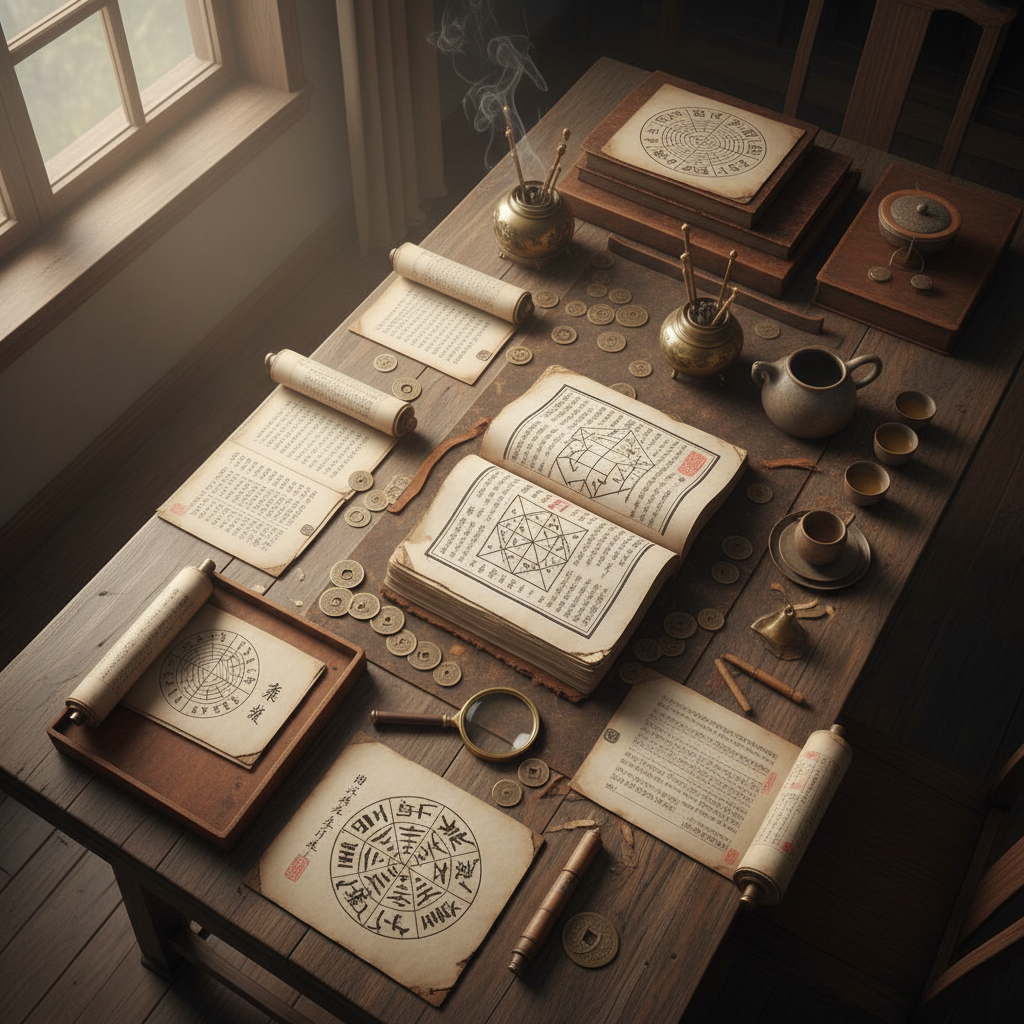
POK (卜) represents the arts of divination and future forecasting. It answers questions related to:
- What will happen?
- When should action be taken?
- Which option is better?
POK does not rely on intuition alone but uses structured symbolic systems and mathematical models.
4.2 The Book of Changes (Yi Jing)
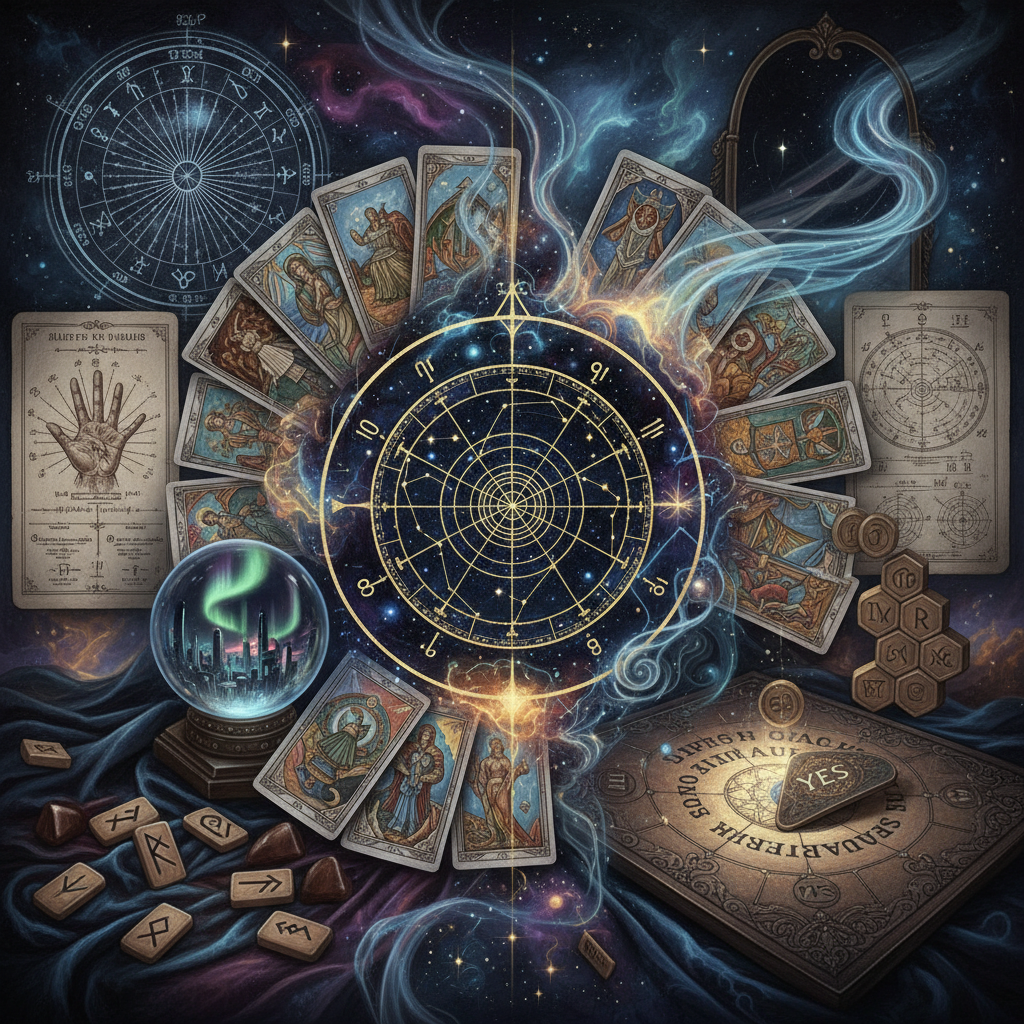
The most influential foundation of POK is the Yi Jing (易经), also known as The Book of Changes.
The Yi Jing teaches that:
- Change is constant
- Outcomes depend on timing and position
- Correct action aligns with the moment
It uses hexagrams to describe states of change rather than fixed fate.
4.3 Qi Men Dun Jia as a Divination Art
 Qi Men Dun Jia as a Divination Art” style=”max-width: 100%; height: auto; border-radius: 8px;” />
One of the most advanced tools within POK is Qi Men Dun Jia (奇门遁甲).
Qi Men Dun Jia was historically used by:
- Military strategists
- Emperors
- Political advisors
It is designed to:
- Evaluate immediate situations
- Identify hidden advantages
- Determine optimal timing and direction
4.4 Tai Yi and Other Divination Systems
Other POK systems include:
- Tai Yi divination
- Date selection systems
- Numerical forecasting models
Each system provides a different lens of prediction, depending on the complexity and urgency of the question.
4.5 Modern Uses of POK
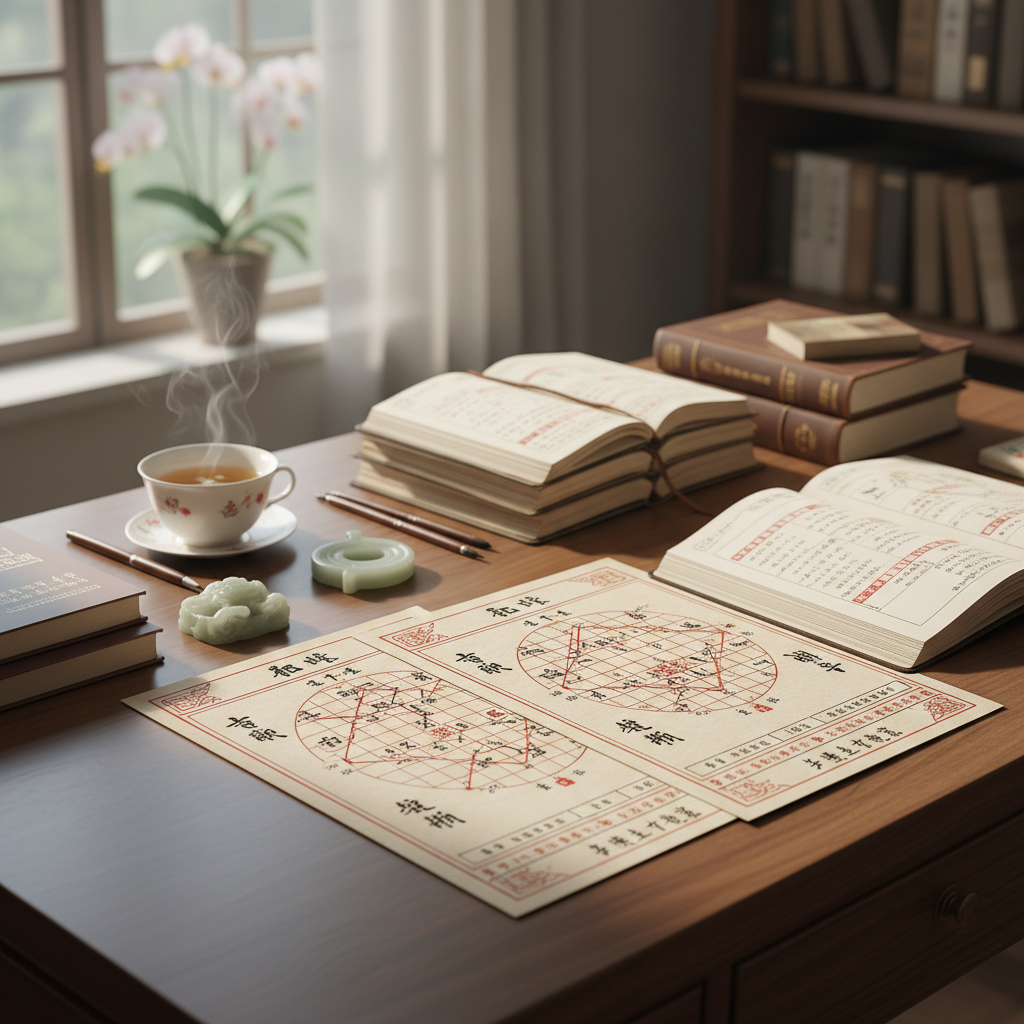
Today, the Divination Arts are used for:
- Business decisions
- Legal matters
- Investments
- Crisis management
- Strategic planning
POK is not superstition – it is situational intelligence.
5. MING (命): The Astrology Arts – Destiny and Life Structure
5.1 Understanding MING
MING (命) refers to destiny, life blueprint, and inherent structure. It is the art of understanding who a person is at birth and how their life unfolds over time.
MING answers questions such as:
- What are my strengths and weaknesses?
- What type of career suits me?
- When will opportunities arise?
5.2 BaZi (Eight Characters / Four Pillars of Destiny)
The most widely used system under MING is BaZi (八字).
BaZi analyzes:
- Year pillar
- Month pillar
- Day pillar
- Hour pillar
Each pillar contains:
- A Heavenly Stem
- An Earthly Branch
Together, they reveal:
- Personality
- Wealth structure
- Career potential
- Relationship tendencies
- Luck cycles
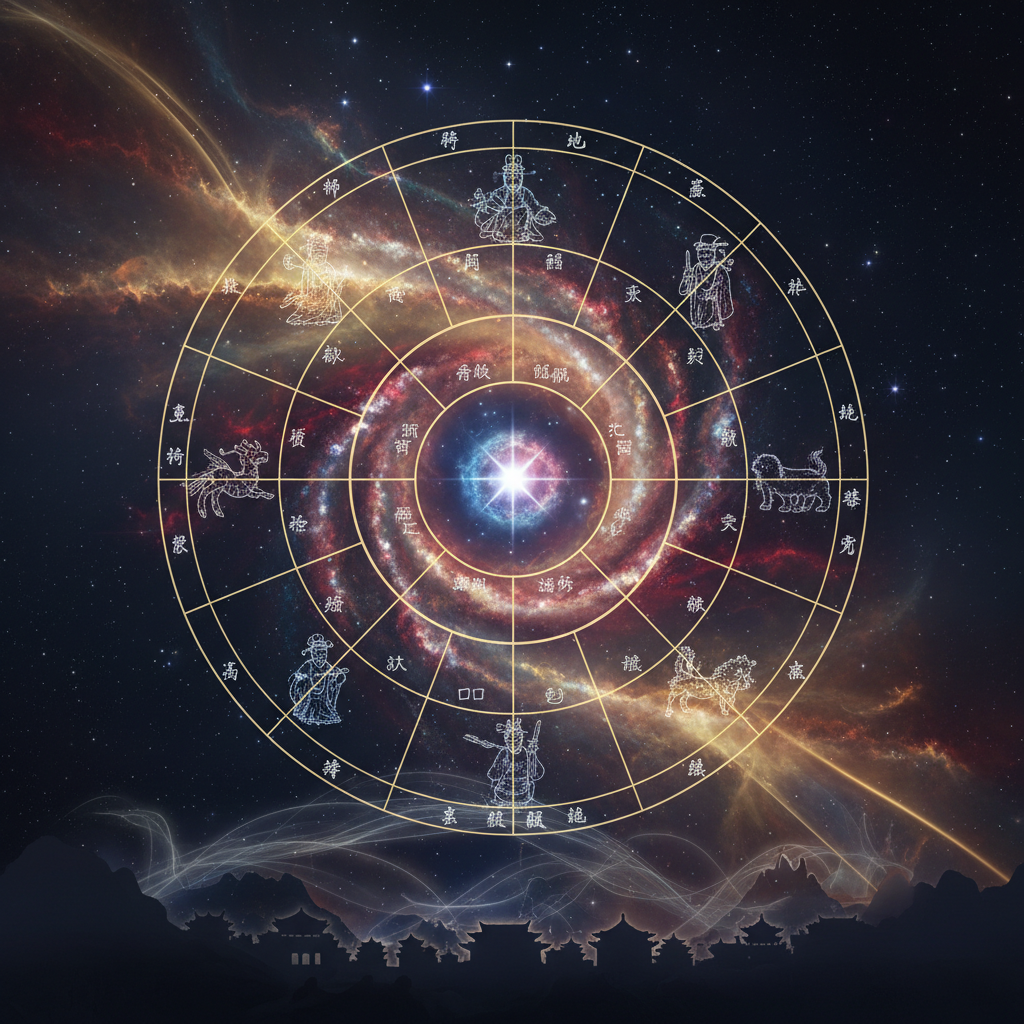
5.3 Zi Wei Dou Shu (Purple Star Astrology)
Another major MING system is Zi Wei Dou Shu (紫微斗数), also known as Purple Star Astrology.
This system:
- Uses star placements
- Analyzes life palaces
- Provides detailed life narratives
Zi Wei Dou Shu is often considered more descriptive, while BaZi is more strategic.
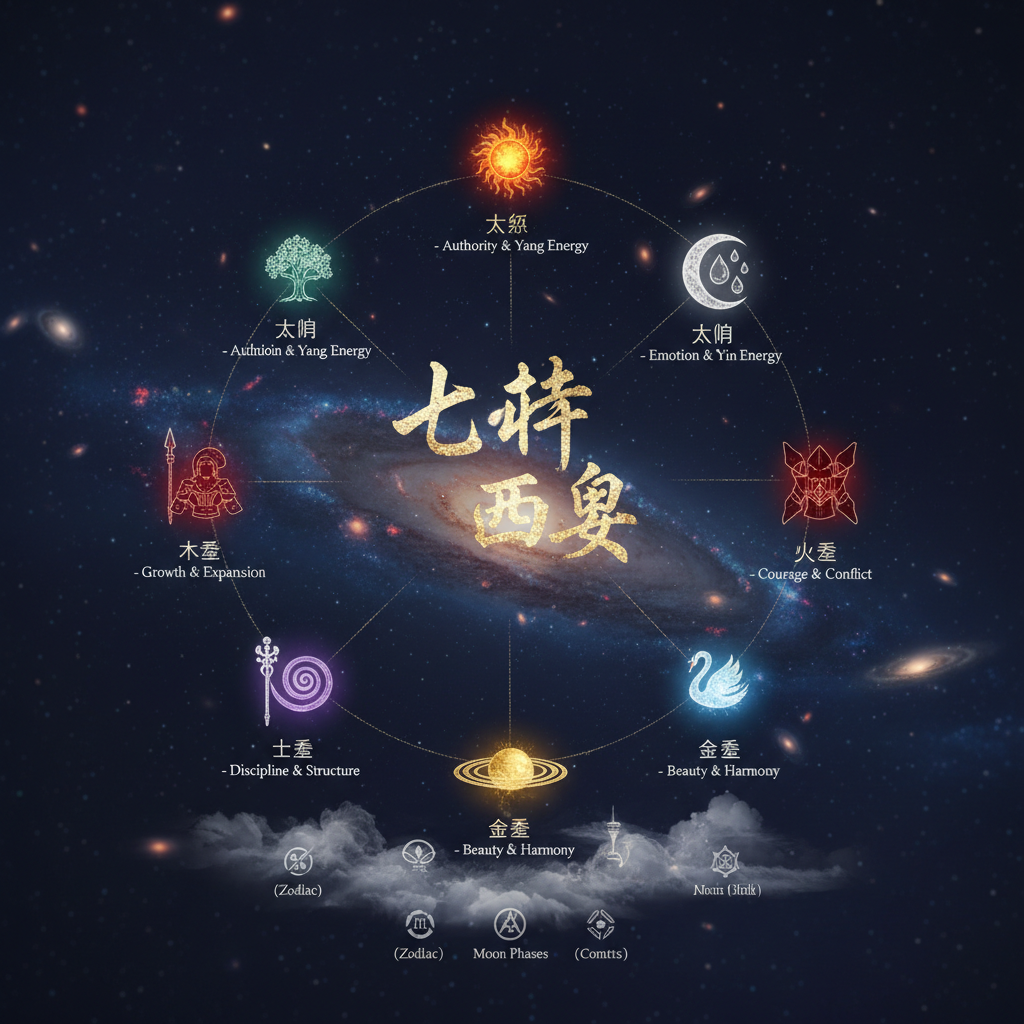
5.4 Qi Zheng Si Yu (Seven Stars and Four Auxiliaries)
This lesser-known but powerful system focuses on:
- Major stars
- Auxiliary influences
- Destiny dynamics
It adds another layer of precision to destiny analysis.
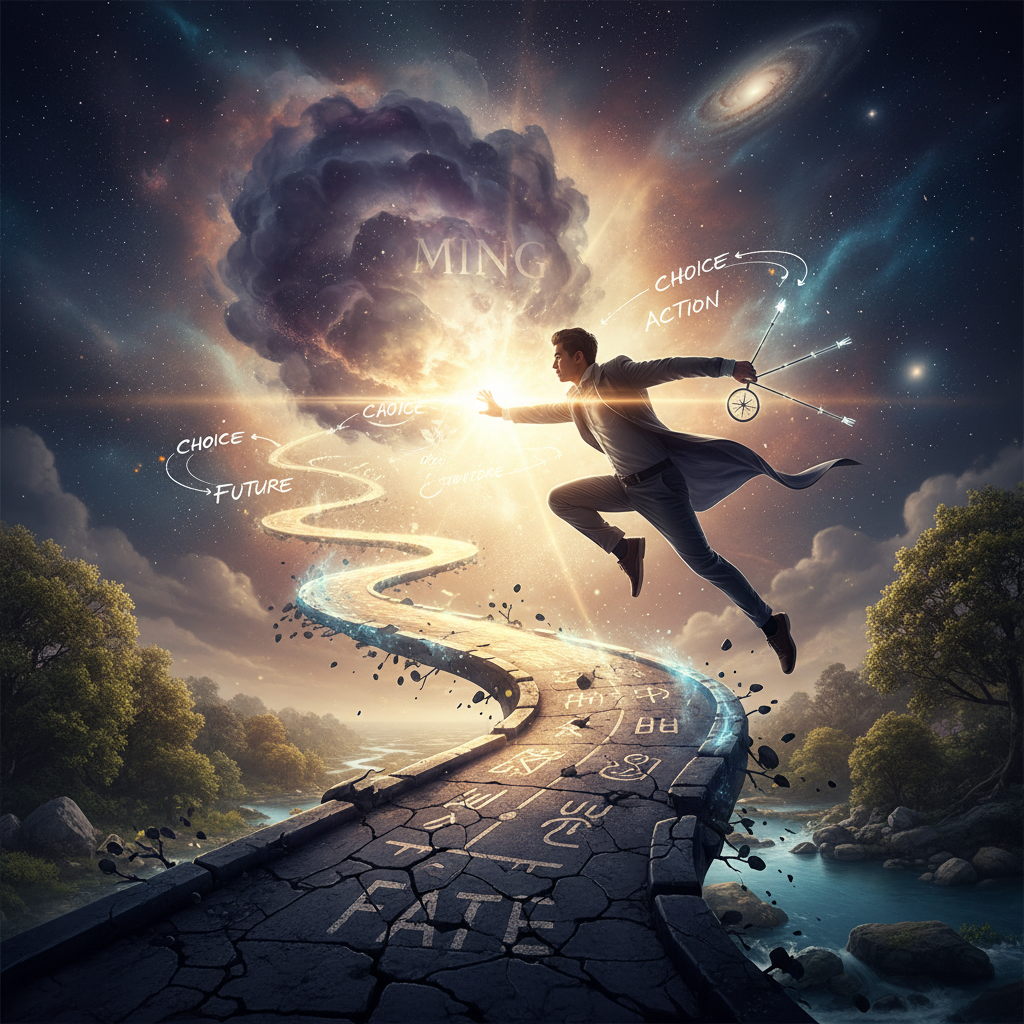
5.5 Why MING Is Not Fatalistic
MING does not say life is fixed. Instead, it shows:
- What is controllable
- What requires strategy
- What should be accepted
Understanding destiny allows better choices, not resignation.
6. XIANG (相): The Physiognomy Arts – Form, Appearance, and Environment
6.1 Meaning of XIANG
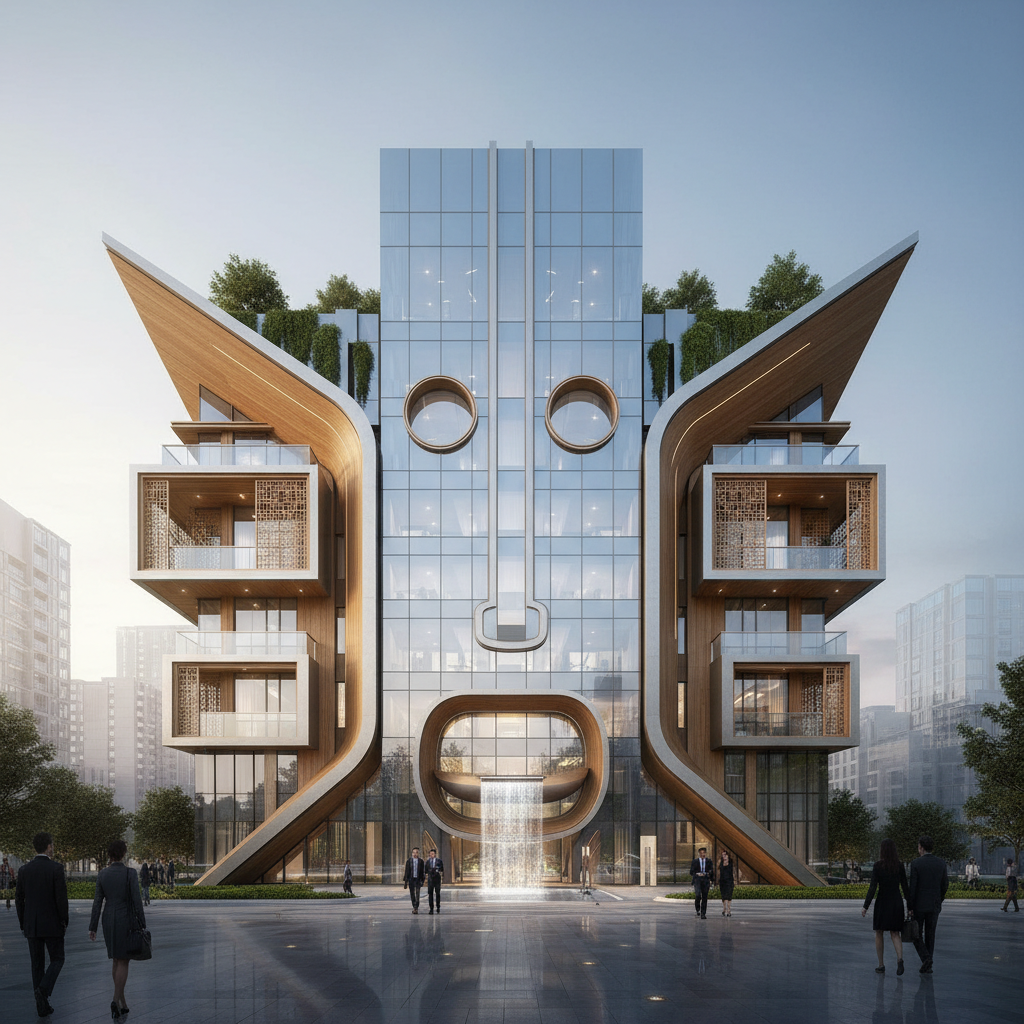
XIANG (相) refers to form, appearance, and physical manifestation. It studies how external forms reflect internal reality.
This art applies to:
- Human appearance
- Buildings
- Landscapes
- Names and symbols
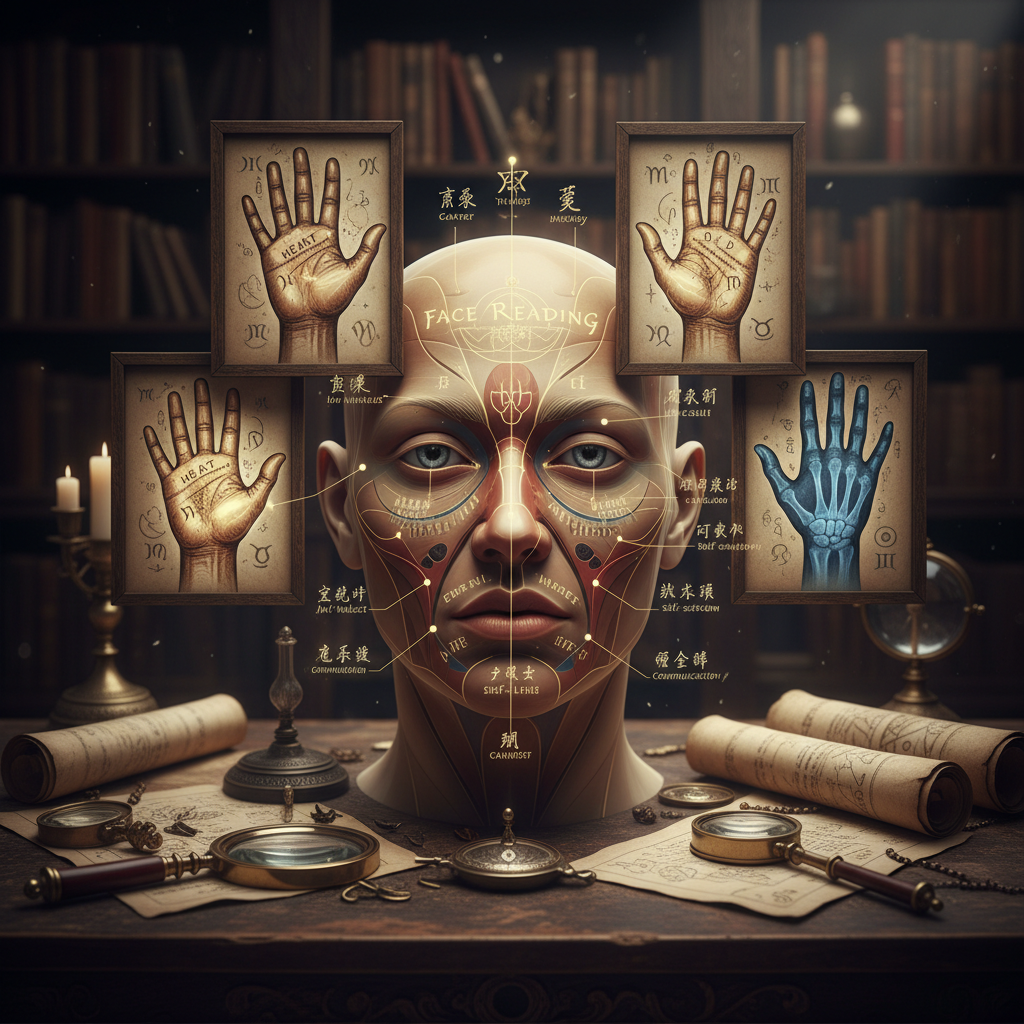
6.2 Face Reading and Physiognomy
Face reading analyzes:
- Facial structure
- Features
- Proportions
It is used to understand:
- Character traits
- Behavioral tendencies
- Life patterns
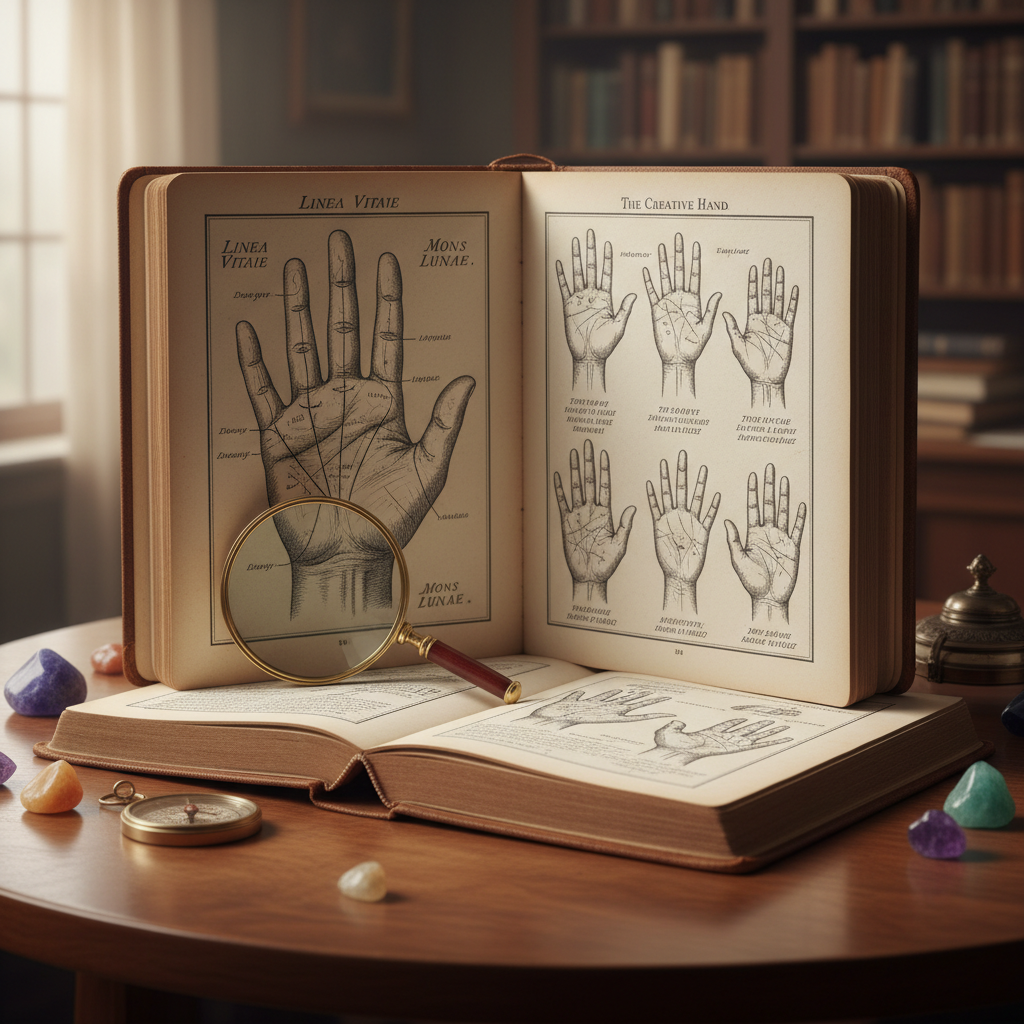
6.3 Palmistry
Palmistry studies:
- Palm shape
- Lines
- Mounts
It reflects:
- Potential
- Energy flow
- Life direction
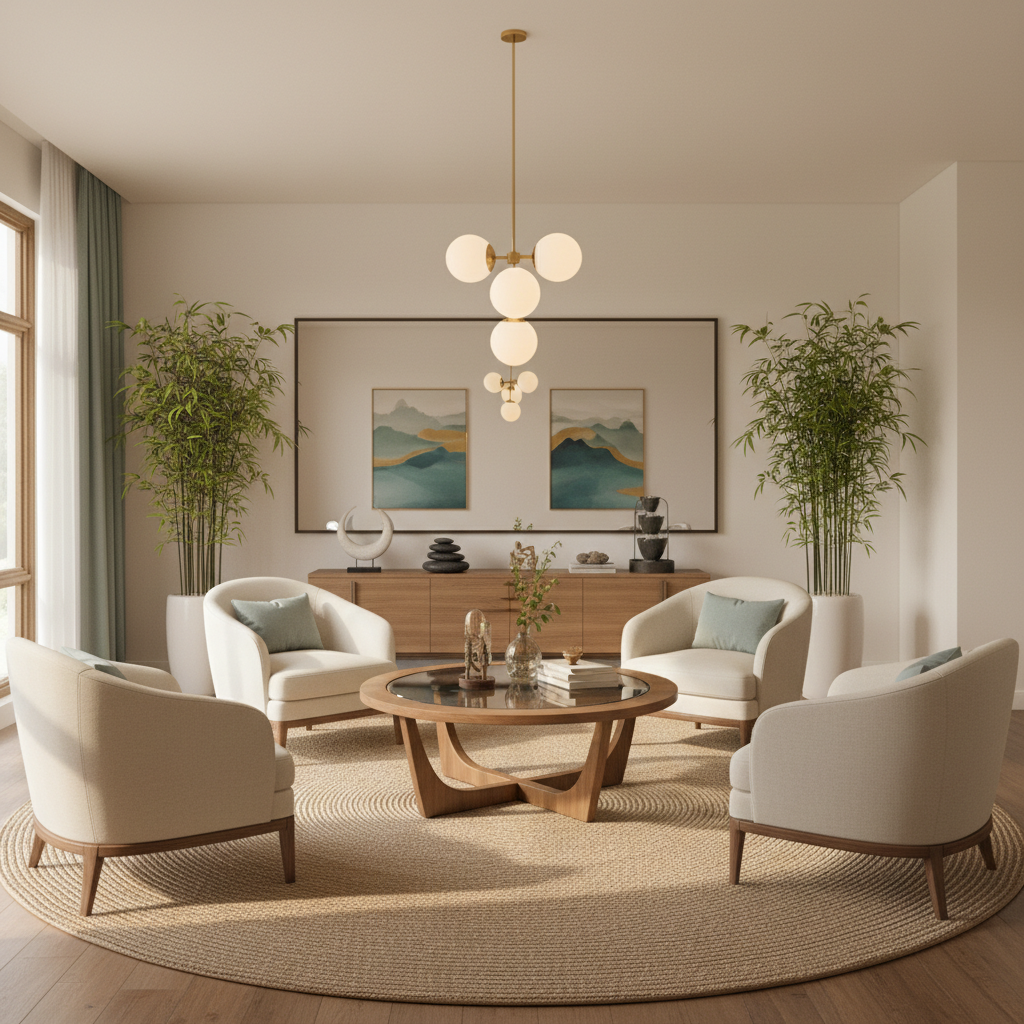
6.4 Feng Shui as a Form Art
While often categorized separately, Feng Shui is fundamentally a XIANG art.
It analyzes:
- Landforms
- Building orientation
- Internal layouts
The goal is to align human life with environmental Qi.
6.5 Modern Application of XIANG
XIANG is widely applied in:
- Architecture
- Urban planning
- Branding and naming
- Personal image consulting
Form influences outcome.
7. How the Five Arts Work Together
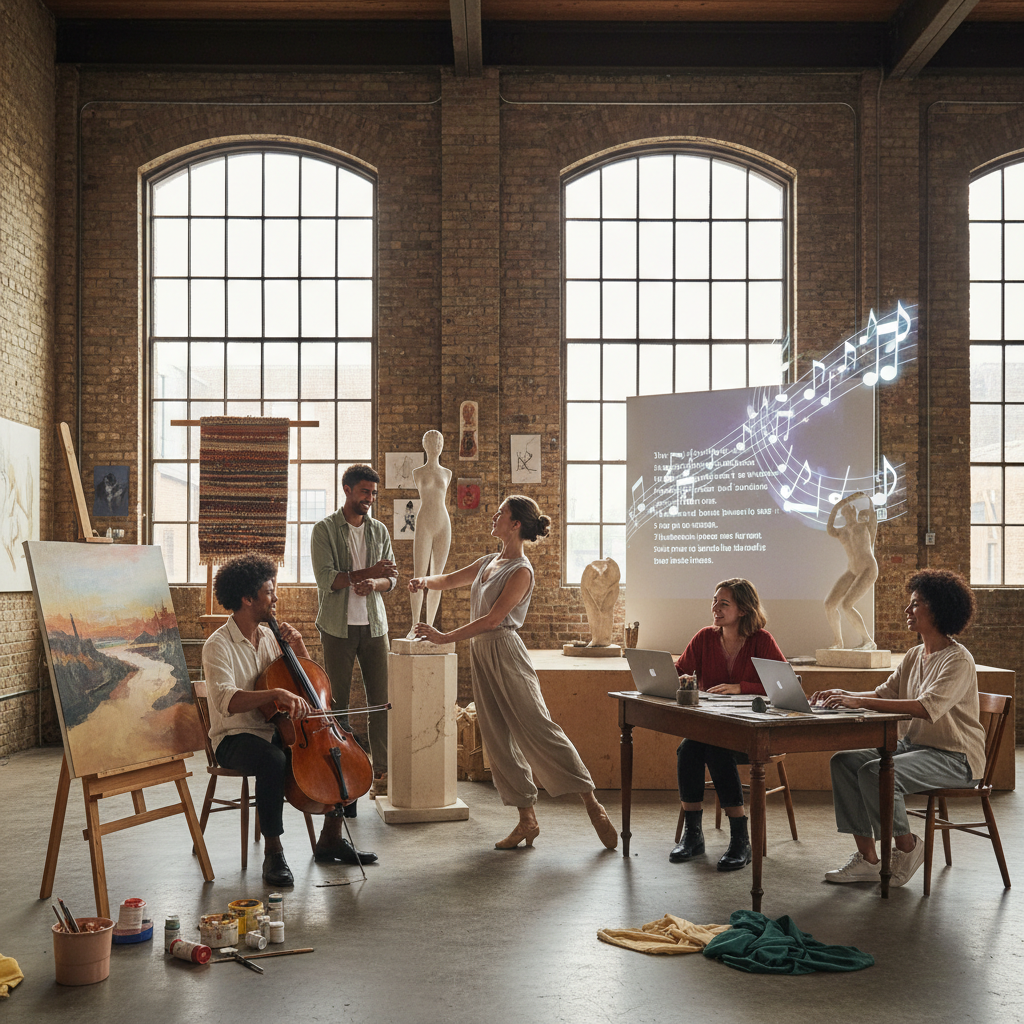
The Five Arts are not isolated systems. They are integrated disciplines:
- SAN builds the self
- YI protects health
- POK guides decisions
- MING reveals destiny
- XIANG shapes environment
True mastery comes from combining the arts, not relying on one alone.
8. Conclusion: Why the Five Arts Matter Today
The Five Arts of Chinese metaphysics provide a complete life framework – one that addresses inner growth, physical health, destiny awareness, strategic action, and environmental harmony.
In an increasingly complex world, these ancient systems remain relevant because they focus on timing, balance, and alignment, not force or control.
Chinese metaphysics is not about predicting life – it is about living wisely within it.
Frequently Asked Questions
What are the 5 arts of Chinese metaphysics?
The 5 arts are Mountain (self-cultivation), Medical (healing), Divination (forecasting), Destiny (birth chart analysis), and Physiognomy (face and form reading). Together they form the complete system of Chinese metaphysics.
What is the most popular type of Chinese metaphysics?
Feng Shui is the most widely practiced, followed by Bazi (destiny reading) and face reading. Qi Men Dun Jia has gained popularity recently as a strategic divination tool for business and life decisions.
How are the different Chinese metaphysics systems connected?
All Chinese metaphysics systems share the foundational principles of Yin Yang, the five elements, and the heavenly stems and earthly branches. They are interconnected and often used together for comprehensive analysis.
Leave a Reply
You must be logged in to post a comment.