
Facial Posture Under Stress: Micro-Tensions That Reveal Hidden Doubts
When someone sits across from me in a consultation and tells me they are completely confident about a decision, I do not take their word for it. I watch their face. Not their eyes, not their words, but their facial posture: the overall set of their features when they think no one is paying attention. The face under stress tells a different story than the face performing confidence, and the gap between the two is where the most useful information lives.
Facial posture is the composite picture created by dozens of small muscle states working simultaneously. Brow tension, jaw position, eye aperture, mouth corner height, nostril width, skin color, and micro-movements all contribute. When someone is genuinely confident, these elements align into a coherent posture of ease. When they are performing confidence, the elements fight each other, creating subtle dissonances that a trained eye can detect.
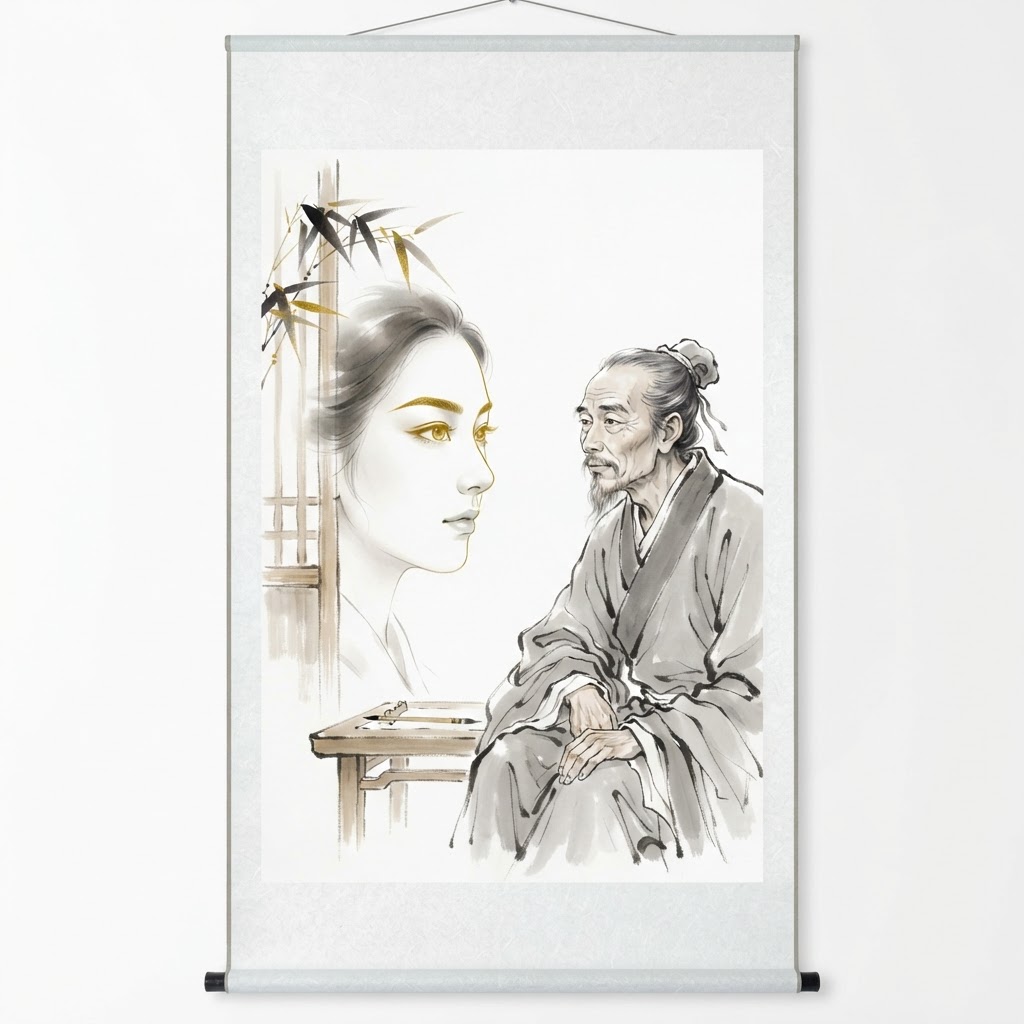
The Stress Response: What the Face Does Under Pressure
Under stress, the body has three primary responses: fight, flight, or freeze. Each one shows up differently on the face. The fight response tightens the jaw, narrows the eyes, and lifts the chin. The flight response pulls the head back slightly, widens the eyes, and parts the lips. The freeze response locks the face into a held expression, creating an unnatural stillness that actually signals fear disguised as composure.
In professional settings, most people do not show extreme versions of these responses. What they show are micro-versions: a slight jaw tightening, a millisecond of eye widening, a held breath that freezes the face for a beat. These micro-responses are involuntary, and they escape the deliberate performance of confidence before the person can suppress them.
People train their words to lie. They train their bodies to maintain composure. But they cannot train their micro-expressions, because those operate at a speed below conscious control. By the time the mind notices the signal, it is already on the face.
The Four Micro-Tensions I Watch For
After years of observation, I have identified four specific micro-tensions that reveal hidden doubts even when someone is performing confidence convincingly. Each one is a betrayal of the performance, a physiological confession that escapes the body’s control.
1. The brow flash. A micro-furrow of the corrugator muscle that lasts less than a quarter of a second. When someone claims confidence but flashes this micro-tension, their mind has registered something inconsistent with their stated position. The furrow appears and disappears before they can suppress it. I see it most often when people are asked to commit to a timeline or budget they know is unrealistic.
2. The lip pull. A brief unilateral pull of one mouth corner, not a full smile but a micro-twitch. In some contexts, this signals contempt or suppressed disagreement. In others, it is self-deprecating: the person does not fully believe what they are saying. The lip pull is asymmetrical, which distinguishes it from a genuine smile (always symmetric in genuine emotion).
3. The nostril flare. A quick widening of the nostrils that signals adrenaline entering the system. When someone flares while claiming to be calm, their body is more honest than their words. The flare is part of the fight-or-flight response that increases oxygen intake. It cannot be performed voluntarily.
4. The eye dart. A rapid lateral movement of the eyes lasting a fraction of a second. Unlike the sustained evasion of anxious people, this is a quick checking motion. The person’s attention briefly leaves the conversation to scan for threat or escape routes, then returns. It is the freeze response compressing itself into a micro-second.
| Micro-Tension | Duration | What It Reveals |
|---|---|---|
| Brow flash (corrugator) | Under 0.25 seconds | Internal inconsistency with stated position |
| Lip pull (unilateral) | 0.3 to 0.5 seconds | Suppressed disagreement or self-doubt |
| Nostril flare | 0.5 to 1 second | Adrenaline response, body under stress despite verbal calm |
| Eye dart | Under 0.5 seconds | Subconscious threat scanning, freeze response activation |
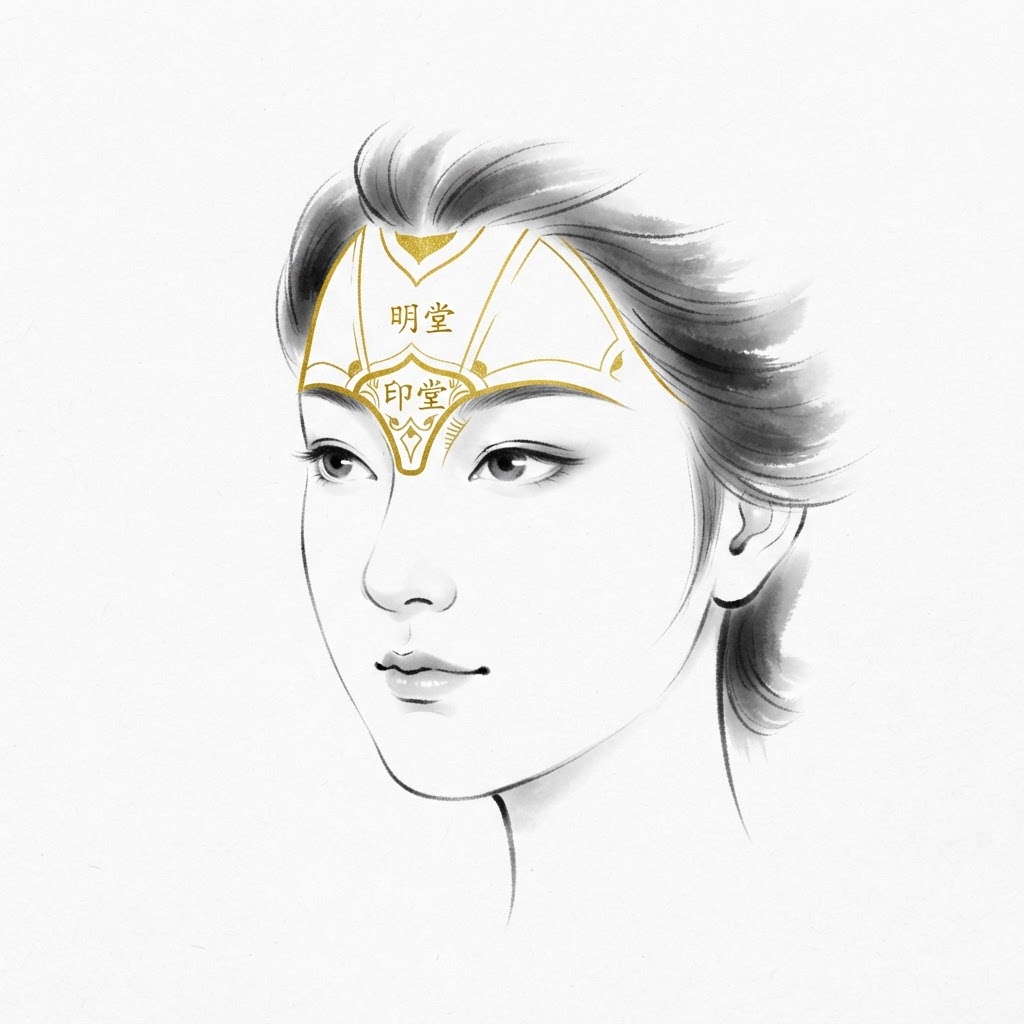
Reading Micro-Tensions in Interview Settings
In interviews, these micro-tensions become particularly useful because interviews create exactly the kind of pressure that triggers them. The candidate wants to present their best self, but the body does not know how to lie effectively at the micro level. Here is how I structure interview observations to catch the signals.
First, I ask easy questions and observe the baseline. How does their face look when they talk about their hobbies, their hometown, their morning routine? This is their relaxed facial posture. Everything I see later gets compared to this baseline.
Second, I ask about specific achievements. Most candidates show a genuine lift here: pupils dilate slightly, brows settle, mouth corners rise naturally. The face is congruent with the positive content.
Third, I ask about failures and difficult situations. This is where the micro-tensions appear if the person is performing confidence. A genuinely confident candidate discusses failures with a settled face, perhaps showing some jaw tension from pride but no flight or freeze signals. A candidate performing confidence shows the brow flash when asked why they left a previous job, or the nostril flare when pushed on a gap in their experience.
The Three-Question Sequence
When I suspect a candidate is performing more confidence than they feel, I ask three connected questions in sequence: “Tell me about your biggest professional failure.” Then, “What did you learn from it?” Then, “If something similar happened here, how would you handle it?” The transitions between these questions trigger the richest micro-tension patterns because each question probes a different layer of self-assessment. The brow flash often appears at the second question (do you really believe your own lesson learned?), and the eye dart at the third (threat scanning the hypothetical scenario).
Distinguishing Nervousness from Doubt
A critical distinction I teach: nervousness is not the same as doubt. Interview candidates are nervous. That is normal and expected. Nervousness shows as generalized tension across the face: faster blinks, tighter jaw, slightly elevated breathing. It is uniform and consistent across topics.
Doubt is specific. It appears only in response to particular questions or topics. The brow flash fires when the candidate discusses their previous manager, not when they talk about their technical skills. The nostril flare appears when asked about meeting deadlines, not when asked about their communication style. This specificity is what makes micro-tension reading so powerful. You are not detecting lying. You are detecting where the candidate’s own confidence wavers, which tells you whether their self-assessment is accurate.
A candidate who shows nervousness everywhere but never shows targeted doubt micro-tensions is simply anxious but self-aware. A candidate who shows nervousness nowhere but shows sharp micro-tensions on specific topics is performing calmness over hidden concerns. The second candidate is the one I investigate further.
The Freeze Pattern: When Stillness Is Not Calm
One pattern deserves special attention because it is the easiest to misread: the freeze. When someone freezes, their face goes unnaturally still. No micro-movements, no natural shifts, no breathing patterns visible. Most observers interpret this as composure. It is not. It is the body entering survival mode.
True composure has subtle, continuous movement. The face breathes. Micro-expressions flow across it like ripples on a calm pond. The frozen face is a held mask, and holding it requires enormous internal effort. I have seen executives freeze during board presentations when they realize they have made an error. They look calm. They are not.
The tell for freeze versus true calm is duration. True composure is sustainable. The face maintains its relaxed state for as long as needed. Freeze is unsustainable. Within 30 to 60 seconds, the mask cracks. A jaw muscle trembles. An eye blinks too deliberately. The body cannot hold the freeze indefinitely, and when it breaks, the underlying stress shows briefly before the person re-masks.
If you suspect freeze, shift the conversation to a completely different topic. A frozen face will thaw immediately, showing relief before recomposing. A truly calm face will show interest in the new topic without the dramatic transition. The difference is stark once you know to look for it.
For the broader framework of reading confidence, see the parent guide on confidence face reading signs and the comprehensive confidence reading guide. The article on confidence reading in interviews and hiring provides practical applications. For related features, explore whether confidence is visible on the face and shy versus confident features compared.
Using Micro-Tension Reading in Team Conflict Resolution
Micro-tension reading is not limited to interviews. In team conflict resolution, it reveals which team members are performing agreement, which are holding back, and which are genuinely engaged with the resolution process. In mediation sessions, I watch each participant’s face while the others speak. The micro-tensions tell me who is open to resolution and who is merely tolerating the process.
A team member whose jaw tightens every time another member speaks is not listening. They are preparing rebuttals. A team member whose face shows genuine engagement (subtle brow movements, slight nod, relaxed jaw) during the opposing viewpoint is actually considering it. These reading patterns help me direct the conversation toward productive resolution rather than letting it spin in performance.
| Conflict Response | Facial Signal | Productive Response |
|---|---|---|
| Genuine listening | Brow engagement, subtle nods, relaxed jaw | Let them speak next, they have something productive |
| Preparing rebuttal | Jaw tightens during other’s speech, eye contact narrows | Acknowledge their point before they rebut, redirect to shared goals |
| Disengaged | Flat expression, no micro-movements, gaze elsewhere | Ask for input directly to re-engage |
| Freezing | Total stillness, held expression, no breathing visible | Shift topics briefly to release the freeze before continuing |
One pattern I encounter in conflict mediation is what I call parallel monologuing. Both parties take turns speaking, but neither shows the facial engagement patterns of genuine listening. Each side waits for the other to finish, then delivers a pre-formed response that does not reference what was just said. The faces tell this story clearly: during the other person’s speech, the listener’s jaw tightens, eyebrows set in preparation, and breathing becomes shallow. They are not absorbing. They are holding fire.
The intervention for parallel monologuing is surprisingly simple in concept, though harder in execution. Ask each party to restate the other’s position in their own words before responding. The face reading tells you who genuinely can and who cannot. The person who accurately restates the opposing view shows facial engagement during the original speech. The person who cannot has been physically present but cognitively absent, and their face showed it the whole time.
For more on practical applications, the interview and hiring guide and the article on confidence and wealth features extend these techniques to other professional contexts.
Frequently Asked Questions
Are micro-expressions scientifically validated?
Yes. The research of Paul Ekman and others has documented micro-expression patterns across cultures. The basic finding is that certain facial muscle movements are universal, involuntary, and occur below conscious awareness. The application to deception detection is more nuanced than popular media suggests, but the underlying phenomenon is well established.
How fast do I need to be to catch these signals?
The micro-tensions last roughly 0.2 to 1 second. Normal observation catches the larger ones (nostril flares, jaw clenches). The smaller ones (brow flashes, lip pulls) require either video review or trained attention. With practice, you start to notice them in real time because your visual system learns to flag the deviations from baseline automatically.
Can micro-tension reading replace traditional interview assessments?
No, and I would never claim it should. Face reading complements traditional methods by adding a data source that the candidate cannot rehearse. Use it alongside competency questions, reference checks, and structured evaluations. The combination of standard assessment and observational reading gives you a more complete picture than either alone.
What if I see micro-tensions but the candidate is actually excellent?
Micro-tensions do not predict competence. They predict where a person’s self-confidence has gaps. An excellent candidate may show micro-tensions about areas where they genuinely lack confidence, which is healthy self-awareness. The concern is when the micro-tensions suggest the person believes they cannot succeed at the very thing they are being hired to do. Context is everything.
Leave a Reply
You must be logged in to post a comment.