
Settled Brows and Yingtang Clarity: Reading Inner Calm and Decision Confidence
The eyebrows are one of the most expressive features on the human face, and yet most people barely notice what they reveal. In Chinese face reading, the space between the eyebrows is called the yingtang, sometimes referred to as the bright hall or the courtyard of the mind. When this area is clear, relaxed, and unobstructed, it signals mental clarity, emotional stability, and decision confidence. When it is tense, furrowed, or pinched, the internal landscape looks very different.
I have spent years watching this micro-region in consultations and business meetings. The yingtang tells me what is happening behind the forehead, in the prefrontal cortex, where decisions are weighed and emotional regulation happens. You can see someone thinking, worrying, or feeling settled just by watching the distance between their brows.
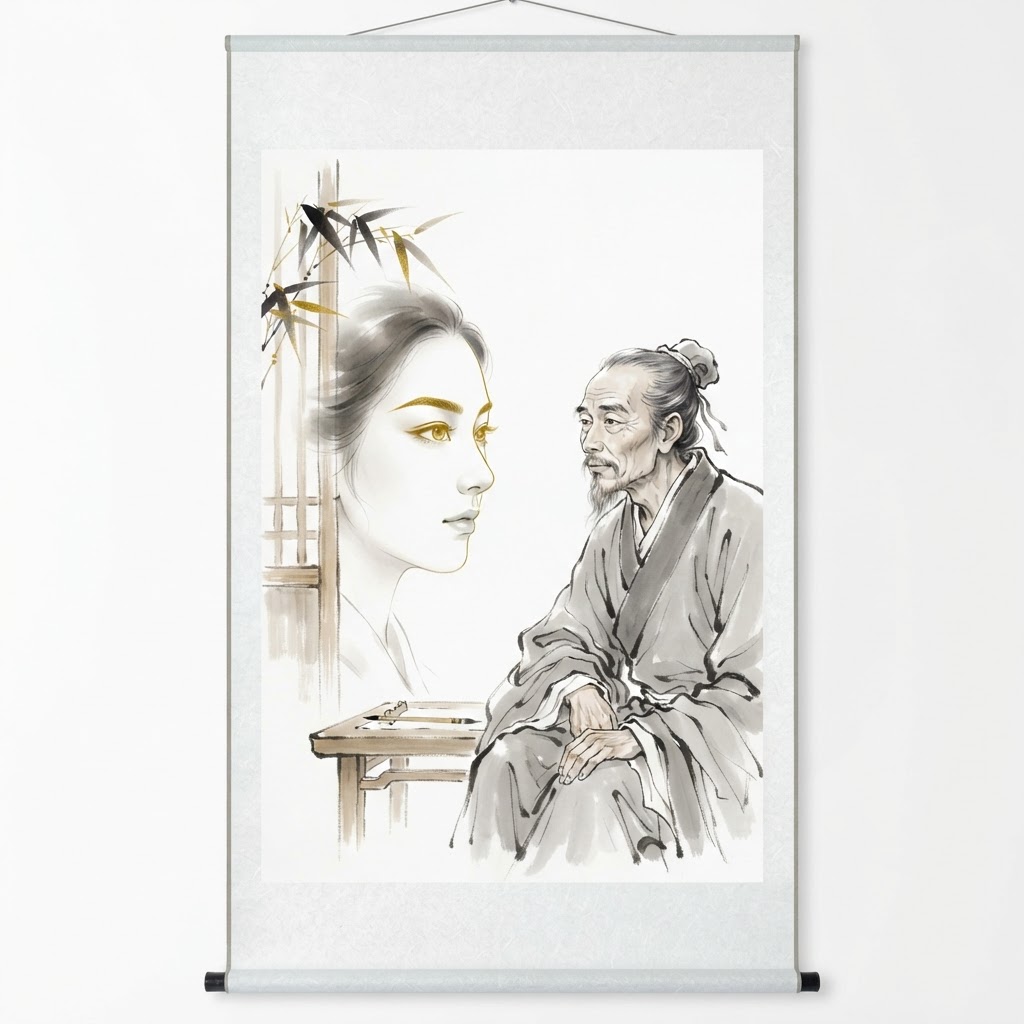
What Settled Brows Look Like in Practice
Settled brows sit in their natural position without visible tension. The skin between the eyebrows is smooth, not creased. The brows themselves maintain a gentle arch with no spike or flattening at the inner edge. When someone with settled brows listens to you, their forehead remains largely still. Small movements happen, but the resting state returns quickly.
Contrast this with unsettled brows. The corrugator muscles between the eyebrows pull inward, creating vertical lines. The inner brow edges pinch together. Sometimes the brows flatten or angle sharply, creating a look of concentration that is actually worry. The person may not feel worried consciously, but their face reveals the effort their mind is making.
The key distinction is effort versus ease. Settled brows rest without effort. Tense brows hold themselves in place. The difference is subtle but learnable, and once you see it, you cannot unsee it.
| Brow State | Physical Markers | What It Reveals |
|---|---|---|
| Settled and clear | Smooth yingtang, natural arch, no tension lines | Mental clarity, emotional stability, decision confidence |
| Pinched and furrowed | Vertical lines between brows, inner edges pulled in | Overthinking, worry, difficulty deciding |
| Raised and held | Brows lifted higher than natural, forehead tightened | Surprise sustained beyond the moment, vigilance |
| Asymmetric tension | One brow higher or tighter than the other | Internal conflict, mixed feelings about the topic |
The Yingtang as a Diagnostic Zone
In classical face reading texts, the yingtang is associated with career and life path. A clear, open yingtang suggests smooth progress in professional life. A congested or marked yingtang suggests obstacles, delays, or a tendency to create complications through overanalysis.
Modern observation supports this in a practical way. People who chronically furrow their brows tend to be overthinkers. They second-guess decisions, struggle with perfectionism, and often create their own obstacles. Their careers may progress, but with more friction than necessary. People with naturally clear yingtang tend to trust their judgment, make decisions more efficiently, and move through challenges with less self-generated resistance.
The yingtang does not tell you how smart someone is. It tells you how much friction exists between their intelligence and their decision. A clear yingtang means the pipeline is open. A furrowed yingtang means something is stuck in the works.
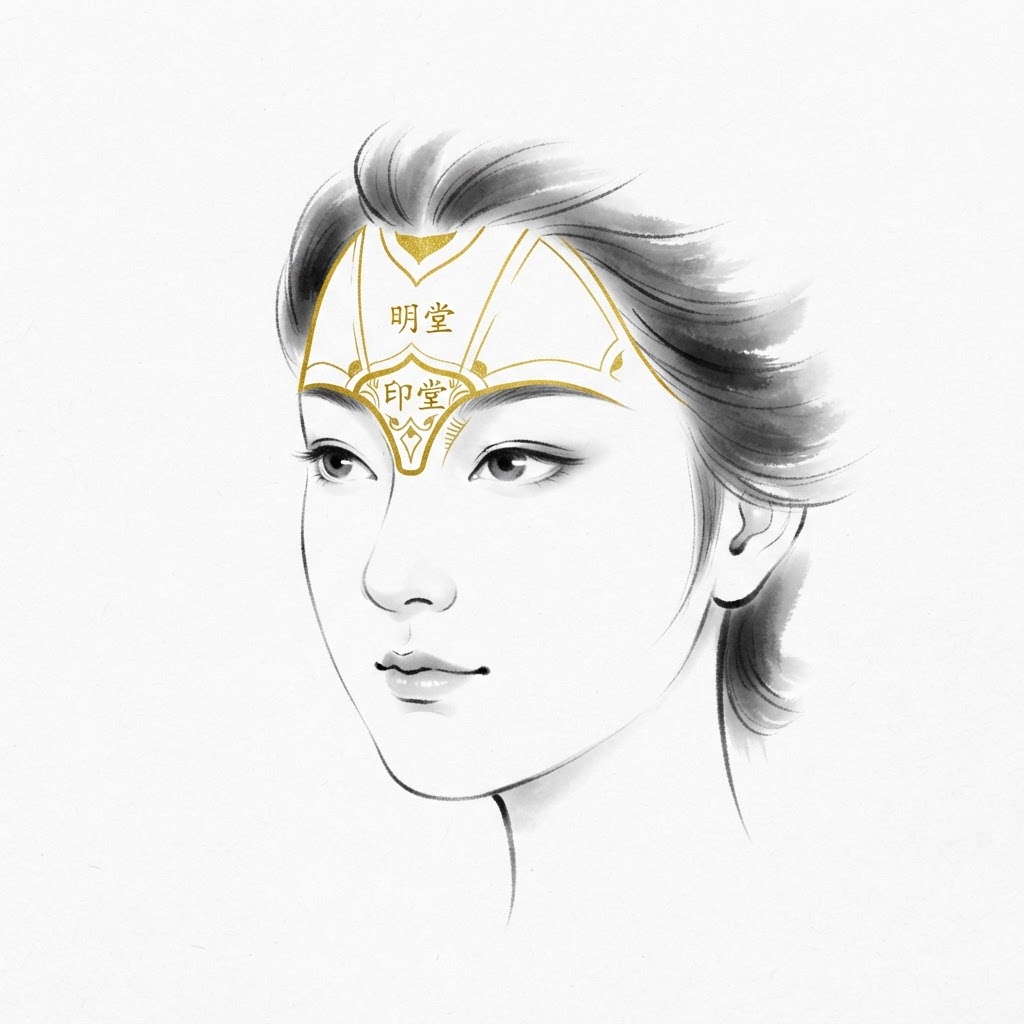
Brow Distance and Interpersonal Openness
The physical distance between the two eyebrows carries meaning too. In traditional face reading, brows that sit closer together suggest intensity, focus, and sometimes possessiveness in relationships. Brows that sit wider apart suggest generosity, openness, and a broader perspective on life.
I have found this reading useful in team dynamics. Team members with close-set brows often excel at deep, focused work but may struggle with delegation because they want to control outcomes. Team members with wider-set brows often excel at collaboration and big-picture thinking but may need support with detail execution. Neither pattern is superior. Knowing the tendency helps you position people where they thrive.
There is also a temporal reading. Some people naturally have wider-set brows, but under stress, the corrugators pull everything closer. The shift from wide to compressed tells you stress has entered the system. I watch for this in negotiations. When the other side’s yingtang begins to narrow, I know the conversation is hitting a nerve, even if their words remain measured.
Brow Movement Patterns Under Different Conditions
Beyond the resting state, the way brows move tells a story. Here are four patterns I watch for in professional settings:
The contemplative draw: Both brows pull slightly together and down as the person processes information. This is normal during focused thinking. The key is that the brows release afterward. If they stay drawn after the thinking is done, the person is holding onto worry.
The surprise flash: Brows lift quickly and return. This shows genuine interest or unexpected information. A real surprise flash is symmetrical and brief. A sustained lift means the person is performing interest rather than feeling it.
The withdrawal pull: Inner brows pull up and together while outer brows drop slightly. This combination typically signals emotional discomfort, disagreement, or the beginning of a defensive response. In negotiations, this movement often precedes a verbal objection by a few seconds.
The relaxation release: After sustained tension, the brows drop back to neutral and the yingtang smooths. This is the signal that a decision has been made internally. I have watched this release happen in consultations right before someone says yes to something they had been deliberating.
Reading the Release
One of the most valuable moments in any conversation is the brow release. When you see someone’s yingtang clear after a period of tension, you know their internal deliberation has concluded. Time your next move to that moment. Pushing before the release feels aggressive. Waiting for the release and then speaking lands with receptivity.
What This Means for Business Leaders
If you lead teams, understanding brow patterns gives you a read on collective mood that survey tools never capture. In a team meeting, scan the room during critical discussions. How many yingtangs are clear? How many are furrowed? The ratio tells you about collective confidence versus collective anxiety.
I once sat in a board meeting where the verbal discussion was positive and upbeat, but seven of nine people around the table had visible brow tension. The two people with clear yingtangs were the CEO and the CFO. Everyone else was performing agreement while holding reservations. That observation prompted a private conversation afterward that surfaced concerns the group had been suppressing. Without reading the room, those concerns would have festered until they became crises.
| Scenario | Brow Signal | Recommended Response |
|---|---|---|
| Pitching to investors | Watch for release after tension | Present the ask at the moment of release |
| Team meeting | Count furrowed yingtangs | Address collective anxiety if ratio is high |
| Negotiation | Watch for narrowing distance | Pivot approach to address underlying concern |
| Interview | Note asymmetry under challenge | Probe the area of conflict more deeply |
Connecting Brow Reading to Broader Face Reading Practice
Brow reading works best when combined with other facial features. The yingtang alongside the eyes tells you about cognitive clarity paired with emotional engagement. The yingtang alongside the mouth tells you about internal thoughts paired with expressed words. When the yingtang is clear but the mouth shows tension, the person is thinking one thing and saying another, or they are being diplomatic while holding a clear opinion.
For those building face reading skill systematically, I recommend starting with the eyes (covered in the parent confidence guide) and then adding the brows as your second observation zone. Together, these two areas give you a remarkably complete picture of someone’s internal state in most professional situations.
The complete framework for reading confidence through facial features is in the original seed article on facial confidence. For comparison between different feature types, see the analysis of shy versus confident features. The article on confidence and wealth features extends these readings into financial temperament. You can also explore how confidence manifests visually in everyday situations.
The Temporal Dimension: How Brows Change Over Time
One of the most overlooked aspects of brow reading is the temporal dimension. Brows tell you not only about current state but about patterns over time. Chronic furrowing leaves physical traces in the form of vertical lines between the eyebrows. These lines deepen with age and repetition. A person in their thirties with already-deep vertical lines has been furrowing for years, likely carrying a pattern of chronic overthinking since early adulthood.
I have observed this in entrepreneurs especially. First-time founders often develop brow tension within months of starting their venture. The weight of responsibility and uncertainty creates a default furrow that becomes habitual. Experienced founders who have been through multiple cycles often show a different pattern: deeper lines from previous bouts of intensity, but a resting brow that has learned to relax between crises.
The vertical lines themselves are not negative. They can indicate depth of thought, seriousness of purpose, and the capacity for sustained concentration. The reading depends on whether the lines coexist with a relaxed resting state or whether they accompany ongoing tension. Lines from past thinking paired with present ease suggest wisdom earned through experience. Lines from ongoing tension suggest someone still in the thick of their struggle.
Cultural Considerations in Brow Reading
Brow expressiveness varies across cultures. Some cultures train more facial expressiveness from childhood, while others encourage restraint. In cultures that value emotional restraint, the brow may appear settled even when the person is under significant internal pressure. In cultures that value expressiveness, brow movements may be amplified beyond what the internal state warrants.
This does not invalidate brow reading. It means you must calibrate your baseline to the cultural context of the person you are observing. The universal signals (corrugator tension, asymmetry, release patterns) still occur, but the threshold for what counts as significant deviation shifts. When I work with people from cultural backgrounds different from my own, I spend extra time in the baseline phase to understand their natural expression patterns before attempting deeper readings.
Brow reading is fundamentally about attention to patterns, not application of universal rules. The patterns are real and consistent within an individual. Your job as the observer is to learn each person’s pattern before reading meaning into it.
Brow Reading in Vendor and Partnership Evaluations
In business, the brows reveal something vendors rarely say: their actual confidence in what they are pitching. I have watched vendors present with polished slides and confident voices while their brows told a different story. The yingtang pinches slightly when they discuss timeline guarantees. The asymmetry appears when they address scalability. These micro-signals predate the spoken objections and often predict which vendor relationships will run into trouble.
In one memorable evaluation, three vendors pitched for a major contract. All three spoke confidently. All three had impressive track records. But only one maintained a clear, settled yingtang throughout the question and answer period. The other two showed brow tension during specific questions about delivery failures and support response times. We chose vendor one. The contract ran smoothly. The other two vendors later had delivery problems with other clients that surfaced in industry circles.
This is not magic. The vendors who showed brow tension were the ones who knew, at some level, that their delivery claims were optimistic. Their words were rehearsed. Their brows were not.
Frequently Asked Questions
Can someone have naturally furrowed brows without having inner turmoil?
Yes. Some people have natural brow structure that creates the appearance of slight furrowing regardless of their emotional state. This is why baseline observation matters. You need to know someone’s resting face before you can read deviations. Focus on changes from their personal baseline rather than comparing against an absolute standard.
Does Botox or cosmetic work interfere with face reading?
It can, particularly in the forehead and brow area. When the corrugator muscles are immobilized, the yingtang stops showing natural tension patterns. You lose one signal but gain another: the inability to express natural tension often tells you something about the person’s relationship with their own appearance and vulnerability.
How quickly can I learn to read brow patterns?
Most students begin noticing patterns within a few weeks of deliberate practice. Proficiency comes in three to six months. The skill is observation-based, so it accelerates with real-world practice. Watch conversations in meetings, restaurants, and social settings. The brows are always there, always moving, and they never learn to hide what the forehead is doing.
Are there health indicators in the yingtang area?
Traditional Chinese medicine associates the area between the brows with the liver and heart channels in some frameworks. Chronic deep creases can sometimes correlate with long-term stress or tension patterns. This is not diagnostic in a medical sense, but it can prompt a gentle question about how someone is managing pressure if you are in a position to ask.
To continue building your face reading knowledge, visit the parent article on reading confidence signs and the comprehensive confidence face reading guide.
Leave a Reply
You must be logged in to post a comment.