
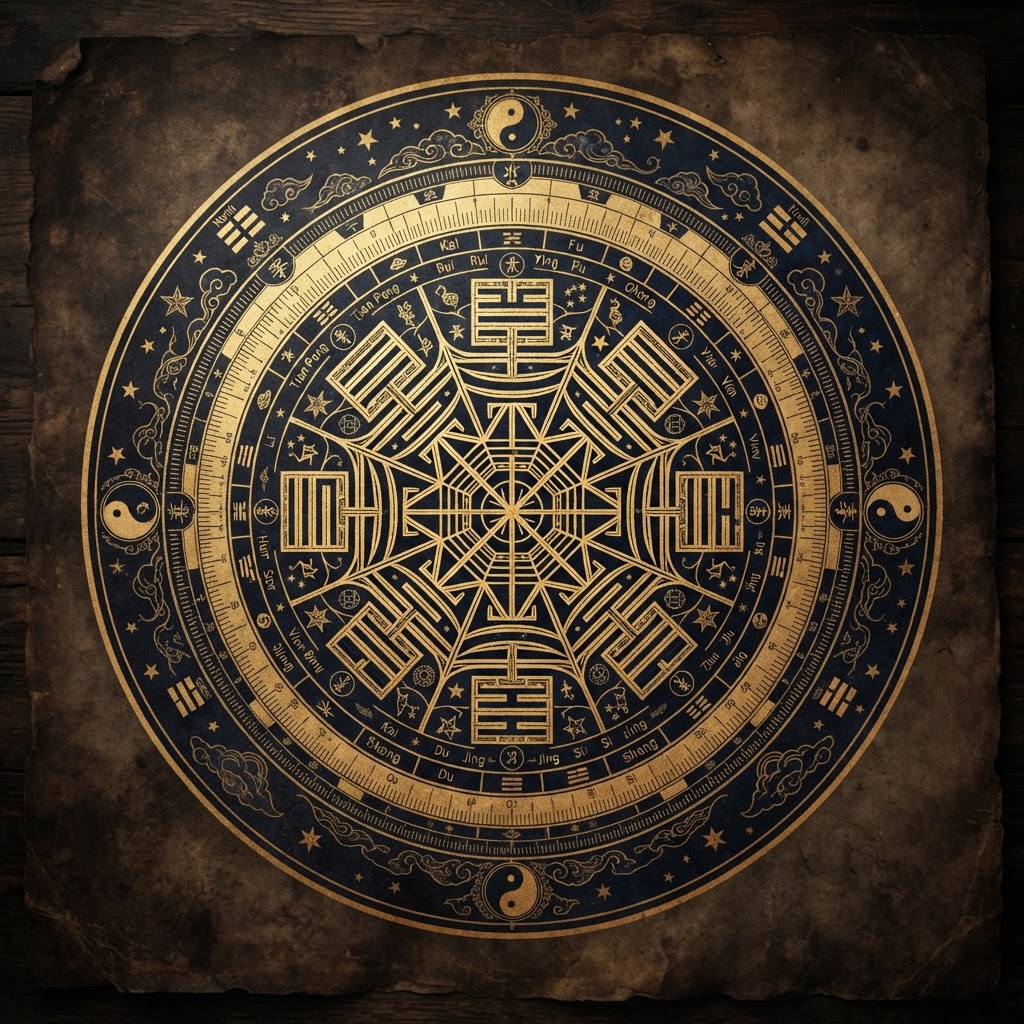
The metal element, 金, is the one that moves Metal energy through everything: direction West, with a stronghold in the Northwest, season autumn, colors white, gold, silver, metallics. This article is the in feng shui spaces deep dive, one narrow slice of the complete five elements guide. If you want the whole system first, read that and come back. If you want exactly this corner, stay here.
Five element work earns its keep when it gets specific, so this article gets specific. You will not find the tired internet version of the metal element here. You will find what practitioners actually use when they apply it to in feng shui spaces.
In Feng Shui Spaces
In spaces, metal belongs in the west and northwest, in the form of round shapes, metallics and white, and pairs well in rooms used for study and order.
Metal is generated by earth and generates water. It clashes with fire when it is melted and with wood when it must cut too often.
The Metal element in context
No element acts alone. Metal is generated by earth and generates water. It clashes with fire when it is melted and with wood when it must cut too often. When a five element reading says your metal element is strong, it means relative to the other four in your situation, and every piece of advice below adjusts accordingly. Practitioners read the balance first and the element second, because the same metal element in two different people reads differently. That is not a hedge, it is how the system works.
| Feature | The Metal element |
|---|---|
| Chinese | 金 |
| Direction | West, with a stronghold in the Northwest |
| Season | autumn |
| Colors | white, gold, silver, metallics |
| Organs in tradition | lungs and large intestine |
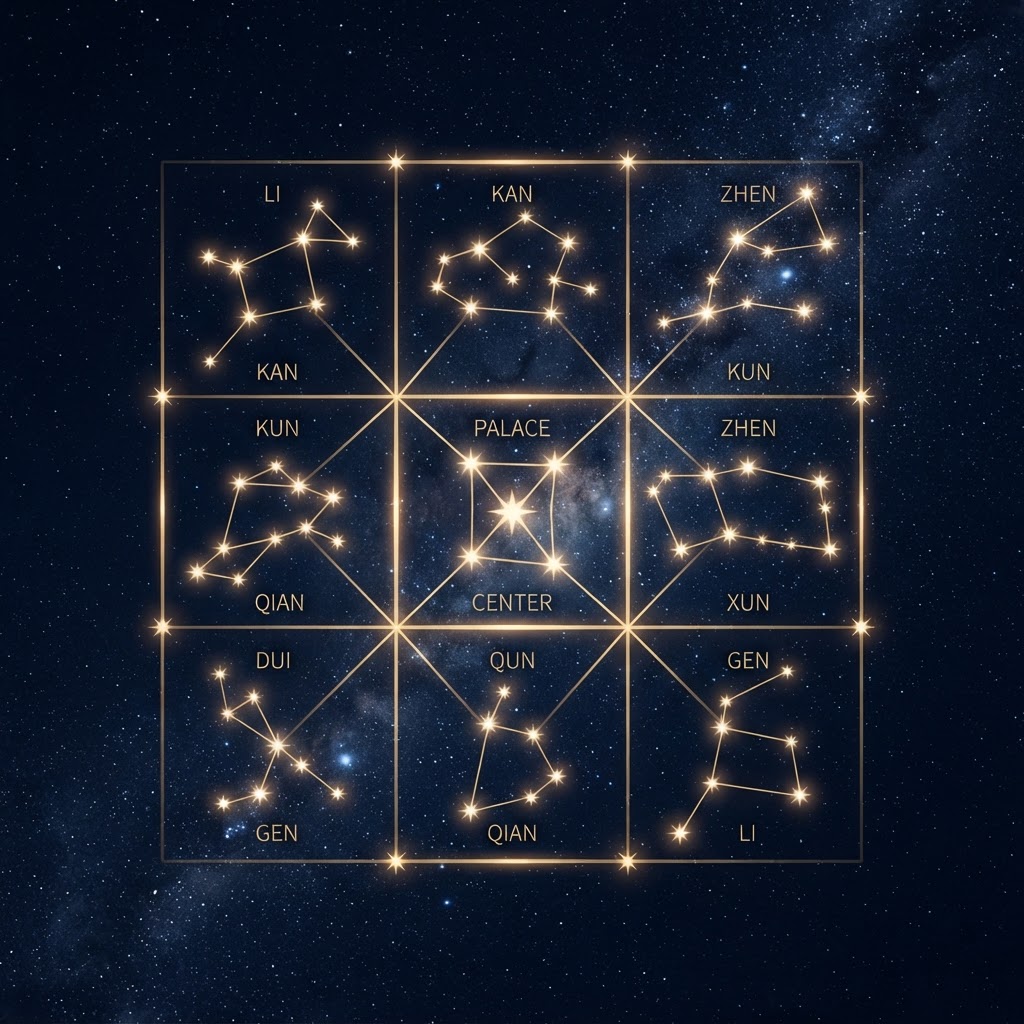
Practical application
Application is where five element knowledge either earns its keep or turns into fridge magnet wisdom. The test is simple: does knowing your element’s nature change what you do this week. Used properly, it does. A metal element person choosing between two work environments, two rooms, two routines can feel which one feeds the element and which one drains it, and that feeling is the system working as designed.
What the five element approach never does is promise outcomes. It describes conditions, and conditions shape odds. People who expect fate from it are always disappointed, and people who use it as a lens for choices tend to keep using it for decades, quietly, which is the honest measure of a useful framework.
How this connects to the wider system
The five elements sit under everything in Chinese metaphysics: BaZi, feng shui, Qimen Dun Jia. The QMDJ guide shows the elements driving doors and stars; the five element personality guide shows them driving character. The elements are the grammar, and every other system is a dialect of them.
From the practice
Balance beats abundance. A strong element sounds like a gift until you meet someone whose element has no counterweight: all momentum and no brake, or all patience and no push. The aim of five element work is not to maximize your element but to let it work at its natural strength. The complete guide covers the generating and controlling cycles that do the regulating.
Seasons matter more than people expect. Your element is at full voice in its own season and quieter in the seasons that control it. Practical readers plan accordingly: big element-aligned moves for the supportive season, maintenance and study for the quiet one. You do not need to be strict about it. You need to stop being surprised when a water-heavy plan feels slow in the middle of a heavy earth month.
One honest limit on all of this: the five elements are a lens, not a lab result. They describe tendencies and conditions, and they earn their place by making your choices more deliberate, not by replacing judgment. The people who use them well hold the framework loosely: it informs the choice of room, timing and approach, and then life does what life does.
The fastest way to feel your element at work is to change one room in your house toward it and live in the change for two weeks. Direction, color, material and shape are the four levers, and the complete guide lists them for every element. Noticing what changes in your energy and habits is worth more than any description, because the noticing is your own data.
The five elements describe movement, not boxes. metal energy is less like a category and more like a direction things flow when the conditions are right. That is why the same element reads differently in a person, a room and a year: the element is constant, the container changes. Practitioners who keep this in mind give advice that flexes with the situation instead of repeating a fixed list of lucky items.
Balance beats abundance. A strong element sounds like a gift until you meet someone whose element has no counterweight: all momentum and no brake, or all patience and no push. The aim of five element work is not to maximize your element but to let it work at its natural strength. The complete guide covers the generating and controlling cycles that do the regulating.
Seasons matter more than people expect. Your element is at full voice in its own season and quieter in the seasons that control it. Practical readers plan accordingly: big element-aligned moves for the supportive season, maintenance and study for the quiet one. You do not need to be strict about it. You need to stop being surprised when a water-heavy plan feels slow in the middle of a heavy earth month.
One honest limit on all of this: the five elements are a lens, not a lab result. They describe tendencies and conditions, and they earn their place by making your choices more deliberate, not by replacing judgment. The people who use them well hold the framework loosely: it informs the choice of room, timing and approach, and then life does what life does.
The fastest way to feel your element at work is to change one room in your house toward it and live in the change for two weeks. Direction, color, material and shape are the four levers, and the complete guide lists them for every element. Noticing what changes in your energy and habits is worth more than any description, because the noticing is your own data.
The five elements describe movement, not boxes. metal energy is less like a category and more like a direction things flow when the conditions are right. That is why the same element reads differently in a person, a room and a year: the element is constant, the container changes. Practitioners who keep this in mind give advice that flexes with the situation instead of repeating a fixed list of lucky items.
Balance beats abundance. A strong element sounds like a gift until you meet someone whose element has no counterweight: all momentum and no brake, or all patience and no push. The aim of five element work is not to maximize your element but to let it work at its natural strength. The complete guide covers the generating and controlling cycles that do the regulating.
Frequently Asked Questions
What is the metal element?
One of the five movements, 金, associated with West, with a stronghold in the Northwest, the autumn, and the color range white, gold, silver, metallics.
Which careers suit the metal element?
finance and related fields.
How do I know if my metal element is strong?
By reading it against the other four in your BaZi chart or your living situation. A practitioner reads the balance first; strength is always relative.
What strengthens the metal element?
Its generating element and its season. Check the full five elements guide for the cycle explained end to end.
Leave a Reply
You must be logged in to post a comment.