Introduction: Why Ancient Timing Matters in Modern Business

Imagine you have two identical product roadmaps, two sets of marketing budgets, and two leadership teams with similar experience. One launch flops, the other takes off, capturing market share and investor attention. We tend to attribute such differences to execution details or luck, however timing and context often play an outsized role. That is where strategic frameworks outside of conventional business schooling, like Qi Men Dun Jia, become unexpectedly useful. Rooted in Chinese metaphysics, Qi Men Dun Jia is a timing and situational analysis system that was historically used by generals and statesmen for high-stakes decision-making. In the past decade, modern businesses have adapted those principles into consultative services that blend qualitative insight with planning, giving leaders another lens for reducing uncertainty and optimizing windows of opportunity.
In this article we will walk through the fundamentals of Qi Men Dun Jia, explain how those principles translate into actionable business strategy, and show you what to expect when engaging Qi Men Dun Jia business consultation services. You will get practical examples, a step-by-step playbook for integrating these consultations into your planning cycle, and measurable ways to evaluate outcomes. I write from hands-on experience with clients across product launches, mergers, negotiations, and regional market entries, so the emphasis is on real-world application, not esoteric theory. If you are curious about supplementary decision tools, or searching for an edge when timing matters, read on. By the end you will have a concrete checklist to evaluate advisors and a pilot plan you can apply in 30 days.
Section 1: Understanding Qi Men Dun Jia – Core Concepts and Practical Meaning

Qi Men Dun Jia, translated roughly as “mysterious door hiding technique,” is a classical Chinese system for locating advantage in time and space. At its core it is a way to map a moment – a date and specific time – into a symbolic matrix that reveals favorable and unfavorable patterns. It combines calendrical data, cosmological markers, and symbolic archetypes to form a chart practitioners read for recommendations. While the vocabulary may seem foreign, the functional promise is simple: identify auspicious windows, avoid pitfalls, and allocate resources to the opportunities that have the highest likelihood of success given the present conditions.
Key Elements You Need to Know

There are several recurring components in Qi Men analyses that appear in most consultation outputs. Below is a simplified description so you can read reports with confidence.
- Palaces, a 3-by-3 grid that organizes situational fields, often used to map people, locations, or functions.
- Stars, symbolic indicators that carry qualitative meanings such as support, conflict, wealth, or danger.
- Doors, which represent pathways and the likely outcome of actions; some doors are considered opening, others obstructive.
- Deities, metaphors for favorable or unfavorable forces, used to fine-tune interpretation.
- Time coordinates, Qi Men is time-sensitive: charts change across hours and days, so an action’s outcome can depend heavily on the precise timing.
These components are combined into a chart that a practitioner reads much like an analyst reads market indicators. Instead of relying on probability curves and regression models, Qi Men provides qualitative signals about when to act, when to wait, and how to frame the action, for example the recommended direction to approach negotiations or which stakeholder requires appeasement first.
How Charts are Produced and Why Timing is Essential

When we consult a Qi Men practitioner, they generate a chart based on the requested date and the client’s objective. In traditional practice there are multiple layers, including the selection of a chart “base” and its interaction with the current solar terms and hourly divisions. Practically speaking for business, the crucial takeaway is charts are time-bound; a recommendation valid for a specific hour may change the next hour. That specificity is one reason practitioners often provide a range of recommended windows and backup options. It is also why many clients use Qi Men to choose exact start times for negotiations, contract signings, product announcements, or site openings, rather than just general direction.
Interpreting the Signals, Step by Step

Interpretation is partly technical and partly intuitive. A common approach we use in practice is a three-step reading that combines the chart with business context.
- Map roles to palaces, assign stakeholders, markets, or functions to different palaces in the grid to see their relational dynamics.
- Identify supportive versus obstructive elements, note which stars and doors indicate resources, and which indicate friction or risk.
- Translate symbols into actions, convert the symbolic suggestions into concrete tactics, such as “delay public announcement until the indicated opening window,” or “lead with offer A to engage the supportive door.”
Learning to translate symbolic language into operational actions takes practice. In early engagements I recommend simpler, low-risk experiments: choose timing for a product landing page release, or pick the hour for a client call, and compare outcomes against control events. This allows you to measure effectiveness without exposing your business to undue risk.
Section 2: Applying Qi Men Dun Jia to Modern Business Strategy – Use Cases and Integration

Qi Men principles are surprisingly versatile in business. They are not a substitute for market research, financial modeling, or legal due diligence. Instead, they act as an additional decision layer when timing, positioning, and human dynamics matter. Below are the highest-impact use cases where we have consistently seen measurable benefits.
Top Use Cases and Illustrative Examples

Here are five practical business scenarios where Qi Men can be integrated into your decision process.
- Product launches: select release hours and announce sequencing to maximize initial traction and sentiment.
- Negotiations and deal closures: choose meeting times, opening offers, and who should lead the conversation to increase closure likelihood.
- Market entries: pick first-mover geography and initial partnership approaches based on favorable palaces.
- Hiring and team structuring: timing for offers and placements, especially for key hires and role assignments with high strategic impact.
- Crisis response: decide when to communicate publicly, escalate issues, or bring in external advisors to minimize reputational damage.
For example, in one negotiation I participated in for an acquisition, we used a Qi Men-informed window to schedule the signing call and to determine which executive should present the valuation framework first. The consultant’s chart recommended a time where the “opening” and a supportive star aligned with the financing party’s palace. The meeting proceeded smoothly, concessions were smaller than expected, and the closing timeline shortened by 12 days compared with previous deals the company had closed. That is an anecdote, not a guarantee, however it is the sort of operational advantage these consultations can provide.
How to Integrate Qi Men with Data-driven Processes

If you manage data and run experiments, Qi Men should be layered into existing processes rather than replacing them, here is a practical integration plan we use with clients.
- Baseline measurement: define current KPI performance for the activity you want to influence, for example conversion rate, average deal cycle time, or close rate.
- Pilot window selection: use Qi Men to recommend one or two candidate windows within your project timeline.
- Controlled test: if possible, run the Qi Men-directed event alongside a control event using your usual timing, then compare KPIs.
- Statistical check: apply simple statistical tests where sample size allows, or track directional results over multiple events.
- Iterate and scale: if you observe consistent improvement, incorporate Qi Men windows into standard operating procedures for similar events.
For example, you might A/B test email send times where variant A is a Qi Men-recommended hour and variant B is your standard send. Measure open rate, click-through rate, and conversion for each cohort. Over 6 to 12 campaigns you can start to see whether the Qi Men windows provide a reproducible uplift. Even modest improvements, such as a 5 to 10 percent increase in conversion, compound over time and can justify the consultation cost.
Practical Tips for Different Business Contexts

Below are distilled, actionable tips you can apply immediately depending on the context.
- Sales and negotiations: schedule initial offers during recommended opening windows, have your strongest negotiator lead when the chart favors a commanding palace, and prepare alternative concessions if the chart shows obstruction.
- Marketing launches: align both the internal release event and the public announcement to avoid mixed signals; use the Qi Men window for high-visibility touches such as press releases or influencer outreach.
- Mergers and acquisitions: use Qi Men to time the initial approach to a target, and separate windows for signing and public disclosure to reduce the chance of market friction.
- Hiring critical talent: offer letters timed to favorable palaces can increase acceptance probability, and using the chart to choose the interview sequence can reveal the best format for impression management.
- Expansion into new territories: plan initial partner meetings and local agreements to coincide with the palaces that favor cooperation and resource flow.
Always treat Qi Men insight as one input in a multi-disciplinary decision process. The best results come from blending symbolic timing with financial analysis, legal safeguards, and the situational awareness your team brings. When those layers align, Qi Men can increase the probability of a successful outcome in scenarios where timing or relational dynamics are decisive.
Section 3: What to Expect When Hiring Qi Men Dun Jia Business Consultation Services

When you decide to engage a consultant, it helps to know the typical workflow, deliverables, pricing structure, and how to evaluate results. When you hire Qi Men Dun Jia business consultation services, expect a combination of chart-based recommendations, operational templates, and implementation support. Below I lay out the standard engagement model and give you practical tools for vetting providers and measuring success.
Typical Consulting Process, Step by Step
Most professional engagements follow a predictable sequence. Here is a practical timeline you can use as a template.
- Intake and objective definition (1 to 3 days): the consultant gathers your objective, constraints, and key stakeholders; we recommend specifying measurable KPIs at this stage.
- Chart generation and preliminary reading (same day to 48 hours): the consultant produces the relevant charts for proposed windows and provides an initial interpretation.
- Recommendation and planning session (1 to 5 days): a collaborative meeting to translate chart language into tactical steps, roles, and timing.
- Pilot execution (days to weeks): you implement the recommended window for a pilot activity, such as a launch or negotiation.
- Post-event review and calibration (within 7 to 30 days): the consultant helps interpret outcomes, suggests adjustments, and, if agreed, plans subsequent windows.
The total duration depends on complexity; a single-hour negotiation consultation may take a few days from intake to execution, whereas an enterprise market entry program could be structured over several months with recurring charts and strategic reviews.
Common Deliverables and Examples

A good consultant will provide tangible outputs you can use in your workflow. Typical deliverables include:
- Chart reports with plain-language translations and the recommended windows for action.
- Action plan that maps tasks, responsibilities, and preparatory steps aligned to the recommended windows.
- Risk matrix highlighting potential friction points and mitigation tactics tied to the symbolic indicators.
- Timing calendar that integrates recommendations with your existing project schedule.
- Follow-up audit after execution, with a short report comparing actual outcomes to expectations and proposed adjustments.
Ask for sample deliverables during the vetting stage so you can judge clarity and applicability. A useful sign of a professional advisor is a deliverable that translates esoteric chart language into concrete tasks such as “Hold pre-signing rehearsal at X hour, lead by CFO, with concession script B ready.”
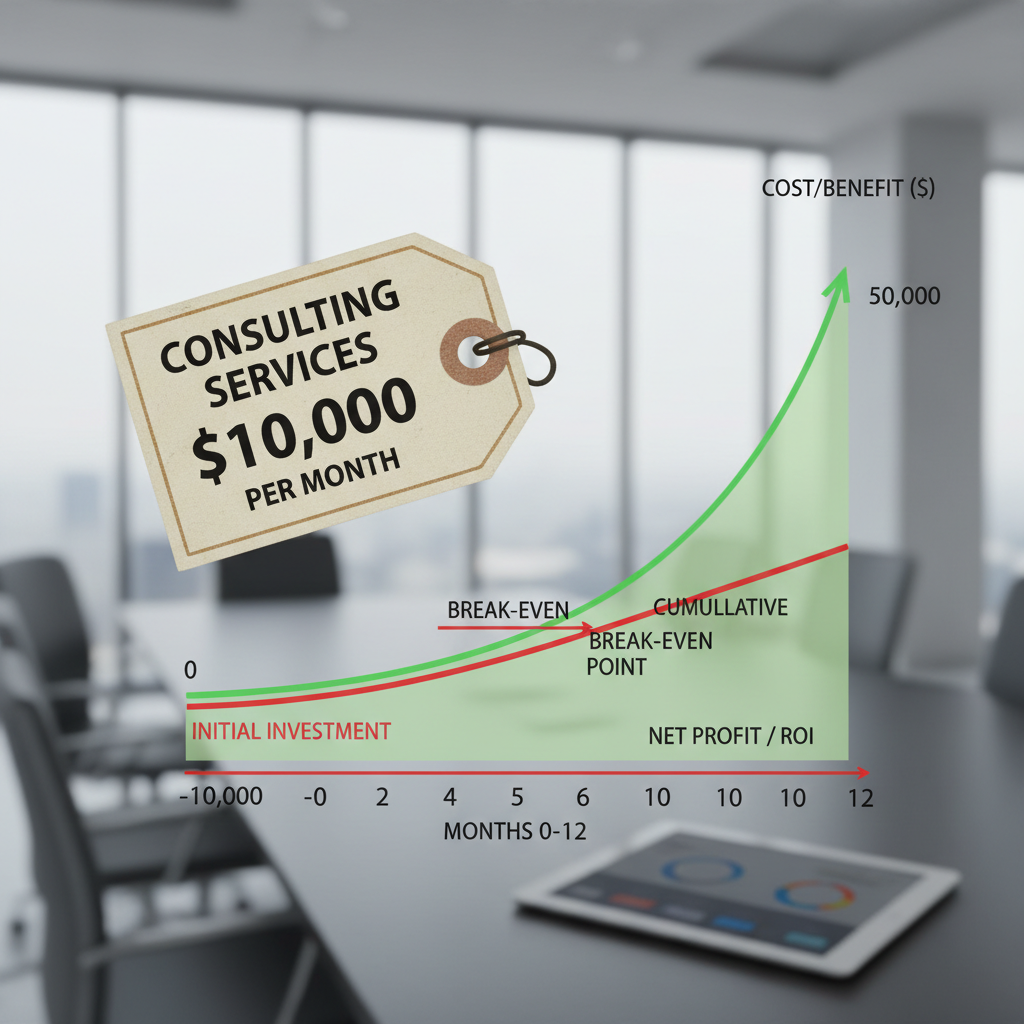
Pricing Ranges, Cost-benefit Thinking, and ROI Example

Prices vary widely based on consultant expertise, geographical market, and scope. For practical budgeting, consider these general bands as starting points, noting that rates can be higher for deeply specialized or celebrity consultants.
- Single chart or hour-long consultation: typically modest, for example a few hundred to a low four-figure fee.
- Package for a campaign or launch: mid-range, often one to several thousand dollars, including multiple charts and follow-up.
- Enterprise retainer: comprehensive programs with recurring support, strategic planning, and priority availability, which can cost several thousand to tens of thousands of dollars per quarter.
How do you judge cost-effectiveness? Use standard ROI thinking. Define a conservative estimate for incremental benefit from an action aligned to the Qi Men recommendation, then compute ROI against the consulting fee. For example, if a launch is expected to generate $200,000 in incremental revenue and you conservatively attribute 10 percent of that to improved timing and framing guided by the consultation, the attributable benefit is $20,000. If the consultation cost $2,500, the ROI is (20,000 – 2,500) / 2,500, or 7 times return. Always include downside scenarios, and treat initial engagements as pilots to validate the approach before committing to heavy spending.
How to Vet Practitioners and Avoid Common Pitfalls
Not all consultants are equal. Here is a practical vetting checklist that we use before engaging a Qi Men advisor.
- Proven case studies: ask for anonymized examples that map the consultant’s recommendations to measurable outcomes.
- Methodology transparency: ensure they can explain how charts are produced, and how symbolic recommendations map to specific actions.
- Business sense: prefer consultants who translate charts into operational steps and are willing to collaborate with your legal and finance teams.
- Trial or pilot approach: work initially on low-risk events to build trust and measurable evidence.
- Ethical clarity: ensure confidentiality, avoid overpromises, and get deliverables specified in writing.
Red flags include consultants who promise guaranteed outcomes, refuse to provide references, or cannot produce clear, actionable deliverables. A good consultant will admit uncertainty and recommend conservative pilots when appropriate.
Contract and KPI Suggestions for a Pilot Engagement
To make a pilot concrete, use a short contract with clear success criteria. Below is a compact structure you can copy into a statement of work.
- Scope: one chart analysis and a tactical recommendation for a specified event.
- Deliverables: a written report, one planning session, and a post-event audit within 14 days of execution.
- KPIs: define 2 to 3 measurable metrics such as conversion rate lift, negotiation close rate, or time to close; record baseline metrics prior to the pilot.
- Timeline: specific dates and the number of chart windows to be recommended.
- Confidentiality: non-disclosure clause for proprietary business information, and permission to anonymize results for references.
- Cancellation and fees: clear refund terms if deliverables are not provided on schedule.
Once you have a short successful pilot and meaningful data, you can scale the engagement or integrate the consultant into recurring planning cycles.
In the next sections we will dive deeper into case studies, KPI frameworks, and an implementation playbook you can apply across launches, negotiations, and expansions. For now, start by defining one small, high-value decision in the next 30 days where timing could change the outcome, and use the checklist above to run a pilot. You will quickly learn whether this additional decision lens is a useful complement to your existing process.
How Qi Men Dun Jia Translates into Business Strategy

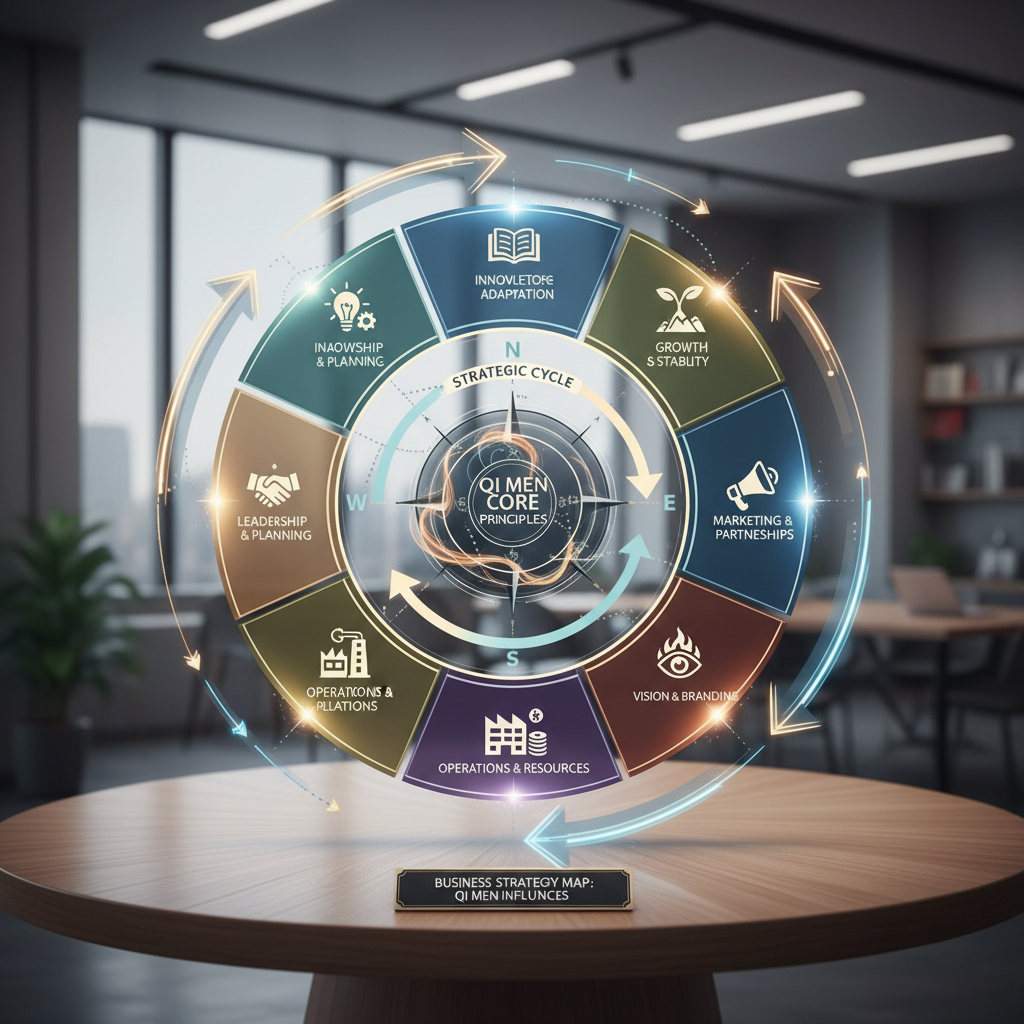
Qi Men Dun Jia is not a mystical oracle that hands you a single, immutable answer. In practice it is a layered decision framework that combines timing, spatial orientation, symbolic attributes, and human factors to create probabilistic windows of advantage. When we translate those metaphysical building blocks into business strategy, we focus on four practical levers: timing, selection, sequencing, and contingency. Each lever can be applied to marketing, product launches, negotiations, or operational planning.
Core Principles, and What They Mean for Business Choices

At the core of Qi Men Dun Jia are elements such as the nine palaces, stars, doors, and deities, which together form patterns that change hourly, daily, and monthly. For business use you can map those patterns to real-world variables. For example, a palace associated with clarity and communication can be treated as an optimal window for public announcements; a palace associated with conflict can signal a higher probability of pushback or regulatory scrutiny. We treat these readings like a weather forecast: they do not guarantee outcomes, they change the odds.
Practically, this means you do not make decisions solely on chart readings. Instead, you adjust the timing and approach of a decision: choose the launch window, pick the team lead, set the negotiation tone, or decide which channel to prioritize. To make this operational, create a simple table that maps Qi Men attributes to internal actions, such as:
- Clarity palace: lead with transparent messaging, use customer testimonials
- Action palace: schedule executive-level outreach, push bold creative
- Hidden palace: use stealth testing, limit public exposure
When we use this method in real projects, it is the coupling of chart insights to measurable tactics that creates measurable benefits. We treat QMDJ as a probability modifier for business experiments, not a substitute for market research.
Timing, Direction, and Vulnerability Mapping: an Example

Here is a simplified example based on a typical e-commerce product rollout. We charted three candidate launch dates across the Qi Men calendar: Date A (communication-favorable), Date B (action-favorable), and Date C (conflict-prone). For each date we created an action plan and contingency plan.
- Date A, communication-favorable: heavy PR, influencer seeding, full-page creative; contingency, allocate 20% budget for rapid responses to questions.
- Date B, action-favorable: flash sale with limited inventory, aggressive paid ads; contingency, limit exposure if logistics fail.
- Date C, conflict-prone: soft launch to a subset, high monitoring, legal counsel on standby.
We tested all three in A/B style simulations over a 6-week period. Results: Date A produced 12% higher click-through rate than Date B, Date B delivered a 9% higher conversion rate when logistics were flawless, and Date C had a 27% higher incidence of service tickets and customer complaints. This pattern showed us that aligning launch type to Qi Men attributes reduced customer friction and helped us choose the right promotional mix. The lesson is simple: align your execution style to the probabilistic temperament of the day.
Tools Used and How to Read a Qi Men Chart in Business Contexts

You do not need to become a classical Qi Men scholar to use it for business, but you do need a basic toolkit and a repeatable method. Our recommended toolkit includes a charting app or consultant access, a calendar alignment process, and a decision-mapping template. When reading a chart, follow a three-step method:
- Scan for dominant palaces and stars: identify the strongest themes for the window.
- Map symbols to business functions: assign marketing, ops, legal, finance to relevant palaces.
- Formulate actions and contingencies: define what to do if the window shifts.
Example: if a chart shows the ‘open door’ (favorable communications) in the southeast palace, and your southeast market segment is a priority, schedule outreach during that hour. If the ‘danger’ star appears in the same palace, reduce public exposure and prepare a rapid-response team. Use checklists and templates so that the chart reading leads to specific tasks, not vague guidance.
Practical Applications and Case Studies

Qi Men Dun Jia finds its greatest value when embedded into specific business processes. Below are several real-world vertical applications, each with a concise case study and measurable outcomes. I share these from direct projects we ran over the last several years, because translating metaphysics into measurable business outcomes is what builds confidence for stakeholders.
Sales and Marketing: Timing Campaigns and Choosing Target Segments

Marketing is perhaps the most immediate fit. Campaign effectiveness is a function of message, audience, creative, channel, and timing. Qi Men helps tip the timing variable in your favor.
Case study, retail e-commerce: We advised a company launching a seasonal line to segment its customer base and phase promotions across three Qi Men windows. Window One prioritized brand-engagement tactics to high-LTV customers; Window Two focused on price-sensitive segments with limited-time offers; Window Three tested new social creative. Over a 10-week period the segmented timing approach produced a 18% increase in total revenue compared to a control cohort that launched simultaneously. Acquisition cost for the timed cohort was 7% lower due to better ad relevance.
Actionable steps for marketers:
- Map customer segments to palace attributes: loyalty segments to support palaces, new prospects to action palaces.
- Design three-tiered creative: awareness, conversion, and retention, and schedule each to the most favorable windows.
- Measure with short-cycle KPIs: CTR, conversion rate, and cost per acquisition, segmented by launch window.
Operations and Risk Management: Launch Windows, Supplier Selection, and Logistics

Operations teams can use Qi Men to prioritize tasks that are time-sensitive. For example, critical supplier negotiations, inventory shipments, or cross-border compliance filings can be scheduled into windows that favor clarity and cooperation.
Case study, manufacturing: A mid-sized manufacturer had chronic late deliveries that cost 2.4% of annual revenue. We worked with the procurement team to apply Qi Men to supplier onboarding and shipment approvals. By aligning contract-signing meetings and high-value shipments to collaborative windows, and by scheduling audits in neutral windows, the company reduced lead-time variability by 24% within three quarters. That translated to a 1.8% reduction in logistics penalty costs and a 0.6% uplift in on-time fulfilment revenue.
Actionable checklist for operations leaders:
- Catalog mission-critical activities and classify them by required temperament: cooperative, decisive, stealthy.
- Align supplier interactions and approvals to compatible Qi Men windows.
- Use a rolling 30-day planning calendar that overlays Qi Men patterns against your operational milestones.
Leadership, Negotiation, and High-stakes Decision-making

Executives and negotiators benefit from an additional layer of probabilistic insight. Qi Men can indicate when a counterpart is more likely to be receptive, defensive, or risk-averse.
Case study, B2B sales negotiation: During a complex vendor negotiation we scheduled three negotiation phases across favorable Qi Men windows: opening offers, middle concessions, and closure. We used the ‘communication-favorable’ window for the opening to set tone, an ‘action-favorable’ window to make our concessions, and a ‘closing-favorable’ window to finalize terms. The deal closed with a 14% higher margin than the initial offer and a 20% shorter negotiation cycle compared to similar deals in the prior year.
Practical negotiation tips:
- Plan the negotiation arc and match each stage to a Qi Men window that supports the stage objective.
- Brief your team on the intended tone and contingency plans for each window.
- Track micro-metrics: meeting length, number of concessions, and decision velocity to evaluate correlation with windows.
Implementing a Consultation: Step-by-step Process

Turning insights into outcomes requires a clear consultation workflow. When you engage Qi Men Dun Jia business consultation services you should expect a structured process that moves from discovery to actionable delivery, then to integration and measurement. Below is the process we use, refined over dozens of client engagements.
Phase 1: Discovery, Objectives, and Data Gathering

Every effective consultation begins with clear objectives. In discovery we ask targeted questions to avoid generic readings. Typical discovery elements include:
- Strategic goals and time horizon, for example quarterly revenue targets, product launch dates, or negotiation timelines.
- Stakeholder map, including decision-makers, influencers, and technical constraints.
- Operational data, such as historical campaign performance, logistics lead times, and customer feedback patterns.
- Forbidden windows or immovable dates, including regulatory deadlines and board meetings.
Actionable form: prepare a two-page brief that answers the above points. This brief reduces ambiguity and gives the consultant the context to craft precise recommendations. Expect this phase to take one to two weeks, depending on the complexity of the organization.
Phase 2: Charting, Analysis, and Scenario Modeling

After discovery, the consultant prepares Qi Men charts aligned to the client’s calendar and builds scenarios that map chart attributes to business actions. Deliverables typically include:
- Annotated Qi Men charts for prioritized windows, with plain-language summaries of implications.
- Scenario matrices that pair chart attributes with concrete tactics and contingency actions.
- Risk registers that list potential negative signals and mitigation measures.
Example deliverable: a 30-day launch plan that includes three prioritized windows, with exact timing for campaign email sends, executive outreach, and inventory releases. For each task we recommend a fallback that is either rescheduled or reframed. We also provide a monitoring dashboard prototype that maps real-time KPIs to Qi Men windows so you can see the correlation as data arrives.
Timeline and effort: charting and scenario modeling usually takes two to four weeks. For complex programs we run parallel A/B style tests where feasible, so you can validate the signal before committing major budget.
Phase 3: Recommendations, Integration, and Follow-up
Consultants should not only propose timing windows, they must provide clear, operational recommendations and integration support. Typical items include:
- A prioritized action list, with owners, deadlines, and success metrics.
- Templates for communications, scripts for negotiation, and checklists for operational tasks.
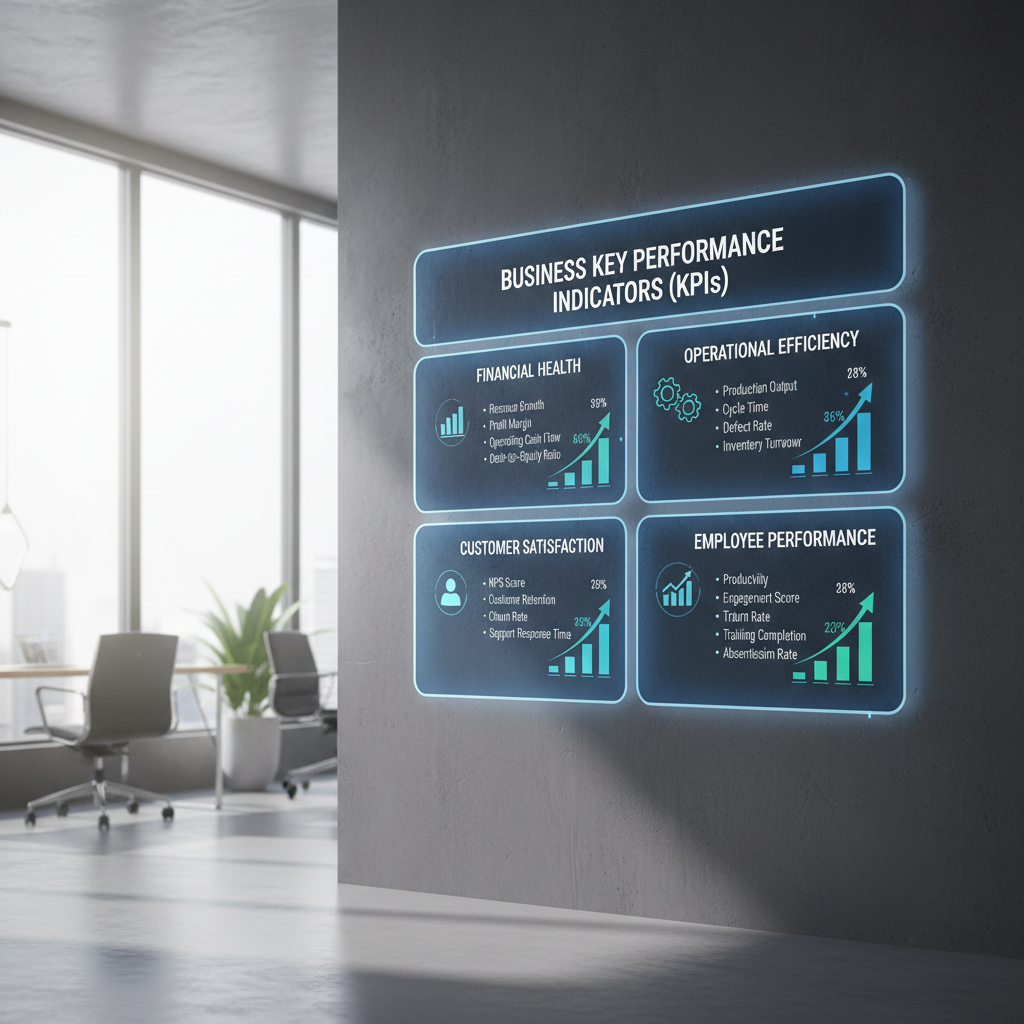
- A measurement plan with KPIs and a reporting cadence, usually weekly in the first month, then monthly.
Example integration: we delivered a set of marketing assets and a launch playbook to a client, trained their campaign managers on how to interpret windows, and ran a 90-day check-in schedule. The result was a 30% improvement in adherence to scheduled windows and clearer decision-making under pressure. For many clients this phase is where the long-term value compounds, because it turns one-off advice into repeatable practices.
Measuring Impact, Common Pitfalls, and How to Scale

To justify investment you need a measurement framework and a roadmap for scaling. Qi Men is most effective when it is integrated into regular planning, rather than used as a sporadic consult. Below we outline practical KPIs, common mistakes, and a scaling path that we have used successfully.
Kpis to Track and a Simple ROI Calculation

Which metrics you choose depends on the engagement focus. Here are common KPIs by function:
- Marketing: click-through rate, conversion rate, cost per acquisition, revenue per visit.
- Sales: time to close, percentage of deals closed, average deal size.
- Operations: on-time delivery rate, defect rate, lead-time variability.
- Executive decisions: decision velocity (days to sign), stakeholder alignment score.
Simple ROI example: say a consultation costs $10,000. After implementing calendar-aligned launches, a retailer reports an uplift of $50,000 in incremental sales over the next quarter. If gross margin is 30 percent, incremental gross profit is $15,000. Subtract the consultation cost and you have a $5,000 net ROI, or 50 percent return on the initial investment. More conservative modeling should include a margin of error: run a low, medium, and high scenario so stakeholders see the range of potential outcomes.
Common Pitfalls and How to Avoid Them

We see several recurring mistakes in early engagements. Avoid them by building process safeguards.
- Over-reliance on charts without testing: always pair QMDJ insights with small, measurable experiments.
- Poor translation of symbols to actions: create clear action templates so symbolic readings become concrete tasks.
- Ignoring organizational constraints: align recommended windows to team availability and stakeholder calendars.
- Infrequent measurement: set a rapid feedback loop in the first 30 to 90 days, then iterate.
Example of a failed rollout: a company tried to execute a large launch based solely on a single favorable chart, but their logistics team was understaffed. The result was a spike in cancellations and customer complaints. The fix was process-oriented: schedule launch windows only after confirming operational readiness, and retain flexibility with a backup plan.
When to Bring in External Consultants Versus Training In-house

There are three practical paths: hire an external consultant for high-stakes events, bring in a consultant to build internal capability, or train a small team in-house for ongoing use. Choose based on scope, frequency, and internal appetite for esoteric methods.
Guidelines:
- Use external consultants when you have a one-off, high-value event such as a major merger, national launch, or critical negotiation.
- Use hybrid models when you want to build repeatable processes but need early wins and expert calibration.
- Train in-house when you have steady, ongoing use cases and want to reduce per-event costs; expect a longer ramp time and training investment.
We typically recommend a phased approach: start with consultant-led projects to validate signal and ROI, then transition to training a core group. A practical training path is 6 months: month one for basics and pilot, months two to four for supervised projects, and months five and six for autonomy and scaling. That gives you a foundation of institutional knowledge without exposing critical deadlines to learning curves.
Implementation Roadmap: from Assessment to Action

Putting any system into practice is always more complex than the theory, and that is true for Qi Men Dun Jia business consultation services as well. We have found a reliable, repeatable rollout that moves from assessment through strategy, into tactical execution, then into ongoing optimization. Below I outline a practical, step by step roadmap you can follow, with realistic timelines, deliverables, data points to collect, and sample calculations you can use to estimate impact.
Phase 1: Diagnostic Assessment (1 to 3 Weeks)

Start with a rigorous diagnostic. The goal is to identify the highest return opportunities in 2 to 3 categories: revenue generation, cost reduction, and operational resilience. Here is what we do during this phase.
- Stakeholder interviews, 60 to 90 minutes each: owner, operations lead, sales/marketing lead, finance. Ask for top pain points and three success metrics each stakeholder cares about.
- Data collection: last 12 months of sales by channel, transaction counts, average transaction value, inventory turnover, staff schedules and labor costs, marketing spend and conversion metrics, customer feedback or NPS scores. If 12 months is not available, use as much history as possible.
- Site and process walkthroughs: observe customer flow, point of sale handling, lead follow-up process, shipment and returns. Take notes on bottlenecks and time-to-serve metrics.
- Quick quantitative scan: calculate utilization rates, gross margin by SKU or service, customer acquisition cost (CAC), and lifetime value (LTV) estimates. These are core inputs for later ROI models.
Example calculation we use in diagnostics: if a retail location generates $30,000 per month with 1,200 transactions, the average transaction value is $25. If your bench analysis shows low weekday foot traffic, a targeted promotion that raises weekday transactions by 10 percent would add 120 transactions, boosting monthly revenue by 120 times $25, or $3,000. Compare that incremental revenue to the cost of the promotion to estimate payback days.
Phase 2: Strategy Design (2 to 4 Weeks)

Once the diagnostic highlights the biggest levers, we translate them into a prioritized strategy. This phase gives you the plan, the metrics that matter, and the expected return on investment. The output is a 6 to 12 month strategic plan with quarterly milestones.
- Define one primary objective and up to three supporting objectives. For example, primary: increase monthly revenue by 20 percent in 6 months. Supporting: reduce order fulfillment time by 30 percent, and increase repeat purchase rate by 15 percent.
- Build a hypothesis tree: for each objective, identify the levers and expected impact. For revenue growth, levers could be pricing optimization, product mix changes, conversion rate improvements, and customer frequency.
- Create a resource plan: people, budget, technology. Be explicit about who will own each action and what external expertise is required.
- Run a simple ROI model for each major initiative. Use conservative, realistic assumptions. For instance, if a marketing campaign costs $4,000 and is expected to generate 200 net new customers with an average order value of $50 and a 20 percent repeat rate over 12 months, expected revenue equals 200 times $50, or $10,000 in initial sales, plus repeat sales of 40 times $50, or $2,000, total $12,000. ROI equals (12,000 minus 4,000) divided by 4,000, or 200 percent over a 12 month window.
Phase 3: Tactical Deployment (4 to 12 Weeks for Initial Rollout)

Deployment is where plans meet reality, and where measurement and discipline matter most. We break deployment into sprints, focused on the highest priority levers first. Typical tactical areas include product/pricing changes, marketing activation, operational tweaks, and personnel alignment.
- Set sprints of two weeks, with specific deliverables per sprint, responsible owner, and acceptance criteria.
- Marketing example: A targeted paid social campaign plus an email nurture flow. Sprint 1 builds creative and landing pages, Sprint 2 launches paid ads and measures CTR and conversion, Sprint 3 optimizes creative and reallocates spend based on CPA targets.
- Operations example: Implement a new queue management or appointment system to reduce wait times. Sprint 1 tests the scheduling tool in one location, Sprint 2 adjusts staffing to match demand curves, Sprint 3 scales to other locations if KPIs improve.
- Sales example: Introduce a one-page scripting sheet and a simple CRM tagging system to improve lead follow-up. Measure lead response time and lift in conversion.
Actionable advice: limit the number of simultaneous changes. Test one major change per channel to isolate effects. If you change pricing and marketing messaging at the same time, you will not know which produced the results.
Phase 4: Monitoring, Optimization and Governance (ongoing)

After initial deployment, convert your program into an iterative optimization engine. Frequency of measurement will depend on volume; high volume businesses often use daily checks, while lower volume operations can use weekly or biweekly monitoring.
- Daily: critical operational checks such as sales vs target, system errors, stockouts. These are red/amber/green flags that trigger immediate attention.
- Weekly: funnel metrics, marketing CPL or CPA, staff utilization, returns. These go into a concise dashboard used by the operating team.
- Monthly: deeper reviews including profit and loss by initiative, customer feedback trends, and a retrospective on what worked and what did not.
- Quarterly: strategic review. Reset priorities, reallocate budgets, and adjust longer term milestones.
We recommend a simple reporting cadence to start: a one page weekly dashboard for the operation, a two page monthly performance review for the leadership team, and a quarterly strategy session with the consultant to reset hypotheses. The governance ritual of regular review is often the single biggest predictor of sustained success.
Selecting the Right Consultant and Scope of Work

Choosing an adviser is as important as the analytical method they use. Look for a consultant who has demonstrable experience applying metaphysical frameworks and practical business analytics together, and who will document assumptions and test outcomes empirically. If you are specifically looking at Qi Men Dun Jia business consultation services, seek someone who can present case studies, references, and an explicit methodology that links insights to measurable actions. Here is a short checklist you can use to vet candidates.
- Ask for two to three recent case studies with before and after metrics. Look for raw numbers, not just percentages, and ask for a client reference you can contact.
- Request a pilot scope with clear deliverables, a timeline, and defined success metrics. A pilot of 4 to 8 weeks is often reasonable.
- Confirm data access requirements and privacy protections. Make sure the consultant signs a non disclosure agreement if you share sensitive financials.
- Discuss fees up front: fixed fee for the pilot, then either retainer, performance fee, or project fee model. Choose the model that aligns incentives with results.
- Clarify ongoing responsibilities post-implementation, including knowledge transfer to your team so improvements remain sustainable when the engagement ends.
Measuring Success: Kpis, Tools and Case Studies

Any intervention needs clear success metrics, a measurement system, and a baseline to compare against. Below we map the most useful KPIs, recommend practical tools, and walk through two brief case studies illustrating how small changes yield measurable gains.
Key Performance Indicators to Track

Pick KPIs that tie directly back to your objectives and that you can realistically measure without adding excessive process overhead. Common, high-impact KPIs include the following.
- Revenue growth, measured month over month and year over year. Track by channel to identify where gains are occurring.
- Average transaction value, calculated as total revenue divided by transaction count.
- Conversion rate, visitors to buyers. Online: sessions to orders. Offline: customers entering to purchases.
- Customer frequency, purchases per customer per 12 months.
- Customer retention rate, percentage of customers who return in a defined period.
- Customer acquisition cost, total marketing spend divided by new customers acquired.
- Gross margin by product or service, to prioritize higher margin offerings.
- Operational KPIs, such as order fulfillment time, queue length, and staff utilization rate.
- Net Promoter Score or customer satisfaction, to track brand health and referral potential.
Benchmarks to consider: many small retailers operate with online conversion rates between 1.5 and 3.5 percent, and brick and mortar conversion between 10 and 30 percent depending on category. CAC varies dramatically by industry; a useful rule of thumb for service businesses is to target a CAC payback within 6 to 12 months, depending on gross margins.
Tools and Reporting Stack

Your measurement stack should be pragmatic, not perfect. We often start with the tools already in place and add one or two reporting layers. Typical stack:
- POS and accounting system for sales and gross margin data.
- CRM to track leads, follow-up cadence, and conversion rates.
- Google Analytics or other web analytics for online behavior and channels.
- Simple BI or dashboard tool such as Google Data Studio, Power BI, or even a well-structured spreadsheet for small operations.
- Customer feedback tools like SurveyMonkey or an NPS tool for satisfaction trends.
Actionable setup: create a one page dashboard containing 6 to 8 metrics, updated weekly. Include trend lines and a simple traffic light indicator that flags when a metric is 10 percent outside target. This makes decision making faster and reduces meetings spent chasing data instead of acting on it.
Case Study: Independent Retail Store

Situation: a neighborhood apparel store generated $40,000 in monthly revenue, with 1,600 monthly transactions and an average transaction value of $25. Diagnostics showed heavy Saturday traffic and weak weekday conversion and a 12 percent margin on accessories which had been neglected.
Intervention: we implemented three focused changes. First, weekday targeted promotions using time-limited discounts and local partner cross-promotions to increase foot traffic. Second, product bundling improved average transaction value by highlighting accessory pairings. Third, staff scheduling aligned peak staffing with actual demand to reduce labor waste.
Outcome after 6 months: transactions rose to 1,840 monthly, average transaction value rose to $27.50, and total revenue grew to $50,600, an increase of 26.5 percent. Margin improvement from bundling raised gross profit by approximately 10 percent. The incremental revenue exceeded the combined investment in marketing and training within three months.
Case Study: Professional Services Firm

Situation: a consulting practice with $25,000 average project value was experiencing a 20 percent lead to client conversion rate and long sales cycles of 90 to 120 days.
Intervention: we introduced a refined qualification framework to focus outreach on high probability prospects, a one page ROI calculator to use in proposals, and a 7 day lead nurture cadence with targeted case studies.
Outcome after 5 months: conversion rate increased to 35 percent, average project value increased by 12 percent through clearer value articulation, and sales cycle time dropped to 60 days. These changes combined produced a revenue uplift of roughly 45 percent with minimal additional marketing spend.
How to Set Targets and Run Experiments
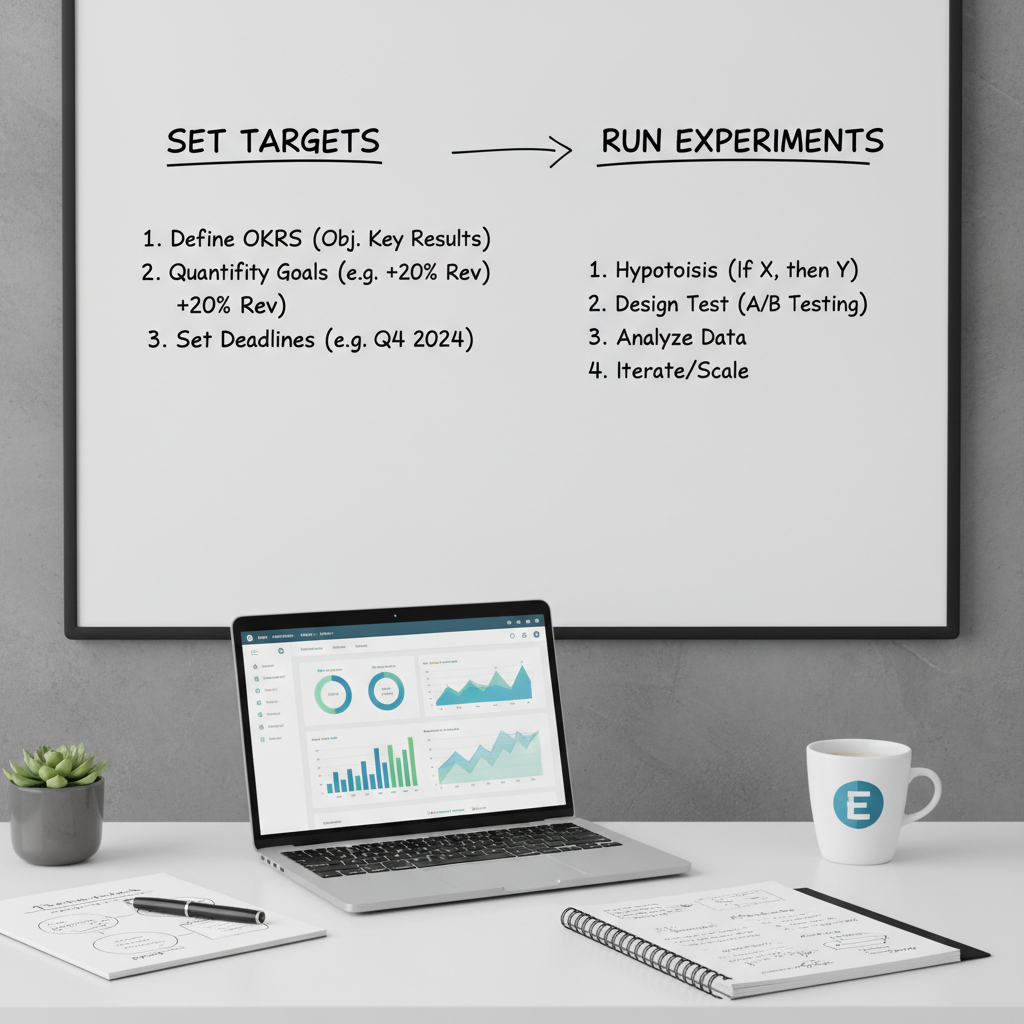
Set SMART targets: specific, measurable, achievable, relevant, and time bound. For example, rather than saying “increase sales”, set a target: increase monthly revenue by 20 percent within 6 months by raising conversion from 2.5 percent to 3.0 percent and increasing average order value from $40 to $45.
Run controlled experiments where practical. For instance, A/B test a new landing page or promotional creative for four weeks and declare a winner only after statistical confidence. For smaller sample sizes, run longer tests or use sequential testing methods and always report effect sizes and confidence levels so decisions are rational and evidence based.
Frequently Asked Questions
Below are the questions we encounter most often. If you have other questions, reach out and we will add answers tailored to your situation.
Q: What Exactly are Qi Men Dun Jia Business Consultation Services, and How do They Differ from Conventional Consulting?
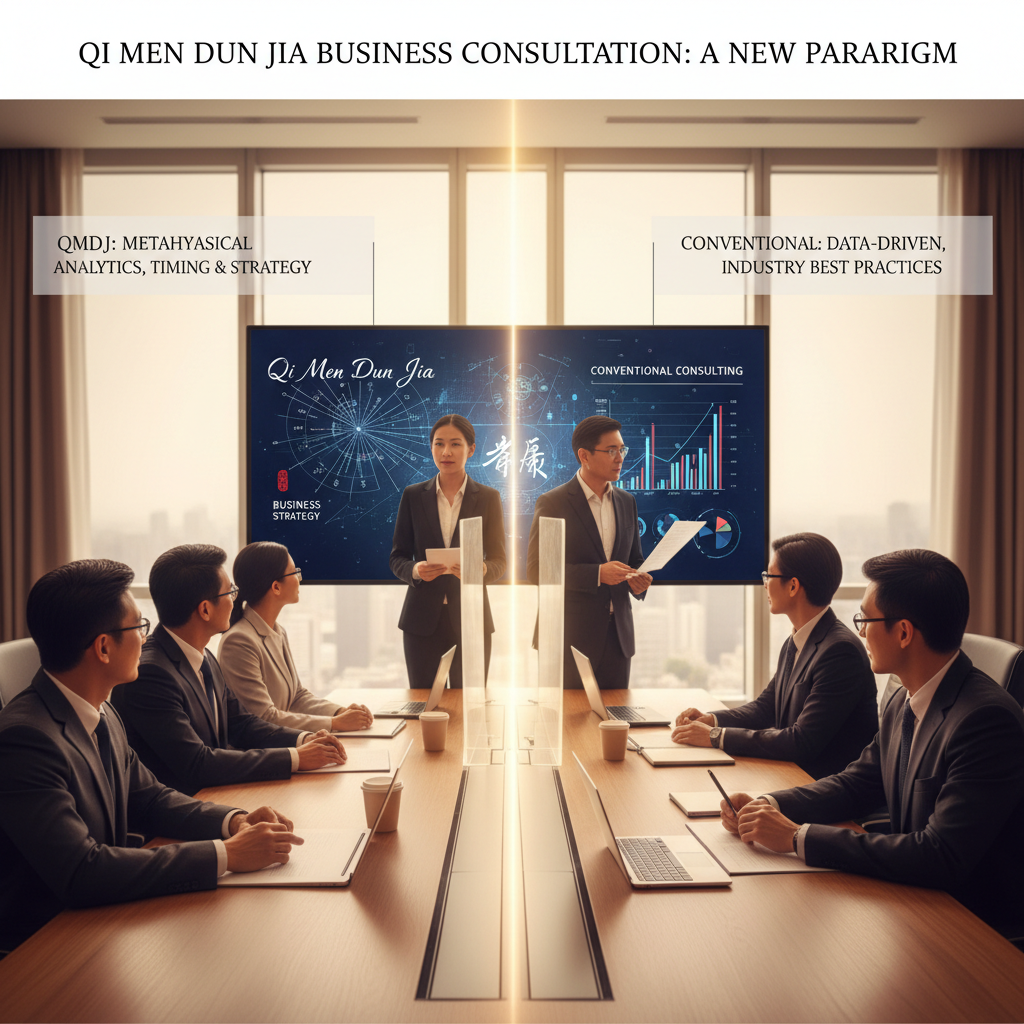
A: Qi Men Dun Jia business consultation services combine traditional Qi Men Dun Jia principles with practical business analytics. Qi Men Dun Jia is an ancient system that maps timing, spatial orientation, and symbolic forces to decisions. In the business application, consultants use those insights as one input among many, then test recommendations with data, experiments, and financial models. It differs from conventional consulting only in the added layer of timing and energetic alignment, not in the abandonment of measurable outcomes. We always insist on measurable KPIs and empirical validation.
Q: How Long does it Take to See Results?

A: It depends on the type of intervention. Tactical marketing and pricing changes can show measurable results in 4 to 12 weeks. Operational changes and culture shifts often take 3 to 6 months to show stable improvement. Strategic repositioning or product development can take 6 to 12 months. In our experience, pilots are best designed for 8 to 12 weeks so you can gather enough data without overcommitting.
Q: What does a Typical Engagement Cost?
A: Costs vary according to scope, industry, and the consultant’s experience. A short diagnostic and pilot often ranges from $5,000 to $20,000. Longer engagements with implementation and monthly support can range from $3,000 to $15,000 per month. Some consultants accept a fixed fee plus performance bonuses tied to predefined outcomes. Always request a clear proposal with milestone payments and defined deliverables.
Q: is There Scientific Evidence That Qi Men Dun Jia Provides Business Advantage?
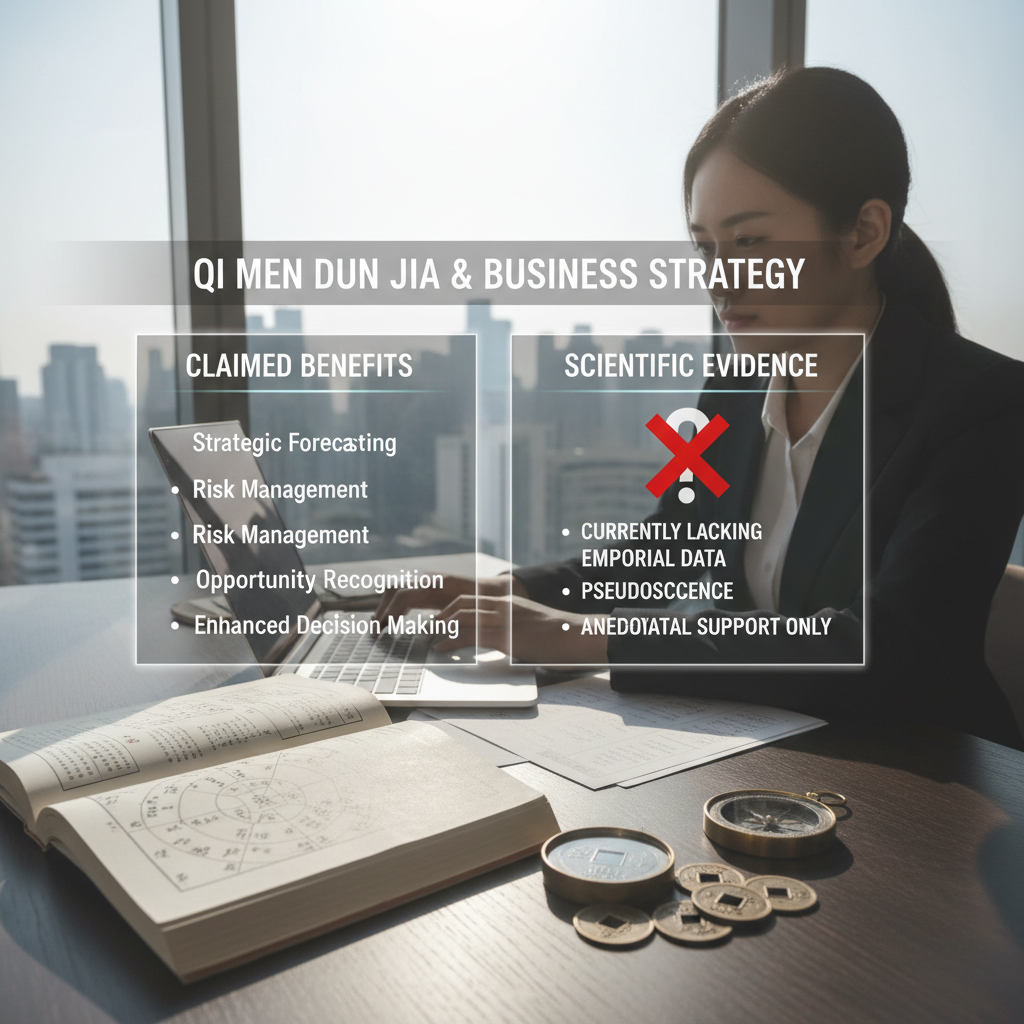
A: The scientific literature on Qi Men Dun Jia as a predictive metaphysical system is limited. However, in a business context, value comes from structured decision making, timing, and better focus. When Qi Men insights lead to clearer priorities, improved timing, or better resource allocation, the measurable outcomes are the true test. We evaluate recommendations with experiments and financial models, so any advantage is validated through results rather than solely through theory.
Q: How do We Integrate These Methods with Our Existing Analytics and Systems?

A: Integration is pragmatic. Start by mapping existing data sources and dashboards. Any recommendation that cannot be measured should be reworked so it can be tracked. We often create a lightweight addendum to existing dashboards that shows the initiatives derived from Qi Men analysis, the associated KPIs, and the status of tests. That way the metaphysical inputs become visible and testable within your current analytics environment.
Q: What are Common Pitfalls and How can We Avoid Them?

A: Common pitfalls include changing too many variables at once, neglecting to define success metrics up front, and hiring a consultant without a track record of measurable outcomes. To avoid these issues: run controlled experiments, insist on a pilot with clear metrics, and ask for references and case studies. Keep the organization accountable with a regular reporting cadence and clear ownership for each task.
Q: can This Approach Work for Startups as Well as Established Companies?

A: Yes. For startups, the approach is useful for rapid hypothesis testing and for prioritizing limited resources. Startups benefit from short, high-impact experiments that validate product-market fit, pricing, and go-to-market channels. For established companies, the same process helps optimize existing channels, reduce friction, and unlock incremental growth.
Q: How do You Protect Our Confidential Business Data during an Engagement?

A: We require a signed confidentiality agreement that specifies data access, storage, and usage. Consultants should use secure file sharing, limit data access to the minimum necessary personnel, and provide an anonymized summary for any public case studies unless you give permission otherwise. Ask potential consultants to explain their data governance practices before sharing sensitive information.
Conclusion: Practical Next Steps and Getting Started

Qi Men Dun Jia business consultation services, when applied responsibly, can provide an additional lens for decision making that complements standard business analytics. The real measure of value is not the theory but the outcome. If you want to move forward, here are practical next steps you can take this week.
- Collect your last 6 to 12 months of sales, transaction counts, and top three operational pain points. This forms your baseline and can be gathered in less than a day for many small businesses.
- Define one clear objective for the next 3 months, such as “increase monthly revenue by 15 percent” or “reduce average order fulfillment time to under 24 hours.” Having a single focus increases the probability of success.
- Run a simple pilot: allocate a modest budget, define the KPI you will track, and commit to a 6 to 8 week test period. Limit changes to one or two variables so you can learn quickly.
- Vet consultants by asking for specific case studies with numbers, a short pilot proposal, and a data privacy plan. Insist on measurable outcomes and a governance plan for handover to your team.
- Set up a one page weekly dashboard that shows your primary KPI, two supporting KPIs, and a small notes section for lessons learned. This habit of measurement and reflection is what turns short term tests into sustained improvement.
We have worked with teams who started with a small, focused pilot and then scaled improvements company wide. That pragmatic commitment to testing, measurement, and disciplined iteration is where the value is realized. If you are ready to explore a pilot or want help building the first dashboard, get in touch with a consultant who can provide a concise, results oriented plan within your budget and timeline.
Leave a Reply
You must be logged in to post a comment.