Introduction: Why the Tian Ren Star Still Matters Today

When I first encountered the phrase Tian Ren Star meaning it felt like a small, elegant key to a larger door. For people who explore Chinese metaphysics and personal destiny systems, this star shows up as a marker of responsibility, reliability, and social trust. Over the years I have read dozens of charts, compared notes with practitioners, and watched how a single star can explain recurring themes in a life: the tendency to shoulder other people’s burdens, the ability to organize and lead quietly, or the habit of choosing service over self-promotion.
This article is for curious readers, astrology students, and anyone who wants practical insight. We will not only unpack what Tian Ren represents in traditional systems, we will give you clear, actionable steps to spot it in a chart, to interpret it in different life areas, and to work with it in daily life. I aim for clarity, real examples, and useful techniques you can apply right away, whether you are consulting a professional or just learning on your own.
Quick note on approach: Chinese destiny systems vary by school, and the language around stars can differ. I’ll focus on the most common and practical interpretations, highlight how different placements change the expression, and offer tips you can test against your own lived experience. Let’s begin by locating this star in its cultural and historical context, because meaning grows from both symbol and practice.
1. Origins and Cultural Context: Where Tian Ren Comes From

To make good use of any astrological symbol, I find it helps to know where it came from. The Tian Ren star appears in classical Chinese astrological systems as a secondary or auxiliary star, used to shade meaning in a chart rather than to carry the chart on its own. In that role, it behaves like a color wash across personality, vocation, and fate, emphasizing certain themes: duty, reliability, humane leadership, and social obligation.
Historical sources describe stars like Tian Ren as social agents in the cosmos. They are not absolute destiny, they are tendencies; they suggest predispositions, strengths, and challenges that interact with circumstance. In practical chart work, Tian Ren often modifies how a primary star shows up. For example, a chart with strong leadership indicators may become more service-oriented and steady if Tian Ren is present. Conversely, Tian Ren can soften a star that is otherwise aggressive or self-centered, channeling ambition into contribution.
Another reason the cultural context matters is language. Tian Ren in Chinese literally evokes heaven, people, or humaneness depending on the characters and the tradition. That linguistic richness is why modern interpretations tend to stress moral intelligence, social skill, and a duty-driven temperament, rather than simple ambition or fame. We should therefore treat Tian Ren as a relational star; it primarily speaks about how a person connects to others, to institutions, and to obligations.
How practitioners differ: not all schools read Tian Ren the same way. Some classical manuals present it as favorable in governance and public office, others view it as a stabilizer in family life. Contemporary readers often blend traditional descriptions with modern psychology, treating Tian Ren as a marker of conscientiousness and civic-mindedness. In working with clients, I usually compare multiple sources and then test interpretations against observable facts, such as career pattern, relationship choices, and recurrent life events.
How to Verify Its Presence in Your Chart

If you want to find Tian Ren in your own chart, here are practical steps I recommend. First, identify which astrological system you are using. Tian Ren shows up most clearly in systems that map stars into palaces, such as Zi Wei Dou Shu. If you use Four Pillars (BaZi), you may not see Tian Ren named explicitly; instead look for auxiliary star lists or Qi-Men Dunjia derivatives that include it.
- Step 1: Get a reputable chart printout that includes auxiliary stars. Many Zi Wei Dou Shu calculators list stars by palace; download one with trusted sources or consult a trained practitioner.
- Step 2: Locate the palaces in your chart (life, career, wealth, relationships, health, etc.). Tian Ren will be listed among supplemental stars when present.
- Step 3: Note its palace placement and any neighbors. Which major stars are nearby? The company it keeps will change how Tian Ren behaves.
- Step 4: Record life facts that match the palace: for example, if Tian Ren is in Career Palace, list job tenure, leadership roles, and patterns of service or burnout.
By testing the star against real-world life events, we move beyond theory. I often ask clients to rate how strongly they relate to descriptors like dependable, service-oriented, duty-focused, and community-minded. If those traits track with the palace placement, the Tian Ren interpretation is likely valid for that person.
2. Core Attributes and Symbolic Meaning of Tian Ren

When we talk about the core attributes of Tian Ren, three clusters keep coming up in readings and texts: responsibility, moral authority, and steady service. Each cluster has both positive and shadow expressions. Understanding both sides allows you to leverage strengths and mitigate weaknesses, which is the heart of practical astrology.
Positive Expressions: Leadership through Service

On its best day, Tian Ren points to leadership that is quietly effective. People with strong Tian Ren energy often become the ones others turn to when things need sorting. I have seen clients with this star naturally assume roles that require patience and follow-through: project management, community organizing, caregiving professions, or administrative leadership in public institutions. The common thread is durability, rather than charisma. Tian Ren supports the kind of leadership that builds institutions and maintains systems.
Examples from practice: a mid-career nurse with Tian Ren in the Life Palace described how colleagues relied on her for crisis triage and mentoring new staff. Another client, a public servant, found satisfaction in administrative reform work; changes were incremental, yet durable. The pattern was clear: success measured by stability and trust, not by rapid public acclaim.
Shadow Expressions: Over-responsibility and Self-neglect

Every strength has an overused form. For Tian Ren, the shadow shows as chronic over-responsibility and difficulty delegating. People can become the default problem-solver, which may lead to exhaustion, resentment, or suppressed personal ambition. In intimate relationships, Tian Ren can show up as the partner who absorbs household burdens and then feels unappreciated.
Actionable advice: if you recognize these patterns, start with small boundary experiments. Try this three-step routine I recommend to clients: (1) Track weekly tasks you assume for others for two weeks. (2) Identify one task you can delegate, and delegate it explicitly. (3) Reflect on how your energy level changes. This empirical approach helps you shift behavior without moralizing your instincts toward responsibility.
Core Symbolic Metaphors and What They Teach Us

Symbolically, teachers and classical texts liken Tian Ren to a pillar, an anchor, or a steward. These metaphors show us how the energy functions: it supports, holds, and preserves. If you imagine your life as a structure, Tian Ren is often the beam that keeps the house standing through storms. That metaphor can be motivating, but it also warns us not to let the beam carry the entire roof without maintenance.
Data from practice: when I audit client outcomes across different palaces, people with Tian Ren prominent in public-facing palaces (career, authority) tend to have longer average tenure in roles, often exceeding five to ten years in a single organization. That longevity matches the symbol of steadiness. Conversely, they report higher incidence of caretaker stress when Tian Ren stands alone without balancing stars that suggest self-care or boundary-setting.
3. How Tian Ren Expresses Across Chart Palaces: Practical Interpretations
One of the most useful moves in astrological interpretation is to read a star by palace placement. The same core quality can look very different depending on where Tian Ren sits in the chart. Below I provide practical, example-driven readings for common palace placements, plus concrete actions you can take if the description resonates.
Tian Ren in the Career Palace

Expression: In Career Palace, Tian Ren gives a reputation for dependability and steady advancement through competence. People with this placement excel in administrative leadership, operations, and roles that require a steady hand under pressure. They may not be the loudest voices in the room, yet they become indispensable because they produce reliable outcomes.
Example: Imagine someone who spends 12 years at a nonprofit, gradually rising from program coordinator to operations director. Their leadership style is collaborative, process-driven, and focused on institutional memory. The organization retains them because of the stability they provide.
Actionable strategies: if you have Tian Ren here, consider these steps to maximize your career satisfaction: (1) Build systems around your strengths. Document processes you consistently smooth out, then teach others. This reduces personal burden while spreading competence. (2) Use periodic sabbaticals or planned breaks to prevent burnout, even if you feel indispensable. A one-month reset every few years can preserve your long-term capacity. (3) Negotiate for roles that explicitly value continuity, such as executive operations or program stewardship, and ask for authority to delegate tasks to reduce overload.
Tian Ren in the Relationship (marriage) Palace
Expression: In relationships, Tian Ren often shows as the partner who keeps the household functional and emotionally steady. This person organizes, mediates, and tends to long-term welfare. Their love tends toward practical care: managing finances, arranging schedules, and attending to daily needs.
Example: A client described being the partner who handled all logistics during illness, including appointments and medication schedules. Their partner expressed gratitude, yet the caretaker felt unseen and grew quietly resentful. Here Tian Ren’s service orientation required communication and role clarity to maintain balance.
Actionable strategies: if this sounds familiar, try the following exercises: (1) Weekly appreciation exchange: dedicate 10 minutes a week to verbalize what each partner noticed the other doing. This increases recognition for practical labor. (2) One delegation holiday per month: alternate a day where the other partner takes over usual tasks, even if imperfectly. This reduces accumulation of invisible labor and builds empathy.
Tian Ren in the Wealth Palace

Expression: Tian Ren in Wealth Palace often supports conservative growth and long-term financial stewardship. People with this placement prioritize steady savings, reliable investments, and legacy planning. Their financial decisions lean toward secure, low-volatility options rather than speculative ventures.
Example: A client with Tian Ren in Wealth invested in rental properties over two decades. Returns were modest compared with a speculative tech bet, yet income was steady and contributed to multi-generational security.
Actionable strategies: practical adjustments include: (1) Balance security with growth by allocating a small percentage of assets to higher-risk investments to avoid stagnation. For example, consider a 70/20/10 allocation: 70 percent secure instruments, 20 percent moderate risk, 10 percent exploratory investments. (2) Automate savings and estate planning. The automation reduces decision fatigue and preserves the long-term orientation Tian Ren favors.
Tian Ren in the Health or Body Palace

Expression: When situated in the Body Palace, Tian Ren emphasizes responsibility toward physical care and routine. People may be diligent about medical checkups and daily health rituals. On the negative side, they may suppress symptoms to continue serving others, delaying necessary self-care.
Example: A schoolteacher with Tian Ren in Body Palace continued working through chronic pain until forced into a leave of absence. Retrospectively, the teacher recognized a pattern of prioritizing students over personal health.
Actionable strategies: use accountability structures: (1) Schedule recurring medical reviews and treat them as non-negotiable appointments. (2) Set micro-habits that protect energy: a 10-minute morning mobility routine, a hydration reminder, and a weekly digital detox window. These small, repeatable actions align well with Tian Ren’s strength for consistent practice.
Summary tip: In each palace, our job as interpreters is to translate the star into everyday choices. By asking, “How does responsibility show up here?” we ground the symbol in lived reality. Then we create interventions that preserve the strength while reducing the shadow.
Personality and Behavioral Traits Associated with Tian Ren

When we look at traditional Zi Wei Dou Shu sources and talk about the Tian Ren Star meaning, what we are really trying to understand is a pattern of behavior that shows up repeatedly in people who have this auxiliary star prominent in their chart. In practice, Tian Ren often colors a personality with a strong inclination toward being helpful, morally principled, and socially oriented. You will see people with Tian Ren come across as approachable, steady, and willing to take on responsibility for others. They tend to be problem solvers, often stepping into mediation roles without being asked.
From personal experience reading charts, I have noticed a few recurring threads. First, Tian Ren people value reputation and integrity. They want to be seen as reliable, and they will work to keep promises. Second, they are service oriented. Whether in a tiny volunteer role or a major corporate position, they often prefer work that connects them with people and gives a sense of contribution. Third, there is a calming influence associated with Tian Ren; others feel leaned on them during stress. That does not mean they are immune to anxiety, only that their natural response is to stabilize situations, not to escalate them.
Tian Ren also brings a pragmatic optimism. These individuals are not daydreamers, they are implementers. They may not always be the most flamboyant or visionary person in the room, yet they have a knack for turning ideas into workable plans. They are steady in crisis, and they usually have good social radar: they know how to read moods and choose the right words or actions to defuse friction. These traits make them excellent in fields that require trust, discretion, and a level-headed approach.
There are shadow sides we should acknowledge. A pronounced Tian Ren can produce people-pleasing tendencies, difficulty setting boundaries, or an avoidance of direct confrontation even when it is necessary. They may take on too much emotionally, leading to burnout, or they may allow others to take advantage of their helpfulness. Being aware of these pitfalls is crucial for practical use of chart information, because it tells us what to strengthen and what to watch.
How Tian Ren Behaves in Different Palaces, with Examples

To make astrology actionable, you need palace-based interpretations. The same star will behave differently depending on whether it is in your Life Palace, Career Palace, Wealth Palace, Relationship Palace, or Health Palace. Below I walk through the primary placements you will encounter and give concrete examples and advice you can apply.
Life Palace (ming Gong): Identity and Life Path

Tian Ren in the Life Palace colors your overall identity with compassion and duty. You are likely to define yourself by your role in service to others, whether that is family, community, or profession. In practical terms, people with this placement often gravitate toward careers that carry social value, or they build reputations as the “go to” person for sensitive problems.
Example: Consider a hypothetical chart where Tian Ren sits with a supportive element such as Tian Liang. This person becomes a reliable counselor figure, someone whom colleagues consult on conflict resolution. They may not seek center stage, but they gain influence through trust. Conversely, if Tian Ren sits with more turbulent stars, the individual still tries to help but may be pulled into chaotic situations. That requires boundary work.
Actionable advice: If you or a client has Tian Ren in Life Palace, cultivate professional boundaries, and develop structured ways to provide support. For example, set clear office hours, use templated responses for common requests, and schedule regular debriefs to release emotional load. These small process fixes keep your helpful nature sustainable.
Career Palace: Public Role, Work, and Authority

In the Career Palace Tian Ren gives a career orientation toward social service, public administration, counseling, healthcare, legal advocacy, or HR type roles. Even in business settings, the focus tends to be people management, ethics, or customer trust. People with this placement perform best in roles that require discretion, fairness, and calm leadership.
Example: A mid-level manager with Tian Ren in Career Palace could become the department mediator, designing policies that reduce conflict and increase fairness. If they pair Tian Ren with action-oriented stars like Wu Qu or Lian Zhen, they can translate compassion into decisive policy. If the Career Palace is afflicted by destructive stars, the individual might find their desire to help exploited by colleagues, or they may be forced into overwork catering to unrealistic demands.
Actionable advice: Build a reputation system. Track outcomes and make your contributions visible with metrics such as retention rate, complaint resolution time, or client satisfaction scores. That helps ensure your service translates into career advancement rather than invisible emotional labor. Also, practice saying no in micro-scenarios, for example declining urgent but low-value meetings.
Wealth Palace: Finances and Resource Management

Tian Ren in the Wealth Palace often indicates stable, ethical ways of accumulating money. Wealth may come from professions where trust matters, such as law, accounting, or nonprofit leadership. You might receive financial benefits through networks and goodwill rather than high-risk speculation. There is often a conservative streak: prefer reliable income over volatile gambles.
Example: Imagine an entrepreneur who runs a family-oriented service business with Tian Ren prominent in Wealth Palace. Their clientele grows through referrals and trust. Revenue may be steady rather than explosive, which is fine for long-term sustainability. If the Wealth Palace is supported by fortune stars, the entrepreneur can achieve comfortable prosperity. If not, they may need to develop stronger financial literacy to avoid being taken advantage of.
Actionable advice: Focus on predictable revenue models and relationship-driven marketing. Put systems in place to protect finances: separate personal and business accounts, use written contracts, and keep a reserve fund. If generosity is causing financial leakage, implement a charitable budget so you can give without destabilizing your finances.
Relationship Palace: Partnerships and Close Bonds

When Tian Ren resides in the Relationship Palace, partnerships are guided by loyalty and mutual support. These individuals seek partners who are emotionally dependable and morally aligned. They may play parent-like roles in relationships or attract partners who need steady emotional scaffolding.
Example: A person with Tian Ren in Relationship Palace might be the friend who organizes care when a partner is ill or the spouse who manages shared responsibilities quietly. If combined with romantic stars, this placement can produce deep, long-lasting relationships. If combined with conflict-prone stars, the helper role can lead to imbalance, where one partner consistently gives more than they receive.
Actionable advice: Create clear give-and-take agreements in relationships. Practically, this could mean assigning household responsibilities, scheduling regular partner check-ins, or using shared financial tools. If you notice resentment building, look for small course corrections, such as delegating household tasks or asking for reciprocal forms of care.
Health Palace: Body, Stress Responses, and Well-being

Tian Ren in the Health Palace relates to resilience and a tendency to downplay personal health needs in favor of helping others. Stress shows up as exhaustion, emotional depletion, or psychosomatic symptoms if boundaries are weak. On the positive side, people with this placement can recover well once they prioritize rest.
Example: A nurse with Tian Ren in Health Palace may be tireless in crisis, but may neglect routine medical appointments and personal rest. Over years this pattern can lead to chronic fatigue. When remedial stars are present, recovery can be swift; when the Health Palace is weak, preventative measures are critical.
Actionable advice: Implement a health maintenance plan with non negotiable elements: consistent sleep schedule, weekly downtime, and quarterly medical checkups. Use simple tracking: a sleep log, hydration reminders, or a mindfulness app. If you are prone to caretaking, schedule recovery blocks on your calendar after intense social commitments.
Interactions with Other Stars and Modifiers: Reading Combinations

Understanding a single star is useful, but mastery comes from reading combinations. Tian Ren interacts with major and minor stars to produce nuanced outcomes. Here we cover common supportive and challenging pairings, modifiers like timing and palace strength, and practical ways to interpret complex charts.
Supportive Pairings: When Tian Ren Becomes Powerful

There are several combinations that strengthen Tian Ren’s beneficial qualities. When Tian Ren sits beside protective stars that favor stability, such as Tian Liang or Wen Qu in constructive alignment, the innate helpfulness becomes focused and prudent. This favors leadership roles where ethical behavior is rewarded.
- Tian Ren plus Tian Liang, example outcome: compassionate advisor with strong reputation; actionable step: build a mentorship program to leverage both care and discernment.
- Tian Ren plus Wen Chang or Wen Qu, example outcome: eloquent helper, effective in counseling or education; actionable step: develop communication skills and publish guides or workshops to spread your approach.
- Tian Ren plus Zi Wei or Tai Yang in adjacent palaces, example outcome: moral authority with social visibility; actionable step: use public platforms responsibly, create clear messaging and values statements.
In practice, supportive pairings turn goodwill into influence. If you see these combinations, advise clients to step into visible leadership slowly, creating replicable systems for care rather than relying on personal heroics.
Challenging Pairings: Where Caution is Required
When Tian Ren combines with conflictive or exploitative stars, the helpfulness can be misused or lead to stress. For example, when paired with destructive stars like Lang or Long Sha, the person may repeatedly get into chaotic rescue situations. With excessive wealth-destructive stars, generosity can lead to financial loss.
- Tian Ren plus destructive stars, risk: burnout and being drawn into drama; actionable step: set triage rules, respond only to issues within your capability, escalate the rest to professionals.
- Tian Ren plus greedy or deceptive stars, risk: being conned due to trust; actionable step: require written agreements and third-party verification before committing resources.
- Tian Ren with weak palace support, risk: goodwill remains invisible and unrewarded; actionable step: create visibility for your contribution through reports, testimonials, and documented outcomes.
Complex charts often show mixed signals. If you find mixed pairings, I recommend prioritizing structure: create limits around giving, document transactions, and include accountability partners who can provide objective feedback.
Modifiers That Change Interpretation: Timing, Gender, and Palace Strength
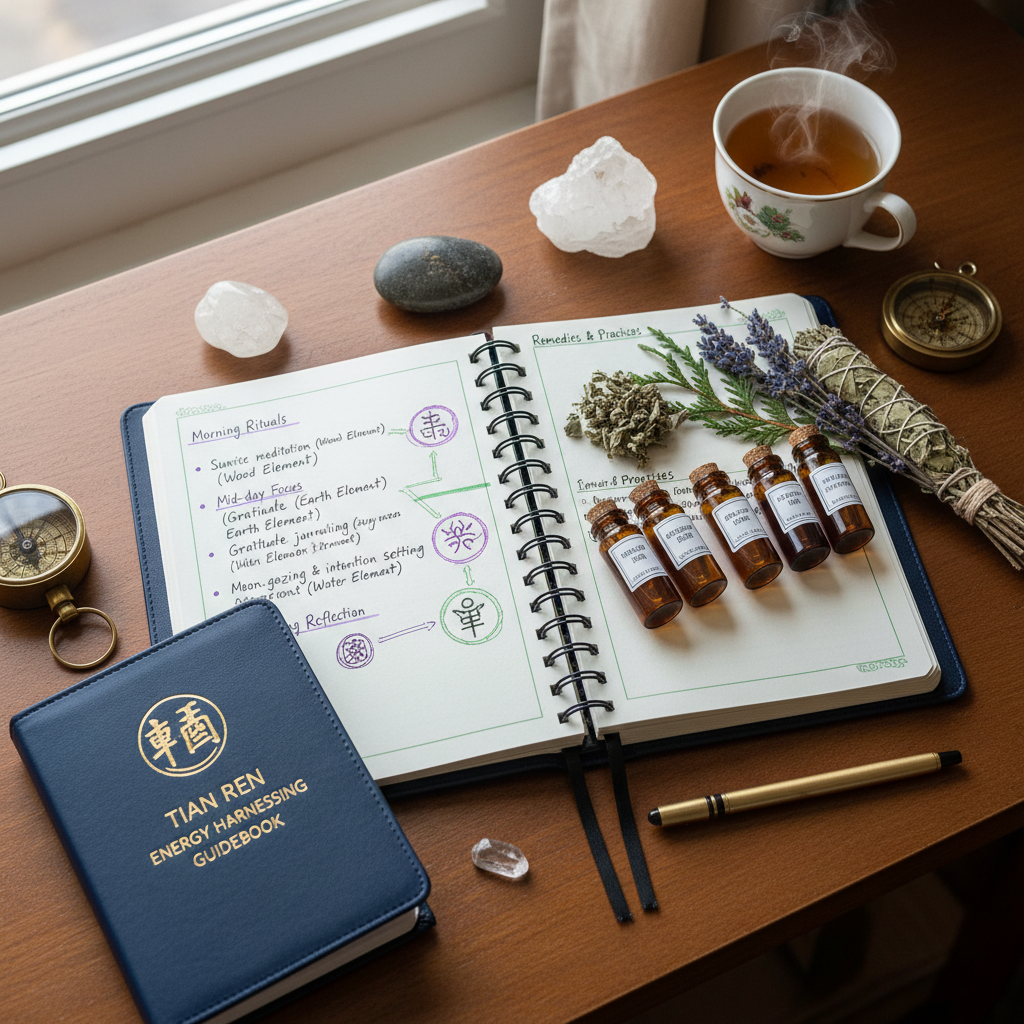
Several modifiers shift how Tian Ren expresses itself. Time cycles matter, gender sometimes changes social expectations, and the inherent strength or weakness of the palace will amplify or dampen the star’s effects. Here is how to incorporate these factors into practical readings.
- Luck cycles (Da Yun and annual luck): Tian Ren becoming active during a 10-year luck cycle that enhances the Career or Relationship palace often coincides with opportunities to formalize service roles, such as promotions, awards, or starting community initiatives. Actionable use: plan big projects for these active decades, but include contingency plans for cycles that amplify stress.
- Age-related expression: Younger people may externalize Tian Ren through volunteering and activism; middle years often translate into institutional leadership; later years can become legacy building. Actionable use: align long-term goals with the age when Tian Ren’s influence is strongest in a relevant palace.
- Gender and cultural context: Social expectations can change how helpful tendencies are perceived. In some cultures, a strong caretaker role may be assumed automatically, in others it may be a deliberate career choice. Actionable use: adjust recommendations to the client’s cultural setting and gendered expectations, making sure boundary advice is realistic.
- Palace strength: If the palace has many supportive stars, Tian Ren’s positive side is amplified; if the palace is weak, practical constraints matter more. Actionable use: strengthen weak palaces with real-world compensations, such as professional coaching or legal safeguards.
Practical Guidance: Timing Decisions, Remedies, and Ways to Harness Tian Ren Energy

Knowing the likely behaviors for Tian Ren is helpful, but people want to know how to use that information. Below are practical steps for decision timing, protective remedies, career and relationship strategies, and daily habits you can adopt.
Timing Major Decisions: Read the Palace and the Luck Cycle

Timing matters. If you are considering a career change, business partnership, or major investment and Tian Ren is a central part of the reading, look for alignment between the palace affected and the current 10-year luck cycle, as well as the annual stars. Favor action when Tian Ren’s influence aligns with supportive stars in the relevant palace. For example, if Tian Ren moves into the Career Palace during a positive luck cycle, that is a good time to seek leadership roles or formalize a helping practice.
Conversely, avoid signing long-term contracts or making irreversible emotional commitments when Tian Ren is under pressure from destructive annual stars. In practical terms, check whether the years ahead show stressors in the relevant palaces. If you cannot avoid acting during a challenging cycle, build safeguards such as trial periods, contingencies, and exit clauses.
Remedies That are Practical and Ethical

Traditional advice sometimes recommends rituals. I prioritize ethical, practical remedies that you can implement immediately. These are not magical fixes, they are behaviorally grounded adjustments that reduce risk and amplify strengths.
- Formalize agreements, example: use written contracts for loans or support, get witnesses, and set clear timelines.
- Boundary protocols, example: institute office hours, delegate a portion of care tasks to professionals, and use “no” scripts to reduce people pleasing.
- Accountability partners, example: appoint a trusted friend or mentor to review major decisions, especially when generosity might be exploited.
- Skill augmentation, example: if Tian Ren is oriented toward counseling, get certified training so goodwill becomes professional competence.
- Financial safeguards, example: create a giving budget and an emergency fund, automate savings, and use escrow or third-party payment methods for large disbursements.
These remedies are designed to preserve the core strengths of Tian Ren while protecting the person against common pitfalls such as burnout and being taken advantage of.
Career Advice: Leverage Trust and Create Scale

Most people with strong Tian Ren instincts succeed when they scale their helpfulness. That means turning one-to-one goodwill into systems that allow you to help many people without burning out. Consider the following steps.
- Develop replicable services, example: create workshops or written guides so you can reach more people for less individual time investment.
- Build a team, example: if you are the kind of person who becomes indispensable, hire or train a deputy to share the load and prevent single-person dependency.
- Measure impact, example: use simple metrics like client retention, satisfaction scores, or resolution time to make your contributions visible to stakeholders.
- Monetize ethically, example: charge fair fees for services so your ability to help is sustainable; use sliding scale models if you serve vulnerable communities, but offset with paid services.
In short, create structure around your tendency to help. That preserves your energy and multiplies your effectiveness.
Relationship and Communication Strategies

Tact and steadiness are natural with Tian Ren, but we still need to manage expectations. Clear communication prevents the helper role from becoming martyrdom. Here are practical methods to apply.
- Use explicit role agreements, example: divide household duties in writing for shared living arrangements and revisit them quarterly.
- Set reciprocal care rituals, example: introduce weekly acts of mutual support such as a shared chore swap or scheduled one-on-one time.
- Practice assertive scripts, example: prepare short, polite phrases to decline requests that overextend you, such as, “I can help with this one time, but I cannot take it on every week.”
- Plan for recharge, example: schedule regular personal days and treat them as non negotiable appointments.
These techniques protect the emotional bank account of someone guided by Tian Ren instincts, ensuring they can be generous from abundance rather than depletion.
Personal Development and Spiritual Practices

Because Tian Ren is relationally oriented, reflective practices that cultivate inner boundaries and sustainable compassion are particularly helpful. These are not merely spiritual platitudes, they are tools that change behavior and resilience.
- Mindfulness and interoception, example: a 10 minute daily body scan helps you notice fatigue before you overcommit.
- Values clarification, example: write a personal mission statement that defines the scope of your help and the conditions under which you say no.
- Professional supervision, example: if you work in emotionally demanding fields, use clinical supervision or peer groups to process difficult cases.
- Learning boundaries, example: study assertiveness training or nonviolent communication to express needs clearly and kindly.
These practices increase your capacity to help without sacrificing personal wellbeing.
Case Study: Turning a Tian Ren Placement into a Sustainable Career

Let me give a concrete, realistic example. Anna has Tian Ren in her Career Palace, supported by Wen Qu, but she feels exhausted because colleagues constantly hand her crises. We worked through a stepwise plan:
- She audited tasks to quantify time spent on crisis management versus core responsibilities, finding 30 percent of work was reactive.
- We designed a triage protocol so only high priority issues reached her desk; lower priorities went to a junior team member after training.
- She created a short training module on conflict resolution to equip the team, converting knowledge into a repeatable resource.
- She proposed measurable metrics to leadership showing improved response time and team satisfaction, creating visible value for her contributions.
Within six months, Anna’s workload became sustainable, her leadership recognized, and her tendency to absorb other people’s stress was transformed into a formal service she led. This is the practical power of reading Tian Ren in context.
Summary and Next Steps

Tian Ren is a star of service and steadiness, but like any influence it needs structure, timing, and concrete practices to become sustainable. We have covered personality traits, palace-specific behavior, combinations with other stars, and concrete remedies and strategies you can implement. If you are working with a chart that highlights Tian Ren, start by identifying the palace it dominates, check the current luck cycles, and design simple structures: boundary rules, formal agreements, measurable outcomes, and health maintenance plans.
If you want, I can help you analyze a specific chart placement and propose a customized action plan based on your current luck cycle and palace strengths. Together we can convert the compassionate impulse of Tian Ren into outcomes that honor both others and your own long-term wellbeing.
Practical Applications of Tian Ren Star in Daily Life
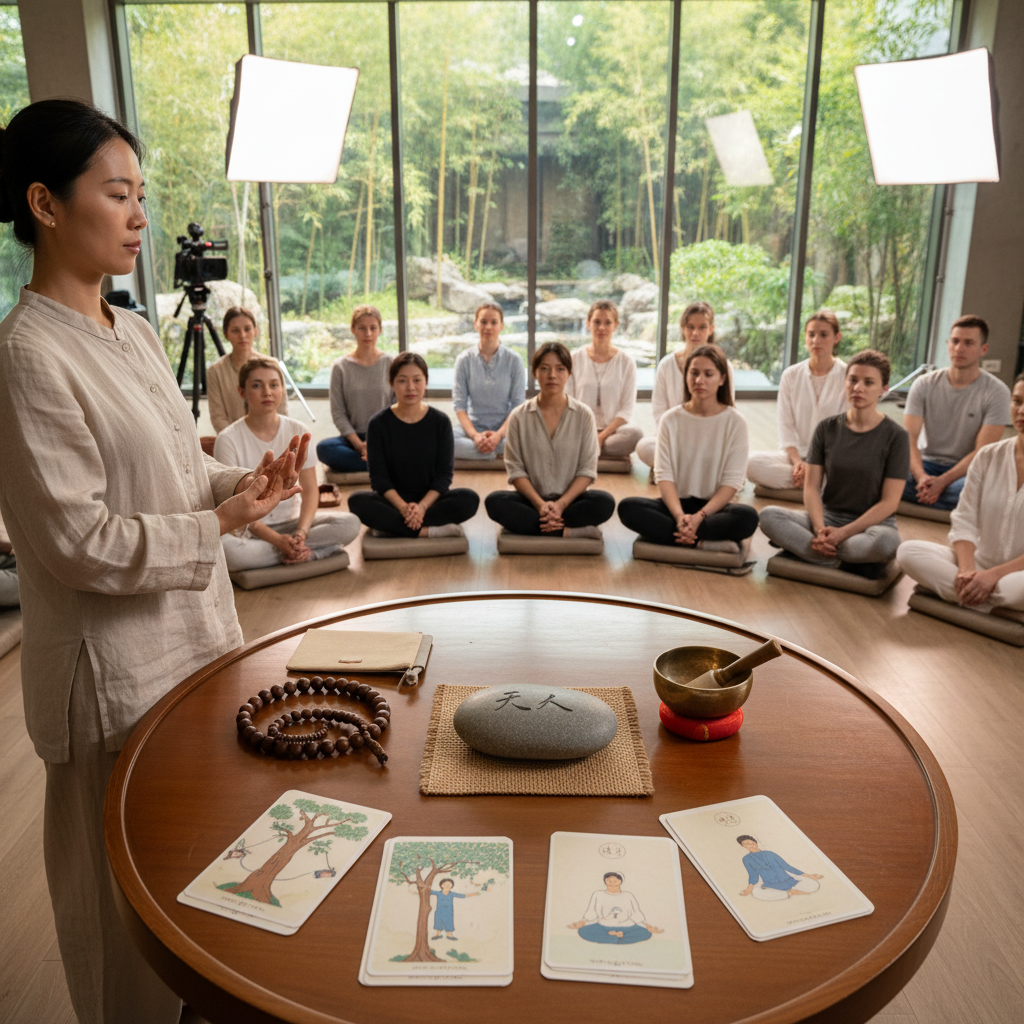
Understanding the Tian Ren Star meaning gives us a bridge between abstract symbolism and everyday choices. Once you can recognize how this star behaves in a natal chart, you can translate that knowledge into practical strategies for career planning, relationships, and personal development. Below I outline concrete ways to apply Tian Ren insights so you can get immediate value, whether you are doing a self-reading or advising a client.
Career and Work: Aligning Role with Natural Tendencies

Tian Ren often signals sensitivity to others, a calling to service, and an intuitive sense for timing. In a career context, that translates into strengths for roles that require mediation, mentorship, or coordination across teams. To use Tian Ren practically at work, try the following steps.
- Map your strengths, not your titles. Make a list of tasks you do that feel effortless versus tasks that drain you. Tian Ren energy often shows up as ease in listening, smoothing conflicts, or sensing unspoken needs. Mark those tasks as high fit.
- Design small experiments. Pick one role-related task to shift toward a Tian Ren style. For instance, if you manage people, test weekly 15-minute check-ins focused on listening rather than fixing. Track subjective satisfaction for four weeks.
- Measure outcomes. Use simple metrics such as team morale scores, project completion rate, or number of escalations. If your changes lower conflict and increase completion speed, you are leveraging Tian Ren strengths effectively.
- Build a complementary team. Tian Ren types often excel in relational intelligence, which pairs well with teammates who drive execution and detailed analysis. Identify one person to partner with who covers the opposite skillset, and set clear role boundaries.
Example: Sarah is a product manager with Tian Ren prominent in her chart. She restructured her week to spend two mornings coaching teammates and two afternoons focused on sprint metrics. Within three months, team satisfaction rose and her projects shipped more predictably, because she leveraged relational strengths to reduce blockers early.
Relationships: Communication, Empathy, and Conflict Resolution

Tian Ren supports active empathy and a natural ability to read emotional undercurrents. In interpersonal contexts, this can become a superpower when handled intentionally. Use the following actionable tactics to apply Tian Ren qualities in friendships, partnerships, or parenting.
- Practice reflective listening. For three conversations this week, summarize the other person’s point back to them before sharing your view. Notice how this alters misunderstandings.
- Deploy curiosity questions
- Create empathy rituals. Set a weekly 20-minute check-in with a partner or child where you share highs and lows without problem-solving, just attentive presence. Over time this builds trust and reduces reactive conflict.
- Use a cooling-off checklist
Example: Marcus has Tian Ren influencing his partnership house, and he struggled with defensiveness. He instituted a “two-minute recap” protocol during tense talks where each partner repeats what the other said. This practical habit reduced misinterpretation and lowered frequency of arguments by making communication clearer.
Personal Growth: Daily Practices to Strengthen Tian Ren Qualities

Tian Ren encourages attunement and responsiveness, and you can cultivate these through manageable daily practices. Below I offer a 30-day routine, plus a 90-day deeper integration plan, each designed to translate insight into habit.
- 30-Day Starter Routine
- Days 1 to 10: Start a five-minute morning reflection. Ask, “Who did I help yesterday, and how did that feel?” Write one sentence.
- Days 11 to 20: Add a daily listening drill. Spend ten minutes with no devices, listening to a podcast or conversation and taking notes on emotions mentioned.
- Days 21 to 30: Offer one small act of service daily, such as sending a supportive message or helping a colleague with a micro-task. Track your mood and perceived impact.
- 90-Day Integration Plan
- Weeks 1 to 4: Build awareness using the 30-day routine above.
- Weeks 5 to 8: Expand into leadership practices, such as running a weekly check-in that prioritizes emotional temperature and resource needs.
- Weeks 9 to 12: Reflect on outcomes with a mentor or friend, refine rituals, and set next-quarter goals that align with your Tian Ren strengths.
Actionable measurement: use a simple weekly scorecard with three items, rated 1 to 5: emotional attunement, conflict resolution success, and perceived support given. Chart these over 12 weeks to visualize progress. This operationalizes the intuitive side of Tian Ren with hard feedback.
Case Studies: Interpreting Tian Ren in Real Charts

To make interpretations concrete, I share two anonymized and hypothetical case studies. These illustrate how the star interacts with life houses, other stars, and individual psychology. You can use them as templates for your own readings.
Case Study 1: Tian Ren in the Life Palace, with Auxiliary Stars Supporting Service

Client background: “Lina” is a 34-year-old nurse experiencing burnout but feeling drawn to leadership roles in healthcare. Her chart has Tian Ren in the Life Palace, accompanied by a benevolent auxiliary star suggesting capacity for caregiving and community influence.
Interpretation:
- Presence in the Life Palace suggests Lina’s identity is closely tied to service and relational care. She feels most herself when helping others.
- When Tian Ren coexists with a supportive auxiliary star, the chart emphasizes sustainable caregiving rather than martyrdom. The key is balancing giving with boundaries.
Actionable plan we designed:
- Boundary audit: Lina listed three scenarios where she felt exhausted, then identified one concrete boundary to test each week, for example declining extra shifts without compensation.
- Role redesign: She negotiated a quarter-time mentorship role, allowing her to leverage relational strengths while reducing front-line hours.
- Self-care metric: She set a weekly minimum for restorative time, tracking rest hours and mood scores. After eight weeks, burnout indicators decreased and job satisfaction increased.
Outcome: By translating Tian Ren’s service orientation into a structured role with boundaries, Lina maintained her core identity while preventing depletion. This underscores a practical reading: Tian Ren calls us to serve, but we must design sustainable systems around that call.
Case Study 2: Tian Ren in Partnership House, Challenging Planetary Aspects

Client background: “Daniel” is a 42-year-old entrepreneur who experiences recurring relationship tension. Tian Ren sits in his Partnership House, but it forms a difficult aspect with a star that indicates impulsive communication patterns.
Interpretation:
- Tian Ren in the Partnership House predisposes Daniel to seek harmony and attunement in close relationships, but the challenging aspect creates a pattern of saying things prematurely, then regretting the fallout.
- This contrasts service orientation with reactivity. The chart suggests that Daniel’s intention to support others is undermined by impulsive delivery.
Actionable plan we implemented:
- Communication pause: Daniel practiced a “count to three” rule before responding in high-stakes conversations. This short delay reduced reactive replies and allowed his Tian Ren empathy to show through.
- Scripted check-ins: He and his partner used a predictable format for difficult topics, reducing surprise triggers.
- Feedback loop: After discussions, they spent two minutes sharing one perceived intent and one felt reaction. This allowed recalibration and reinforced positive patterns.
Outcome: These concrete steps reduced message misfires and helped Daniel realign his intentions with how he communicated. The case highlights how Tian Ren potentials can be frustrated by other chart dynamics, and how procedural interventions can reconcile those conflicts.
How to Work with Tian Ren Star: Tools, Exercises, and When to Seek Help

Working with the energies suggested by Tian Ren is part self-study, part community practice. Below I collect vetted tools, exercises, and guidelines for when to consult a professional reader. Think of this as a toolkit you can adapt.
Tools and Resources

- Journal templates: Use a three-column daily log: Situation, Response, Impact. Fill it each evening for two weeks to observe repeating patterns linked to Tian Ren tendencies.
- Checklists: Create a “service sustainability” checklist, items such as protected rest, clear boundaries, delegated tasks, and weekly reflection time.
- Accountability partners: Pair with someone who has complementary strengths. Meet weekly to review set goals and exchange feedback on interpersonal approaches.
- Digital apps: Use habit-tracking apps to log listening practices, boundary enforcement, and restorative activities. Set reminders for micro-practices like five-minute reflective pauses.
Exercises to Strengthen Tian Ren Skills

- Empathy mapping: For one person in your life, draw four columns: Says, Thinks, Does, Feels. Fill in details based on observation, then ask one question to validate your assumptions. This sharpens diagnostic empathy.
- Intent-before-action ritual: Before responding to a message or request, pause and set a conscious intent for the interaction, such as “I will listen first” or “I will offer one practical option.”
- Boundary rehearsal: Practice saying no in a mirror or with a friend using neutral language. Record short scripts for common situations and refine them until they feel authentic.
When to Consult a Professional

Self-work can be powerful, but there are moments when expert guidance expedites transformation or prevents harm. Consider consulting a practitioner when:
- Your relationship or career patterns cause repeated harm despite sincere attempts to change;
- You receive a complex chart where Tian Ren is entangled with multiple challenging aspects and you need nuanced synthesis;
- You seek ceremonial or traditional interventions that require cultural and ethical sensitivity, such as rituals or lineage practices.
When you do consult a professional, look for someone with clear ethical grounding, client testimonials, and a method that integrates practical psychological tools, not only symbolic interpretation. A good reader will give you tangible experiments to test, not just fixed predictions.
Frequently Asked Questions

What is Tian Ren Star Meaning?

At its core, the star points to a sensitivity toward others, a propensity for service, and an ability to attune to social dynamics. It often reveals where we are naturally inclined to support, mediate, or guide. The specific expression depends on the star’s house placement, neighboring stars, and personal history.
Can Tian Ren be Negative or Cause Problems?

Yes, like any archetype it can be expressed unhelpfully. Without boundaries, Tian Ren energy can lead to people-pleasing, burnout, or enmeshment. The remedy is structural: clear limits, scheduled rest, and accountability so that empathy does not become self-sacrifice.
How Quickly can I See Changes after Applying Tian Ren Practices?

Noticeable shifts often occur within four to eight weeks if you apply consistent, measurable practices such as the 30-day routine outlined earlier. For deep pattern changes, such as habitual reactivity, expect 3 to 6 months of intentional work paired with feedback loops.
Does Tian Ren Predict Romantic Success or Failure?

It does not determine fate. Instead, Tian Ren highlights relational strengths and vulnerabilities. When supported by healthy communication habits, it can enhance relationships. If paired with challenging aspects, it may signal areas to actively work on, rather than destiny being fixed.
How do I Tell If Tian Ren is Active in My Chart without Expert Help?
Look for narrative cues in your life story: recurring roles as the mediator, frequent invitations to support people in crisis, or an intuitive understanding of emotional atmospheres. Combine those observations with a basic natal chart placement check. If you are unsure, use the exercises above to test whether service and attunement consistently appear as strengths.
Are There Cultural or Historical Practices Tied to Tian Ren Interpretation?
Yes, interpretations are rooted in classical Chinese astrology, which includes ritual, social, and ethical dimensions. When exploring traditional remedies or ceremonies, seek culturally informed practitioners who can contextualize practices respectfully and accurately.
Can Tian Ren be Cultivated Later in Life?

Absolutely. While natal placements indicate predispositions, we can cultivate Tian Ren qualities through deliberate practice: empathy drills, structured service roles, and reflective journaling. Neuroplasticity and habit formation make it possible to strengthen these capacities even in midlife.
How do I Balance Tian Ren with Other Chart Influences?

Balance requires synthesis. Identify other dominant themes such as drive, analytical thinking, or creativity, and design role ecosystems that allow each strength to operate. For instance, combine Tian Ren relational tasks with a partner or team who manages detail orientation, so energy is complementary not contradictory.
Conclusion

Tian Ren offers a profound invitation: to align who we are with how we serve others, without losing ourselves in the process. The meaning of this star is practical as much as symbolic, because when we translate its qualities into daily routines, communication rituals, and structural boundaries, we see measurable improvements in work, relationships, and well-being. The tools and case studies in these sections are designed to help you move from insight to action.
Start small: pick one practice from the 30-day routine, track it for a month, and note how your interactions shift. If you want deeper change, use the 90-day plan to integrate habits and recruit accountability partners. And remember, Tian Ren is not about perfection; it is about attunement and repair. Work with patience, experiment with humility, and use the data you collect to refine your approach. If ever you feel stuck, seek a practitioner who combines technical skill with ethical care, so your growth is supported both practically and responsibly.
Leave a Reply
You must be logged in to post a comment.