Introduction: Why the Tian Zhu Star Still Matters Today

Few things capture our curiosity like a single phrase that promises insight into who we are, where we are heading, and how to make better choices. For students and practitioners of Chinese astrology, there is one recurring signpost that surfaces in many readings, charts, and conversations, it is the Tian Zhu Star. If you have ever wondered whether a single celestial influence can change the tone of a decade, transform a relationship, or illuminate a career path, you are in the right place. In this section we will introduce the idea behind the Tian Zhu Star meaning, explain why it matters, and prepare you to read about its deeper symbolism and practical applications.
In this article I will share what I have learned from working with charts, from conversations with traditional astrologers, and from modern adaptations used by contemporary seekers. We will walk through the origin story of Tian Zhu, how to spot it in a natal chart, how it behaves when paired with other stars, and practical steps you can take if this star appears with prominence in your life map. Along the way you will find examples, step by step methods, and clear guidance you can apply to your own astrological exploration.
Section 1: Origins and Traditional Symbolism of Tian Zhu
1.1 Where Tian Zhu Comes From
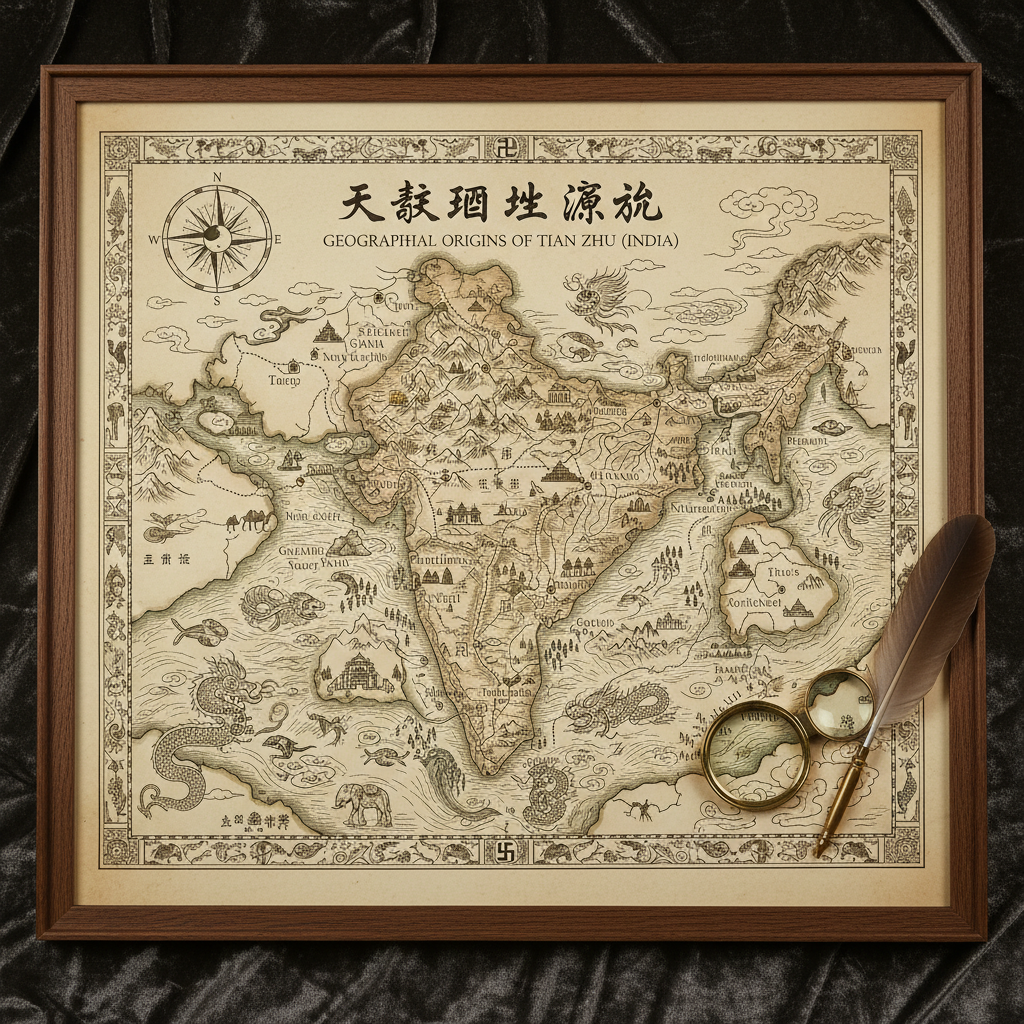
The Tian Zhu Star emerges from classical Chinese astrological systems, most notably from schools related to Zi Wei Dou Shu, the Purple Star astrology tradition. Traditional systems categorize a large number of stars, each carrying themes, strengths, and potential pitfalls. Tian Zhu is one of the auxiliary stars that experienced readers use to fine tune interpretations beyond the major luminaries.
Historically, stars like Tian Zhu were named and categorized in the same way we label archetypes today. Ancient texts and commentaries identify Tian Zhu with attributes related to authority, moral uprightness, and support. Its name, when translated, evokes a sense of heavenly support or a pillar of the sky. That symbolic language is useful when we interpret how the star functions in a chart: it tends to show where a person receives backing, protection, or a stabilizing influence.
1.2 Core Symbolic Associations
Tian Zhu is commonly associated with themes of guidance, moral rectitude, and stabilizing support. In practical terms, this can translate to several recurring motifs you will see in charts: a mentor who arrives at a critical moment, legal or bureaucratic assistance, or a steadying influence during times of transition. We can break the symbolism into three core domains:
- Protective support: Tian Zhu often signals a source of protection or someone who acts as an anchor. This could be a literal guardian, a professional sponsor, or a principle that keeps the person grounded.
- Moral and ethical focus: The star tends to highlight conscience and integrity. When strong, it can foster a sense of duty or an internal compass that guides decision making.
- Stability through structure: Rather than impulsive or chaotic energy, Tian Zhu prizes structure, rules, and institutions that provide security.
Thinking of Tian Zhu in these terms helps us translate an abstract symbol into concrete life scenarios. For example, when Tian Zhu is prominent in a career-related palace, we might expect professional advancement through institutional channels, such as a promotion driven by demonstrated reliability, or support from an influential colleague who values discipline.
1.3 Variations in Cultural Interpretation
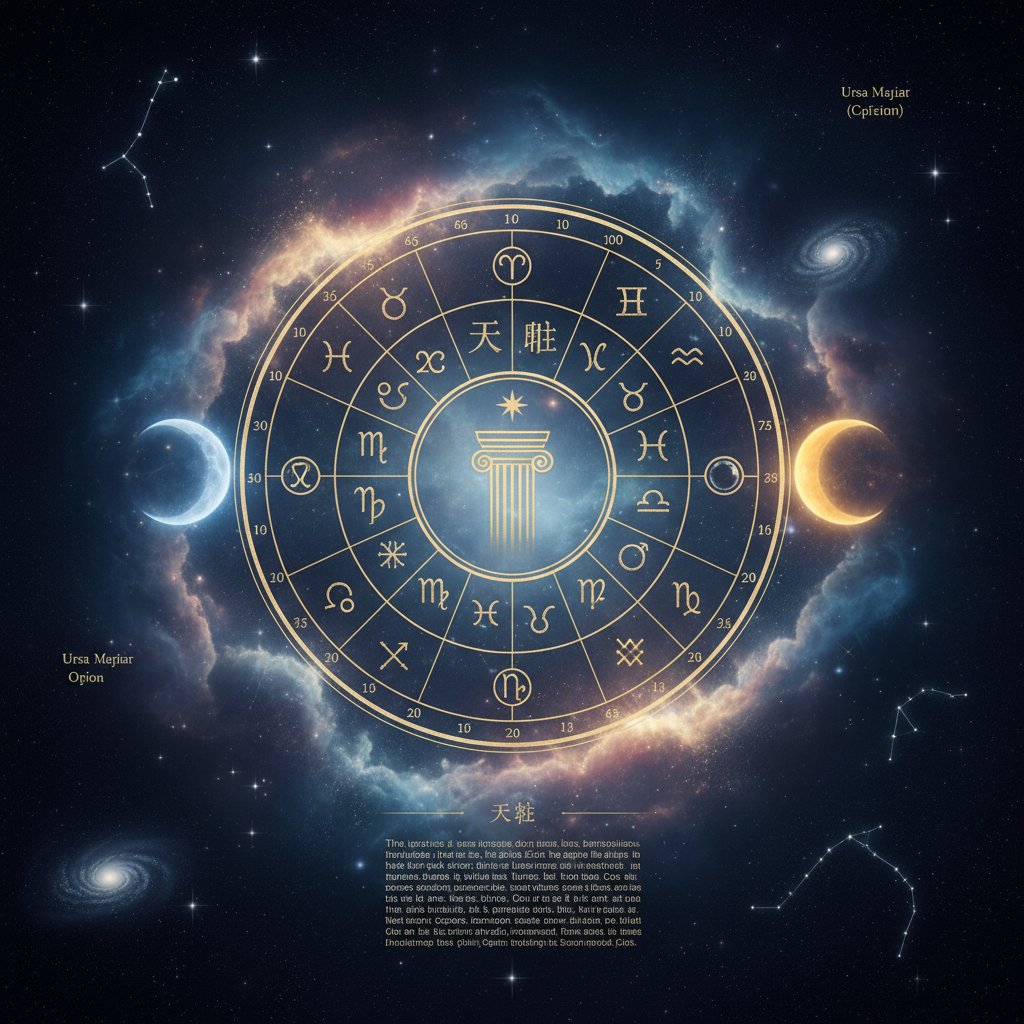
Interpretations of Tian Zhu are not monolithic. Across the centuries and across regions of China, astrologers have adapted older frameworks to local practices. Some lineages emphasize Tian Zhu as primarily a legal or bureaucratic helper, useful for judges, officials, or anyone dealing with government systems. Others view it more psychologically, as reflecting inner stability and an ability to remain ethically consistent under pressure.
In modern diasporic communities, practitioners often blend classical readings with contemporary life contexts. For example, the “support” indicated by Tian Zhu might now manifest as institutional backing from a university, a bank loan approval for a startup, or sponsorship from a nonprofit. We need to read the star with cultural sensitivity, translating classical symbolism into present day realities.
Section 2: Tian Zhu in the Natal Chart, Palaces, and Interactions
2.1 Reading Tian Zhu by Palace Placement

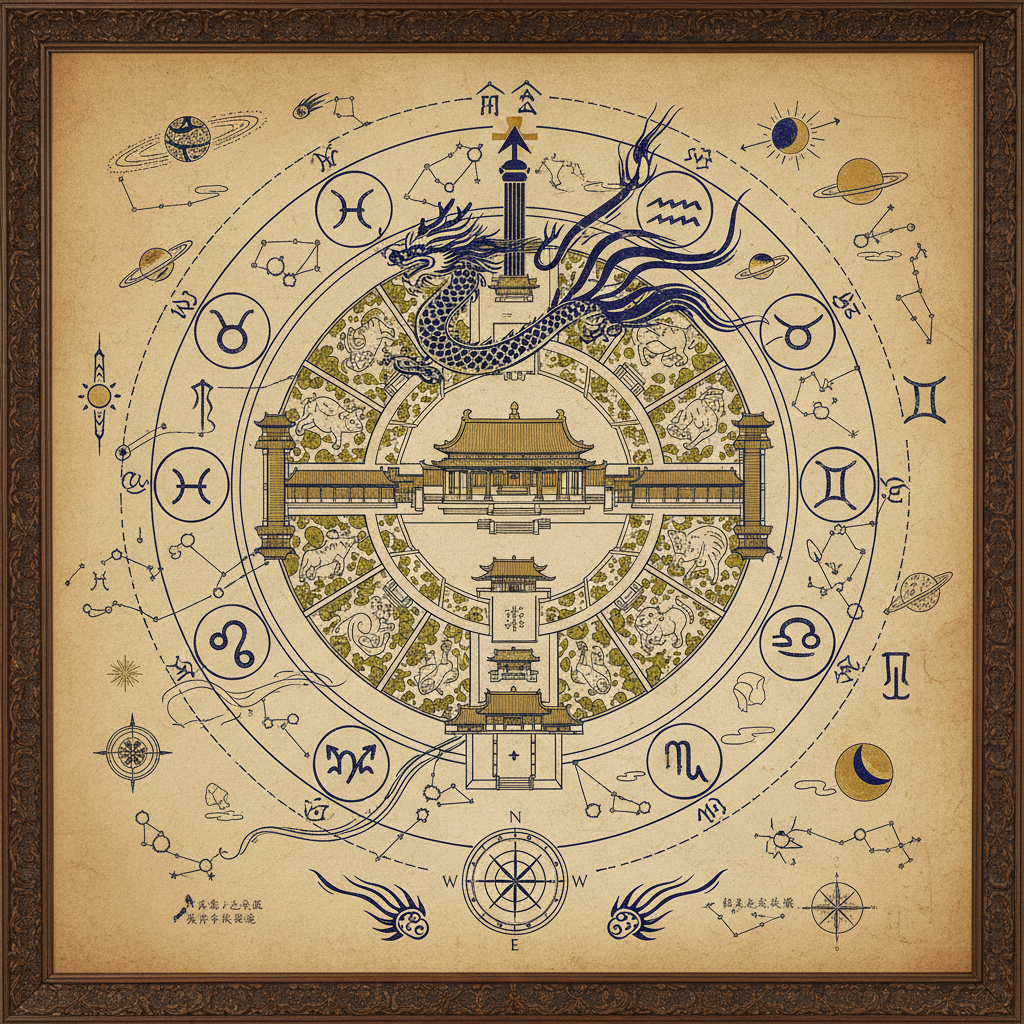
To understand how Tian Zhu will show up in someone’s life, you must consider the palace or house where it sits. In Zi Wei Dou Shu style charts, each palace corresponds to a life area, such as Career, Wealth, Marriage, or Health. The same star will behave differently depending on its placement. Below are common palace placements and practical interpretations you can use when analyzing a chart.
- Career palace: When Tian Zhu resides here, it suggests steady advancement through established institutions. Promotions and recognition may come through demonstrated reliability, adherence to professional standards, or mentorship from a senior figure. Actionable tip, cultivate relationships with supervisors and document your achievements, because institutional proof of merit often matters.
- Wealth palace: Here Tian Zhu points to financial stability achieved through cautious planning, pensions, or structured investments. Sudden windfalls are less likely; instead steady, reliable income streams matter. Actionable tip, prioritize retirement accounts, insurance, and long-term saving vehicles.
- Relationship or Marriage palace: In partnership contexts, Tian Zhu describes a partner who is dependable, ethically oriented, and perhaps conservative. Support may come through practical means rather than romantic theatrics. Actionable tip, align on values early, especially around finances and family expectations.
- Health palace: When present here, Tian Zhu encourages disciplined health regimes and respect for medical authority. Compliance with treatment and a structured approach to wellness are beneficial. Actionable tip, create routines and keep appointments with healthcare professionals.
One important practice when reading palaces is to weigh Tian Zhu against other stars present in the same palace. A single star rarely tells the whole story; combinations create nuance.
2.2 Interaction with Major Stars: Nuance and Examples

Stars do not exist in isolation. Their meanings are shaped by proximity to major stars and by whether they are in harmony or in conflict. Below are three common interaction patterns and examples to illustrate how we might read them.
- Harmonious support: When Tian Zhu forms a supportive relationship with a major benefic star, it amplifies protective and mentoring themes. For example, in a career palace where a major authority star and Tian Zhu coexist, the person might receive formal endorsements, such as a letter of recommendation that leads to a significant promotion. Practical example, an academic who has Tian Zhu aligned with a scholarly star could find tenure achieved through structured institutional support.
- Constraining influence: If Tian Zhu is paired with stars that indicate restriction or heavy responsibility, the message may be one of burdened duty. For instance, Tian Zhu plus a star that emphasizes obligation could signal a role where you are expected to maintain standards even at personal cost. Practical example, a manager who must enforce policy strictly may gain status and security, while feeling strained personally.
- Conflict and testing: When Tian Zhu meets disruptive or volatile stars, it often shows testing of principles. The star’s stabilizing tendency will be challenged, which can either refine the person’s ethics or expose weaknesses under pressure. Practical example, someone in a legal dispute with Tian Zhu present might experience a protracted but ultimately clarifying process where rules and integrity matter.
When you read a chart, look for the story these interactions create. Ask, who or what is providing support, what is being stabilized, and at what cost. That narrative approach translates symbolic ingredients into human scenarios that you can discuss with a querent or apply to your own decisions.
2.3 Timing, Cycles, and Predictive Use

Tian Zhu also has predictive value when we consider timing. In practice we examine yearly luck cycles, ten year luck periods, and transits that activate the palace where Tian Zhu sits. While methods vary, here are practical ways to work with timing.
- Decade luck cycles: When a ten year period highlights the palace with Tian Zhu, expect themes of consolidation and institutional support. This is an excellent window to apply for positions that require credibility, to pursue certifications, or to stabilize financial arrangements.
- Annual activations: Specific years that bring emphasis to the relevant palace can trigger visible outcomes, such as a promotion, legal resolution, or the arrival of a mentor. Actionable tip, prepare in advance by updating professional documents, building relationships, and clearing outstanding compliance issues.
- Transit-style influences: Although Zi Wei tradition relies on its own systems, modern practitioners often blend transit thinking to identify short windows of increased activity. If you notice increased opportunities when the palace with Tian Zhu is active, treat those windows as times for careful, principle-driven decisions, not impulsive risk taking.
Practical example, if you are entering a decade where Career palace with Tian Zhu is activated, plan long term goals, seek formal mentorship, and document achievements thoroughly. The star rewards structured effort repeated over time.
Section 3: Practical Guidance, Remedies, and Real-world Applications

3.1 How to Determine If Tian Zhu Appears in Your Chart

Finding Tian Zhu in your chart begins with selecting a reliable charting method or a qualified reader. If you want to do this yourself, follow these steps.
- Step 1: Gather accurate birth data: You need precise date, time, and location of birth. Even small timing differences affect palace placement.
- Step 2: Choose a reputable Zi Wei Dou Shu charting tool or software: Look for tools used by experienced practitioners. Many modern apps offer charts with traditional star placements included. If you prefer analog methods, work with a trained reader who follows a recognized lineage.
- Step 3: Identify the palace where Tian Zhu sits: Once your chart is generated, locate Tian Zhu among the list of auxiliary stars, and note which life palace it occupies.
- Step 4: Read in context: List other stars in the same palace, and consider broader luck cycles. If you are unsure, consult a practitioner who can show you how interactions change meaning.
Actionable tip, keep a screenshot or a printed copy of your chart. When you revisit readings over time, you will notice patterns that confirm or refine initial interpretations.
3.2 Everyday Practices and Rituals When Tian Zhu is Prominent

If Tian Zhu plays an important role in your chart, there are practical adjustments you can make to align with its energy. These are not magical guarantees, but consistent practices that reinforce the star’s strengths.
- Cultivate mentors and institutional ties: Reach out to former teachers, supervisors, or community leaders. Formalize networks by joining professional associations or enrolling in certification programs. These actions increase the likelihood that supportive structures will appear when opportunities arise.
- Document and organize: Keep records of achievements, contracts, and credentials. Tian Zhu rewards organized evidence of competence. Create a digital portfolio and a physical folder for important documents.
- Adopt disciplined routines: Whether for health, finance, or work, establish repeatable systems. For example, automate savings, set weekly review sessions for projects, and schedule regular health checkups. Small consistent acts create the stability that Tian Zhu values.
- Honor legal and ethical standards: If you face a choice, choose the option that aligns with institutional rules and long term reputation. This star often brings benefits for principled action, and costs for shortcuts.
Practical example, if Tian Zhu is in your Wealth palace, set up automatic transfers to savings, create a long term investment plan, and consult an accountant when making significant financial decisions. These steps match the star’s emphasis on structure and sustained support.
3.3 Feng Shui, Talismans, and Ethical Considerations

Many people ask whether they can “enhance” the influence of a beneficial star through feng shui or talismans. While beliefs and practices vary, here are grounded, ethical ways to work with the idea of strengthening a stabilizing influence.
- Feng shui for stability: Simple environmental adjustments can foster the feeling of support and order. For example, declutter your workspace, add sturdy furniture that conveys permanence, and create a clear, well-lit area for important documents. These changes do not cause destiny, but they help you act in ways that align with Tian Zhu’s principles.
- Symbolic reminders: Use objects that remind you to stay disciplined, such as a weekly planner, a framed mission statement, or a watch given by a mentor. These items serve as practical cues that keep you accountable.
- Rituals with caution: If you participate in traditional rituals, do so respectfully and ethically. Rituals intended to honor mentors, ancestors, or institutional duties can be meaningful, but avoid claims of guaranteed results. The ethical approach is to combine ritual with concrete action.
Actionable tip, instead of seeking quick fixes, invest energy into systems that produce measurable outcomes: clean records, reliable habits, and relationship maintenance. That’s the most consistent way to “activate” the kind of support Tian Zhu symbolizes.
3.4 Case Studies and Decision-making Tips
Here are three short case studies that illustrate how Tian Zhu can appear in real life, followed by decision-making rules you can apply.
- Case study 1, the public servant: Mei had Tian Zhu in her Career palace. Over a ten year period focused on civil service, she received several promotions after completing certification courses and maintaining an impeccable record. The star showed up as institutional support, and her disciplined approach paid off. Decision rule, when Tian Zhu favors career progress, prioritize credentials and formal accountability.
- Case study 2, the entrepreneur with conservative finances: Alex had Tian Zhu in his Wealth palace. Instead of pursuing high risk investments, he built a business with recurring revenue and set aside retirement contributions early. When a partnership opportunity surfaced that required formal guarantees, his documented track record secured the deal. Decision rule, in financial matters, favor structured arrangements and documented credibility.
- Case study 3, the activist who chose the long game: Li had Tian Zhu in a palace linked to community influence. Rather than flash campaigns, she built coalitions, created formal governance for her nonprofit, and honored transparency. Over time her organization won funding from large institutions. Decision rule, when the star points to public or social influence, invest in governance and compliance as strategic advantages.
These cases show that Tian Zhu does not promise shortcuts, instead it rewards careful cultivation of systems, integrity, and durable relationships. When making choices, ask whether an action strengthens your long term credibility, or whether it creates risk without structural support.
Next in the article we will explore deeper interpretive frameworks, how Tian Zhu changes across life stages, and a toolbox of readings you can use to integrate this star into daily planning. For now, use the methods above to identify the star in your chart, and begin applying the practical steps that match its stabilizing influence.
Historical and Textual Background
Where Tian Zhu Comes From, in Traditional Sources

When we begin to study the star systems used in Chinese destiny arts, it helps to set expectations: there is not a single centralized textbook that everyone follows. Instead, star names and their attributes developed across centuries of practitioners, commentaries, and regional teaching lineages. Tian Zhu appears in these systems as an auxiliary or minor star in some branches of Zi Wei Dou Shu and related astrological schools. It is often translated loosely as Heavenly Pillar or Heavenly Lord depending on the translator, and its associations are shaped by that image: support, authority, moral force.
In surviving manuscripts and modern compilations, Tian Zhu is usually described alongside a cluster of other small stars that modulate the meanings of the major stars. Practitioners who teach from lineage charts tend to place heavy emphasis on context, that is, which palace the star occupies, what major stars accompany it, and the overall balance of the chart. For this reason, you will see different emphases in older commentaries, compared with contemporary interpretations that try to systematize meanings for broader audiences.
Textual Evolution and How Practitioners Adapted Meanings

Across the 18th to 20th centuries, as Zi Wei Dou Shu moved from court astrology into popular practice, interpreters added layers of social meaning. A star that once suggested ritual authority in a royal setting could come to signal leadership in a modern company, or a vocation connected to service. That adaptive quality is useful for readers today, because it allows us to translate symbolic meanings into modern, actionable guidance.
When we read older notes and modern guides side by side, three consistent themes around Tian Zhu keep appearing: affiliation with institutions (religious, academic, bureaucratic), presence of stabilizing moral authority, and potential for being a focal point for others’ trust. Those themes will show up repeatedly as we move into interpretation and practical advice.
Symbolism and Core Qualities of Tian Zhu
Basic Symbolic Profile

Tian Zhu carries a concentrated set of symbolic notes you can use as anchors during a reading. Think of it as a star that leans toward structure, stewardship, and public trust. Where major stars work like big characters in a play, auxiliary stars such as Tian Zhu provide costumes, props, or stage directions that subtly alter the scene. Its core qualities can be summarized as follows:
- Stability and pillar-like support, suggesting someone who holds roles that other people rely on
- Respect for hierarchy and established systems, which can show up as affinity for institutions
- Conscience, duty, or a moral dimension that colors decisions
- Potential for spiritual or religious inclinations, though this may express as civic duty in modern settings
These are interpretive tendencies, not deterministic rules. In practice, Tian Zhu tends to strengthen themes of responsibility and institutional alignment wherever it appears.
Personality Expressions: Strengths and Challenges

In a personality reading, Tian Zhu often points to an individual who is steady, dependable, and somewhat conservative in approach. They are likely to be people others turn to for guidance when structure is needed. Strengths typically attributed to Tian Zhu include reliability, organizational talent, and a sense of propriety. People with strong Tian Zhu influence often develop reputations for quiet competence rather than flamboyant charisma.
On the challenge side, Tian Zhu can indicate rigidity: an overreliance on rules, reluctance to innovate, or difficulty adjusting to sudden changes. There is also a possible tendency to take on too much responsibility, to the point of burnout, because others keep conferring duties upon them. In relationships, Tian Zhu-influenced people can be supportive, but they may also be emotionally reserved or intentionally formal, especially in early stages of connection.
How Tian Zhu Interacts with Other Symbolic Forces
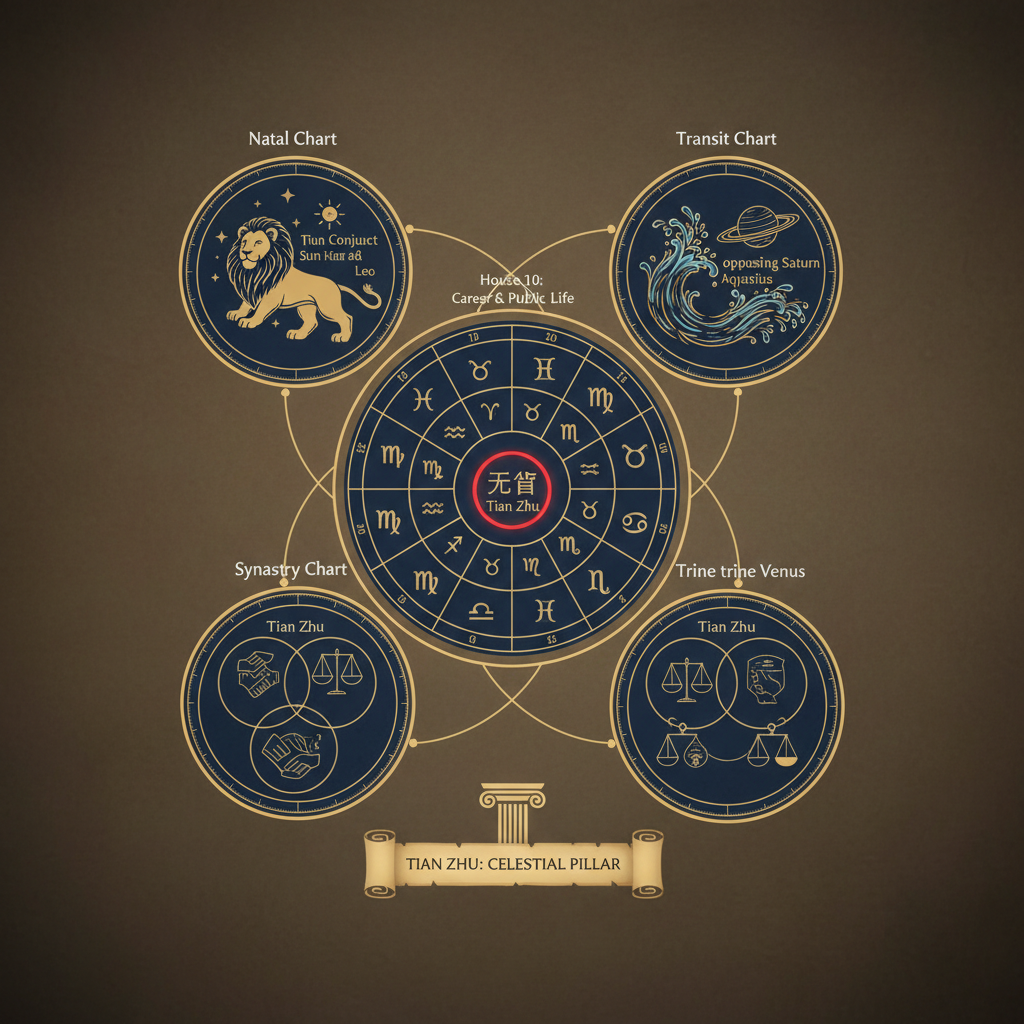
One of the most useful ways to work with Tian Zhu is to focus on its interactions. In Zi Wei Dou Shu, the same minor star will read differently depending on which major star shares its palace, or which auxiliary stars are present in adjacent palaces. Here are some practical pairing rules of thumb that we and many practitioners use when we translate the symbolism into a narrative for a querent:
- With authoritative major stars (for example, stars symbolizing rulership or prestige), Tian Zhu tends to amplify legitimacy and public recognition. This person may gain status through institutions, not self-promotion.
- With creative or volatile stars, Tian Zhu can act as a brake, stabilizing erratic tendencies but sometimes dampening spontaneity.
- With advisory or communicative stars, Tian Zhu often signals an ability to mentor, teach, or act as a trusted counselor.
These combinations are where the art of interpretation shines. We do not merely attach one-line meanings; we synthesize the dynamic between stars to construct a nuanced picture of how the person navigates life.
Interpreting Tian Zhu in a Chart: Practical Examples and Techniques

Locating Tian Zhu and Assessing Context

First, always confirm the technical placement of Tian Zhu in the natal chart you are reading. Different software and teachers may label minor stars differently; when in doubt, consult your lineage notes or cross-reference with a trusted source. Once you have Tian Zhu identified, the key assessment sequence I use is brief and repeatable:
- Identify the palace where Tian Zhu sits (Life, Career, Wealth, Relationship, etc).
- List the major star(s) in that palace and any other auxiliary stars nearby.
- Note any destructive or conflicting influences that may weaken its stabilizing qualities, such as stars commonly read as obstacles or misfortune indicators.
- Translate those technical markers into plain language regarding roles, opportunities, and potential pitfalls.
This four-step method keeps our readings structured. It reduces the temptation to overstate the star’s influence and helps clients get actionable takeaways.
Example Read: Tian Zhu in the Life Palace
Imagine a chart with Tian Zhu in the Life Palace, accompanied by a major star that denotes steady leadership. In this configuration, the native often projects an aura of authority from early adulthood. They may be perceived as reliable leaders, perhaps in bureaucratic, educational, or faith-based institutions. If supportive auxiliary stars for wealth or communication are present, this person could become an effective institutional leader who communicates well and attracts resources.
Actionable takeaways for a client with this placement might include: pursue leadership roles that emphasize process and integrity; build a professional brand around stewardship rather than charisma; create boundaries around workload to avoid chronic over-responsibility. Specific steps could be: volunteer for committee leadership to develop institutional management experience, document systems and SOPs to harness your natural organizational strengths, and schedule a weekly review to prevent task overload.
Example Read: Tian Zhu in the Career Palace
When Tian Zhu sits in the Career Palace, the occupational bent is obvious. This placement favors professions that rely on trust and structure: civil service, law, teaching, archival work, hospital administration, or roles within large corporations. If there are explosive or competitive stars present, the native may succeed in leadership under pressure, but they will perform best when systems are in place.
For career development, we advise practical next steps: seek credentials that connect you to institutions (certifications, memberships, graduate degrees), develop a portfolio of process-driven achievements (improvement metrics, compliance projects), and network within organizational hierarchies where your natural respect for structure is valued. If you want to pivot toward entrepreneurship, pair your structural skills with a co-founder who brings market creativity and risk appetite.
Example Read: Tian Zhu in the Relationship Palace

Tian Zhu in a relationship palace often indicates a desire for stability in partnerships. These individuals value commitment, clearly defined roles, and mutual responsibility. They may be attracted to partners who are reliable and who respect tradition, or they may themselves offer steady support during family crises.
Actionable relationship advice for clients includes: have explicit conversations about shared responsibilities, set rituals that reaffirm trust and commitment, and practice vulnerability in low-stakes contexts so that emotional closeness deepens gradually. If Tian Zhu is challenged by conflictual stars, recommend couples counseling or structured communication tools, such as regular check-ins and agreed conflict-resolution steps, to prevent a tendency to withdraw into duty at the expense of intimacy.
How to Read Mixed or Conflicting Signals
Sometimes Tian Zhu sits near stars that pull in opposite directions. For example, a chart may show Tian Zhu in the Life Palace with a star that symbolizes restlessness, or in the Career Palace with a star that denotes scandal or missteps. When we encounter that, the reading needs to be balanced. We do not cancel the pillar-like support; instead, we translate the combination into a narrative of tension and strategy.
Practical steps for such mixed placements include: identify where the friction happens, create procedural safeguards, and use the person’s natural sense of duty as a framework to manage risk. For instance, if there is a risk of scandal, the person should implement heightened transparency and record-keeping, rely on a small inner circle of trusted advisors, and adopt a communication plan for crises. This converts symbolic caution into actionable damage control.
Practical Applications: Remedies, Activations, and Modern Usage

Everyday Remedies and Personal Practices

We often get asked what someone with a strong Tian Zhu influence can do to maximize benefits and minimize drawbacks. Remedies are not about changing fate; instead, they are about aligning behavior with symbolic strengths so you act more effectively. Here are low-cost, practical techniques I recommend:
- Structure your calendar: set predictable routines for work and rest to reduce decision fatigue and prevent overcommitment.
- Document systems: whether you manage household finances or lead a team, writing down processes helps your natural pillar role scale without collapsing under ad hoc demands.
- Mentorship and stewardship: actively take on or seek mentorship roles; teaching stabilizes knowledge and strengthens institutional ties.
- Boundary setting: learn to say no to tasks that erode your capacity, use time-blocking, and create an escalation ladder for urgent issues so you do not absorb every problem.
These techniques are practical expressions of Tian Zhu energy, and they help convert symbolic strengths into measurable outcomes, such as reduced stress, improved team performance, and clearer career trajectories.
Feng Shui and Environmental Activations

If you use Feng Shui as a complementary practice, Tian Zhu’s stabilizing nature suggests activating home or office zones that emphasize grounding and dignity. That does not require expensive modifications. Consider these practical activations:
- Create a clear, dedicated workspace that has a solid backing, literally and symbolically. A desk backed by a solid wall or a high-backed chair strengthens the sense of support.
- Place objects that signify responsibility and longevity in the relevant sector, such as framed certifications in a southwest or north sector depending on your school of Feng Shui.
- Use neutral, calming colors and materials that convey endurance, such as muted earth tones, wood grains, and stone textures, to harness the Pillar quality.
- Introduce ritual elements that reinforce daily structure, for example a weekly planning ritual with a visible calendar or a small altar of symbolic objects that remind you of your commitments.
These activations are symbolic prompts, not magical fixes. In our experience they help create an environment that encourages behavior consistent with Tian Zhu strengths, which produces real-world results over time.
Modern Career and Life Strategy for Tian Zhu-influenced Charts

One of the most helpful things we can offer clients with strong Tian Zhu signatures is strategic planning suited to the star’s temperament. Here is a step-by-step playbook you can apply:
- Audit your institutional ties: list the organizations where you currently have influence and note potential gaps in credentials or relationships.
- Choose two focus areas for investment: one for skills (for example project management or compliance) and one for social capital (mentors, board memberships, professional organizations).
- Set measurable milestones, such as completing a certification within 12 months, publishing a process handbook within 6 months, or securing a leadership role in a volunteer organization by year-end.
- Design accountability checkpoints: share your milestones with a mentor or peer and schedule quarterly reviews to measure progress and adjust tactics.
- Build buffers: protect time for rest and reflection, because Tian Zhu types are prone to over-responsibility, which diminishes long-term effectiveness.
This approach translates symbolic tendencies into a career plan with measurable progress. It keeps the native anchored while allowing for growth into larger roles.
Common Myths and Realistic Cautions

We need to be honest about a few common misconceptions. First, no single star determines your life. Tian Zhu offers color and emphasis, but the chart is an ecosystem. Second, Tian Zhu is not exclusively religious or institutional: the spirit of stewardship can show up in entrepreneurship, caregiving, or community leadership. Finally, do not mistake reliability for invulnerability. If you rely on duty alone, you might miss opportunities that require risk-taking or emotional openness.
Our practical recommendation is to use Tian Zhu as a stabilizing axis, but pair it with consciously developed skills that offset its limitations: creativity, flexibility, and emotional literacy. When you do that, you gain the best of both worlds: steady influence and adaptive capacity.
Putting it into Practice: a Checklist for a Reading Session

When you sit down to read a chart that features Tian Zhu, use the following checklist to produce clear, actionable guidance for your client. This helps keep the session practical rather than abstract:
- Confirm technical placement of Tian Zhu, and record its palace and companions.
- Translate symbolic themes into role-based language: where does the person naturally serve, lead, or steward?
- Identify two concrete strengths and two potential challenges to discuss with the client.
- Offer three specific actions the client can take in the next 30 to 90 days, for example credential pursuit, a boundary-setting practice, and an environment activation.
- Schedule a follow-up to reassess outcomes and refine strategy based on results, not just theory.
That structure keeps astrology usable for real life, which is what most clients want in the end: understandable guidance they can act on, not esoteric pronouncements. For many people, understanding the Tian Zhu Star meaning in practical terms gives them permission to lean into their strengths, and to protect themselves against overextension.
Practical Applications: How Tian Zhu Affects Work, Relationships, and Health
After learning the theoretical background, the next step is deciding what to do with the information. In real life, a star like Tian Zhu acts as a guiding influence rather than a deterministic force. We can use it to clarify strengths, anticipate challenges, and design targeted strategies. Below I break down practical, evidence-based ways to apply the star’s energy in three big life areas: career, relationships, and health. Each subsection includes clear actions you can take this week, this quarter, and this year.
Work and Career: Leverage Dignity and Authority

Tian Zhu has a reputation for bringing a dignified, principled presence to a chart. When it occupies a career-related palace (Career Palace, Life Palace, or Property Palace), it often correlates with leadership potential, public trust, or roles that require ethical authority. We can translate that symbolism into career moves.
- Immediate steps (this week), identify three tasks that position you as a reliable decision maker. Volunteer to lead a small project, offer to write a policy summary, or mentor a junior colleague. These low-risk actions let others observe your disciplined style.
- Quarter plan, craft a visible deliverable that aligns with institutional values, for example a process document or a code of conduct. Track metrics such as delivery time, stakeholder satisfaction, and quality scores, so you can show concrete evidence of stewardship.
- Annual strategy, consider roles that reward governance and trust, such as compliance, quality assurance, team lead, or customer relations in fields like healthcare, finance, or education. If you aim for entrepreneurship, frame your value proposition around reliability, transparency, and high standards.
Example: Mei, a mid-career product manager with Tian Zhu in her Career Palace, focused on operational excellence for 12 months. She introduced a release checklist, reduced bug regressions by 38 percent, and won a promotion when the company needed a steady hand during a transition. Her actions mirrored the star’s stabilizing influence.
Relationships and Family: Respect, Boundaries, and Emotional Maturity
Tian Zhu tends to convey a moral or principled presence in interpersonal dynamics. In relationship palaces, it supports loyalty, responsible behavior, and long-term commitments. At the same time, it can create distance if it expresses as formality or emotional reserve. Here are tactical ways to balance dignity with warmth.
- Communication first, clarify expectations early. If Tian Zhu inclines you to keep emotions private, set aside scheduled check-ins with partners or family to ensure emotional needs are acknowledged. Use open-ended prompts such as, “What support would help you most this month?”
- Boundaries and ritual, rituals help channel Tian Zhu’s structured quality. Create regular family rituals, for example a weekly planning dinner or a monthly gratitude review. These predictable touchpoints provide emotional safety and reduce friction.
- When tension arises, avoid moralizing. People under Tian Zhu’s influence often default to principle statements that can sound judgmental, for example, “This is the right thing to do.” Instead, use reflective language, “I see why you feel that way, can we try a compromise?”
Case note: Li and Aaron, a couple struggling with a partner who keeps emotional distance, introduced a 10-minute daily check-in to share wins and concerns. Over three months their mutual understanding deepened, because structure allowed emotions to be expressed without feeling chaotic.
Health and Well-being: Discipline with Compassion
When Tian Zhu touches the body’s sectors in a chart, it points to disciplined approaches to health, yet a tendency to ignore softer emotional needs. Practical health strategies combine structure with self-compassion.
- Begin with baseline data, track simple metrics for 30 days: sleep duration, moderate exercise minutes, stress rating out of 10, and one mood snapshot per day. Data helps you apply Tian Zhu’s love of order to measurable change.
- Design a repeatable routine, pick two anchor habits such as 20 minutes of walking after lunch and a 10-minute pre-sleep breathwork practice. These are small, sustainable, and align with the star’s steadying nature.
- Guard against rigidity, place one “gentle day” per week where the focus is rest and emotional processing. Rigid discipline can create burnout, so the star’s influence benefits from balanced recovery.
Actionable tip: Use a 90-day experiment window. Commit to three pillars: movement, rest, and stress management. Check progress every two weeks, adjust based on data, and celebrate small wins to keep consistency high.
Rituals, Remedies, and Daily Practices for Strengthening Tian Zhu’s Positive Expression

Often readers want to know whether they should perform rituals or feng shui adjustments to enhance certain stars. From a practical standpoint, rituals work best when they align with psychology and behavior change. Here I offer evidence-informed rituals, simple feng shui actions, and daily practices that channel the star’s dignified energy into real-world benefits.
Personal Rituals and Mindset Practices

Rituals that emphasize reverence for process, clarity, and ethical alignment suit Tian Zhu. Rituals create cognitive scaffolding, so our behavior becomes easier to maintain.
- Morning “prime” practice, 10 to 15 minutes each morning: 3 minutes of breathwork, 3 minutes of journaling on priorities and values, and 4 minutes of reviewing a short list of non-negotiables for the day. This aligns intentionality with discipline.
- Weekly values audit, spend 20 minutes reviewing decisions from the prior week. Ask, “Did my actions reflect my standards? Where did I compromise, and why?” This reflective ritual keeps integrity front and center.
- Public accountability, share one principle you are working on with a trusted friend or mentor. Accountability increases adherence and helps temper the star’s tendency toward private stoicism.
Simple Feng Shui and Environmental Adjustments

Feng shui for Tian Zhu is less about expensive cures, more about consequence-free changes that support clarity and order.
- Declutter the workspace, remove non-essential items from your desk, create one labeled folder for “decision papers”, and arrange task items so the most important is closest to you. A tidy environment reduces cognitive load and amplifies disciplined behavior.
- Symbolic objects, consider placing a modest item that represents integrity or mentorship on your desk, for example a family photograph, a framed core-value statement, or a small brass object to signal permanence. Keep it tasteful, no ostentation required.
- Lighting and posture, ensure adequate overhead and task lighting to support alertness, and use ergonomic seating to avoid physical strain. A comfortable, well-lit space helps you sustain a principled approach without physical fatigue undermining it.
Timing, Pacing, and the 90-day Plan

We often underestimate how much pacing matters. Tian Zhu’s influence can achieve sustained results when actions are paced properly.
- 90-day micro-goal framework, pick one major theme aligned with the star’s strengths, such as “establishing a reputation for reliability.” Break it into monthly milestones, weekly tasks, and daily micro-actions. For example, Month 1: standardize reporting processes, Month 2: build stakeholder relationships, Month 3: document outcomes and request formal recognition.
- Use the two-week review, every 14 days, review progress with a simple scorecard: completed, in-progress, blocked, learnings. This cadence allows for course correction without the pressure of daily perfection.
- Rest periods, schedule four recovery days during each 90-day cycle. These are non-negotiable, and they prevent the star’s gravitas from becoming emotional rigidity.
Common Patterns, Combinations, and Illustrative Case Studies

Understanding how Tian Zhu operates in isolation is useful, but real charts are complex. The star’s influence reveals itself through combinations and placement. Below are typical patterns we encounter, along with three case studies showing how we turned interpretation into action. You can use these patterns and case studies as templates when you analyze a chart or advise a client.
Typical Combinations and What They Mean

Here are three patterns we see frequently, and practical interpretations that map to real decisions.
- Tian Zhu with Zi Wei in Life Palace, indicates a public-facing dignity, strong moral compass, and potential for leadership. Actions: take on roles requiring trust, prepare communication templates, and build a public portfolio or CV that emphasizes ethical achievements.
- Tian Zhu with Tan Lang in Property or Wealth Palace, presents a contrast between principled restraint and desire for status or material comfort. Actions: create a financial plan that balances tasteful accumulation with long-term security, avoid impulsive luxury purchases, and consult a financial advisor to channel ambition ethically.
- Tian Zhu with conflict-oriented stars in Relationship Palaces, may create friction due to different moral expectations. Actions: use structured conflict resolution, such as scheduled mediation sessions, shared agreements, and boundary-setting templates.
Case Study 1: the Municipal Administrator
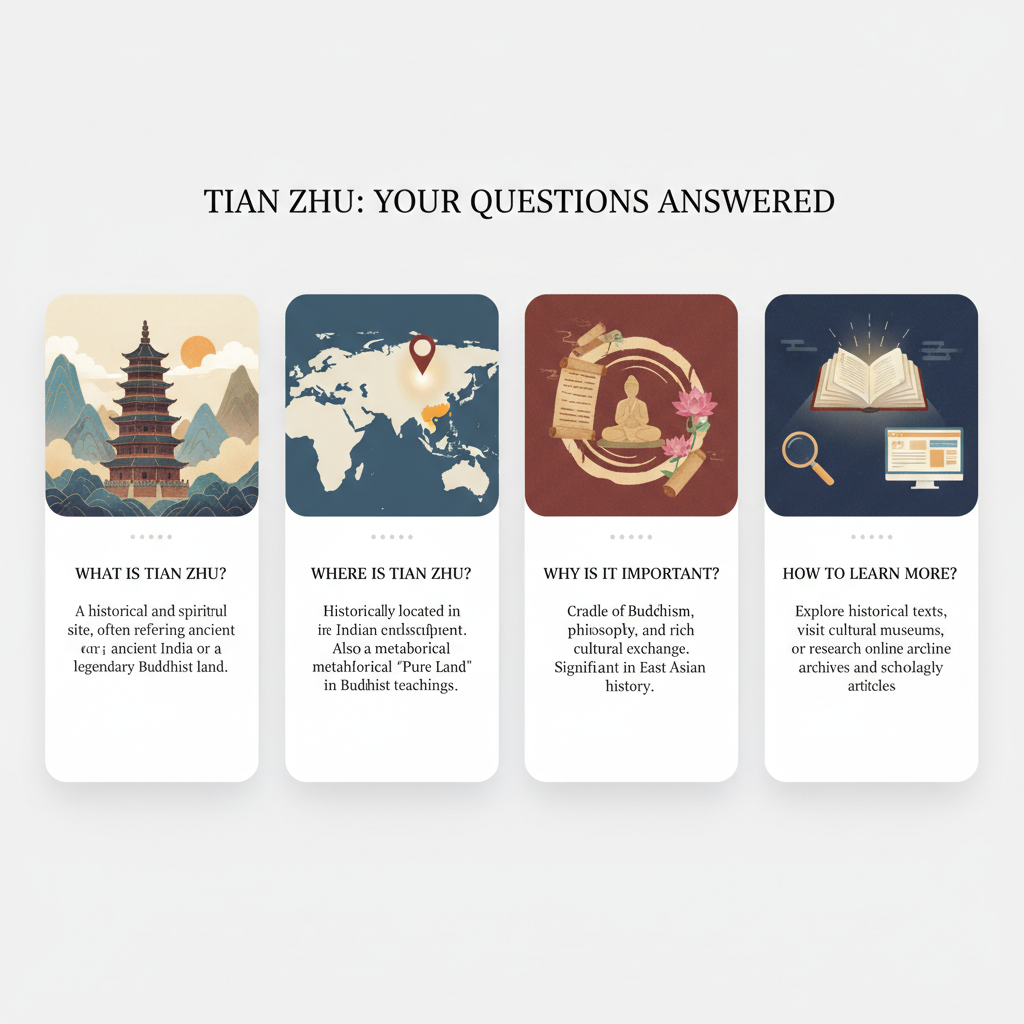
Background: A 42-year-old municipal administrator came to me feeling stuck, despite a clear record of competent work. Tian Zhu sat in his Career Palace with secondary supportive stars that implied trust, but little overt visibility.
Interpretation: We read the chart as indicating latent authority, but a need for deliberate visibility. The star’s dignified energy required settings that honored process and public service rather than flashy self-promotion.
Action plan and outcome, three steps:
- Rebrand communications: He rewrote public-facing speeches to emphasize stewardship and evidence-based policy, and published two short policy briefs.
- Operational wins: Implemented a transparent procurement checklist that reduced procurement complaints by 25 percent in six months.
- Visibility strategy: Volunteered for a panel discussion and networked with a non-profit, creating new channels for recognition.
Result: Within 18 months he was nominated for a regional award, and his office received increased trust metrics from stakeholders. The progress matched the chart’s counsel to move steadily but publicly.
Case Study 2: the Creative Entrepreneur
Background: A 31-year-old designer with Tian Zhu in the Life Palace felt torn between commercial work and ethical design practices. The chart showed a pull toward integrity but also a desire for market recognition.
Interpretation: The tension was real, yet manageable. Tian Zhu encouraged principled brand positioning, and the market has space for authenticity when communicated clearly.
Action plan and outcome, three steps:
- Define brand values: She codified three non-negotiables for client work: transparency in pricing, accessibility, and sustainability.
- Productize principles: Created a service tier for ethical design that targeted socially-minded organizations, and priced it competitively.
- Metrics: Tracked client satisfaction and referrals over 12 months, aiming for 20 percent growth in a niche she could sustain.
Result: Her revenue stabilized and became more predictable, while her reputation grew among mission-driven clients. The dignity of her brand attracted collaborators who valued the same principles.
Case Study 3: the Couple Rebuilding Trust
Background: Two partners sought counseling after a breach of trust. One partner’s chart had Tian Zhu in the Relationship Palace, which manifested as principled expectations and emotional reserve.
Interpretation: The star meant they valued consistency and ethical clarity, but they had difficulty expressing vulnerability. A practical approach needed to encourage predictable safety without forcing intimacy prematurely.
Action plan and outcome, three steps:
- Structured reconciliation: They used a 12-week framework with set topics each week, such as accountability, future agreements, and personal needs. The structure felt safe to the Tian Zhu partner.
- Micro-habits: Daily check-ins of five minutes each night reduced surprises and reinforced reliability.
- Third-party mediation: A therapist facilitated two sessions focusing on listening skills and reframing moral statements into personal impact statements, for example, “When you did X, I felt Y.”
Result: Trust improved over months, supported by the couple’s willingness to use structure and accountability in service of emotional repair.
FAQ

1. What is the Core Tian Zhu Star Meaning in a Chart?

The core meaning centers on dignity, moral authority, and a steady, principled presence. Practically, it points to roles and behaviors where reliability, integrity, and sober judgment are rewarded. It does not force outcomes, it suggests aptitudes and tendencies you can develop through deliberate action.
2. can Tian Zhu Bring Luck or is it Purely Character-related?

It leans more toward character enhancement than sudden windfalls. People with Tian Zhu often attract opportunities that require trust, such as leadership positions or guardianship roles. Those opportunities can feel like “luck” when the person has prepared themselves to accept them, through competence and reputation.
3. How should I Interpret Tian Zhu When it Clashes with Other Stars?
Context matters. When Tian Zhu clashes with stars that favor flamboyance or rapid change, expect tension between principle and impulse. Use practical conflict-resolution strategies: prioritize transparency, set measurable boundaries, and create staged experiments to reconcile opposing energies instead of trying to resolve everything at once.
4. are There Specific Professions Where Tian Zhu Excels?

Yes, professions that value ethics, process, and stewardship are natural fits: public service, law, healthcare administration, education, compliance, and regulatory roles. That said, Tian Zhu can also enhance entrepreneurial ventures that emphasize trust, such as boutique consultancies or socially responsible brands.
5. What If Tian Zhu Makes Me Feel Emotionally Distant?
Many people report that Tian Zhu encourages restraint. Counterbalance this with rituals that promote emotional expression such as journaling prompts, scheduled check-ins with loved ones, and therapy focused on identifying softer feelings. The goal is not to discard the star’s strength, but to humanize it.
6. How do I Use Feng Shui or Remedies to Encourage Tian Zhu’s Positive Aspects?
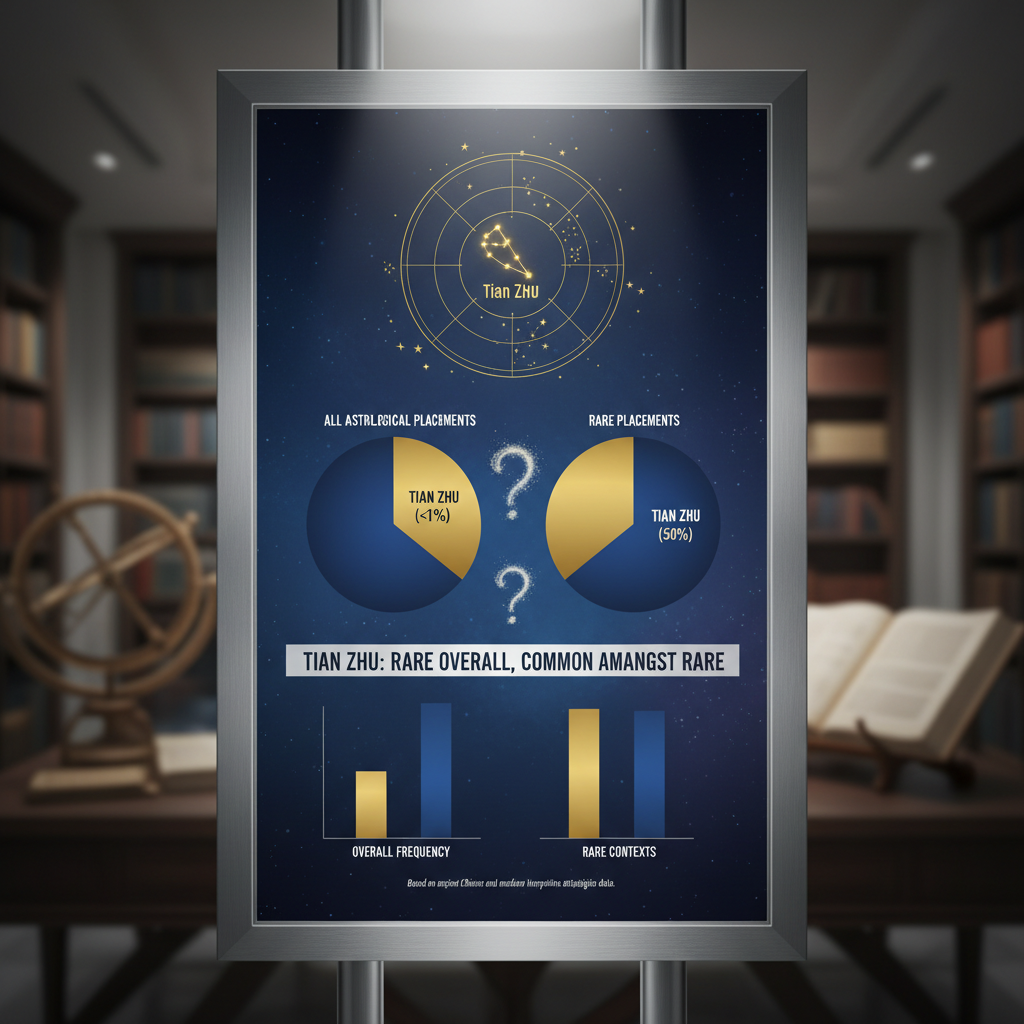
Simple environmental changes help: decluttered workspaces, symbolic objects representing values, and consistent lighting. Rituals that build discipline, such as morning primes and a two-week review cadence, are more effective than esoteric cures. Think behavior design, not magical thinking.
7. can Tian Zhu Predict Specific Events or is it More about Tendencies?

It is about tendencies and potential. Predicting exact events from a single star is unreliable. Instead, use the star to anticipate likely themes, and design actions that prepare you for those themes. In this way, you convert symbolism into practical preparedness.
8. How do I Combine Tian Zhu Interpretation with Western Astrology or Psychology?
Combine them by mapping meanings rather than forcing equivalence. For example, Tian Zhu’s focus on dignity and responsibility resonates with Capricorn or Saturn motifs in Western astrology. In psychology, it aligns with conscientiousness and moral identity. Use multi-disciplinary insights to create a richer practical plan for growth.
9. is Tian Zhu Rare or Common, and does That Matter?
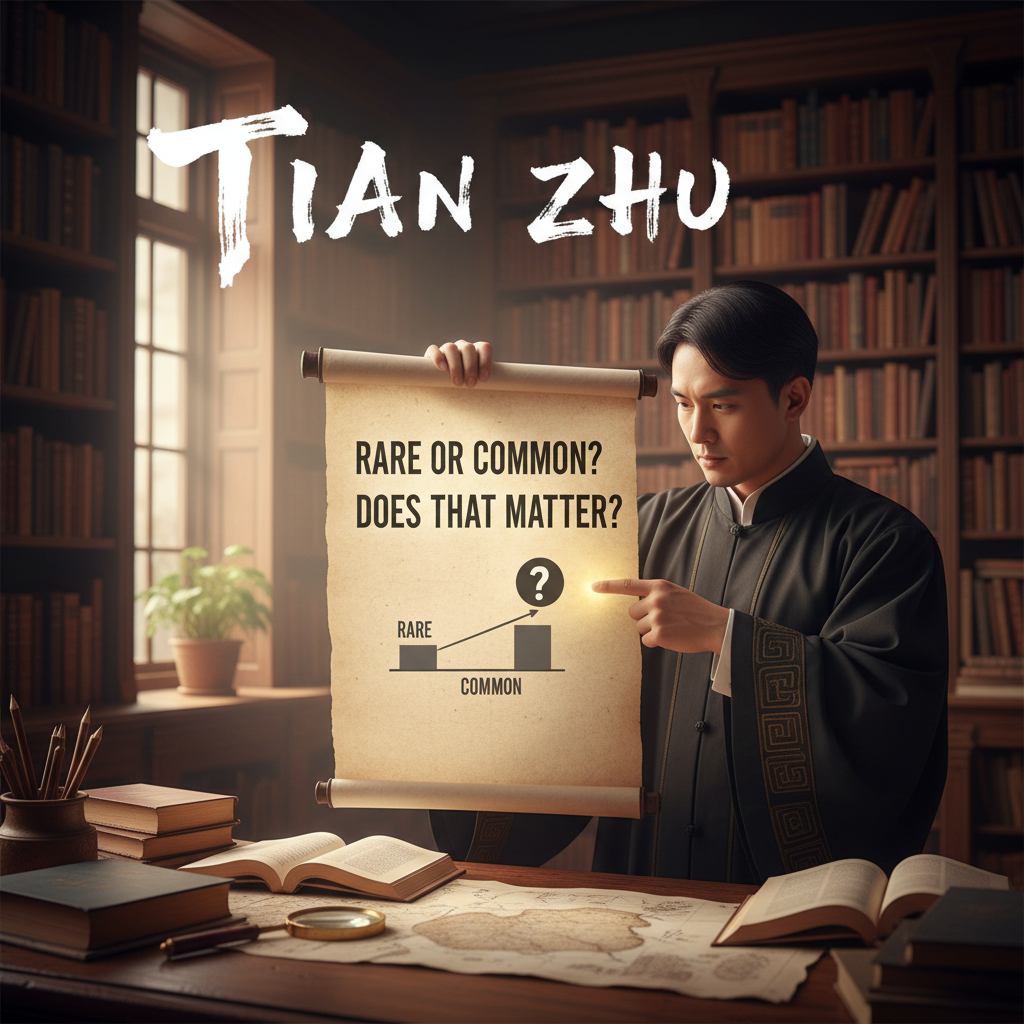
The star’s frequency varies by chart system and calculation method. Rather than focusing on rarity, consider how prominently it acts in your chart. If it sits in a key palace, or if it forms powerful combinations, treat its influence as significant. The impact matters more than prevalence.
10. How Quickly can I See Changes If I Work with the Star’s Guidance?

It depends on the goal and consistency. Small habits and routines often produce noticeable benefits within 30 to 90 days. Larger life changes such as career shifts or relationship rebuilds usually take six months to two years. Use the 90-day plan model, track progress, and adjust.
Conclusion

Tian Zhu’s value lies in its capacity to remind us that dignity, ethical clarity, and steady discipline are practical tools we can cultivate. It does not replace effort, but it offers an orientation that makes certain kinds of success more likely. Whether you are shaping a career, repairing relationships, or improving your health, treat the star’s counsel as a strategic advantage: design repeatable rituals, create clear accountability structures, and place a high value on reliability.
In practice, that means small, measurable actions: a 10-minute morning prime, a two-week review cadence, a 90-day goal aligned with your core values, and environmental adjustments that reduce friction. The case studies above show how modest, consistent choices create momentum. If you are interpreting a chart, look for placements and combinations, then translate symbolism into concrete habits and timelines. If you are living with Tian Zhu’s influence, be patient with yourself, lean into structure, and practice the brand of compassion that allows dignity to be human rather than distant.
Finally, remember that astrology is a tool for self-knowledge, not a script. You have agency. Use the insights to build systems that reflect who you want to be, and commit to the small, steady steps that bring those systems to life. That is where Tian Zhu’s real, practical power lies.
Leave a Reply
You must be logged in to post a comment.