Introduction: Why the Nine Stars Matter in Qi Men Dun Jia

If you have ever dipped your toes into classical Chinese metaphysics, you know Qi Men Dun Jia can feel like opening a complex, ancient map of time, space, and human intention. At the center of that map are the nine stars, energetic archetypes that give each palace in a Qi Men chart its character, strengths, and weaknesses. Mastery of these nine patterns transforms a chart from an abstract diagram into practical guidance for timing, strategy, negotiation, health, and decision making.
Whether you are an advanced practitioner or a curious beginner, learning to read the nine stars is a pivotal step. In this piece we will go deep: historical context, how the stars function inside a Qi Men chart, clear, memorable archetypes for each star, and step by step techniques for applying them. I will share concrete examples from business, interpersonal conflicts, and personal timing, plus actionable checklists you can use during a consultation.
We will also cover practical rules of thumb and common pitfalls I have seen in practice. By the end of these sections you will have a solid conceptual framework and first-level tools you can apply immediately, whether you are preparing an auspicious date, planning a negotiation, or diagnosing a health pattern. If your aim is Understanding the 9 stars in Qi Men Dun Jia, this guide is written to get you moving from theory into reproducible practice.
Section 1: the Role and Framework of the Nine Stars
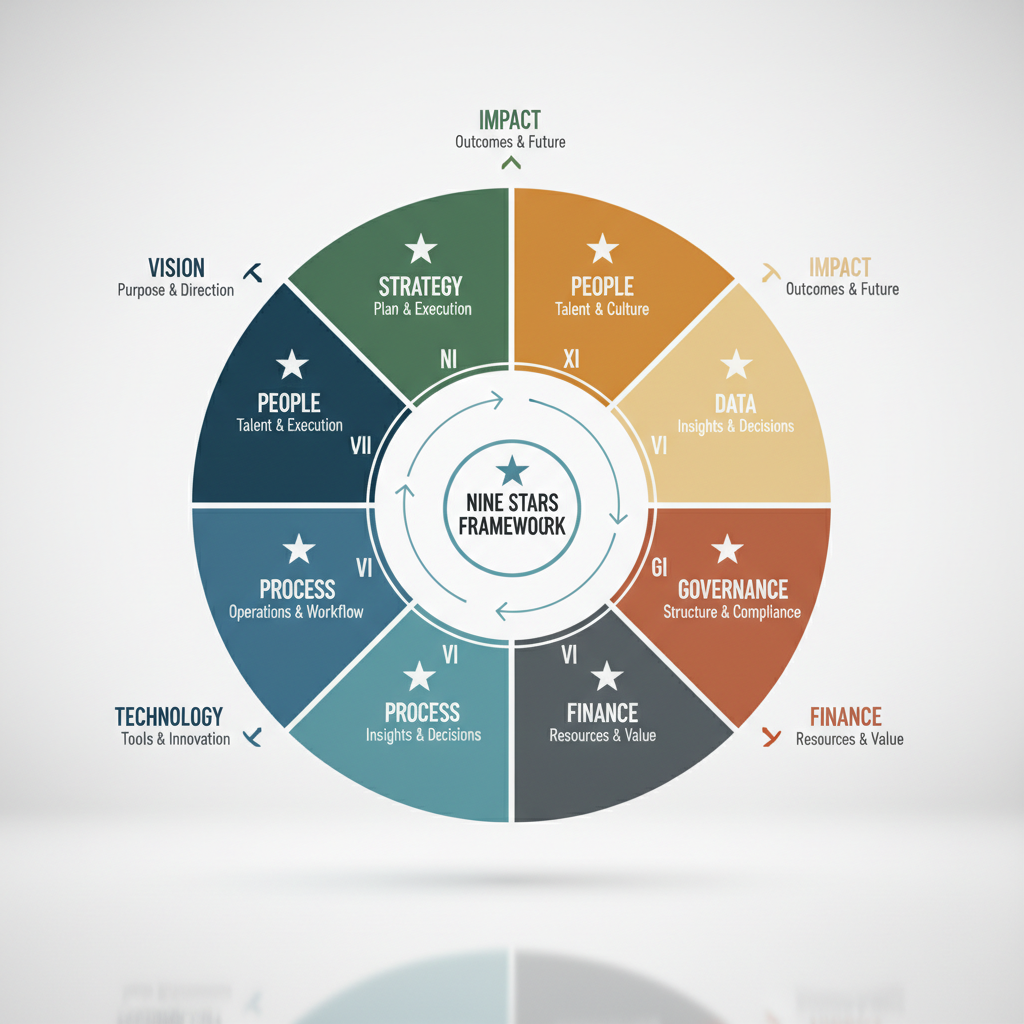
Before we profile each star, it helps to place them within the Qi Men Dun Jia cosmology. Qi Men charts combine several layers: the Nine Palaces (the spatial grid), Eight Doors (modes of outcome and opportunity), the Heaven Stems and Earth Branches (temporal markers), and the Nine Stars (quality and temperament of the energy in each palace). The stars act like personality overlays on the palaces: they tell you how energy behaves, whether it tends toward action or reflection, whether it supports strength or produces friction.
Origins and Development: a Short History
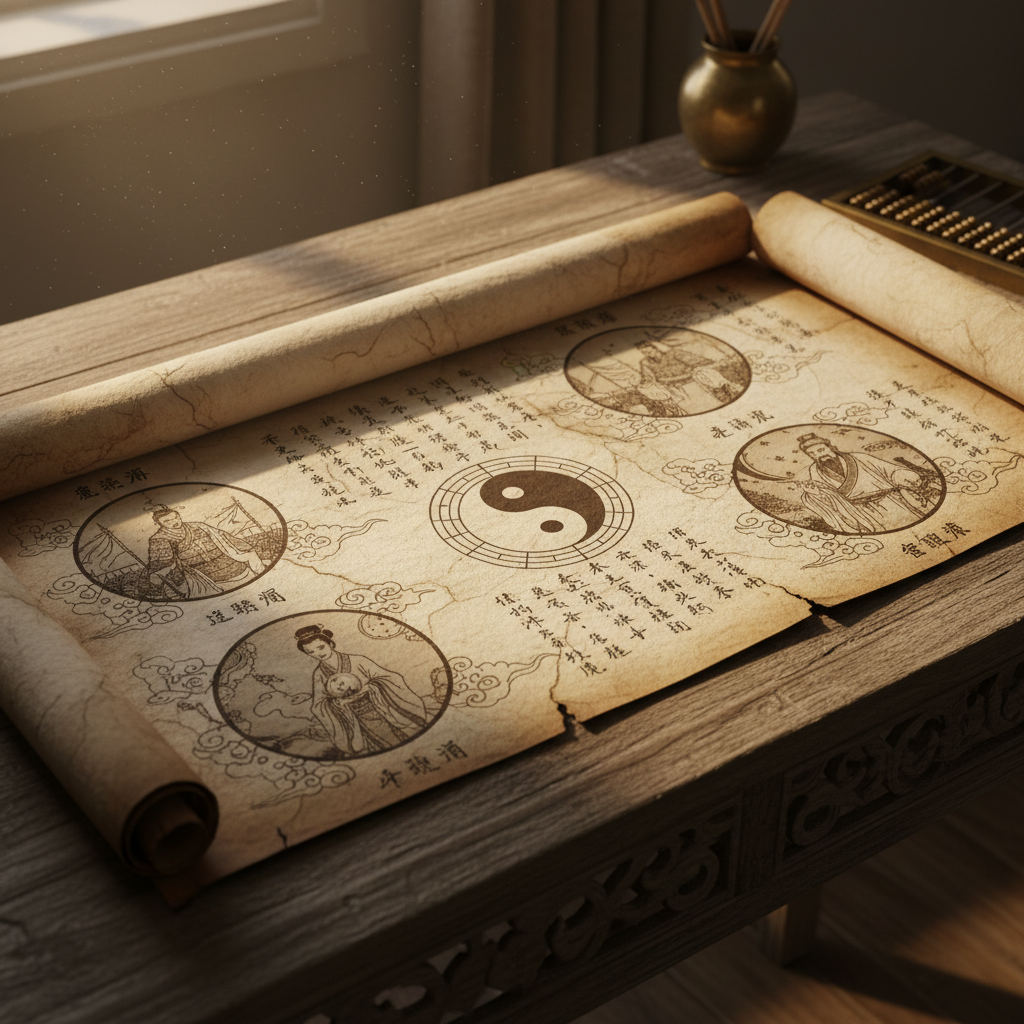
Qi Men Dun Jia dates to military strategy texts and divination systems of ancient China, refined over centuries into the format used by Taoist practitioners and classical strategists. The nine stars, sometimes called the Jiuxing or Nine Luminaries in practical manuals, were codified as archetypal forces rather than literal astronomical objects. Over time different lineages emphasized slightly different correspondences, but the functional logic stayed consistent: each star has a characteristic field of influence, elemental quality, and behavioral tendency.
How the Stars Interact with Palaces and Doors
In a standard Qi Men chart, every palace contains a combination of a star and a door, possibly accompanied by a Deity and a Stem-Branch pair. The star tells you the quality of the energy, while the door describes the method by which that energy manifests (for example, through movement, communication, or containment). Reading them together is essential. A strong star in a weak palace can still succeed if the door supports action; conversely, a powerful star can be neutralized by an unfavorable door or hostile elemental relationships.
Key reading steps we use in consultations are:
- Locate the target palace (the sector corresponding to the client question).
- Identify the star, the door, and any Deity present in that palace.
- Check element correspondences (Five Elements interaction) between chart components and the client or event profile.
- Assess direct and indirect support: generating cycles, controlling cycles, and clashes.
- Decide on an operational recommendation: act, delay, seek allies, or mitigate risk.
Practically, this sequence keeps interpretation grounded, repeatable, and defensible during consultations or when planning events. Later sections include templates and worked examples to practice this flow.
Section 2: the Nine Archetypes – How to Recognize Each Star

One of the hardest steps for new students is remembering nine separate qualities. I recommend learning them as human archetypes first, then mapping to technical labels later. Below I present each star as an archetype, with clear behavioral traits, typical strengths and weaknesses, examples of when the star is auspicious or inauspicious, and short practical tips you can use in a reading.
Star 1: the Leader (assertion and Command)

Essence: The Leader brings forward authority, initiative, and a proclivity to break the ice. It favors direct action, competition, and activities where taking charge is necessary. When well-supported it excels at initiating projects, enforcing rules, and winning arguments.
Strengths: decisive movement, courage under pressure, effective in situations requiring clear direction. Weaknesses: bluntness, potential for conflict if misapplied, shortcuts that alienate allies.
When auspicious: launching a campaign, taking the lead in negotiations, directing teams in crisis. When inauspicious: when the goal requires diplomacy, long-term subtlety, or relationship repair.
Practical tip: If the Leader star occupies your target palace and the door is an active door (for example, a door associated with movement or speaking), prepare to be direct. Use concise language and set clear objectives. If you need to avoid confrontation, arrange for someone else to act as intermediary or wait for a more receptive star alignment.
Star 2: the Strategist (planning and Oversight)

Essence: The Strategist is inward-facing, analytical, and oriented toward planning and governance. It favors surveillance, research, and building frameworks. It rarely seeks the limelight but excels at systems, contingency planning, and intelligence gathering.
Strengths: excellent for due diligence, legal review, and policy. Weaknesses: tendency to overthink, delay decisive action, or miss timing windows.
When auspicious: researching a new market, auditing processes, mapping risks before making commitments. When inauspicious: when immediate decisive action is required, or when your opponent is already moving aggressively.
Practical tip: If the Strategist star appears, allocate extra time for checks and verification. Use checklists, ask for documentation, and set staged milestones rather than committing to open-ended launches.
Star 3: the Supporter (cooperation and Assistance)

Essence: The Supporter brings assistance, facilitation, and the capacity to attract beneficial help. It is the most “ally-oriented” star, often manifesting as mentors, supporters, or resources that arrive when requested.
Strengths: helps mobilize networks, sponsorships, and positive introductions. Weaknesses: can foster dependency or complacency if over-relied upon.
When auspicious: seeking partnership, asking for introductions, applying for grants or mentorship. When inauspicious: when the situation requires solitary courage or independent action.
Practical tip: Under the Supporter, prepare clear asks and gratitude protocols. If you are preparing a meeting, outline exactly what assistance you need so that potential supporters can respond effectively.
Star 4: the Messenger (communication and Exchange)

Essence: The Messenger governs information flow, negotiation, and trade. It favors conversations, contracts, and any situation where information exchange determines the outcome.
Strengths: strong for pitching, sales calls, negotiations, and public speaking. Weaknesses: susceptible to misinformation or gossip when unsupported by solid proof.
When auspicious: sales presentations, contract signing, media interactions. When inauspicious: when confidentiality or discretion is crucial, unless mitigated.
Practical tip: When the Messenger star is central, refine your talking points, practice clear value propositions, and prepare documentation to support claims. Control the narrative by leading with key points and closing with explicit next steps.
Star 5: the Guardian (defense and Protection)
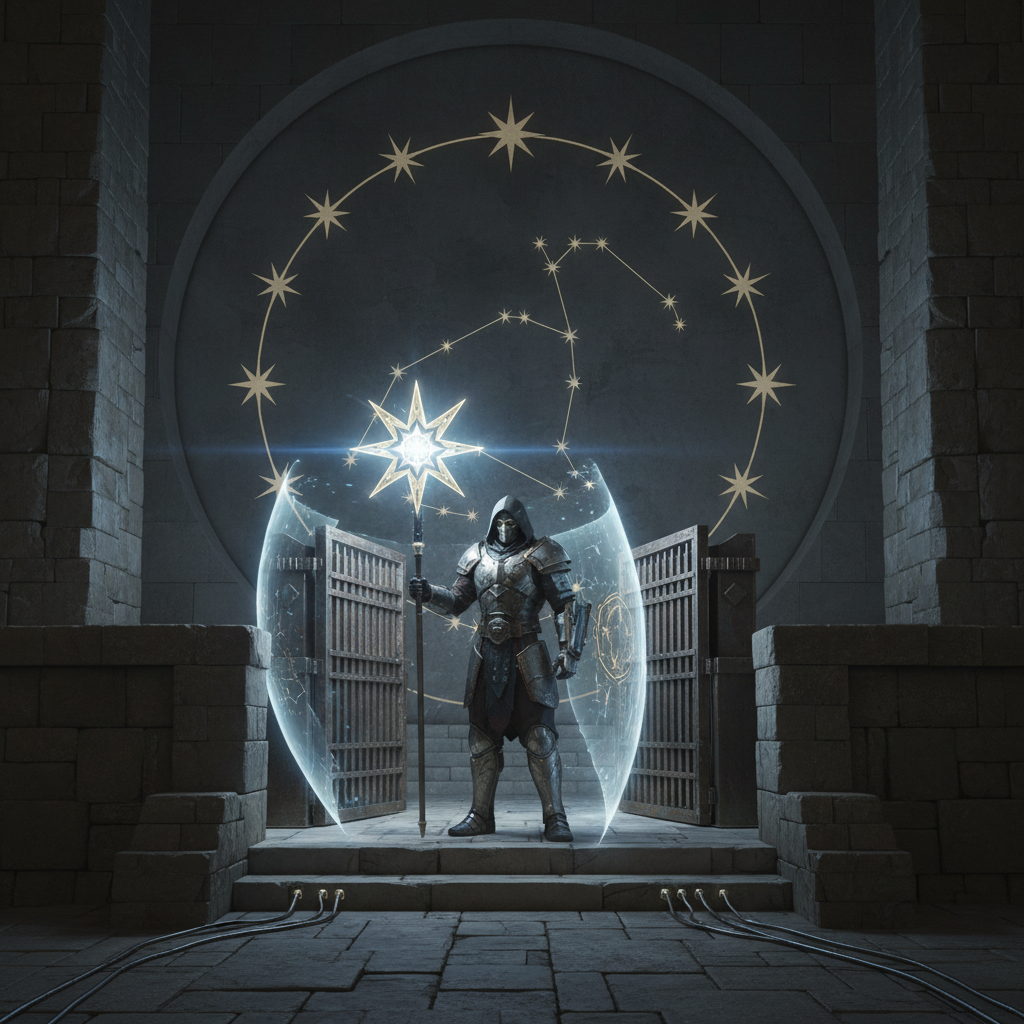
Essence: The Guardian is conservative, protective, and security-focused. It excels at containment, preserving resources, and managing risk. It will not pursue bold expansion, but it defends what matters.
Strengths: crisis containment, legal safeguarding, reputation management. Weaknesses: resistance to beneficial change, suspicion of innovation.
When auspicious: negotiating settlements, tightening compliance, strengthening security protocols. When inauspicious: trying to scale quickly or pivot into a new market without building trust first.
Practical tip: Use the Guardian to create contingency plans, contracts, or protective clauses. If you must act, do it in ways that preserve your core assets and reduce exposure.
Star 6: the Heart (intuition and Morale)

Essence: The Heart emphasizes morale, emotional intelligence, and the inner condition of relationships. It favors healing, psychology, and endeavors that require trust and alignment of values.
Strengths: ideal for counseling, team building, reconciliation, and personal coaching. Weaknesses: not strong for cold calculation or aggressive tactics.
When auspicious: conflict resolution, human resources processes, launching brand narratives that rely on authenticity. When inauspicious: hard-nosed negotiations where emotional poise can be exploited.
Practical tip: When the Heart is present, focus on listening, active empathy, and restoring rapport. Use first-person statements, reflective questions, and small symbolic gestures that rebuild trust.
Star 7: the Warrior (aggression and Breakthrough)

Essence: The Warrior is energetic, aggressive, and oriented toward overcoming obstacles. It provides the drive needed to break blockages, but it can escalate conflict if misapplied.
Strengths: breakthrough actions, competitive strategy, rapid problem solving. Weaknesses: high risk of collateral damage, friction with allies, and reputational impact.
When auspicious: decisive action to remove a roadblock, competitive bids, emergency interventions. When inauspicious: delicate negotiations, long-term partnerships, or when legal exposure is high.
Practical tip: If the Warrior star is active, prepare contingency communications to manage backlash. Use targeted, time-limited actions rather than broad sweeping moves, unless you have explicit authorization to accept consequences.
Star 8: the Scholar (knowledge and Reputation)

Essence: The Scholar favors learning, reputation building, and advice. It is slow-burning, supporting endeavors that grow through credibility and expertise rather than blunt force.
Strengths: publishing, teaching, legal argumentation, and thought leadership. Weaknesses: slow ROI and potential disconnect from market realities if over-intellectualized.
When auspicious: launching a white paper, seeking expert endorsements, or entering academic partnerships. When inauspicious: when speed and agility are decisive.
Practical tip: Use Scholar energy to prepare robust content, secure credentials, and align your messaging with authoritative sources. Invest in long-term reputation strategies rather than immediate sales tactics.
Star 9: the Catalyst (vision and Transformation)

Essence: The Catalyst brings creativity, transformation, and high-level vision. It supports innovation and the capacity to reframe problems in new ways, but it can be unstable if not grounded.
Strengths: ideation, rebranding, strategic pivots. Weaknesses: diffusion, lack of follow-through, and risk of trend-chasing without structure.
When auspicious: strategic reinvention, launching disruptive products, and creative leadership. When inauspicious: when steady incremental progress is required, or when operational discipline is missing.
Practical tip: If the Catalyst star is prominent, translate creative energy into concrete pilots and success metrics. Pair Catalyst energy with Scholar or Supporter energy to ensure ideas are tested and backed by expertise.
Section 3: Practical Interpretation, Combinations, and Case Examples

Having archetypes mapped, the next step is to read combinations. Real charts are never about a single star: they are stories told by interactions among stars, doors, palaces, and elemental cycles. Here we cover common pairings, how to evaluate auspiciousness, and provide two worked examples you can use as templates.
How to Read Star + Door Combinations
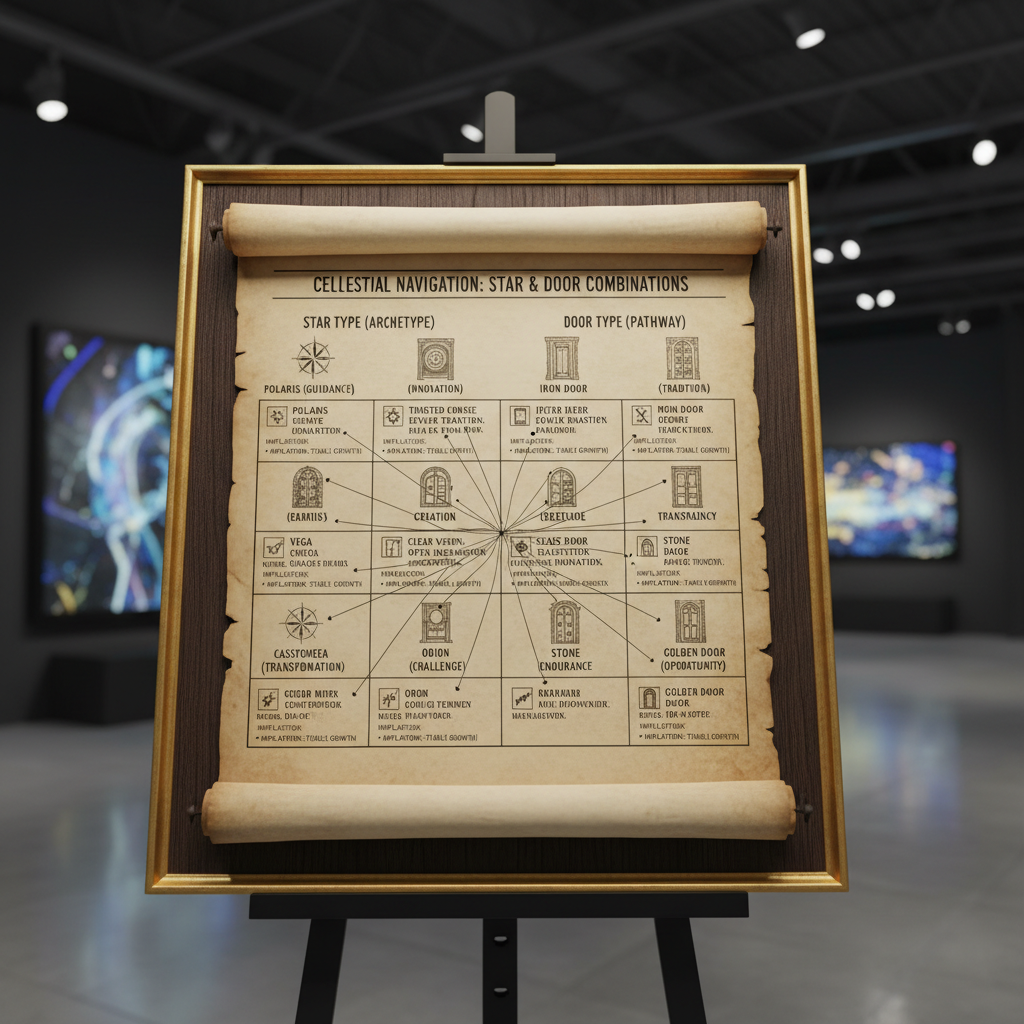
Observe both the star and the door in the palace you care about. The door signals how the star’s energy is expressed. Some practical rules we use in consultations:
- If an active star (Leader, Warrior, Messenger) pairs with an active door (movement, opening, speaking), expect outward action and visible change. Plan for follow-up to manage consequences.
- If an inward star (Strategist, Scholar, Heart) pairs with a passive door (rest, concealment), expect research, healing, or reputation work. Do not push public launches during this alignment.
- If Supporter or Scholar pairs with a collaborative door, prioritize relationship building and resource gathering. Prepare clear asks and documentation.
- If Guardian pairs with a confining door, emphasize protection: contracts, escrow, or legal safeguards; avoid risky exposures.
Actionable checklist when you encounter a star+door pair:
- Write down the star archetype and the door function in one sentence (for example, “Leader + Speaking door: direct public directive”).
- Assess immediate risks: who might be harmed, who benefits, and what legal or reputational exposure exists.
- Identify one mitigation and one amplification action: mitigation reduces downside, amplification increases upside. Examples: mitigation = draft a fallback agreement; amplification = schedule a follow-up meeting to capitalize on momentum.
Elemental Overlay: Using Five Elements to Refine Interpretation
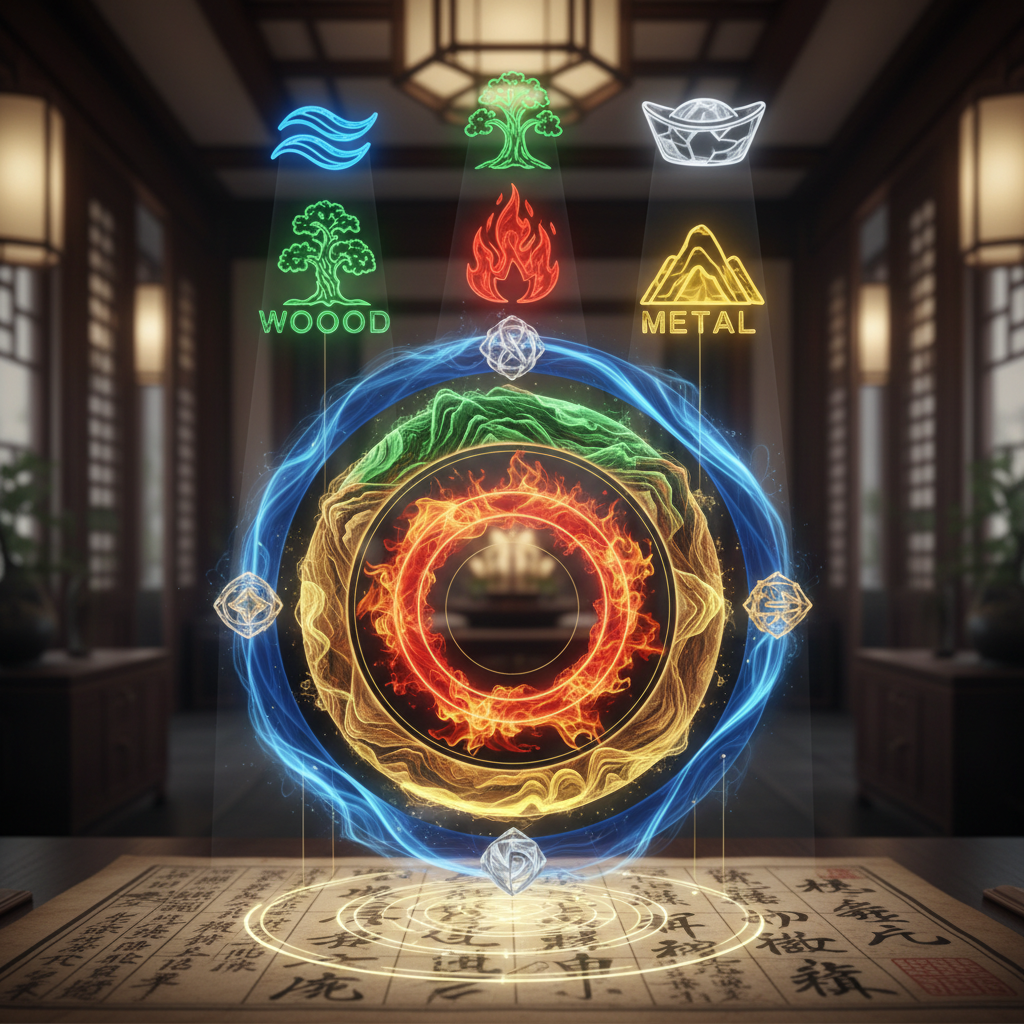
Elements act as modifiers. Each star carries a default elemental tendency that can either be supported or restrained by the palace’s elemental quality. Useful practical rules:
- Generating cycle (wood feeds fire, fire creates earth, etc.), when present, strengthens the star’s positive function. Use it as a green light for action with proportional safeguards.
- Controlling cycle (water controls fire, metal cuts wood, etc.), indicates friction or necessary corrective measures. Consider delay, legal reviews, or alternate timing.
- Clashes suggest unpredictable outcomes; prepare contingency budgets and clear exit strategies.
Tip: When you prepare for an event, map the star, door, and palace element on a single page. Annotate whether the element is supportive, neutral, or controlling. That one-page map saves time and clarifies whether to push forward or postpone.
Case Example 1: Launching a Product (step-by-step Read)

Situation: A client wants to pick a moment to publicly launch a new product. We open the Qi Men chart for the proposed launch window and locate the palace corresponding to public reception.
Step 1, identify the star and door: Suppose the palace holds the Messenger star and the Opening door. That signals strong potential for communication and immediate public reaction, a favorable sign for launch.
Step 2, check element support: If the palace element is aligned with the Messenger’s element via the generating cycle, the timing is reinforced. If it is in a controlling relationship, we are warned to prepare protective measures (for example, legal review of claims).
Step 3, inspect nearby palaces: If the Supporter star is in a neighboring palace and connected via beneficial element flows, plan to announce endorsements or partner certifications at the launch for social proof.
Step 4, mitigation and amplification: Mitigation might be to schedule a post-launch update window to address bugs; amplification could be staging a high-visibility live demo with clear calls to action when the Messenger energy peaks.
Outcome: With the Messenger + Opening combination supported by a generating element and a Supporter nearby, we recommend launching, with explicit contingency protocols for customer service and legal claims.
Case Example 2: Negotiation for a Joint Venture

Situation: You are negotiating terms for a joint venture and want to choose the optimal day and approach.
Step 1, identify the palace relevant to partnership. If the Supporter star is present and paired with the Calm door, the environment favors gradual trust-building and mutual concessions.
Step 2, if the Guardian star sits in the same chart but in conflict via a controlling element, do not concede long-term protections. Insist on escrow, phased commitments, or performance milestones.
Step 3, structure the meeting to match the dominant energies: use the Supporter energy to elicit goodwill at the beginning, avoid risky Warrior tactics, and close with Scholar-mode documentation to solidify reputational commitments.
Outcome: Negotiate using staged milestones and neutral third-party validation; this honors the Supporter’s attraction of help and the Guardian’s requirement for protection.
Actionable Rituals and Remedies
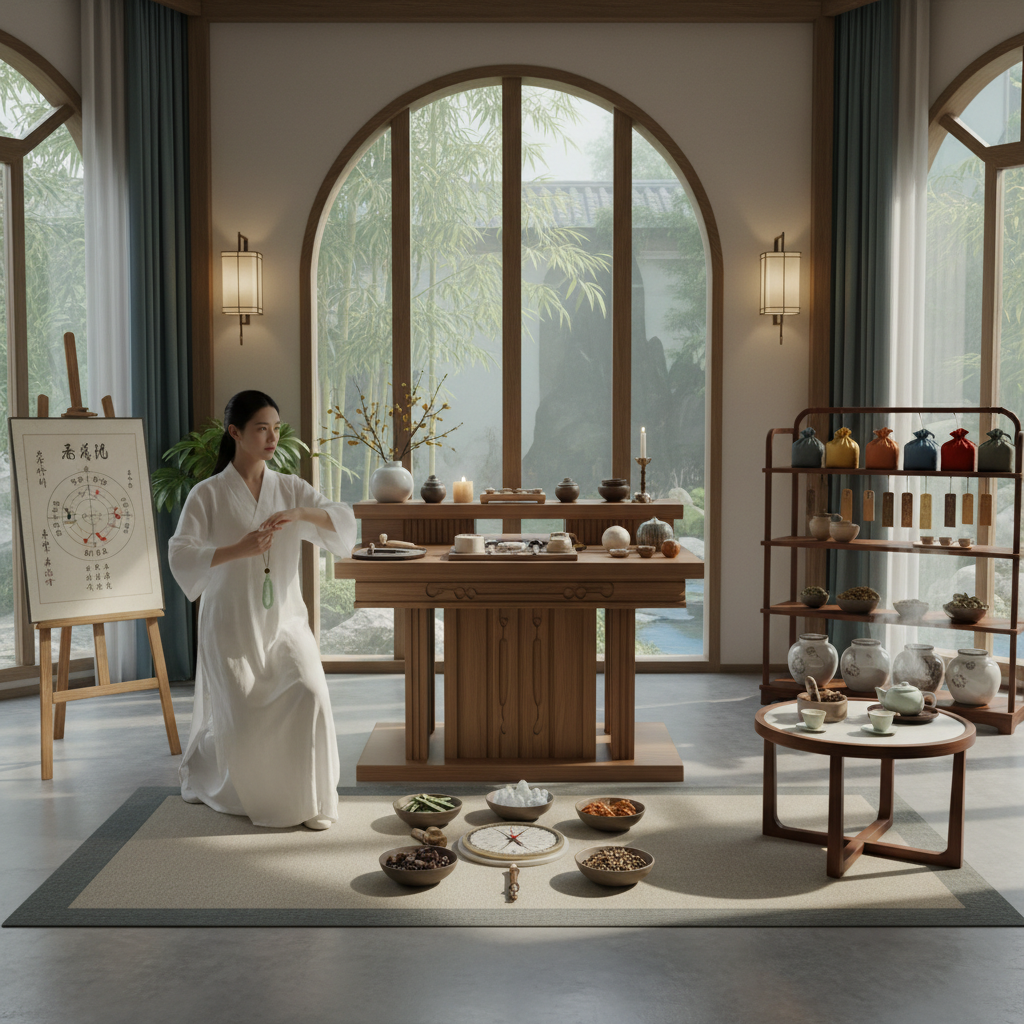
When a star alignment is unfavorable but timing cannot be changed, consider practical remedies rather than mystical fixes. Here are field-tested interventions:
- Elemental balancing: If a controlling element threatens your palace, introduce practical countermeasures that embody the generating element. Example: if water controls fire and you need fire energy, increase visible activity, light, or symbolic warmth in the setting.
- Delegate strategically: If a star suggests confrontation (Leader or Warrior) but you need diplomacy, send a Supporter or Scholar-type vice present at the meeting.
- Contractual protections: When Guardian energies warn of risk, formalize arrangements with escrow, warranties, or clear dispute clauses.
- Time-boxed pilots: If Catalyst or Warrior energy pushes for change but outcomes are uncertain, propose a pilot with explicit metrics, which satisfies transformative impulse while limiting exposure.
These interventions are practical; they translate metaphysical readings into concrete actions your team can implement within normal business operations.
The Symbolism and Characteristics of Each Star
To read Qi Men Dun Jia with confidence, we need to know the nine stars as living symbols, not just labels on a chart. Each star carries a primary theme, secondary traits, elemental color, and a set of likely manifestations when it appears in a palace with particular doors or deities. Below I break down each star in a way you can apply right away, with practical signs to watch for and simple interpretive rules you can use in field readings.
Tian Peng, the Disruptive Force

Tian Peng is the “move and remove” star. Traditionally linked to water energy and motion, it often indicates endings, conflicts, clearance, or a force that uproots the status quo. When Tian Peng is strong in a palace, expect matters to shift fast: departures, legal friction, liquidity events, or the need to eliminate something – like an outdated process or a toxic relationship.
Practical indicators: lawsuits, abrupt resignations, sudden travel, inventory liquidation. If you see Tian Peng with an open Door (for example, the Life Door), the disruption can be constructive, clearing a path. If Tian Peng sits with a closed or restive Door, expect frustration and stalled progress.
Tian Ren, the People Star
Tian Ren represents human support, allies, mentors, and public opinion. It is benevolent and often signals someone influential or helpful entering the scene. When Tian Ren is prominent, relationships and human resources become decisive factors. This star favors negotiation, mediation, and diplomacy.
Practical indicators: strong staffing outcomes, successful networking, incoming support, healers or mediators showing up. If Tian Ren appears with the Open Door, use face-to-face negotiation; if Tian Ren appears alongside stars that denote risk, focus on securing support structures first.
Tian Chong, the Breakthrough Star

Tian Chong brings movement, battle, or rush. In classical terms it is associated with military action and sudden momentum. In modern applications it often points to travel, project launches, or a breakthrough activity that forces a decision point. It tends to be kinetic energy: you will need to act or respond quickly.
Practical indicators: travel plans, market entry, emergency actions, decisive meetings. With favorable doors and deities, Tian Chong can accelerate success; with hostile elements, it can mean impulsive mistakes, so balance speed with reconnaissance.
Tian Fu, the Storage and Stability Star

Tian Fu is about accumulation, conservatism, vaults, and steadiness. Think treasury, contracts, estate matters, or anything that requires careful management over time. It favors building reserves, formalizing systems, and taking conservative steps to protect gains.
Practical indicators: asset protection, contract negotiations, long-term investments. When Tian Fu combines with supportive doors, it is excellent for securing funding or locking in agreements. If Tian Fu is isolated, beware of hoarding or stagnation.
Tian Ying, the Bright Star

Tian Ying is associated with clarity, charisma, and sometimes surgical outcomes. It brings fame, eloquence, or precise targeted action. In healthcare contexts it can point to successful surgery or exact medical intervention. In business, it enhances reputation and targeted marketing.
Practical indicators: publicity wins, successful precise interventions, public speaking or legal arguments that score. Use Tian Ying to plan activities that need sharp focus rather than broad outreach.
Tian Rui, the Waning or Sickness Star

Tian Rui is traditionally linked to weakness, decay, or illness. It can point to fragile situations, health concerns, or matters that need healing and recuperation. That said, when paired with remedial doors or supportive deities, Tian Rui highlights where attention and care will produce recovery.
Practical indicators: health issues, failing projects, reputation damage. Action steps include seeking medical advice, pausing to repair relationships, or injecting healing energy into systems (training, maintenance, PR repair).
Tian Zhu, the Pillar or Authority Star

Tian Zhu is support and governance itself. It represents leadership, administrative ability, or a stabilizing figure who can carry responsibility. When Tian Zhu is active, appointing the right person or reinforcing leadership structures will yield results.
Practical indicators: promotions, competent managers arriving, official decisions. If Tian Zhu is in a palace with weak doors, strengthen structures (clear roles, delegations, reporting). If it appears with disruptive stars, a strong leader can neutralize chaos.
Tian Xin, the Heart and Secret Star

Tian Xin governs inner motivations, intention, secrets, and sometimes romance. It is subtle, often indicating matters beneath the surface: motivation of the people involved, confidential information, or the emotional core of a dispute. Tian Xin advises careful listening and probing questions.
Practical indicators: hidden agendas, confidential deals, emotional revelations. When Tian Xin is present, prioritize intelligence gathering, private meetings, and safeguarding secrets; public announcements may be premature.
Tian Qin, the Harmonizer and Art Star

Tian Qin is sociability, culture, art, and pleasant influence. It deals with charm and public-facing interactions. Marketing, entertainment, diplomacy, and social campaigns are strengthened by Tian Qin. It also mediates and soothes disputes when used properly.
Practical indicators: successful social events, creative breakthroughs, mediations that lead to settlement. If Tian Qin pairs with obstructional stars, use charm and protocol to reduce friction rather than confrontation.
How the Stars Interact with Doors, Deities, and Elements
Knowing what each star means is only the first step. In Qi Men Dun Jia every star operates within a palace, and the palace contains a door, a deity, an earthly branch, and a stem. Interpretation is primarily relational: the same star means very different things depending on its neighbors. Here are practical patterns and rules of thumb we use when interpreting combinations.
Star Plus Door: Practical Interaction Rules

Doors indicate the mode of engagement: whether you should speak, act, hide, negotiate, rest, or pursue. Match the star’s theme to the door to determine the recommended tactics.
- Tian Peng + Open Door: Use the disruption to clear obstacles; launch a controlled exit or reorganization.
- Tian Ren + Life Door: Expect human support to be effective; prioritize meetings and personal appeals.
- Tian Chong + Return Door: Good for travel and relaunch; prepare logistics and contingency plans.
- Tian Rui + Rest Door: Rest and recuperation are required; do not push for action.
- Tian Ying + Heaven Door: Favor public, authoritative statements; move for a high-impact presentation.
Actionable tip: create a quick 3-point check before deciding: which star, which door, and which action mode wins. If two point to action, proceed; if one points to rest, defer until supportive alignment.
Star Plus Deity: the Energy Layer
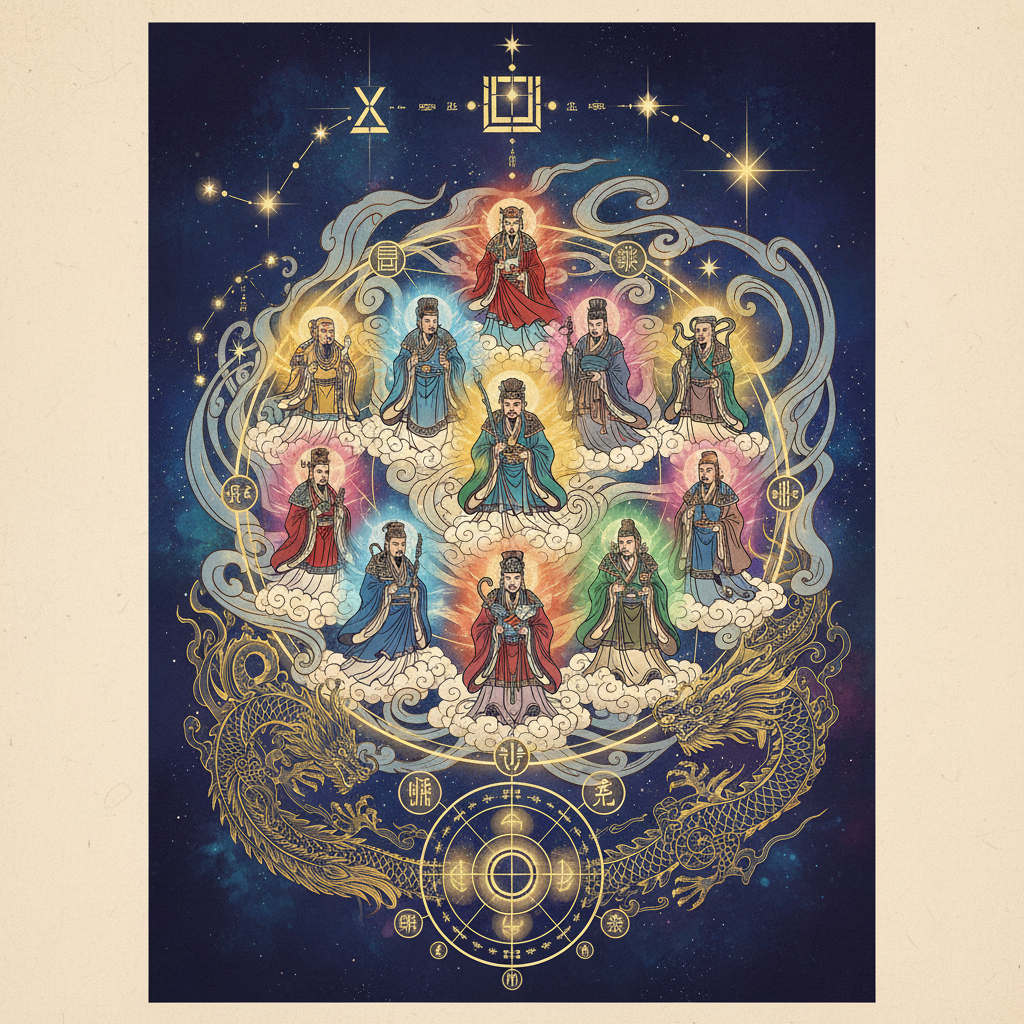
Deities color the star with temperament: benevolent deities make stars constructive, tense deities add friction. We use deity overlays to modify strength and suggest remedies.
- When a constructive deity sits with a weakness star, focus on rehabilitative measures; the deity can uplift the situation.
- When a martial or obstructive deity pairs with an action star, temper speed with protection, like backup plans or legal counsel.
- If a secretive deity pairs with Tian Xin, treat information as privileged and secure channels for communication.
Practical exercise: when you read a chart, list deity effects as +, 0, or -, then weigh the star accordingly. Weight each as 1 to 3 points; a total score above 4 favors action, below 2 favors delay.
Heavenly Stems and Earthly Branches: Timing and Elemental Effects
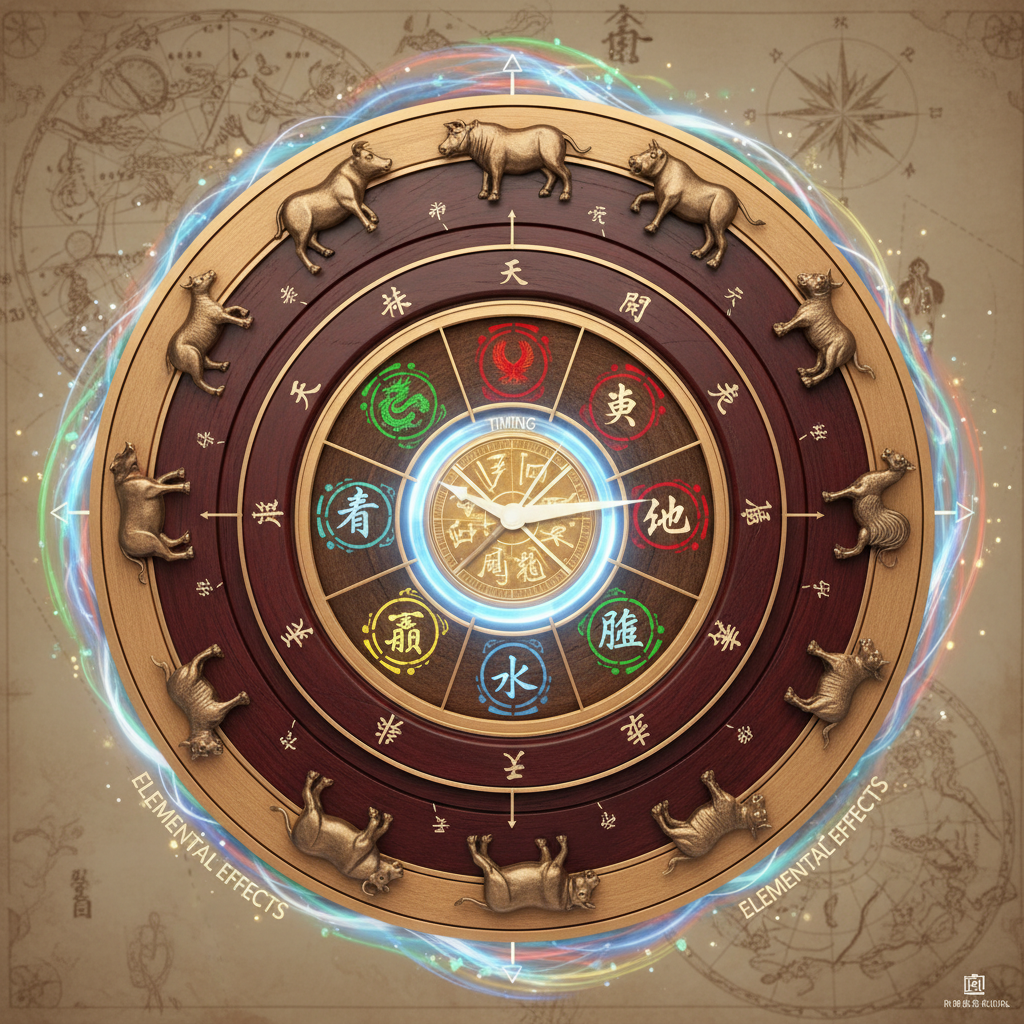
Stems and branches bring seasonal and elemental influences. A star that normally carries water traits will behave differently when positioned with a fire stem. Use elemental congruence to adjust your plan.
Example: Tian Peng often carries watery, mobile energy. If it meets a strong fire stem in the palace, expect friction: arguments that become heated or travel that meets delays. In business, this could be a deal that gets renegotiated with passion; in health readings, feverish symptoms may accompany a chronic issue. Practical step: when elements are conflicting, allocate resources to cooling or harmonizing measures, such as mediation, contractual buffers, or health interventions targeted at inflammation.
Combining Stars: Synergy and Conflict

Two or more stars in a palace are not simply additive. Synergy can amplify outcome, while conflict can create ambiguity that requires priority-setting. Here are common pair patterns we often see and how to act on them.
- Tian Ren + Tian Fu: People and resources aligned. Good for fundraising, hiring, or stabilizing operations; prepare contracts and conserve relationships.
- Tian Peng + Tian Chong: Rapid, disruptive movement. Use for decisive exits or emergency pivots; ensure contingency planning and legal cover.
- Tian Rui + Tian Xin: Hidden illness or secret decay. Prioritize diagnostics and confidentiality; do not make public statements until health or reputation is stabilized.
- Tian Ying + Tian Qin: Public-facing success with artistic flair. Favor campaigns, product launches, and speaking engagements; align messaging tightly.
Actionable framework: when two stars conflict, assign a priority score to each star based on the question you are answering. If the client asks about reputation, give Tian Ying and Tian Qin extra weight. If the question is legal, weight Tian Peng, Tian Ren, and Tian Zhu higher.
Practical Applications: Using the Nine Stars for Decision-making

Now let us put the nine stars to work in real contexts. Below are practical templates and case scenarios you can use immediately: a business launch, a legal dispute, travel planning, and a health case. For each scenario, I show the basic chart signals, interpretive steps, and an actionable plan you can implement.
Case 1: Business Launch – Timing and Placement

Scenario: A small company wants to launch a new product. The relevant palace shows Tian Ying in the south with the Life Door, Tian Qin in an adjacent palace, and Tian Fu nearby.
Interpretation: Tian Ying with the Life Door suggests a precise, high-impact launch that favors targeted media events. Tian Qin’s presence supports social engagement and creative content. Tian Fu nearby indicates funding and contracts are stable if locked in.
Action plan:
- Schedule a focused press event during the day aligned with the Life Door’s active hours.
- Use Tian Ying’s precision: prepare a tight, evidence-based pitch or demo; rehearse Q and A extensively.
- Leverage Tian Qin for social amplification: appoint a creative director to curate visuals and music to humanize the product.
- Finalize contracts and locking mechanisms before the launch, because Tian Fu indicates value protection matters.
Checklist before go-live: press kit ready, demo flawless, legal contracts signed, social media schedule synced to event time. If one item is weak, reschedule into a palace where supporting stars align.
Case 2: Legal Dispute – Conflict and Remedy

Scenario: You are advising a client facing litigation. The plaintiff’s palace holds Tian Peng with the Death Door, while your client’s palace has Tian Ren with the Open Door and Tian Zhu as a supporting star.
Interpretation: Tian Peng in the plaintiff palace suggests an aggressive, disruptive claim; the Death Door signals permanence or severe consequences. Your client’s Tian Ren plus Open Door and Tian Zhu indicate strong human advocacy and authoritative support are available.
Action plan:
- Prioritize mediation and personal outreach: use Tian Ren’s strengths to open channels for settlement.
- Prepare authoritative documentation and authoritative figures (experts, senior partners) to reinforce your case, leveraging Tian Zhu.
- Create exit options in case negotiations collapse; prepare contingency finances and public communications for damage control if needed.
Practical advice: when facing Tian Peng-driven claims, avoid public escalation. Use private channels and authoritative messages, ideally with timestamps and notarized materials. Document each outreach and record outcomes to use as evidence for later steps.
Case 3: Travel and Safety Planning
Scenario: A client must decide whether to travel. The travel palace shows Tian Chong with the Return Door, but the destination palace contains Tian Rui with the Rest Door.
Interpretation: Tian Chong plus Return Door favors travel and movement; the destination’s Tian Rui with Rest Door suggests conditions there may require recovery or downtime.
Action plan:
- Travel as planned if the purpose is business or urgent, because Tian Chong supports movement. Build in a buffer day for rest on arrival, anticipating Tian Rui’s recovery needs.
- Pack supplies and health kits; schedule lighter activities for the first 24 to 48 hours at the destination.
- Instruct the client to avoid strenuous public-facing events immediately after arrival; prioritize private meetings and rest.
Field tip: always align travel timing to palace hours that favor the Return Door; if those hours conflict with critical meetings, consider rescheduling the meeting or changing your travel window.
Case 4: Health and Recovery

Scenario: A chart about a chronic condition shows Tian Rui in the home palace, Tian Xin across the center, and Tian Peng in a peripheral palace connected to a recent event (like a shift or trauma).
Interpretation: Tian Rui indicates weakened health needing care; Tian Xin points to a hidden cause or emotional component; Tian Peng suggests a disruptive trigger occurred. Healing will require addressing both the physical and emotional thread while removing the triggering factor.
Action plan:
- Begin diagnostics and create a medical plan; prioritize a check-up and tests to identify underlying issues.
- Address emotional and lifestyle triggers: counseling, rest, changes in sleep and diet aligned with traditional elemental remedies if appropriate.
- Remove or neutralize the triggering disruption: reduce workload, avoid the stressful environment, or change routine to stop repeated exposure to the trigger.
Practical regimen: set a 21-day recovery protocol with measurable daily steps: sleep hours, hydration, physician check-ins, and a weekly review to adjust plans. Celebrate small wins to reinforce change; recovery paths are often incremental.
Interpreting Conflicts, Remedial Actions, and Common Pitfalls

As you apply the nine stars, you will meet ambiguity: charts will show conflicting stars, weak deities, and mixed elemental signals. Here is a compact set of strategies and common traps to avoid, with actionable remedies you can apply in live readings.
Conflict Resolution Framework

Use this three-step framework whenever you see conflict between stars.
- Prioritize the question: Ask what the querent needs to know most. If the question is about health, weight Tian Rui and Tian Xin; if it is about money, weight Tian Fu and Tian Peng accordingly.
- Score the palace context: Give each star a 1 to 3 effectiveness score based on door support, deity coloring, and elemental congruence. Add scores to determine which star dominates.
- Plan contingencies: If the dominating star is disruptive, create an avoidance or mitigation plan; if it is constructive, plan to capitalize with backup measures in case conditions change.
Example: When Tian Peng and Tian Fu clash for a financial question, prioritize: if Tian Fu scores higher because of a Life Door and supportive deity, favor preservation and slow growth. If Tian Peng scores higher, prepare for liquidation and plan a tax or exit strategy.
Remedies and Practical Adjustments
Qi Men is pragmatic. When a star signals trouble, physical and procedural remedies help to change the energy field or at least to manage risk.
- Documentation and contracts: Use when Tian Peng or Tian Rui signal disputes or fragility; legal binding documents reduce ambiguity.
- Human reinforcement: If Tian Ren or Tian Zhu are available, appoint people who mirror their qualities, such as mediators and authoritative leaders.
- Timing shifts: Move critical actions into palaces or hours when constructive stars dominate; timing often changes outcomes.
- Environmental adjustment: In health or reputation matters, alter environments: relocate meetings, change hosting venues, or control physical conditions.
Common Pitfalls to Avoid
Here are mistakes I see practitioners and clients make repeatedly, with short remedies you can apply right away.
- Forcing a narrative: Avoid shoehorning a star into a desired outcome. Remedy: score objectively and list why one star wins over another.
- Ignoring doors and deities: Stars alone are incomplete. Remedy: always read door plus deity before final advice.
- Neglecting logistics: Practical issues can undercut metaphysical alignment. Remedy: pair QMDJ recommendations with checklists for transport, contracts, and schedules.
- Overusing remedies: Too many interventions confuse results. Remedy: apply one clear remedial action and monitor for 3 to 7 days before adding another.
Understanding the nine stars is a skill that improves with practice. Use the symbolic descriptions above, apply the interaction rules, and test with small, low-stakes decisions before using Qi Men Dun Jia for major life-changing choices. When you combine careful observation, simple scoring methods, and clear contingency planning, the nine stars become not mystical riddles but practical tools you can rely on.
Understanding the 9 Stars in Qi Men Dun Jia: Practical Applications and Real-world Examples
When we study Qi Men Dun Jia the nine stars form the backbone of interpretation. Each star carries a cluster of meanings, tendencies, and behavioral cues, and when we combine a star with a door, a deity, and the palace it occupies, we get an action-oriented reading. In this section I share how to apply those meanings in practical settings, with examples you can replicate, and a simple decision framework you can use the next time you lay out a chart.
How the Stars Function in a Reading, in Plain Terms

Think of each star as a personality or meta-influence that colors events: some stars encourage forward action, others advise caution, some reveal secrets, and others signal external support. A good reading identifies the dominant star in the target palace, measures its relationship to surrounding palaces, and then translates that dynamic into a recommended action. I like to approach a chart in three passes: observe, prioritize, and act. Observe means record which star is in the target palace and note accompanying door, deity, stem, and branch. Prioritize means decide whether that star gives encouragement, warning, or neutral information. Act means choose an operational step you can take now, later, or to avoid.
Example Reading: a Negotiation Scenario

Imagine you are preparing for an important negotiation that will occur in two days. You open a Qi Men chart for the start time and find the following configuration in the target palace: a star that favors counsel and tactical advantage, the Open door, and a supportive deity. What to do?
- Observe: The star indicates tactical advantage, the Open door favors visibility and direct communication, the supportive deity implies external help or resources.
- Prioritize: Since both star and door are favorable, the chart supports moving forward; the supportive deity suggests inviting an ally or expert can amplify success.
- Act: Prepare concise opening statements, bring a technical advisor, emphasize transparency, and schedule the negotiation in a visible public setting rather than a private back room.
That example shows how star meaning, door type, and deity presence work together. You do not need flawless memorization of every symbolic detail to make a useful, grounded decision; focus on the functional direction the star gives you.
Example Reading: When Delay is the Smart Move
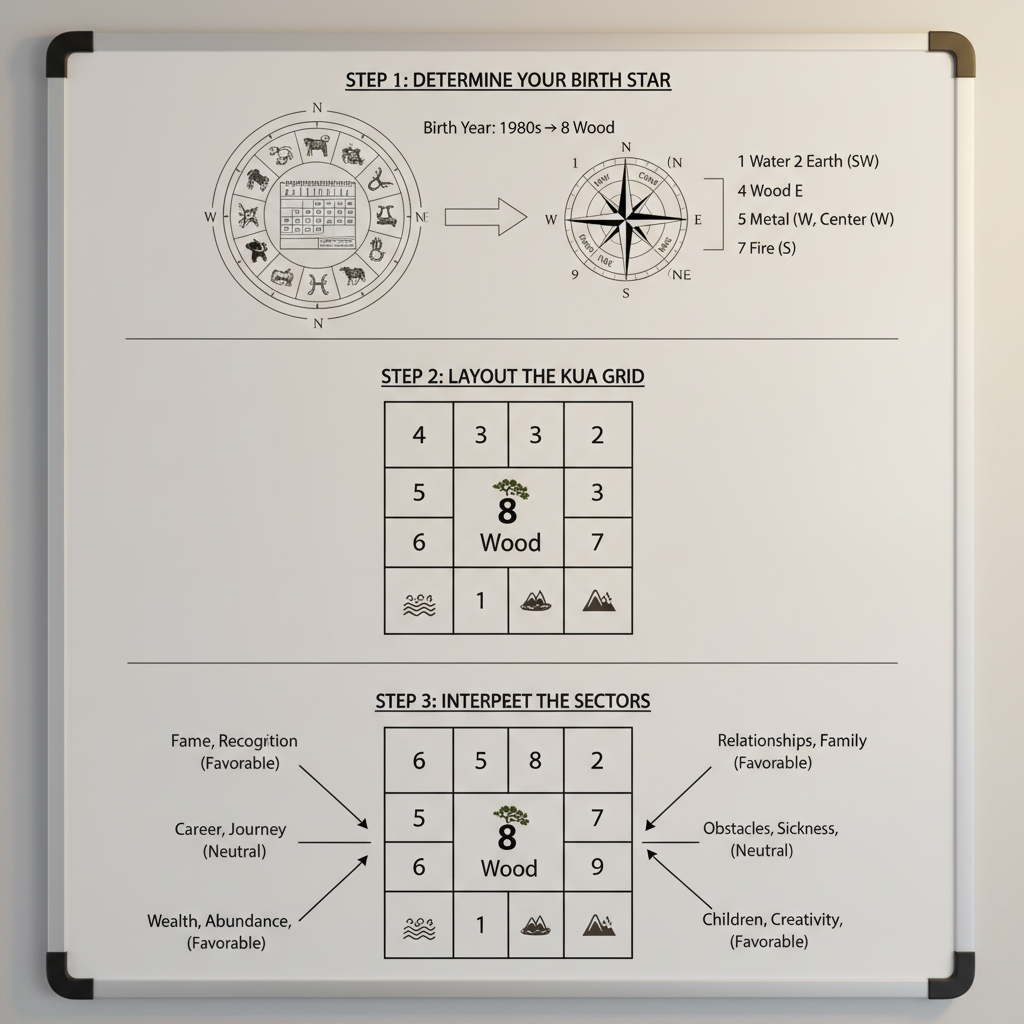
We also see charts that advise against immediate action. Suppose the target palace hosts a star associated with hidden problems and obstruction, paired with a Closed door and a defensive deity. Rather than interpreting this as fatalistic, take it as operational intelligence. The combination signals potential hidden pitfalls and limited access.
- Action steps: postpone irreversible commitments, open a fact-finding process, and plan for contingency buffers in budget and timing.
- Concrete tactic: set a short discovery period, such as a seven day window, to gather missing information. Use that time to verify key claims and confirm the reliability of partners.
In practice, delaying with intent often produces better outcomes than rushing when the stars are signaling obstacles. By treating the stars as warnings rather than curses, you turn risk into tactical intelligence.
How to Use the Nine Stars in Readings: a Step-by-step Method

Below I outline a reproducible method you can use to interpret the stars quickly and consistently. Use this as a checklist until the meanings become intuitive.
Step 1: Define Your Objective Clearly
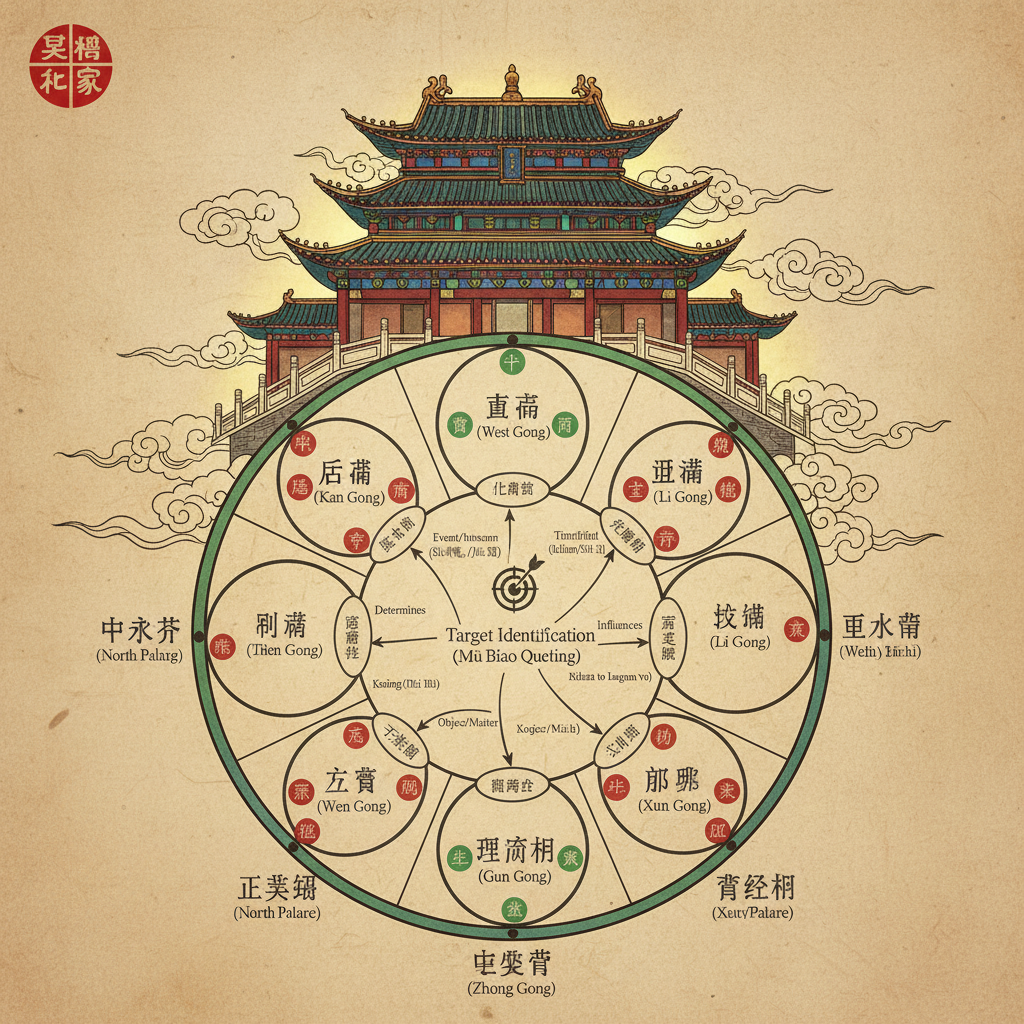
Start with a single, sharply defined objective. For example: “Will the meeting on Friday close the sale?” or “Is now a good time to launch the product?” A focused question narrows the reading to a target palace and prevents ambiguous interpretations. We are much more effective when we read for one clear outcome.
Step 2: Build the Chart and Identify the Target Palace

Create the Qi Men chart for the exact time and place of the decision. Once the chart is laid out, identify the palace corresponding to your objective. Note the star, door, deity, and if available, the heavenly stem and earthly branch. Record these on a single index card or in a brief digital note so you can compare charts over time.
Step 3: Score the Star’s Favorability

Give the star a simple score from -2 to +2 based on three criteria: alignment with your objective, relationship with the door, and presence of supportive or obstructive deities. For example:
- +2: Strong match and reinforcement by door and deity.
- +1: Generally positive but with a minor caveat.
- 0: Neutral or conflicting signals.
- -1: Some risk or hidden costs are present.
- -2: Clear warning or significant obstacles.
This numeric score is not mystical, it is a practical shorthand that helps you compare options when making decisions.
Step 4: Cross-check with Adjacent Palaces

Stars do not act alone, they interact. Look at the palaces that feed into or oppose your target palace. For instance, a supportive star in the adjacent palace may open a strategic route, while a harmful star nearby could leak problems into the target area. Mark any supporting or opposing palaces and adjust the initial score by one point up or down if their influence is clear.
Step 5: Translate the Score into Action

With the adjusted score, pick an action category:
- Proceed for +2 or +1: refine execution details, set milestones, and assign responsibilities.
- Monitor and prepare for 0: proceed cautiously, schedule follow-up dates, and collect more information.
- Delay or mitigate for -1 or -2: postpone commitments, set protective clauses, or seek alternatives.
Attach a clear tactical item to the reading, for example: “If score is +2, sign provisional contract with 30 day review; if score is -1, require additional warranties.” That makes your divination practical and legally and operationally sensible.
Step 6: Post-event Audit
After the event, compare the outcome with the predicted action. Note what the star predicted correctly and what it missed. Over time you will develop personal calibration; some stars will behave consistently in your geographic context and for the types of questions you ask. Keep a simple spreadsheet with columns for date, objective, star, score, action taken, and outcome. Reviewing this data periodically helps convert intuition into a tested practice.
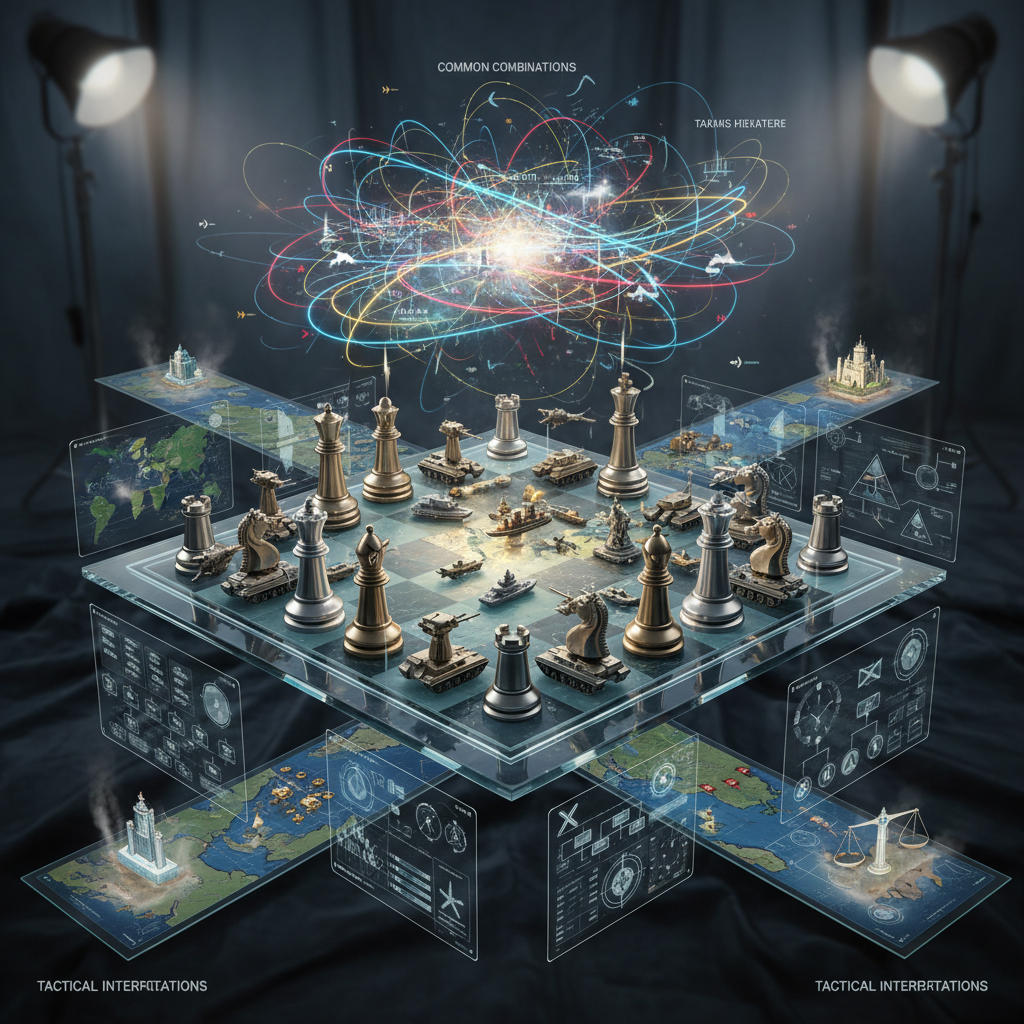
Common Combinations and Tactical Interpretations

While each practitioner develops their own language for the stars, there are recurring patterns that produce predictable tactical recommendations. Below I provide several common combinations I use in client readings, with clear, repeatable advice you can apply. These are pragmatic, not dogmatic, and include examples so you can see how to implement each recommendation.
Star of Opportunity Paired with Open Door
Interpretation: High visibility, favorable timing, public acceptance likely.
- Action: Launch or publicly present; arrange media or social proof.
- Example: When a product launch chart showed this pairing, I recommended a live demo and public testimonials. The visibility turned out to be the main driver of early adoption.
Star of Hidden Problems Paired with Closed Door

Interpretation: Information is limited, unseen obstacles likely.
- Action: Audit, due diligence, and risk mitigation; avoid public commitments.
- Example: For an acquisition, this combination prompted a deeper technical audit, which uncovered integration issues that altered the deal structure.
Supportive Star with Beneficial Deity
Interpretation: External help, resources, or alliances may arrive, timing is favorable for collaboration.
- Action: Invite partners, open channels for support, sign joint agreements with clear roles.
- Example: When a client asked about funding, the chart recommended bringing a named advisor. That person introduced an investor, and the deal was closed within weeks.
Martial or Confrontational Star with Restless Door
Interpretation: Conflict, rapid movement, and unpredictability; may be useful for competitive action but risky for cooperative ventures.
- Action: If you need to outmaneuver an opponent, prepare hard and take decisive action; if your goal is reconciliation, choose a different time.
- Example: A legal strategy aligned with this configuration; swift, focused filings took the opposition by surprise and secured a favorable settlement.
Combining Multiple Stars: Weighting and Pragmatic Translation

When multiple stars appear relevant, use a simple weighting system. Assign a weight to each star by importance: primary star = 50 percent, secondary stars = 25 percent each (or split remaining weight among active influences). Translate the weighted mix into an overall tilt: aggressive, conservative, or neutral. Then follow the action category that matches that tilt.
For example, if your primary star favors negotiation but secondary stars signal caution, the weighted result might be mildly favorable. Your action then becomes: negotiate, but include protective clauses and a short review period. The point is to convert symbolic complexity into an operational plan.
Faq: Frequently Asked Questions about the Nine Stars
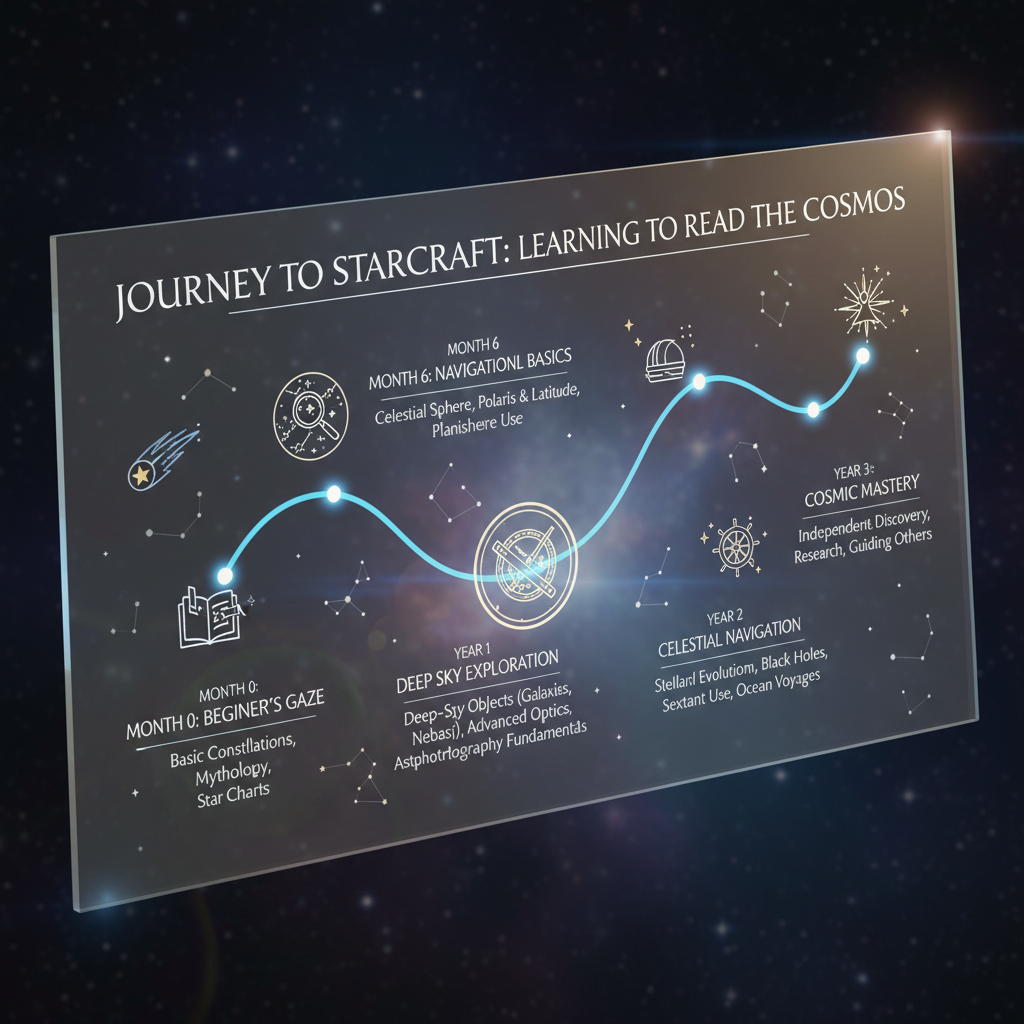
Q: How Long does it Take to Learn to Read the Nine Stars Reliably?

A: Learning the basics of the nine stars can take a few weeks of focused practice if you study daily and keep a simple log. Becoming reliable in real-world decision-making, however, generally takes months to years of applied practice and a post-event audit habit. The speed of learning depends on how often you chart, the clarity of your questions, and whether you compare outcomes systematically. I recommend a 90 day practice plan that includes at least two charts per week and a short outcome review after each event.
Q: are Some Stars Always Good or Always Bad?

A: No, stars are contextual. A star that appears challenging in one palace can be highly beneficial in another, depending on the door and deity present and the nature of your objective. For instance, a star associated with confrontation can be powerful for someone trying to break a deadlock, but harmful if your goal is to build trust. Learn to interpret stars relative to the question you ask rather than assigning blanket good or bad labels.
Q: How do I Combine Star Interpretation with Other Qi Men Elements Like Doors and Deities?

A: Treat the star as the tone, the door as the method of operation, and the deity as the source of support or constraint. Start by reading the star meaning, then ask: does the door encourage visibility or concealment, speed or slowness? Then ask: does the deity add help, block action, or protect? Synthesize those answers into a one-line directive you can act on. With practice this synthesis becomes intuitive.
Q: can the Nine Stars Predict Exact Outcomes, Like Who will Win a Case or the Exact Amount of Profit?
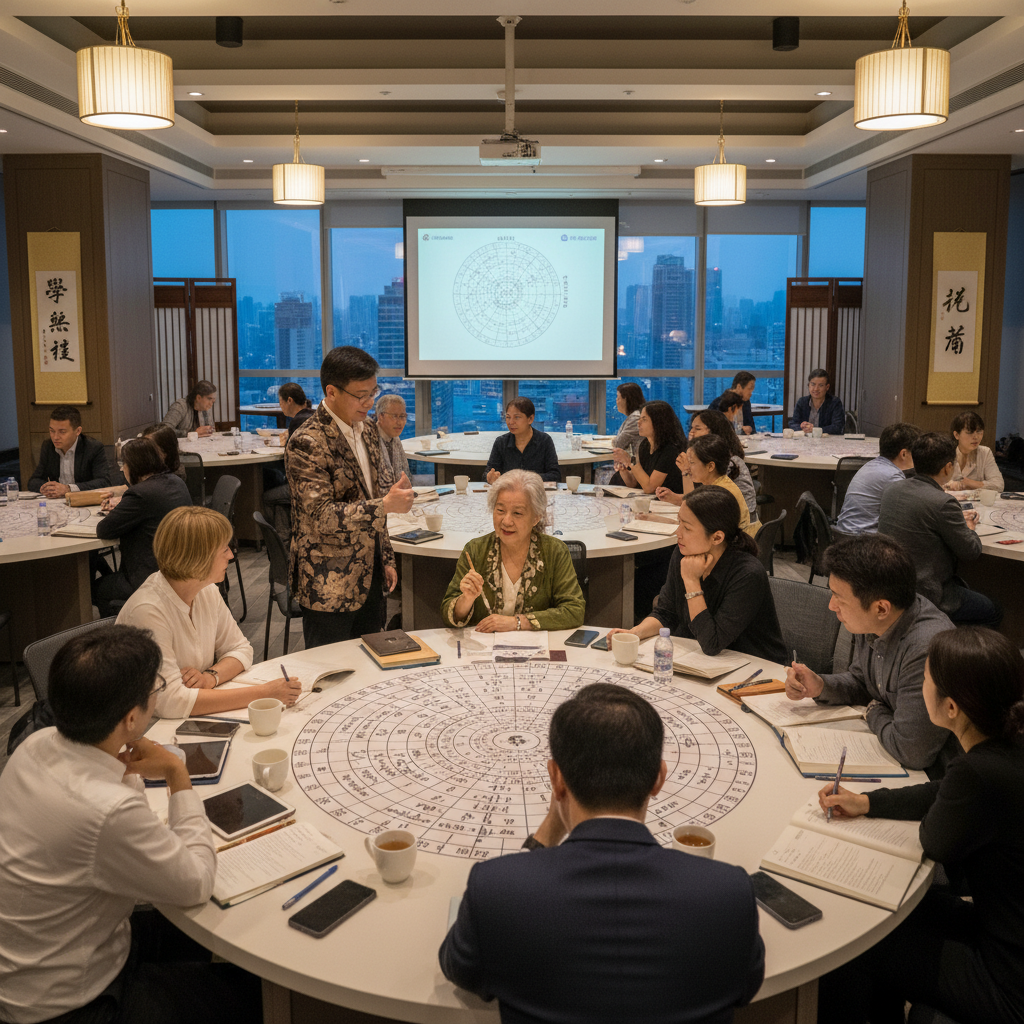
A: Qi Men is a decision-making system, not a deterministic machine. The stars indicate probabilities, tendencies, and the best operational approach, not exact numeric outcomes. Use them to increase the odds in your favor by choosing better timing, tactics, and contingency plans. For precise metrics you should combine the reading with empirical data and rigorous planning.
Q: How do I Keep Learning without Getting Overwhelmed by Details?

A: Start with a small, repeatable practice: pick one question type you ask often, track the charts for that question, and focus on learning how one or two star-door combinations behave. Use the record-keeping method described earlier. Over time you can broaden your scope. Simplicity early on builds confidence, which creates space for deeper study later.
Q: What are Common Beginner Mistakes and How can I Avoid Them?

A: Beginners often ask vague questions, neglect to record outcomes, or try to interpret too many elements at once. Avoid these traps by asking precise questions, keeping a compact log after each event, and using the scoring method to prioritize influences. Also remember that bias creeps in if you only record successes. Track both accurate and inaccurate readings equally; that is how real learning happens.
Q: is it Ethical to Use Qi Men Readings in Business or Personal Relationships?

A: Ethics matter. Use readings to enhance decision quality, not to manipulate or harm others. Be transparent with clients about the non-deterministic nature of the system, obtain permission when reading for other people, and avoid using charts to make secretive or exploitative moves. When in doubt, choose the option that minimizes harm and preserves autonomy.
Q: What Resources Help Accelerate Learning of Star Meanings?

A: Use a mix of structured texts, mentorship, and active journaling. A few well-chosen classical texts or modern commentaries can provide frameworks, but nothing replaces applied practice. If possible, study with an experienced practitioner who can critique your readings. Pair study with a weekly review session of your log so you can convert anecdote into pattern recognition.
Conclusion

Understanding and working with the nine stars in Qi Men Dun Jia is less about memorization and more about developing a pragmatic, repeatable method for decision-making. The stars provide directional intelligence; your job is to translate that intelligence into clear action. Use the step-by-step method, keep a disciplined log, and treat each chart as an experiment you can learn from. Start small, ask specific questions, and over time you will build the intuition and pattern recognition that make these stars genuinely useful in real-life decisions.
Finally, remember that the value of Qi Men is practical: it helps you choose when to act, how to act, and what to avoid. Use the interpretations in service of better planning, better timing, and better outcomes, and you will quickly find the system returns concrete benefits in both business and personal life.
Leave a Reply
You must be logged in to post a comment.